
Nehir Taştan / Pexels, cropped Pexels License license
Picnic Blanket Care
How to Wash, Dry and Store a Picnic Blanket
A soft top and waterproof underside can belong to the same blanket but have different care limits. Start with the assembled item's label, choose a model specific cleaning route, and check the parts hidden by the final fold.
A soft top and waterproof underside can belong to the same blanket but have different care limits. Start with the assembled item's label, choose a model specific cleaning route, and check the parts hidden by the final fold.
Fast read
What matters first
Use this summary to identify the checks that matter before you act.
The care label permits a full wash
Follow that model's cleaner, machine and drying settings, including exclusions.
Only one face needs attention
Use a permitted spot method for that surface and keep the backing's instructions separate.
The label is missing or conflicts with support
Identify the full model and ask the maker before immersion or heat.
The blanket is ready to put away
Unfold and check the underside, binding, closures and carry bag.
Decision system
The planning sequence
Use the sequence below to make the decision in a clear order.

Dina Makhmutova / Unsplash, cropped Unsplash License license
Picnic Setting
Two real blankets, not washing demonstrations
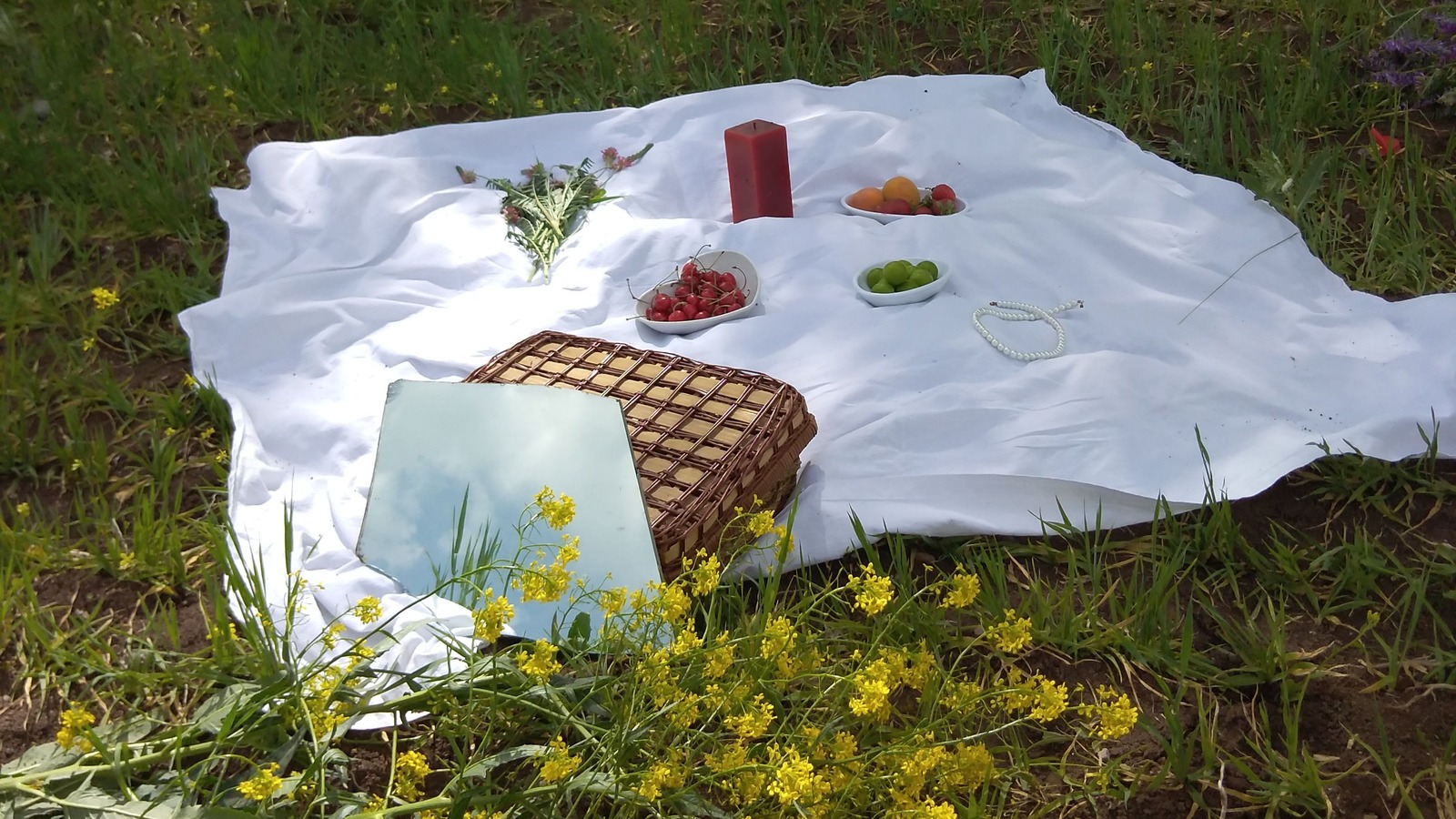
The photographs show picnic textiles on grass beside food and drink, providing context for the equipment category.
They do not identify a tested model, demonstrate a wash method, establish a backing material or prove that a blanket is dry.
Read the assembled blanket's label
A blanket may combine a soft face, ground facing backing, insulation and carry straps, so read the complete item's label before deciding that the most visible fabric can go in a machine; put the model name and support link beside the laundry supplies rather than rely on a remembered setting.
Find related equipment and packing guides in our Travel Gear section.
Distinguish waterproof from water repellent
YETI describes Lowlands with a waterproof utility bottom and a water repellent top, which makes this a useful reminder to identify the two faces rather than assume that the word waterproof describes every surface or permits soaking, strong cleaners or a different drying method. YETI Lowlands Blanket FAQ explains the different surfaces and the named model's care route.
Choose local cleaning or a full wash deliberately
If the matching instructions provide a spot cleaning route, decide whether it addresses the actual mark before selecting a full wash, and keep any unresolved stain as a separate question for support rather than add an unapproved solvent, brush, bleach mixture or improvised stain removal sequence.
Keep the Rumpl setting conflict visible
Rumpl's general care recommends air or line drying or a heat off machine setting, while model support can differ, so match the label and model before choosing heat; air drying leaves the permissive instruction unused while you resolve an unclear match instead of treating low heat as a universal rule. Rumpl Blanket Care Instructions provides the general drying and storage boundary.
Do not borrow a wool recipe for the backing
Solway separates wool care from its waterproof polyester backing, with label led wool cleaning and flat drying contrasted with damp cloth backing care, so identify the complete blanket first and keep its backing instructions alongside the top fabric instructions rather than combine independent permissions into an unsupported full wash. Solway Picnic Blanket Care Guide keeps wool and backing care separate.
Use the right section of a maker's care page
Teton's Highline and Acadia camp blanket directions are not its sleeping bag or camp pad directions, even when those products appear on one support page, so stay in the blanket subsection and do not borrow a more convenient cleaner, cycle or drying instruction from neighboring equipment. Teton Camp Blanket Care Instructions contains the model specific blanket subsection.
Make room for the actual wash route
Once the label's method is settled, clear a space that suits it and keep the blanket away from food, dirty footwear and unrelated cleaning tools, so the approved supplies remain easy to identify and a wet item does not have to be folded into its carry shape simply to fit the available workspace.
Keep removable and attached parts distinct
A carry bag, detachable strap or integral handle should be identified before the job, because removing a part for convenience does not establish its own washing permission or change the assembled blanket's limits; check each labeled component and keep parts that are not approved for that route out of it.
Inspect both faces before rolling
After completing the permitted drying stage, open the blanket far enough to check the face, underside and binding instead of judging the entire item from the middle of its top surface, and leave it unpacked when any hidden fold or attached part remains unresolved rather than use the carrying roll as a drying step.
Treat the carry bag as a separate storage item
Check that the bag or wrap is ready before putting the cleaned blanket inside, keep a damp container out of the storage sequence, and choose a location where the maker's approved shape is possible instead of forcing a bulky item into the space left beside wet shoes, towels or cooler gear.
Do not solve persistent odor with guessed chemistry
If the approved clean does not resolve persistent odor, visible mold or a backing that is separating, send the maker the model, photographs and the method already used before trying another product, because this guide does not establish a disinfectant treatment, coating restoration method or serviceability verdict for damaged material.
Leave the next picnic with a clear starting point
Store the care label photograph and instruction link where you can find them before the next outing, check the blanket and carry parts again before packing food, and keep any unresolved condition visible rather than turn a completed wash into an assumption that the entire picnic kit is ready for travel.
Planning traps
Mistakes to avoid
These are the small decisions that quietly derail an otherwise good plan.
Confirm explicit machine permission and the cleaner before choosing the water temperature.
The backing, insulation and attached parts remain part of the assembled item.
Resolve model conflicts first; generic support does not override the exact label.
Open the underside and binding, and check the bag before storage.
A separated coating or persistent problem belongs with model support, not a stronger guessed treatment.
Sources checked
Official and supporting references
Use these references to verify the factual guidance and recheck details that can change.
FAQ
Common planning questions
Can every picnic blanket go in a washing machine?
Can I tumble dry a picnic blanket?
How should I clean a waterproof backing?
What if the label is missing?
Should I store a camp blanket tightly compressed?
What should I check before putting the blanket away?
Continue planning