
cottonbro studio / Pexels, cropped and conventionally brightened
Tent Care After Travel
How to Dry and Store a Tent After Travel
A tent that comes home damp or gritty needs a deliberate reset before it returns to a stuff sack. This label-first workflow covers inspection, permitted spot cleaning, full drying, mildew warning signs, repair triage, and breathable storage without ranking tents or teaching setup.
A tent that comes home damp or gritty needs a deliberate reset before it returns to a stuff sack. This label-first workflow covers inspection, permitted spot cleaning, full drying, mildew warning signs, repair triage, and breathable storage without ranking tents or teaching setup.
Fast read
What matters first
Use this summary to identify the checks that matter before you act.
On arrival home
Open the bag, count parts, shake out debris, and identify damp or damaged areas.
Before cleaning
Read the label and separate body, fly, footprint, poles, stakes, and repair questions.
Before storage
Confirm every fabric and small part is dry, clean, complete, and loosely packed.
Decision system
The planning sequence
Use the sequence below to make the decision in a clear order.
Real Tent Fabric and Camp Gear
The photographs show care context, not a tent test
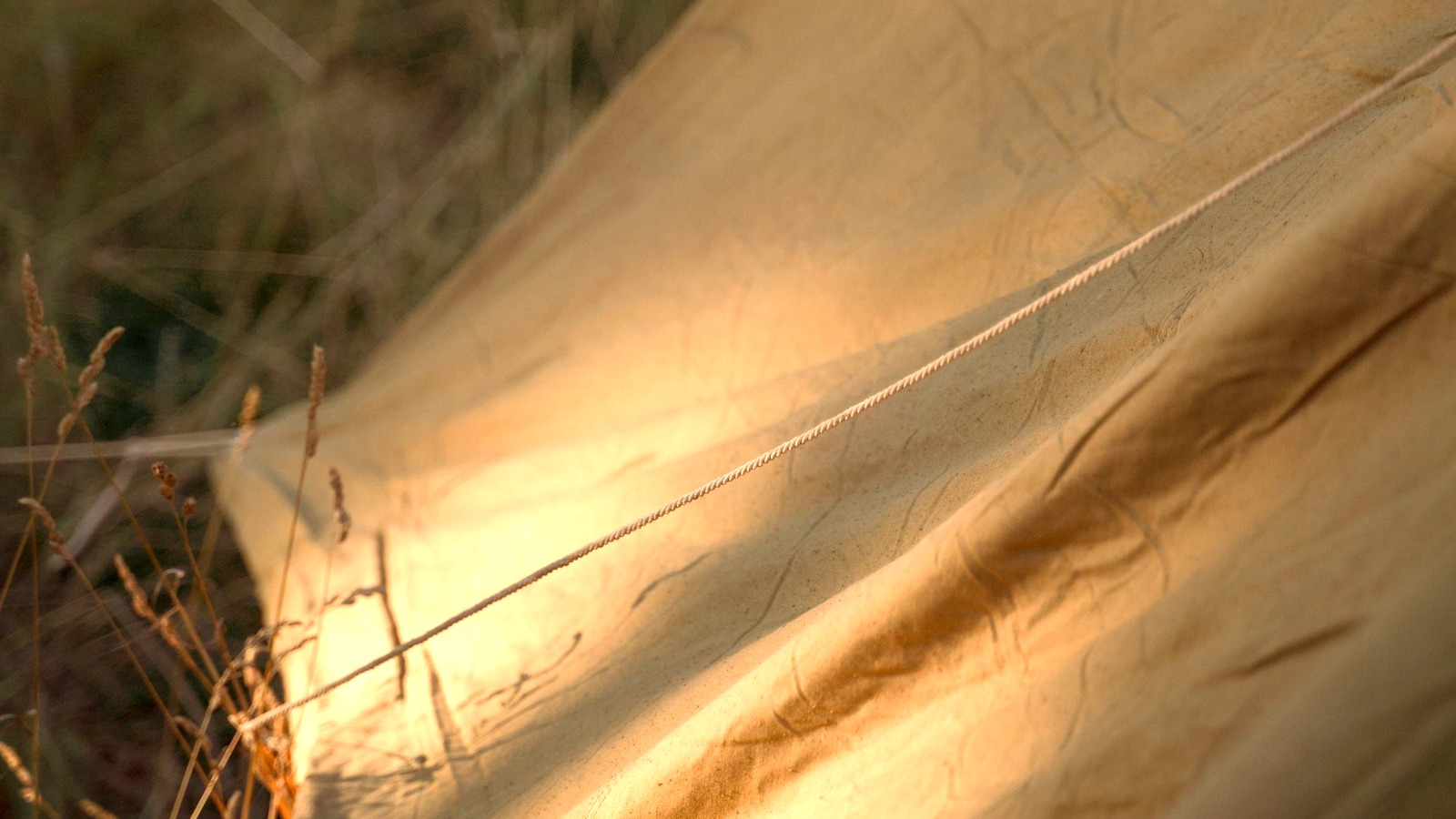
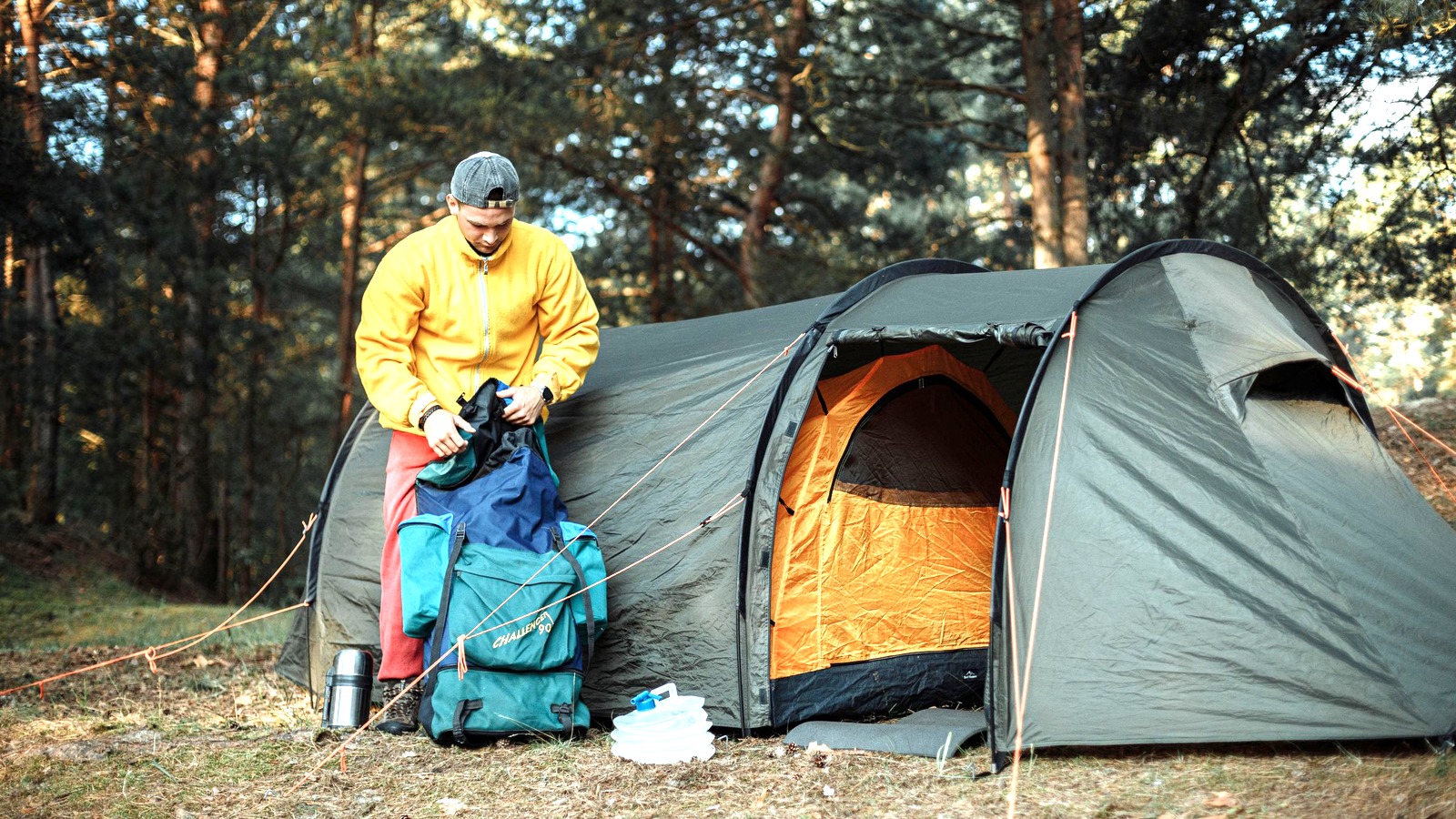
These real photographs show tent fabric, guyline detail, and a campsite tent with gear. They illustrate inspection and drying context, not a named model, a waterproofing result, a repair outcome, or a setup recommendation.
Use the exact tent instructions for the fabric, coating, poles, mesh, and storage method. A generic photograph cannot establish whether a particular tent is dry, sound, or ready to pack.
Start with the tent label and the complete kit
Treat the tent as a system rather than a single piece of fabric. Find the care label, model instructions, and any notes for the body, rainfly, footprint, poles, mesh, seam tape, zippers, and storage sack. Materials and coatings can differ even within one brand, so the exact instructions control whenever they are more specific than a general care routine.
Begin with the least aggressive label-permitted method, rinse out all cleaner, and require complete drying before any part returns to the storage bag.
Before putting anything in a tub or shower, photograph the care label and note how the poles, clips, guylines, footprint, and fly were packed. This record makes it easier to spot a missing stake, a twisted shock cord, or a detached buckle after a tired return journey.
Official care guidance: For a gentle baseline, How to clean my tent or pack recommends identifying dirty areas, using a soft brush or sponge with mild soap, rinsing thoroughly, and air-drying completely before packing. Cleaning, Repairing, and Storing Your Tent separates a tent reset into cleaning, complete drying, repair checks, and breathable storage.
Inspect before adding water
Set the tent up in a clean, shaded place if the space and instructions allow it. A pitched tent exposes the floor, seams, mesh, zipper tracks, corner reinforcements, webbing, and rainfly far better than a bundled pile. If there is no room to pitch it, spread each part on a clean floor or hang it in sections.
Look for pine needles, sand, food crumbs, bird droppings, sticky sap, salt residue, pulled seams, holes, peeling seam tape, delamination, bent pole sections, damaged shock cord, and zipper sliders that do not run smoothly. Separate ordinary dirt from a material failure. A dirty floor can be cleaned; a coating that has become flaky or tacky may need maker support or replacement rather than more scrubbing.
Keep poles and stakes out of the wash area until they have been counted and checked. Wipe metal or carbon sections only by the method in their instructions. Do not drag a wet fly across grit while inspecting it, because the grit can abrade coated fabric or mesh.
Empty, shake, and remove loose grit
Open every door, pocket, vent, and rainfly opening. Turn the body inside out only when the maker's instructions permit it, then shake out sand, leaves, crumbs, and small stones over a clean surface. A soft brush, hand broom, or low-suction vacuum can lift dry debris from a floor and vestibule without forcing grit into the mesh.
Big Agnes says to empty the tent body and keep the gear clean, dry, and free of debris before storage. Use that as the first travel-home checkpoint: the tent should not go straight from a campsite to a closed bag. Brush zipper teeth gently, especially after beach, desert, or salty-air trips. Never force a slider across a trapped twig or grain of sand.
Keep food residue separate from odor questions. A sugary spill, sunscreen smear, or cooking residue needs the label-compatible cleaning route, while a stale smell after drying may signal moisture that remained in a fold. Do not mask either problem with fragrance. Seasonal Tent Maintenance calls for emptying the tent body and keeping the set clean, dry, and free of debris before storage.
Clean only where the label permits
Begin with the least aggressive method that fits the care instructions. Spot clean a small area with cool or lukewarm water and a soft sponge, then rinse the sponge and wipe away residue. If the label or maker permits a fuller wash, use the named outdoor-gear cleaner and the stated dilution, temperature, soak time, and handling method. Keep the fabric supported rather than lifting a heavy wet tent by one corner.
When a full wash is permitted, support the wet fabric, rinse all cleaner, and dry in shade or indirect light. Do not transfer a cleaner, detergent, bleach, solvent, washing machine, or dryer from another piece of gear.
Rinse until water no longer carries soap or visible soil. Pay attention to the floor, rainfly hems, zipper guards, mesh pockets, and seam areas. If the label forbids immersion, stop at spot cleaning and ask the maker how to handle a larger mark.
Official care guidance: How to clean my tent or pack supports spot treatment first, a cool to lukewarm bath when a full clean is needed, careful rinsing, and complete drying in limited sun. Cleaning, Repairing, and Storing Your Tent recommends rinsing, handwashing with a technical fabric wash when needed, rinsing again, and drying in indirect sunlight.
Dry the body, fly, and small parts completely
Drying is the central post-travel task. Hang or pitch the body and fly in shade or indirect light with enough airflow to reach the floor, underside of the fly, pockets, corners, and seam lines. Turn or reposition the pieces as needed. Lay the footprint flat or hang it separately. Keep poles, stakes, guylines, and bags spread out so water is not trapped at a joint or fold.
Fabric, poles, guylines, stakes, and bags must be completely dry before storage. Use shade or indirect light and ordinary airflow, and follow the exact label for any heat restriction. If the instructions do not explicitly allow a heat source, continue with ambient airflow instead of improvising.
Check the inside of pockets and the underside of the rainfly by touch and sight. A tent can feel dry on top while a folded hem remains cool and damp. Continue drying until no droplets, condensation, cool damp pockets, or musty smell remains.
Official care guidance: Seasonal Tent Maintenance recommends a dry, temperature-controlled place and periodic airing when a tent is stored between trips.
Triage mildew, odor, and coating damage
A musty smell, dark spotting, or fuzzy growth changes the job from ordinary cleanup to a condition check. Do not seal a tent with suspected mildew in its stuff sack, and do not brush dry growth through a sleeping area where it can spread. Isolate the tent from clean clothing and other gear, follow the maker's mildew instructions, and ask for professional care when the label does not specify a safe product.
Complete drying is the condition for storage, while mildew treatment remains product-specific. Avoid mixing cleaners or improvising with bleach, solvents, or strong fragrances.
If the coating is peeling, sticky, cracked, or visibly separating, document the area and contact the maker or a qualified repair service. Do not describe a recoat as a guaranteed fix. The goal is to decide whether the tent is clean and ready for storage, needs a controlled repair, or should remain out of service.
Official care guidance: How to Clean a Dirty Tent treats mildew as a problem that requires the chosen cleaner's instructions followed by thorough drying. Cleaning, Repairing, and Storing Your Tent connects complete drying with preventing mold and mildew and protecting waterproof finishes.
Use a repair checkpoint before storage
Once the tent is dry, inspect it again in good light. Small mesh holes, a loose zipper pull, a missing slider, a short tear away from a load point, or a detached hook may be repair questions. A seam that is pulling, a pole that is cracked, a shock cord that has lost tension, widespread coating failure, or a tear at a corner or webbing may need the maker or a repair shop.
Keep repair materials matched to the fabric and coating. A patch or seam product that works on one silicone-treated or polyurethane-coated fabric may not bond correctly to another. Read the tent maker's repair instructions and the product label, and clean the repair area only as directed. Never test an improvised adhesive on the visible floor or rainfly.
Big Agnes says peeling seam tape can indicate that a tent is approaching the end of its useful life and recommends a spot-sealing route for appropriate seam issues. Treat that as a maker-specific example, not a universal diagnosis. Store the tent separately until a repair decision is recorded. Seasonal Tent Maintenance notes that peeling seam tape can signal an aging tent and points to a spot-sealing route for appropriate seam issues.
Store loosely and make the next inspection easy
Reassemble only after the body, fly, footprint, poles, guylines, stakes, and storage bag are dry. Fold or roll according to the maker's instructions, but avoid compressing a tent for months in the small field sack unless the manufacturer specifically allows it. Use the breathable storage sack, cotton bag, mesh bag, or other long-term method named by the maker. Keep the set in a cool, dry, dark place away from a damp basement, hot attic, or car trunk.
NEMO's long-term storage guidance recommends rolling the tent and components loosely in a breathable sack rather than leaving them compressed in the stuff sack. Big Agnes recommends a dry, temperature-controlled environment and airing the tent every three to four months when it is not being used. Record where the poles, stakes, repair kit, and instructions live.
Before the next trip, open the storage bag, count the components, and inspect for odor, spots, damaged mesh, seam changes, and pole wear. A loose, labeled storage arrangement turns the next packing job into a quick condition check rather than a rescue. Cleaning, Repairing, and Storing Your Tent recommends rolling the tent and components loosely in a breathable sack instead of leaving them compressed in the stuff sack.
Planning traps
Mistakes to avoid
These are the small decisions that quietly derail an otherwise good plan.
Moisture trapped in folds can lead to mildew, odor, and coating damage. Open or hang the set until the body, fly, footprint, and small parts are completely dry.
Tent fabrics, mesh, seam tape, and coatings can react differently from clothing. Follow the exact care instructions and stop when the maker does not permit immersion or a product.
Flaking, tackiness, or separation can signal coating failure rather than a stain. Document it, keep the tent dry, and ask the maker or a qualified repair service.
A small field sack is convenient on a trip but may be unsuitable for months of storage. Use the maker's breathable, loose-storage method and keep the set away from heat and humidity.
Sources checked
Official and supporting references
Use these references to verify the factual guidance and recheck details that can change.
FAQ
Common planning questions
Can a tent go in a washing machine or dryer?
How long should a tent dry before storage?
What should be done with a tent that smells musty?
Should a tent be stored folded or stuffed?
When is a tent ready to return to the gear closet?
Continue planning