
Natasha Latinovska / Pexels, cropped Pexels License license
Ski Goggle Care
How to Clean, Dry and Store Ski Goggles
A dry outer lens, a wet inner anti-fog surface, foam and strap are not one cleaning job. Identify the exact model, follow only its maker's instructions, and leave unsupported washing or removal on a stop path.
A dry outer lens, a wet inner anti-fog surface, foam and strap are not one cleaning job. Identify the exact model, follow only its maker's instructions, and leave unsupported washing or removal on a stop path.
Fast read
What matters first
Use this summary to identify the checks that matter before you act.
Dry particles on the outer lens
Look before using a cloth and follow the model's particle-removal instructions without dragging grit across the coating.
The inner anti-fog surface is wet
Pause and use the exact model's moisture-removal instruction without rubbing the wet surface.
Foam or the strap needs a wash
Check the exact product instructions before adding water or cleaner; do not assume a lens rule also covers fabric or foam.
You are considering lens removal
Remove a lens only when the exact model manual identifies that removal method.
The goggles are ready to put away
Finish the maker's drying route, then use its protective pouch or case with the lens protected.
Decision system
The planning sequence
Use the sequence below to make the decision in a clear order.

Ski Goggle Context
Equipment context, not a cleaning demonstration
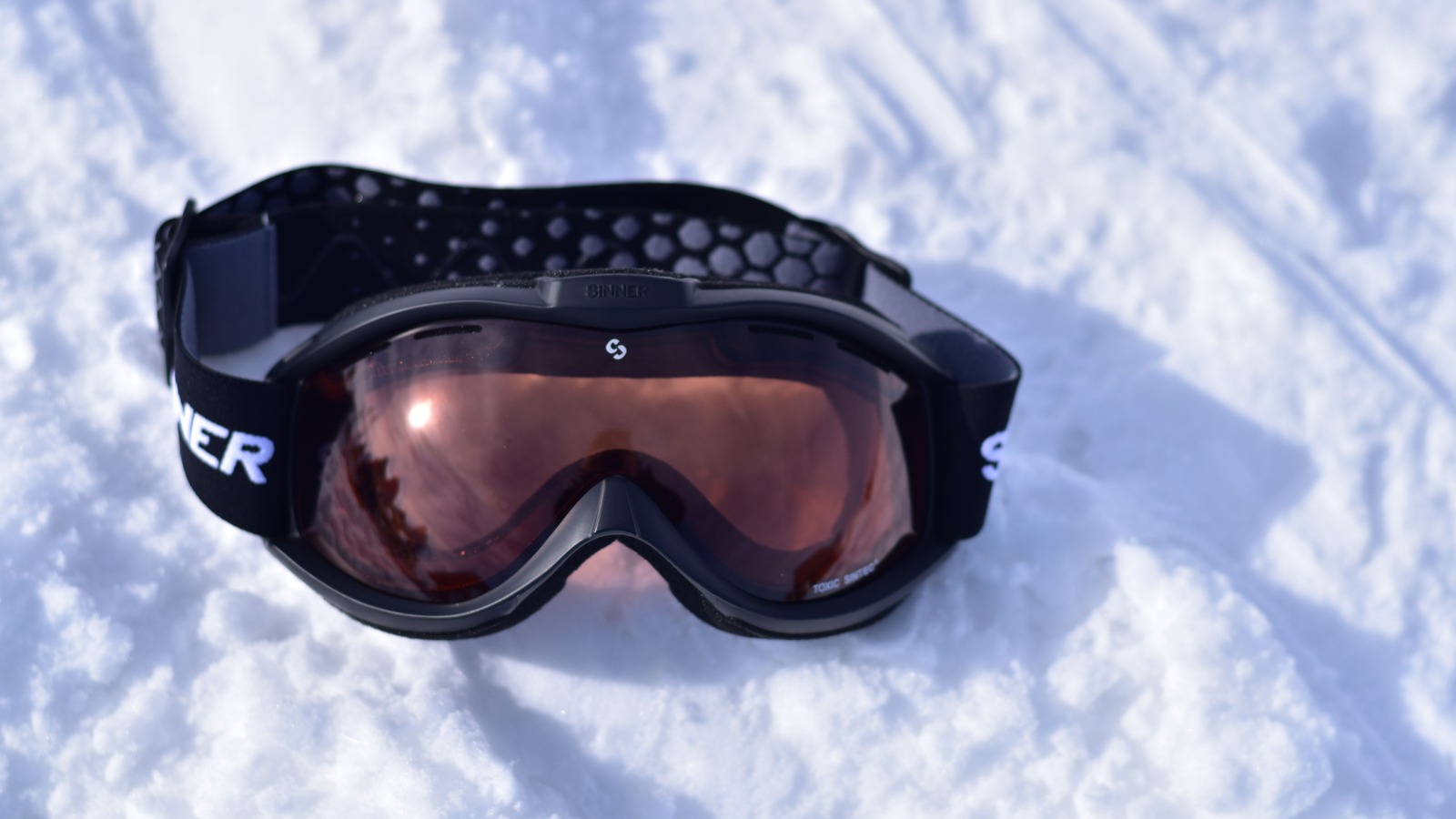
Real ski goggles on snow identify the category, not a wet lens, approved care method, drying result or tested model.
A separate skier photograph shows goggles in winter use; neither photo selects a maker, lens coating, cleaning method or drying result for the pictured pair.
Sort the surfaces before reaching for a cloth
Identify the exact pair and separate outer-lens particles, a wet inner coating, damp foam and a strap question, so each action addresses its own surface instead of copying one wipe across the whole assembly.
Find related equipment and packing guides in our Travel Gear section.
Set up gentle outer-lens work
Use the lens's permitted cloth and product, check for visible particles before contact and leave embedded marks for the maker rather than substitute scrubbing, paper, a sleeve or an unapproved spray.
Keep Burton's wet and dry stages in order
Burton says not to clean wet lenses, describes shaking or tapping out water and blotting with microfiber, and reserves gentle outer-lens buffing for a completely dry lens, so do not apply that outer buffing action to another maker's wet inner surface. Burton Goggle Care 101 provides this Burton sequence, not a universal wet-lens method.
Use Smith's separate inner-surface route
Smith describes a soft lint free cloth for the exterior, avoiding interior anti fog contact and lightly dabbing only if necessary, followed by complete air drying before protective storage, while the exact model remains important because the FAQ does not identify covered models. Smith Snow Goggle Care FAQ supplies these Smith surface and drying directions.
Use Oakley's included bag carefully
Oakley's card specifies light contact with the clean included microfiber bag to absorb inner moisture without rubbing, approved Oakley lens solution or mild soap and water for the product, and gentle bag blotting after rinsing. Oakley Snow Goggle Warranty Card supplies the stated care, not added drying advice.
Keep Giro's lens tools within their scope
Giro excludes paper and clothing on lenses, describes blotting rather than wiping inside and rejects household or chemical cleaners on the interior, not a generic inner-lens polishing method. Giro How to Clean Snow Goggles supplies Giro's lens care boundaries.
Handle foam without inventing strap washing
Giro's foam route uses light dish soap, gentle brushing and full drying; this does not authorize another maker's foam wash, a strap wash or removal of a component whose instructions are silent.
Leave lens removal to the matching mechanism
Leave the lens installed unless its exact model and lens-type instructions describe removal, and stop if an attachment does not behave as documented instead of treating a flexible frame or accessible edge as permission to pry.
Complete the maker's drying stage
Smith specifies full air drying before enclosure and Giro requires wet foam to dry completely, so finish the matching route rather than substitute a universal waiting time or improvised heat.
Store the finished pair and separate damage from dirt
Burton calls for protected dry storage in a padded bag or case, while Oakley requires replacement if broken or damaged, so do not use more cleaner to address a damaged layer, cracked frame or unclear attachment and instead follow the actual maker's support directions.
Planning traps
Mistakes to avoid
These are the small decisions that quietly derail an otherwise good plan.
Follow the matching moisture handling instruction rather than use an outer-lens buffing motion inside.
A product approved by one maker is not permission for every inner coating, foam or strap.
Keep its light soap and gentle brushing method with Giro foam, not other components.
Find the actual mechanism and documented sequence before opening the frame.
Complete the exact drying route rather than guess a universal time or ignore damp foam.
Sources checked
Official and supporting references
Use these references to verify the factual guidance and recheck details that can change.
FAQ
Common planning questions
Can I rub a wet inner anti fog lens?
Can I use any microfiber cloth or cleaner?
Does mild soap and water suit every goggle?
Can all goggle foam be washed with dish soap?
How should I wash a goggle strap?
Can I remove a lens to clean behind it?
When should the pair go into its case?
Continue planning