
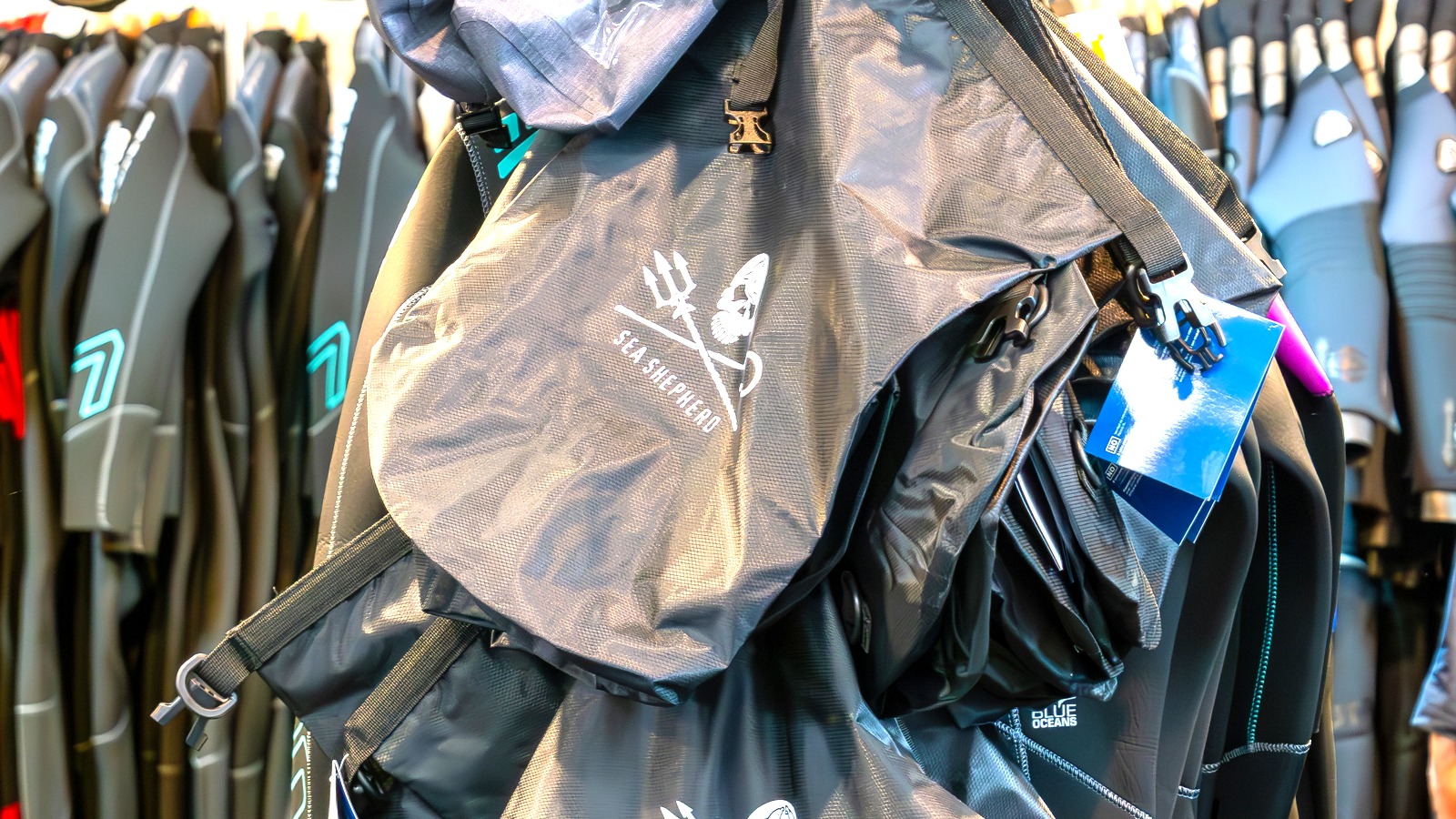
InterDive 2023; CC-BY-SA 2.0+ Matti Blume / Wikimedia Commons; CC BY-SA 4.0; cropped and brightened CC BY-SA 4.0 license
Dry Bag Care
How to Clean and Store a Dry Bag
A roll-top sack, a tape-sealed stuff sack, and a waterproof-zipper duffel can have different care limits. Identify the exact bag before cleaning, use only its maker-approved route, and store it only when fully dry with the closure set as instructed.
A roll-top sack, a tape-sealed stuff sack, and a waterproof-zipper duffel can have different care limits. Identify the exact bag before cleaning, use only its maker-approved route, and store it only when fully dry with the closure set as instructed.
Fast read
What matters first
Use this summary to identify the checks that matter before you act.
The bag is identified
Match the label and exact maker page to its construction and closure.
Loose grit or salt is present
Remove it using only the rinse, wipe, or other method that maker permits.
A stain or chemical contact needs attention
Check that exact model's cleaner limits before adding soap or another treatment.
The bag is drying
Open and position it only as the maker directs, then check the inside and closure.
The label is missing or damage is visible
Pause ordinary care and ask the maker about the exact model and symptom.
Decision system
The planning sequence
Use the sequence below to make the decision in a clear order.
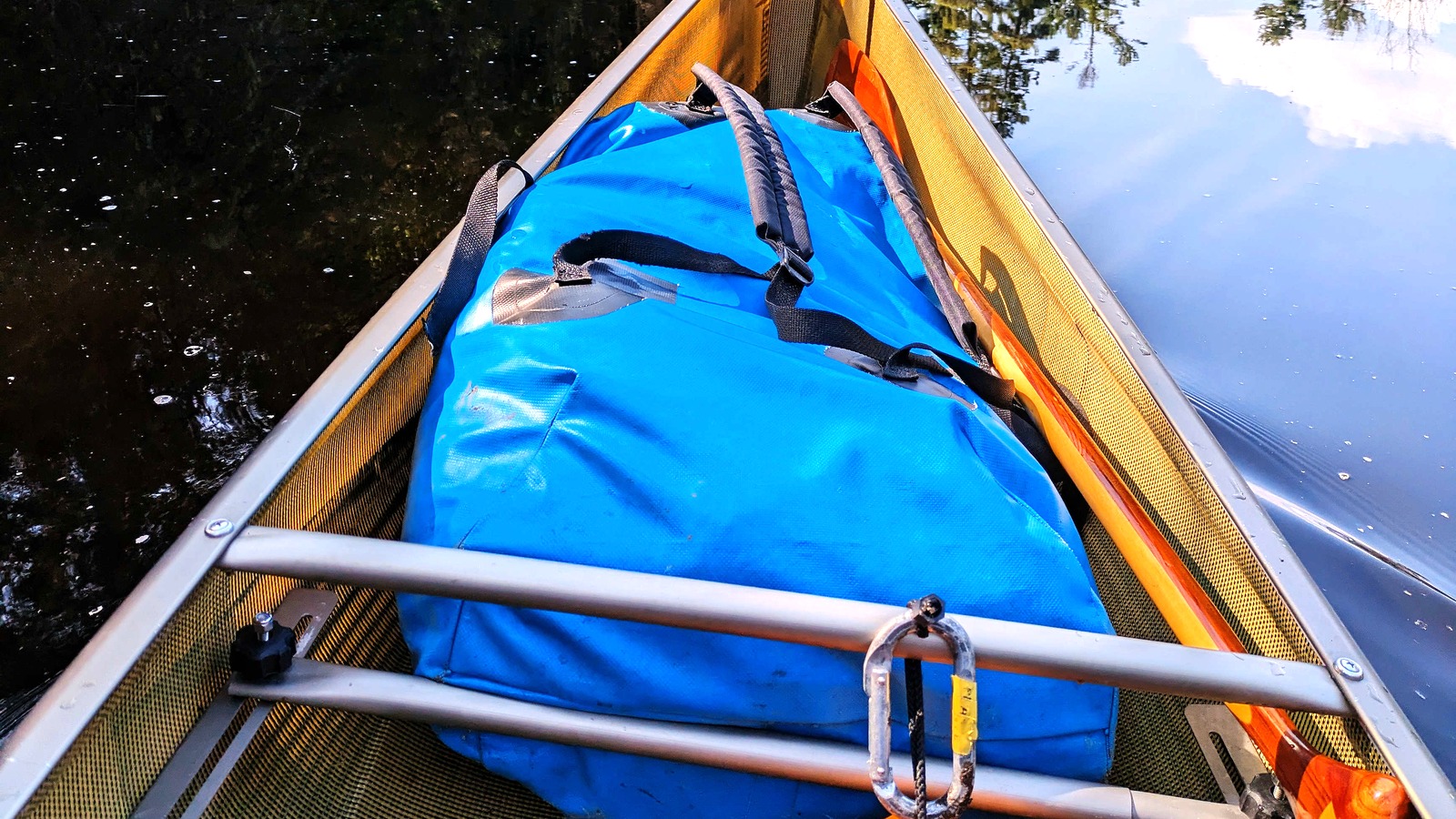
Drybag in a canoe; MJPlante1 / Wikimedia Commons; CC BY-SA 4.0; cropped and brightened CC BY-SA 4.0 license
Dry Bags in Context
Category context, not a cleaning or waterproofness demonstration
Real dry bags appear at a 2023 diving exhibition and in a canoe in 2024.
Neither photo demonstrates cleaning, endorsement, or waterproof performance.
Start with the exact bag, not the category name
Identify the maker, full product name or style, care label, named coating or seam construction, and closure before adding water. A roll-top sack, tape-sealed stuff sack, and waterproof-zipper duffel may all be sold as dry bags yet have different limits, so keep the matching label and maker instructions with the item; if its identity is unclear, pause and ask the maker rather than borrowing a method.
Find related equipment and packing guides in our Travel Gear section.
Empty it and prevent grit from spreading
Remove the contents and only those accessories the exact instructions say can detach, then shake out loose debris without rubbing sand into the coating, seam tape, or closure. The next step may be a rinse, wipe, or named tool, but use only the method that product permits; do not escalate to abrasive tools or stronger water pressure simply because dirt is stubborn.
Choose a cleaning route from the named model
Use the comparison table as examples of why the model matters, not as a substitute for finding your own label; different makers give different directions even for bags sold for similar wet conditions, so match the care page to the full product name, then follow only its cleaner and cleaning method; if instructions conflict, confirm with the manufacturer before combining steps. ORTLIEB Dry-Bag Care and Use Instructions supplies only its own cleaning route.
Keep cleaners and treatments model-specific
Keep SealLine's preservative exception tied to its coating and ask the maker after unknown chemical contact; a household cleaner, solvent, alcohol, bleach, repellent, spray or zipper lubricant is not automatically permitted. SealLine Dry-Bag Cleaning, Maintenance, and Storage keeps its coating-specific treatment limits separate.
Clean the closure without turning care into a test
Follow the exact maker's steps around the opening, seams, and closure, and do not force a zipper or rub grit into a roll-top. This page does not ask you to fill, inflate, squeeze, submerge, or pressurize a bag to check for leaks; cleaning can remove soil but cannot establish an IP rating, seal condition, or suitability for protecting a particular item.
Dry the inside as carefully as the outside
Follow the permitted drying method, checking the interior, folds, seams and closure instead of relying on the outer panel; Sea to Summit forbids dryers for tape-sealed sacks, while YETI requires its Panga zipper to stay open and other models need their own instructions. Sea to Summit Caring for Your Gear keeps tape-sealed sacks out of dryers.
Follow the storage position for that construction
Store the bag completely dry, then follow its stated shape, light protection and closure position; ORTLIEB forbids rolled or folded storage for its dry bags, while YETI Panga's open-zipper instruction belongs only to that duffel. YETI Panga Dry Bags Owner's Manual supplies the duffel-specific drying route.
Stop for damage, missing instructions, or a persistent problem
If you see a lifted seam, flaking or sticky coating, puncture, torn fabric, or closure that does not move normally, do not escalate to stronger chemicals, improvised patching, or a water test. Record the model and visible symptom, keep the bag out of a role that depends on it protecting contents, and contact the maker or authorized service; this guide does not repair a bag or certify waterproofness.
Keep a short care record for the next trip
Save the product name, label photo, permitted cleaner, drying route, and storage position in a note with the bag; add any support reply about a stain or damage so the next trip does not start with a remembered rule from another construction; if the bag or label is uncertain, confirm instructions before using it for a wet trip.
Planning traps
Mistakes to avoid
These are the small decisions that quietly derail an otherwise good plan.
Confirm the exact maker, model, material, seam, and closure before using a cleaner or storage method.
Use a tool or treatment only where the matching product instructions permit it.
Check the inside, folds, pockets, seams, and closure after the maker's drying stage.
This procedure does not test a seal or establish a bag's performance.
Stop routine care and ask the maker about the exact model and symptom.
Sources checked
Official and supporting references
Use these references to verify the factual guidance and recheck details that can change.
FAQ
Common planning questions
Can I put a dry bag in a washing machine?
Can I use dish soap, vinegar, bleach, or a waterproofing spray?
Should a dry bag be stored rolled up?
Does cleaning prove that a dry bag is still waterproof?
What should I do if the care label is missing?
Continue planning