
Deep Arrival original editorial illustration
Pack Type Comparison
Daypack vs Backpack: Choose by Load and Trip
A daypack is a type of backpack built mainly for activities measured in hours. In this comparison, backpack means a backpacking pack for overnight or multiday loads. Choose between them only after listing the gear, water, food, layers, and safety items the trip requires.
A daypack is a type of backpack built mainly for activities measured in hours. In this comparison, backpack means a backpacking pack for overnight or multiday loads. Choose between them only after listing the gear, water, food, layers, and safety items the trip requires.
Fast read
What matters first
Use this summary to identify the checks that matter before you act.
Activity measured in hours
Start with a daypack when the complete load fits, the suspension supports it, and the pack fits the wearer
Overnight or multiday trip
Start with a backpacking pack when shelter, sleep gear, food, and added water create more bulk or weight
Air travel
Measure the filled pack and verify the operating airline's current item count and size rules
Decision system
The planning sequence
Use the sequence below to make the decision in a clear order.
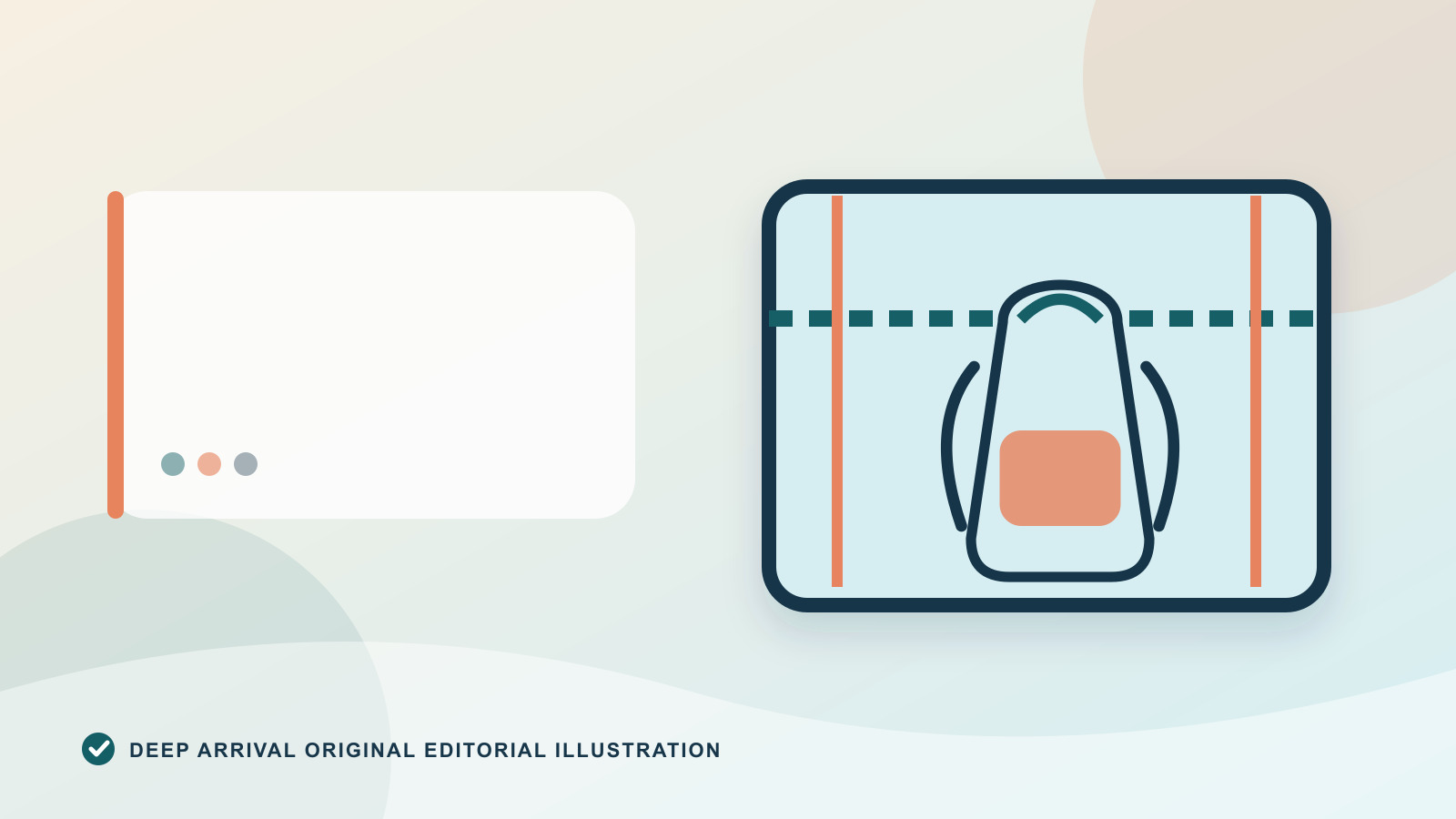
Compare the Loaded Shapes
Let the complete load reveal which pack category fits
Place the same day trip essentials beside the daypack and backpacking pack. Then add shelter, sleep gear, and overnight food only to the multiday load so the real difference is visible.
The useful comparison is not the empty shell. Show where the load sits, how much structure supports it, whether needed items remain accessible, and how the filled exterior changes.
Use the terms precisely
A daypack is not the opposite of a backpack. It is a backpack intended mainly for activities measured in hours, with capacity and features that vary by activity. REI's current daypack guide describes the category by intended use, gear capacity, features, and fit rather than by a single mandatory shape.
For a useful daypack vs backpack decision, this page uses backpack as shorthand for a backpacking pack designed for overnight or multiday gear. State that comparison at the start so readers do not confuse a daypack with school, commuter, travel, or hydration backpacks. Product names remain inconsistent, so the complete load and trip are stronger evidence than the label alone. The REI Daypack Selection Guide supports defining the daypack by an hours-long activity and then choosing features around the actual load.
Build the load before choosing capacity
Begin with what the trip actually requires. List water, food, layers, navigation, sun protection, illumination, first aid supplies, repair items, emergency shelter, and activity specific equipment as conditions demand. For an overnight trip, add shelter, a sleep system, added meals, and any cooking or water treatment equipment that the plan requires.
Lay everything out, then measure its bulk and weight before shopping or selecting a pack. This prevents a large empty bag from inviting unnecessary items and a small bag from forcing out essentials. There is no universal safe pack weight in the cited sources. The evidence supports matching equipment and tasks to the person and reducing awkward posture, excessive force, and poorly controlled loads, not prescribing a medical percentage. The REI Backpacking Pack Selection Guide connects overnight capacity and suspension choices to trip length and load.
Match trip length and conditions to usable space
REI's current guides describe daypacks as commonly ranging from about 5 to 40 liters, while backpacking packs commonly start near 45 liters and can extend to about 80 liters. These are useful orientation ranges, not category laws. Weather, water availability, specialized equipment, group responsibilities, and the compressibility of the load can move a trip outside the expected range.
Usable space matters more than a printed volume alone. Curved frames, hydration sleeves, pockets, dividers, and narrow openings change what fits. Pack every nonnegotiable item and close the bag without straining seams or blocking access. A minimalist overnight load may fit some larger daypacks, but that possibility does not make every daypack suitable for every overnight route or condition. The National Park Service Ten Essentials shows why the complete safety load matters even on a day outing.
Match structure and fit to carried weight
Daypacks range from flexible frameless shells to designs with framesheets or internal structure. Backpacking packs generally add more substantial structure and hipbelt support for larger overnight loads. Structure is useful only when it matches the load and the wearer, so an empty try on cannot establish how the pack will carry on the trip.
Use the maker's fitting method and start with torso length where the design provides torso sizing or adjustment. Load the pack realistically, center dense items close to the body, tighten straps evenly, and check for sway, concentrated pressure, or a pack that pulls backward. CDC and NIOSH ergonomics guidance is occupational, so use it only for the general principles of fitting tasks to people and recognizing force, carrying, and awkward posture as risk factors. The CDC NIOSH Ergonomics Overview identifies load, posture, duration, and frequency as relevant carrying factors.
Choose access and organization for the activity
A daypack often prioritizes quick access to water, snacks, a shell, or activity tools. A backpacking pack must organize larger systems such as sleep gear, shelter components, food, and layers while keeping the load stable. Neither approach is automatically better. The right openings and pockets follow the order in which the reader will need the contents.
Divide the load into frequent access, emergency access, and destination access groups. Confirm that a water bottle, rain layer, navigation tool, and first aid supplies can be reached without unpacking the entire bag. Then check that pockets do not pull weight far from the body or leave critical items unsecured. Organization should make the planned load easier to carry and use, not compensate for choosing too little or too much capacity.
Plan outdoor readiness with the Ten Essentials
The National Park Service presents the Ten Essentials as categories that can help with minor injuries, sudden weather changes, and unexpected emergencies. The exact contents still depend on the activity, location, forecast, duration, and people involved. Use the categories to test whether a daypack leaves enough space for the plan rather than reducing them to a fixed shopping list.
A short outing can still require meaningful water, sun protection, insulation, navigation, illumination, first aid supplies, fire, repair tools, nutrition, and emergency shelter. Check the specific park's alerts and guidance before departure. If the full condition appropriate load overwhelms the daypack or carries poorly, move to a more supportive pack or change the plan instead of removing preparedness items solely to preserve a smaller category.
Verify cabin rules and repeat the loaded check
A daypack may be easier to use as cabin baggage, but the category name does not create an allowance. The FAA tells travelers to check with the airline for the number and maximum size of carry on items. Measure the closed, fully packed exterior at its furthest length, width, and depth, including wheels, handles, pockets, or rigid frame parts that do not compress.
Check the operating carrier, each flight segment, and the purchased fare before departure because airline rules can differ and change. Do not promise that a soft bag will be accepted because it can be squeezed while empty. After the size check, repeat the loaded fit test by walking, turning, bending, sitting, and climbing stairs so the final choice works for both the trip and the transit to it. The FAA Carry On Baggage Tips confirms that airline limits must be checked separately from outdoor pack labels.
Planning traps
Mistakes to avoid
These are the small decisions that quietly derail an otherwise good plan.
A daypack is one kind of backpack. Define backpack here as a backpacking pack for overnight or multiday loads.
Build the condition appropriate load first, then choose enough usable capacity and support for it.
Load the actual gear, adjust the pack to the wearer, and check stability, access, and pressure in motion.
Measure the filled exterior and verify the operating airline's current rules for every flight segment.
Sources checked
Official and supporting references
Use these references to verify the factual guidance and recheck details that can change.
FAQ
Common planning questions
Is a daypack the same as a backpack?
What size daypack do I need?
Can I use a daypack for an overnight trip?
Is a backpacking pack better for a heavy load?
Can a daypack count as a personal item on a plane?
Continue planning