
COLLAPSIBLE WATER BOTTLES / THE TRAVEL EDIT
4 Collapsible Water Bottles (2026): Flask or Reservoir?
Choose how you will drink or pour before comparing empty packed size.
Four flexible water-carrying formats, from a small soft flask to a two-liter reservoir. These containers do not treat untreated water on their own.
As an Amazon Associate, Deep Arrival earns from qualifying purchases. Prices and availability are shown at the retailer. Our research reviews use published sources; no hands-on comparison test is claimed.
THE SHORTLIST
Compare collapsible water bottles
Compare features, fit and what to check before buying.
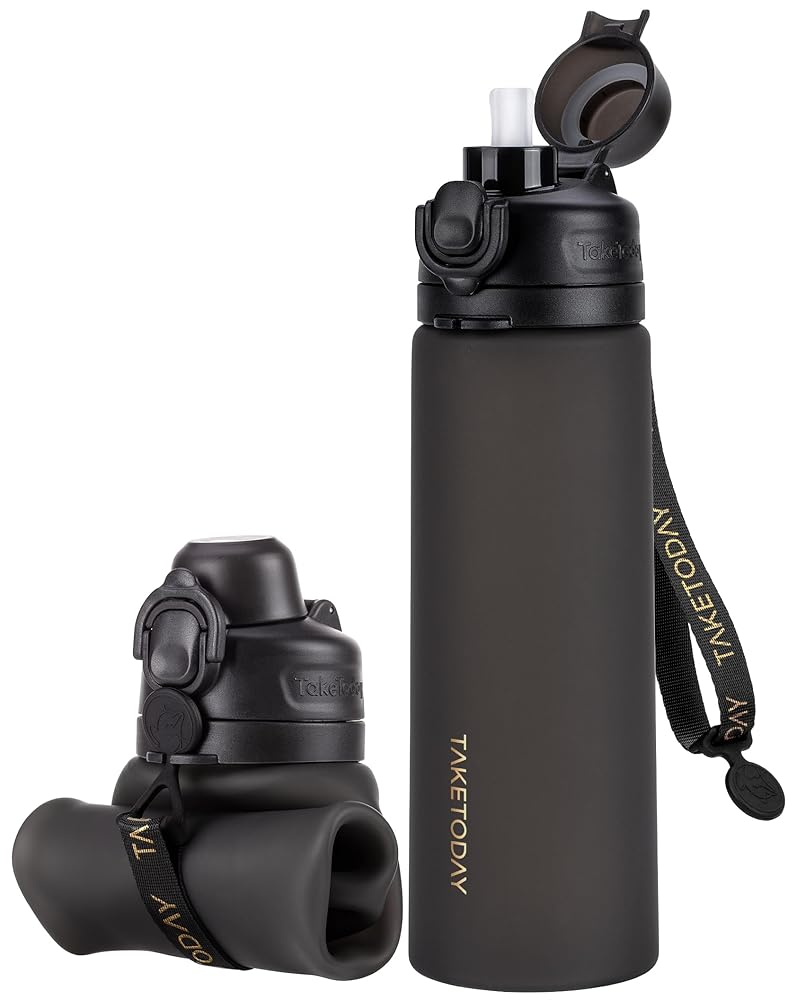
TakeToday Silicone Collapsible Bottle
Travelers wanting a soft bottle that folds down after drinking.
600 ml / 21 oz · Platinum silicone, per listing
Check price at AmazonProduct details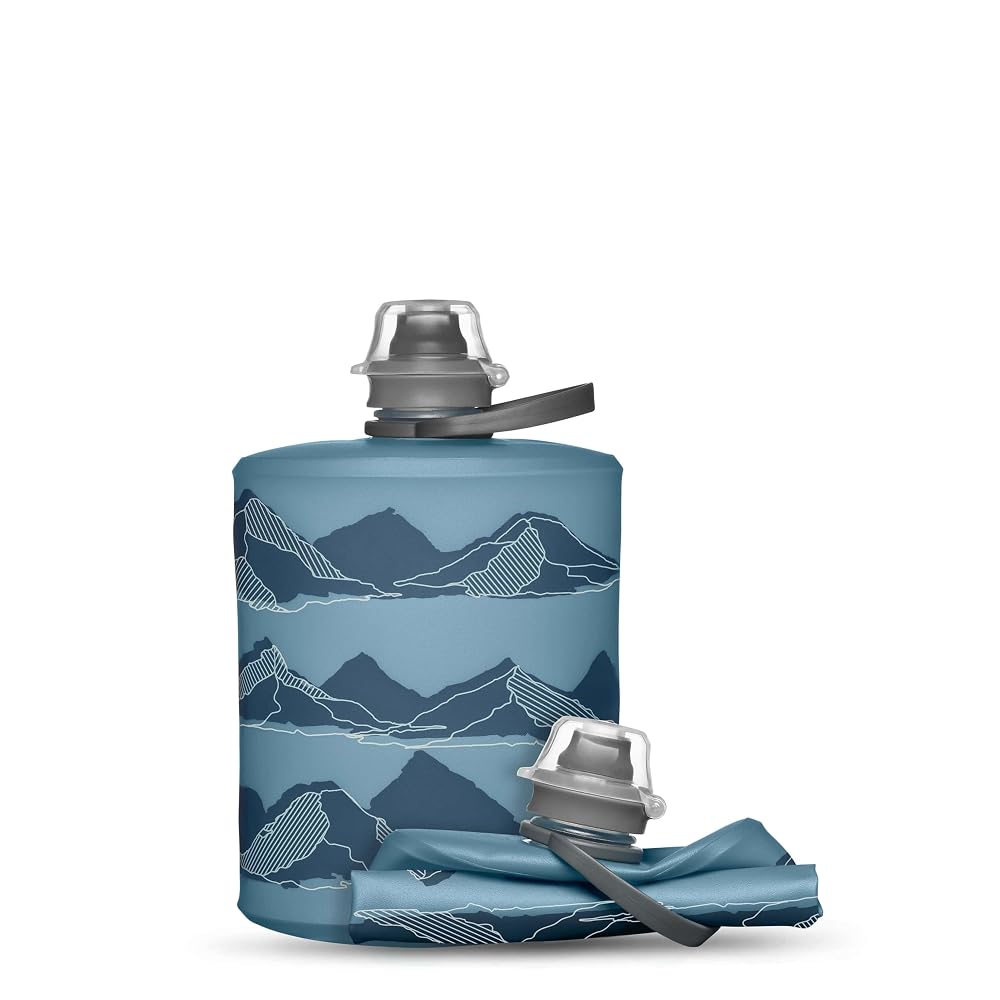
HydraPak Stow Collapsible Bottle
Travelers wanting a flexible bottle that flattens and rolls when empty.
Flexible TPU · Covered self-sealing nozzle
View redwood 1L on AmazonProduct details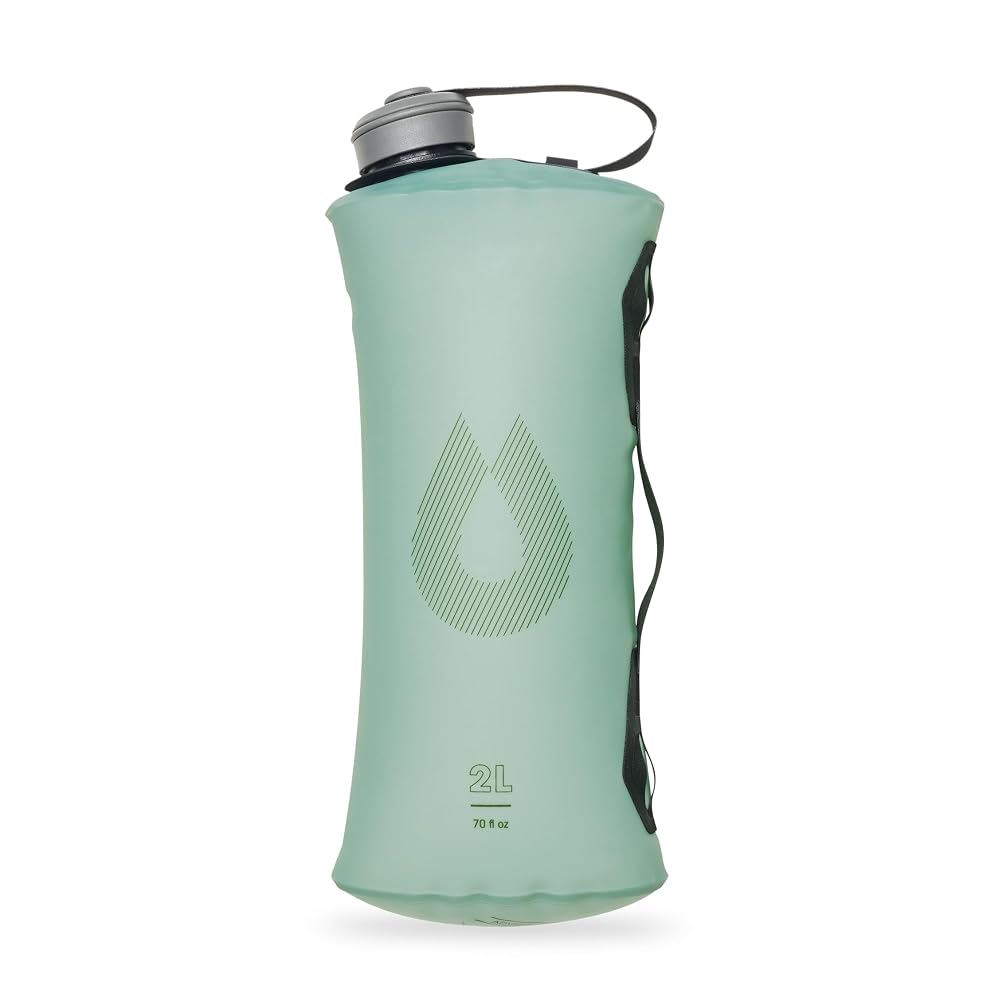
HydraPak Seeker Two-Liter Reservoir
Campers needing more water storage than a small sipping bottle.
2 L · Flexible TPU
View grey 2L on AmazonProduct details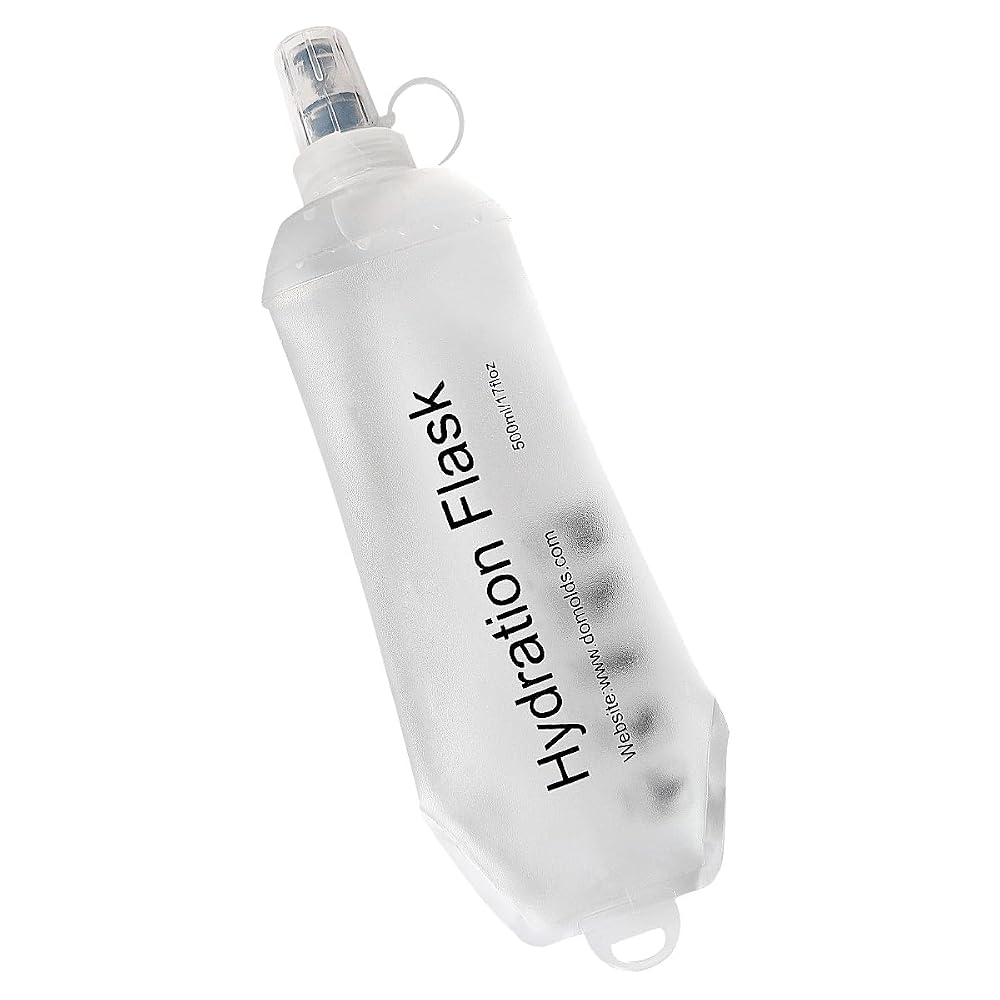
WILDREEDS 500-ml Soft Flask
Travelers using a compatible hydration-vest or soft-flask pocket.
500 ml · TPU
Check price at AmazonProduct detailsYOUR TRIP, YOUR PRIORITY
Choose the feature you need
Choose your priority to narrow the shortlist.
Select a priority for a focused shortlist.
THE DETAILS THAT MATTER
Collapsible water bottles reviews
Key features, fit and useful limits for each pick.
01 / 600-ml folding bottle
TakeToday Silicone Collapsible Bottle
Our research review
The folding silicone body saves space after the water is gone, while the straw and strap keep the drinking setup familiar. Its 600-milliliter selection is a different job from the larger Seeker reservoir. Check whether a soft body works with your bag pocket and cleaning routine. Empty-space savings should not be confused with insulation or water-treatment capability.
TakeToday is the silicone, straw-and-screw-lid format to compare when that drinking arrangement is the preference. Confirm the selected 600-ml version and assess the filled shape in the intended bag. Its folded body can reduce stored bulk, while closure use, material claims and care remain tied to the actual product’s instructions.
- Selected capacity
- 600 ml / 21 oz
- Body
- Platinum silicone, per listing
- Drinking setup
- Straw and screw lid
- Carry
- Strap
Choose it forTravelers wanting a soft bottle that folds down after drinking.
Before you buyConfirm the selected capacity and lid. Leak resistance, material and cleaning claims depend on correct use; the bottle does not filter untreated water.
Sources
Source-based editorial assessment; no hands-on product test. Exact linked selection and published specifications checked October 15, 2026. Retailer ratings may combine variants.
02 / Flat pocket-carry format
HydraPak Stow Collapsible Bottle
Our research review
The Stow’s flattened shape and covered nozzle make it a pocket-oriented alternative to a round silicone bottle. Its bail handle also helps with carrying and filling. The maker lists compatibility with certain 28-millimeter filter systems, which is a connection specification rather than included water treatment. Choose the actual capacity first and compare its full shape with the pocket where it will travel.
Stow is relevant when a flexible bottle with a covered nozzle and bail handle suits the travel routine. Confirm the exact capacity selected from the listing and the compatible accessory details if a filter connection matters. A family of available sizes and a stated connection do not establish that every package includes the same contents.
- Body
- Flexible TPU
- Cap
- Covered self-sealing nozzle
- Carry
- Flexible bail handle
- Filter connection
- 28-mm compatible systems
Choose it forTravelers wanting a flexible bottle that flattens and rolls when empty.
Before you buyThe listing combines several capacities; confirm your selection. Filter compatibility does not mean a filter is included or that untreated water becomes safe.
Sources
Source-based editorial assessment; no hands-on product test. Exact linked option and published feature claims reviewed October 18, 2026. Historical retailer references keep their original collection date and may combine variants.
Selected model and option checked October 18, 2026. Mammoth Redwood; 1 liter. Numeric Amazon references retain their original collection date and listing scope.
Amazon option: Mammoth Redwood, 1 liter.
03 / Larger camp water storage
HydraPak Seeker Two-Liter Reservoir
Our research review
The selected two-liter Seeker is the larger-volume option, useful for carrying camp water or pouring into another vessel. A wide opening and lash points support that role. It packs down when empty, but a full reservoir still weighs what the water weighs. Check the selected size, closure and any separately required filter rather than transferring Stow’s nozzle or thread specification.
Seeker is the larger reserve-storage choice in this comparison, with its own two-liter capacity and 42-mm opening. Compare the filled reservoir and its handle or lash-point arrangement with the actual carrying task. Keep any filter accessory separate unless the selected package explicitly includes the correct compatible item and its instructions.
- Selected capacity
- 2 L
- Body
- Flexible TPU
- Opening
- 42 mm
- Carry
- Handle and lash points
Choose it forCampers needing more water storage than a small sipping bottle.
Before you buyThis is a reservoir format with a wider opening, not the same drinking setup as Stow. Compatible filter accessories are separate unless explicitly included.
Sources
Source-based editorial assessment; no hands-on product test. Exact linked option and published feature claims reviewed October 18, 2026. Historical retailer references keep their original collection date and may combine variants.
Selected model and option checked October 18, 2026. Mammoth Grey; 2 liters. Numeric Amazon references retain their original collection date and listing scope.
Amazon option: Mammoth Grey, 2 liters.
04 / Running-vest flask format
WILDREEDS 500-ml Soft Flask
Our research review
The bite valve and soft-flask shape suit a close-fitting hydration pocket more than a freestanding bottle position. At 500 milliliters, it carries less than the larger reservoir and can compress as it empties. Confirm the cap and vest fit before the trip. The retailer’s temperature and leak claims are not an independent performance test, so follow the actual product instructions.
WILDREEDS is a small soft-flask choice for a suitable pocket or vest arrangement. Check the actual filled fit, bite-valve access and closure instructions before choosing it for that role. Its capacity and opening measurement help identify the version, while compatibility, leakage and maintenance still need their own practical assessment.
- Capacity
- 500 ml
- Body
- TPU
- Opening
- 20 mm, per seller
- Valve
- Bite-style drinking valve
Choose it forTravelers using a compatible hydration-vest or soft-flask pocket.
Before you buyCheck pocket size, valve use and cleaning directions. This small flask is not a filter, insulated bottle or guaranteed leak-free container under pressure.
Sources
Source-based editorial assessment; no hands-on product test. Exact linked selection and published specifications checked October 15, 2026. Retailer ratings may combine variants.
PUT THE CHOICE IN CONTEXT
Choose for the way you travel
An everyday bottle that takes less room when empty
Start with the normal drinking routine and the place the bottle will be carried while filled. Compare TakeToday’s straw-and-lid setup with Stow’s covered nozzle using the actual bag pocket and refill plan. Confirm the selected Stow capacity so that its full size is part of the comparison, rather than relying on the product family’s shared name.
Then check how the container is stored when empty, keeping the cap, straw or other relevant pieces together. Choose the flexible format because that change in stored shape solves a real space problem. The decision still needs to include ordinary filled access and the maker’s cleaning routine. A compact empty photograph cannot show how well the complete bottle will fit your particular daily arrangement.
A camper choosing a larger reserve container
The two-liter Seeker is the specific reservoir format in this shortlist. Compare its capacity, wide opening, handle and lash points with the storage task you actually need to cover. Decide how the water will be obtained, carried and accessed using appropriate equipment, without assuming that a larger volume automatically serves as the most convenient sipping bottle.
Keep any compatible filter accessory and its conditions as a separate system check. Confirm whether an accessory is included or must be obtained separately, and use the exact compatible connection rather than transferring Stow details to Seeker. Choose the reservoir when a larger flexible storage container has a defined role in the travel kit, with the filled carrying arrangement and care requirements understood.
A small flask for a compatible pocket or vest
WILDREEDS is the smaller bite-valve option for a shopper with a suitable soft-flask pocket in mind. Check the actual filled dimensions and valve access against that pocket, including the equipment you normally wear. The stated 500-ml capacity identifies the storage volume; it does not establish that every hydration vest or travel bag is compatible.
Learn the normal valve and closure operation before the trip, and keep the maker’s cleaning and storage instructions available. Choose this format because the drinking arrangement works with the actual carrying equipment. If the need is a larger reserve container or a different lid preference, compare Seeker, Stow or TakeToday on that specific role rather than asking one small flask to cover every task.
BEFORE DEPARTURE
Put the choice into practice
Write down the complete selected version
Record the actual capacity, lid or valve and included accessories on the product option you intend to buy. This is especially useful for Stow, where one listing can present several sizes. Check the TakeToday lid selection and keep Seeker’s two-liter reservoir identity distinct from other members of the same maker’s range.
If filter compatibility is central to the purchase, record the exact connection and the separate compatible accessory as well. A product-family name is not a complete specification. This short equipment record makes the later packing and use checks more meaningful and helps prevent a retailer-review count that combines variants from being mistaken for confirmation of the exact selected setup.
Try the realistic filled carrying arrangement
Use the container in an appropriate ordinary setting and check how its filled body fits the bag, vest or pocket intended for the trip. Assess access to the valve or lid, how the cap is protected and whether the complete load remains manageable. Follow the selected maker’s normal use directions throughout that familiarization.
This is a personal compatibility check, rather than a maximum-pressure or durability test. It can reveal a pocket that is too narrow or a drinking format that is inconvenient before departure. The useful result is knowing that the actual selected version works with your own equipment, with no assumption that every size or similar-looking soft flask will behave identically.
Check refill access and closure parts
Look at the selected opening and the water source you intend to use. A wide reservoir mouth, covered nozzle and straw lid create different ordinary handling sequences. Learn how the closure is opened and secured, and keep any removable pieces accounted for according to the maker’s instructions.
Check whether the complete arrangement is practical in the places where you expect to refill. Do not force an accessory onto a different thread or assume that an opening measurement alone establishes compatibility with every filter or cap. Choose the format whose normal handling you can manage without turning a simple water container into an improvised equipment system.
Plan the empty-bottle part of the journey
After the maker’s appropriate emptying and care steps, use the intended folding, flattening or rolling method and try that stored shape in the actual bag. Keep the lid, valve and strap arrangement together. Include any separate accessory in the space calculation rather than comparing the flexible body alone.
If the container will pass through a security checkpoint or another controlled transport setting, check the operator’s current conditions for the actual contents and equipment. The flexible shape does not by itself determine acceptance. Keep that transport question separate from how much space the bottle takes after a drink, so that the packing benefit remains a practical observation rather than a policy assumption.
Make cleaning and drying part of the kit
Read the current instructions for the selected material, cap, straw or bite valve before deciding which cleaning supplies or facilities the trip needs. Use the stated method for that actual product rather than borrowing dishwasher, heat or chemical assumptions from another flexible bottle. Check how the maker specifies storage between uses.
A simple container can still have several small parts that need an understandable routine. Choose a format you can maintain appropriately throughout the itinerary, and account for every part when repacking. The comparison does not provide a hygiene, leak-resistance or material-certification test; it helps identify which documented construction and care arrangement may fit your own travel system.
Keep the reserve-storage and drinking roles clear
If more than one container travels with you, assign each a specific function. A small accessible flask and a larger reserve reservoir may serve distinct tasks, while two similar bottles may simply duplicate the same need. Compare their actual filled loads, empty stored shapes and required care before deciding how many pieces belong in the kit.
Choose the arrangement around known refill access and the user’s own requirements rather than a generic rule that every trip needs the largest volume. The two-liter Seeker has a different carrying role from the 500-ml flask, and the straw and nozzle bottles offer different direct-drinking routines. A clear division of tasks makes those differences useful without inventing a universal hydration recommendation.
Decide what empty-space savings are worth to you
Choose a flexible container because reducing the stored bulk has a clear benefit in your own bag. Then check the ordinary requirements you still want it to meet: convenient drinking, appropriate filled support, a usable opening and manageable cleaning. A collapsible body is one design choice among those requirements, rather than a reason to assume every other feature follows.
If maintaining a particular drink temperature is central to the purchase, investigate suitable insulation separately instead of assigning that function to an uninsulated flexible flask. If the bottle must stand in a particular place, assess the selected filled container in that normal arrangement using its instructions. If it must fit a vest, check that actual pocket.
This makes the tradeoff concrete. The useful purchase is the bottle, reservoir or flask whose empty packing advantage supports an otherwise workable drinking system. Keep any important requirement unresolved until the selected model’s documentation or an appropriate personal fit check addresses it.
Evaluate the purchase through ordinary use
After a normal trip, note whether the flexible body saved useful space, whether the lid or valve was convenient and whether the selected capacity suited the carrying arrangement. Identify any accessory that was difficult to maintain or a pocket that did not fit the full container comfortably.
Keep those observations specific to the actual product version and your equipment. They can guide a future purchase without becoming a controlled comparison of leakage, filtration, material safety or insulation. Maintain the container according to its directions before the next journey, and reassess any changed refill, transport or accessory requirement rather than assuming the previous itinerary’s arrangement applies unchanged.
AVOID THE WRONG PURCHASE
Three mistakes worth avoiding
Assuming a filter is part of the bottle
Compatibility describes a connection, not supplied treatment or safe water from any source.
Treating a reservoir as a one-handed sipping bottle
The larger Seeker has a different opening and pouring role from the small Stow or soft flask.
Packing a soft bottle under heavy compression
Check closure and pocket fit; leak-resistant wording is not a guarantee under every pressure or carrying condition.
DECISION MADE EASIER
Your fastest route to a shortlist
OUR REVIEW METHOD
Published facts. Clear tradeoffs.
We compare exact linked models, selected variants and the job each product serves. Product-source links beside each research review let you check the published specifications and limitations.
This guide uses source-based editorial research and attributed customer references. Deep Arrival has not performed a hands-on comparison test. Check the selected product and retailer terms before purchasing.
DA Score combines the retailer customer-rating reference, checked October 14, 2026, with ratings submitted on Deep Arrival. The reference carries a fixed weight of five; each reader vote carries one. This reference weight does not create reader reviews. One current vote per product is saved in the same browser, and changing it replaces that vote. Retailer totals remain separate and may include product variants. Reader votes are not verified purchases. Our research reviews remain separate from DA Score.
BEFORE YOU PACK
Your questions, answered
Which selection holds the most water?
The selected HydraPak Seeker is two liters. It is a reservoir format, compared separately from the smaller drinking bottles and soft flask.
Does the HydraPak Stow include a water filter?
No filter is established as included here. The listing describes compatibility with certain 28-millimeter filter systems; check the actual accessories separately.
Do Stow and Seeker use the same opening?
No. The Stow lists a 28-millimeter filter connection and the selected Seeker uses a 42-millimeter opening. Confirm the exact accessory interface before buying.
Which one suits a soft-flask pocket?
The WILDREEDS selection is a 500-milliliter soft flask with a bite-style valve. Compare its full dimensions with the actual vest or pocket.
Can I rate a product I have used?
Yes. Tap one to five stars beside a product, including the featured product at the top. Your rating contributes to DA Score and can be changed in the same browser. Retailer reference counts stay separate from reader votes.
CONTINUE PREPARING
Build the rest of your travel kit
Six related guides for the next useful packing decision.