
Tokyo and Kanagawa, Japan · Planning your visit
YomiurilandPlanning guide
Start with the experience the group wants most: outdoor rides, hands-on Goodjoba activities, an evening of lights or a separately ticketed Pokémon visit. Yomiuriland can support very different days, but the ticket, arrival route and finish time need to fit the same plan. This guide uses official information checked on October 22 and 23, 2026; seasonal programs and ride availability need a final check for the actual visit date.
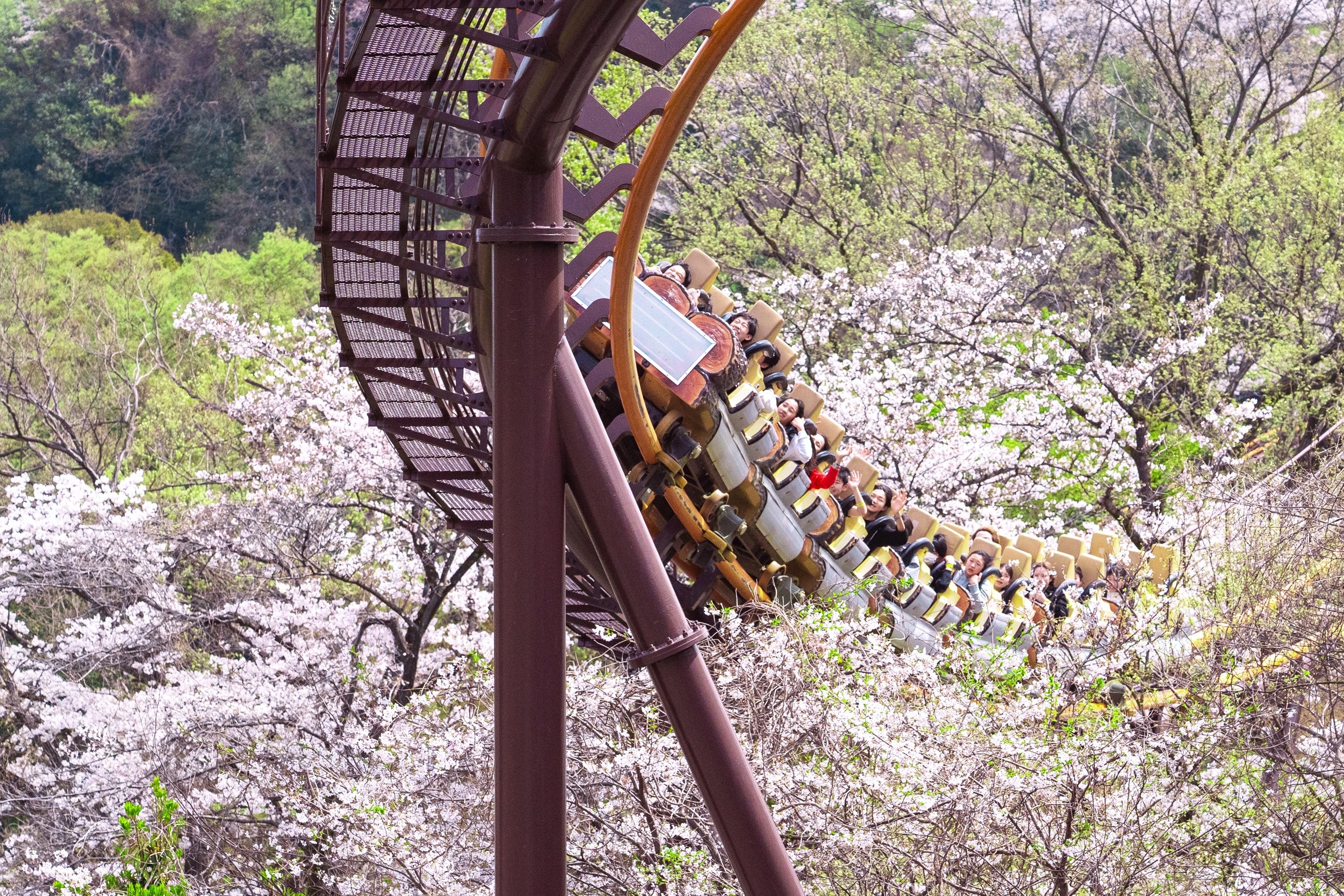
The trip at a glance
Choose the main experience, then protect time for it.
A full park day is the most flexible first-visit plan. An afternoon visit can suit a smaller ride list or an illumination evening. Treat PokéPark KANTO as its own booking decision, and distinguish the two railway stations before setting out.
01 / Start hereChoose the kind of Yomiuriland day you want.
A park with several different reasons to visit
Yomiuriland is an amusement park in the Tama area on the Tokyo and Kanagawa side of the metropolitan region. Its official attraction directory combines major outdoor rides, smaller family attractions and Goodjoba, where rides and workshops use manufacturing themes. The right starting point is the group’s interests rather than an attempt to complete the directory. Ask each person to choose one experience that would make the outing worthwhile. A family may identify a first small coaster and a craft activity; a pair of adults may choose Bandit and an evening walk. Those choices are more useful than a long list with no priorities.
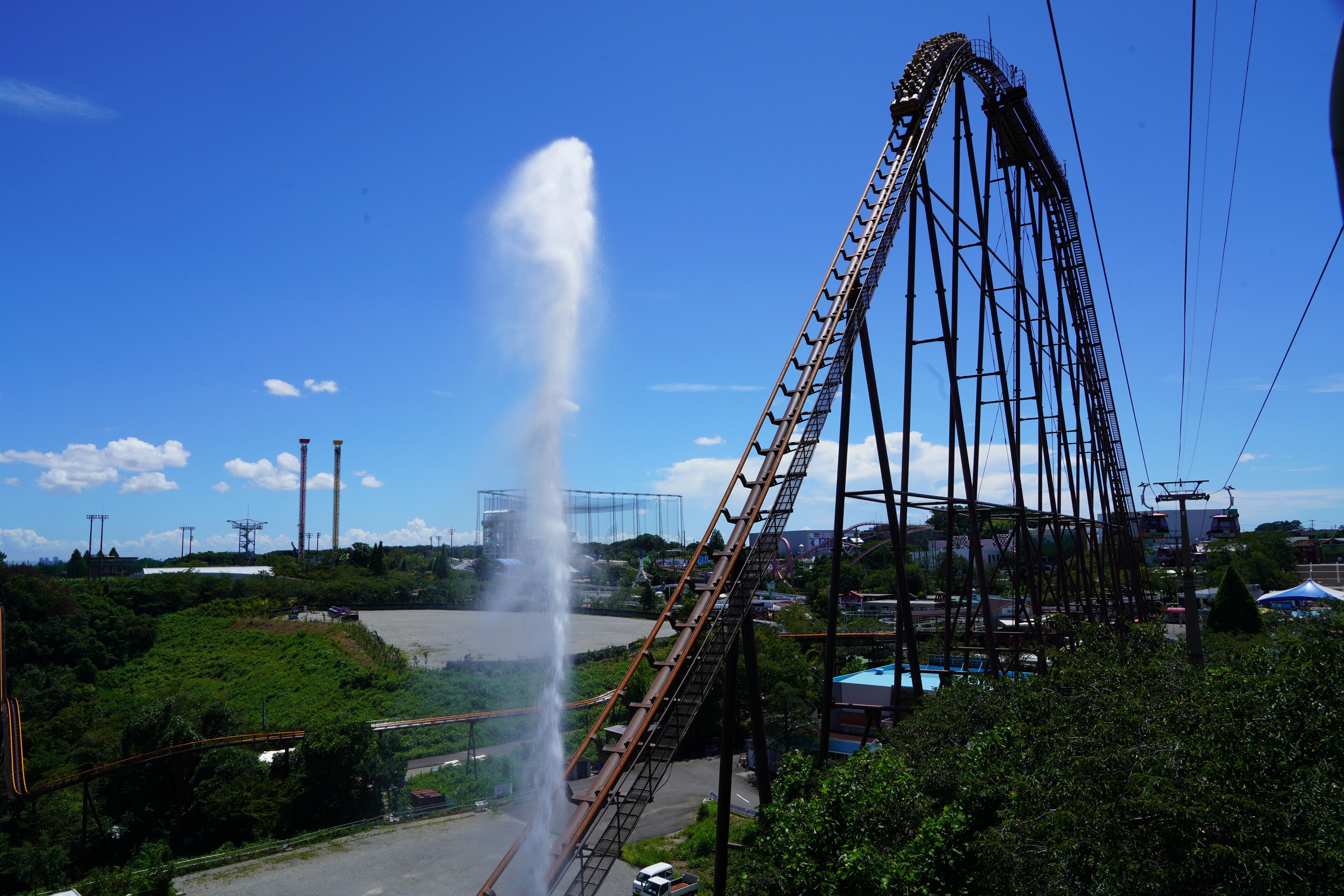
Allow one main plan and one optional extension
For a first amusement-park visit, reserve a full day in the wider Tokyo itinerary if possible. That is a planning recommendation, not a measured minimum visit time or a promise that every ride will fit. A shorter afternoon can work when the group accepts a smaller selection. Keep any evening extension conditional on energy and the actual operating calendar. Making the final two hours optional is especially helpful after a long journey or with children who have not visited a large outdoor park before. Avoid stacking another distant attraction into the same day merely because both appear on a Tokyo map.
Do not confuse the different admissions
Goodjoba belongs to the amusement-park experience, while PokéPark KANTO has its own ticket products and conditions. Nearby HANA・BIYORI and the seasonal swimming facilities also need attention to the precise inclusion being purchased. Put the names of the intended places beside each traveler’s ticket before payment. This small check is particularly useful for groups buying through different sellers or combining a promotional offer with an ordinary park pass. A photograph of an attraction on a sales page does not establish that it is included in that product.
02 / 2026 updatesCheck the 2026 changes before building a ride list.
CAR factory is scheduled to reopen on October 29
The operator’s September 14 announcement sets October 29, 2026 as the planned CAR factory reopening date. As of this guide’s October 23 check, that date is still ahead. The earlier maintenance notice lists Custom Garage, My Racing, ev Grand Prix and Driving Lab as closed from September 4 until late October, with Spin Drive specifically excepted. If the car experiences are the main reason for the trip, verify the latest notice and that day’s operation before committing to the visit. An announced reopening date does not establish that every attraction will operate throughout the day.
Use current attraction names
The October directory identifies U.F.O. Sauce Shooting as a July 17, 2026 opening and Splash U.F.O. as renewed on the same date. Older Goodjoba descriptions may refer to a different Food factory lineup. Search the exact current attraction name when checking restrictions, rather than carrying an old map or review forward unchanged. This also helps when using translated pages, where a familiar English nickname can conceal a different experience. The park’s official directory is the useful starting point for deciding what to investigate; individual ride pages and operating notices settle the details.
Separate maintenance from the day’s operating status
The official website links both a maintenance list and current attraction wait and operating information. Save those links before traveling. A scheduled inspection can affect only part of a day, while weather or technical conditions can change after arrival. Choose a replacement for each essential ride so the plan survives one closure. Do not convert a past visitor’s report of light crowds into a prediction for the chosen date. The practical goal is to reduce avoidable backtracking and disappointment, not to guarantee a specific number of rides.
03 / TicketsChoose tickets from a realistic ride list.
Admission, ride passes and an afternoon option
The official ticket page distinguishes admission-only entry, a One-Day Pass covering eligible attractions, and an After Pass beginning at 15:00 on specified dates. Exclusions apply. At the October 22 check, the adult official online One-Day price was ¥5,500 and admission-only was ¥1,600, compared with ¥5,900 and ¥1,800 at the regular rate. These are dated examples for adults aged 18 to 64, not a promise of the price for a later booking. Compare the exact product, visit date, age category and purchase conditions before paying.
Compare what each person will actually use
For an admission-only plan, add the individual prices of the eligible rides each traveler genuinely wants. Compare that total with the relevant pass difference. A nonriding companion and a coaster enthusiast need not reach the same answer. Include any required accompanying adult in the calculation, and leave money for transport, meals and extras. Avoid counting an attraction twice to make a pass appear worthwhile. If several priorities are unavailable, rerun the comparison using the remaining list rather than buying from habit.
Priority access is another decision
Smooth Tickets shorten the wait at specified attractions but do not replace the underlying ride entitlement. Their official conditions include limited availability and a stated use time. Check the current queue and the family’s schedule before buying an individual upgrade. A premium bundle can be useful for a tightly timed visit, but its attraction list must match the group’s interests and eligibility. Paying for priority access does not waive a height restriction, reopen a closed attraction or make a missed time slot usable. Keep the ordinary pass decision and the queue-upgrade decision separate.
04 / ArrivalChoose the station route all the way to the gate.
Keio and Odakyu are different approaches
Keio-Yomiuriland Station and Yomiuriland-mae Station are different stations on different railway systems. The official access page connects the Keio station with the Sky Shuttle gondola or a local bus. From Odakyu’s Yomiuriland-mae, the listed approach is a bus to Yomiuriland; Shin-Yurigaoka also has a listed bus route. Enter the complete station name into the journey planner. Plan from the actual hotel entrance, not only from Shinjuku, and include the transfer from the railway to the park. A headline train time is not the same as a door-to-gate journey.

Treat the gondola as transport with its own conditions
Sky Shuttle is a separately charged connection between the Keio station and the park. Its official page says wheelchairs must be folded, with a door opening limited to 48 centimeters. That is a reason to check the whole transfer in advance if anyone cannot leave their chair or is using a large mobility device. Do not assume that an accessible railway station makes every onward connection suitable. Keep the bus option available in the plan and confirm current assistance arrangements with the relevant operator when necessary.
Driving requires the correct parking destination
The park’s access guidance directs amusement-park drivers toward its A-1 parking approach and warns that busy days can involve more distant overflow parking. HANA・BIYORI and Kakeinoyu parking are separately identified. Save the official destination rather than navigating to a generic pin somewhere in the complex. Leave room for the walk or transfer from the assigned space, particularly when transporting a stroller. Before departure, establish where parking is paid and how to find the vehicle again. Do not make a timed first activity depend on parking immediately beside the entrance.
05 / RidesBuild a short ride shortlist with meaningful alternatives.
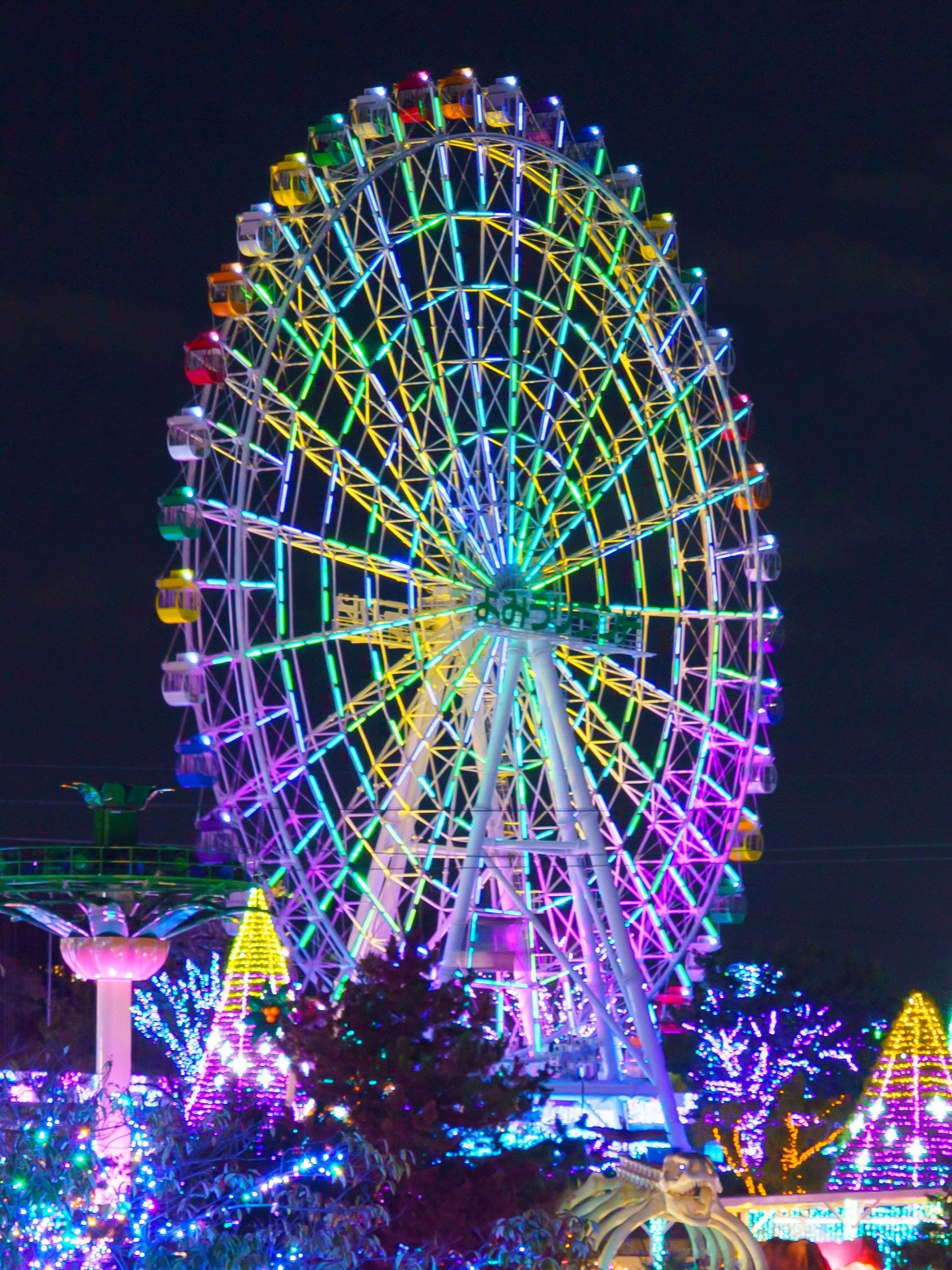
Bandit for an outdoor coaster priority
Bandit is the park’s wooded-terrain coaster, with an official maximum speed of 110 kilometers per hour and a 1,560-meter course. The current ride page requires a height of at least 120 centimeters and elementary-school age or older. Both conditions matter. If Bandit is the essential experience, check its status early and leave a second opportunity later in the day. One preferred ride can justify a routing choice, but it should not force the entire group to wait beside its entrance. Agree on a nearby meeting point and a sensible regrouping time.
Spin Runway for a different coaster experience
Spin Runway is an indoor coaster with a fashion-production setting. Its current requirements include age four or older and a minimum height of 110 centimeters. Children below 130 centimeters or below age six need the specified accompanying rider of junior-high-school age or older. Read the full conditions before joining the line. Indoor does not mean gentle, and a manufacturing theme does not make every Goodjoba ride suitable for toddlers. Match the motion and setting to the traveler, then choose a calmer alternative for anyone who prefers to skip it.
Add variety instead of treating every thrill as essential
After the main coaster choices, add a ride that changes the pace: a family attraction, a view, a workshop or a scheduled show. This is more useful for a mixed group than repeatedly crossing the park to chase every large ride. Consult the current directory for the exact height, age and accompanying-person rules of each addition. When two attractions appeal equally, use their location and current operating status to decide. Leave room for a repeat of a favorite rather than assuming that a new name is always a better use of time.
06 / GoodjobaGive Goodjoba time for participation.
The manufacturing theme is the point
Goodjoba combines rides and hands-on activities around car, food, fashion and health-related production themes. Its official introduction emphasizes participation and making things, with workshops such as creating an original Nissin Yakisoba U.F.O. package or fashion accessories. It works best when visitors choose something they want to do rather than walking through each factory to complete a checklist. A child who enjoys designing and assembling may value a workshop more than another large ride. Ask that question before allocating the morning entirely to coasters.
Check the workshop separately
The park’s family guidance states that workshops are excluded from the various passes and require accompaniment for children below elementary-school age. Check the selected workshop’s current fee, participation method, duration and language needs before making it the center of the day. A ride pass and a place in a workshop are different entitlements. If participation is important, investigate availability early enough to rearrange the route. Keep a second choice in case the preferred activity is unavailable, especially while part of CAR factory is under renewal.
Balance concentration with movement
Place a workshop after a period of walking or between two more intense rides so it contributes a different kind of experience. Build in time to finish and pack any take-home item before moving on. With several children, choose whether everyone will participate together or whether the group will split with an agreed meeting place. Do not book two activities so close together that a slow start at the first makes the second stressful. The value comes from time spent doing the activity, not just securing another item on the itinerary.
Park day gear worth packing
A compact set of comfort picks for long lines, heat, rain, refills, and high step counts.


07 / Day planUse a flexible one-day outline.

Arrival and the first part of the day
Before leaving the hotel, check the date’s opening information, current notices and the weather. Aim to be ready for the start of the chosen ticket’s validity, allowing for the station-to-gate transfer. Once inside, confirm the first priority’s operation and any workshop arrangements before walking across the park. A ride-focused group can begin with its essential coaster if available. A family can begin with a smaller eligible attraction to establish how the children respond. These are suggested sequences, not a measured queue forecast.
Midday and the second part of the day
Choose a real meal break and then work through the nearby priorities. If the main ride is unavailable, use its replacement rather than repeatedly returning to check the entrance. Reassess the list after lunch: what does the group still care about, what is operating, and what fits the remaining time? Protect a fixed workshop or show first, then fill the gaps. A short pause with seats can be more valuable than one extra attraction when an evening visit is also planned. Keep souvenirs until late unless an item will be needed during the day.
The final decision point
Before dusk, decide whether to extend into the evening, repeat a favorite ride or leave while the group is comfortable. On an illumination date, reserve actual time for walking and looking, rather than allocating every remaining minute to queues. Check the last useful return connection before choosing a final ride. If PokéPark is included, its booked entry and any timed experiences become the fixed points around which this outline must move. Do not simply append a substantial Pokémon visit to an already full amusement-park schedule.
08 / ChildrenPlan for the youngest traveler, then add options.
Height is only one part of eligibility
The official family page includes options such as the sea lion show, carousel-style experiences and smaller rides, but each has its own conditions. Some restrictions concern age, independent sitting or the number of children one older companion can accompany. Check the actual ride, including the accompanying person’s requirement, instead of assuming that one adult can always take several small children. Keep the first attraction low pressure and let the child’s response guide the rest of the visit. A smaller repeatable shortlist can work better than persuading a reluctant child through a large one.
Strollers and baby facilities
The official FAQ lists stroller rental at the information point near the entrance for ¥500, with limited stock and no reservations. It recommends bringing a familiar stroller where practical. Another FAQ identifies two baby rooms, in the Goodjoba area and behind Kid-O-Kid, with nursing space and hot water and microwave facilities. Locate the appropriate facility on the current map early. Rental availability and a room’s existence do not remove the need to carry the child’s ordinary supplies or to plan the transfer from the railway.
Create a workable split-group plan
If older children want Bandit while younger children prefer gentler rides, split only when there are enough suitable adults for supervision and any ride accompaniment. Agree on one meeting location that everyone can identify, a meeting time and a way to communicate. Keep tickets and essential supplies with the correct person. Rejoin for a meal or shared activity rather than spending the entire day as separate parties. Build a departure option into the plan so a tired child does not have to remain until the last illumination or ride.
09 / Access needsCheck the whole journey and the exact assistance needed.
Ask about the specific ride and transfer
Yomiuriland’s accessibility guidance explains that some rides involve rapid movement, noise or emergency evacuation using stairs and longer walking routes. Eligibility therefore depends on the individual attraction and the visitor’s needs. Discuss transfer, restraint and evacuation requirements before buying a ride-focused ticket. If traveling with a wheelchair, include the station connection and the gondola’s folding requirement in that conversation. A scenic arrival route is optional; a workable route for the traveler is the priority.
Queue support is not unlimited priority access
The operator describes a Guest Support Passport for specified attractions and eligible documentation, plus a separate service allowing an eligible visitor to wait apart from the ordinary queue before rejoining their party. These arrangements retain a waiting period and have conditions; they are not a general ride-everything express pass. The passport is handled at information beside Sky Gate. Overseas visitors should confirm accepted documentation and the relevant service in advance rather than assume another destination’s disability procedure applies.
Make a comfortable route an explicit part of the plan
Choose a few nearby priorities, a reliable seated break and a suitable departure option. If sensory conditions matter, ask about the actual ride or show environment rather than relying on a family-friendly label. Allow time to ask staff questions without a timed attraction immediately afterward. Companions should also understand the meeting and assistance arrangements, especially if the group splits. The aim is to make the day predictable enough for the traveler to choose what feels manageable, without promising access or suitability that has not been confirmed.
10 / FoodChoose a meal stop and keep the food rules straight.
Match the meal to the part of the park
The operator’s dining directory identifies indoor options including Restaurant Goodday and FLYING FISH, alongside outdoor food stands. FOOD STATION is located near Bandit, which can make it a useful meeting area for a ride-focused group. La Piscine is another indoor option, but the family guidance says it serves pool guests only during the pool season. Check access as well as the menu before making a restaurant the day’s fixed meeting point. A covered table, an available menu and a convenient location matter more than an elaborate restaurant shortlist.
Packed lunches and allergies require different checks
The amusement-park FAQ permits packed lunches while excluding bottles, cans and alcohol. It also notes that outdoor rest places are limited. A separate allergy FAQ says allergen tables are available at Goodday and La Piscine and that kitchens and equipment are shared across menus. Use those disclosures to discuss the actual meal with staff; do not treat an ingredient list as a guarantee against cross-contact. Carry any food that has been agreed as necessary, and verify the separate rules if the day also includes PokéPark KANTO.
Reserve enough time to eat properly
Choose one main meal and a simple fallback before the group is hungry. If the preferred indoor venue is busy, decide whether a snack and a later meal work better than walking across the park in search of an empty table. Keep a rest break separate from a shopping stop when children or older travelers need to sit. For an evening visit, eat early enough that the meal does not consume the entire period set aside for the lights. Check the actual restaurant’s closing time rather than assuming it follows the park gate.
11 / EveningBuild the illumination evening around darkness and departure.
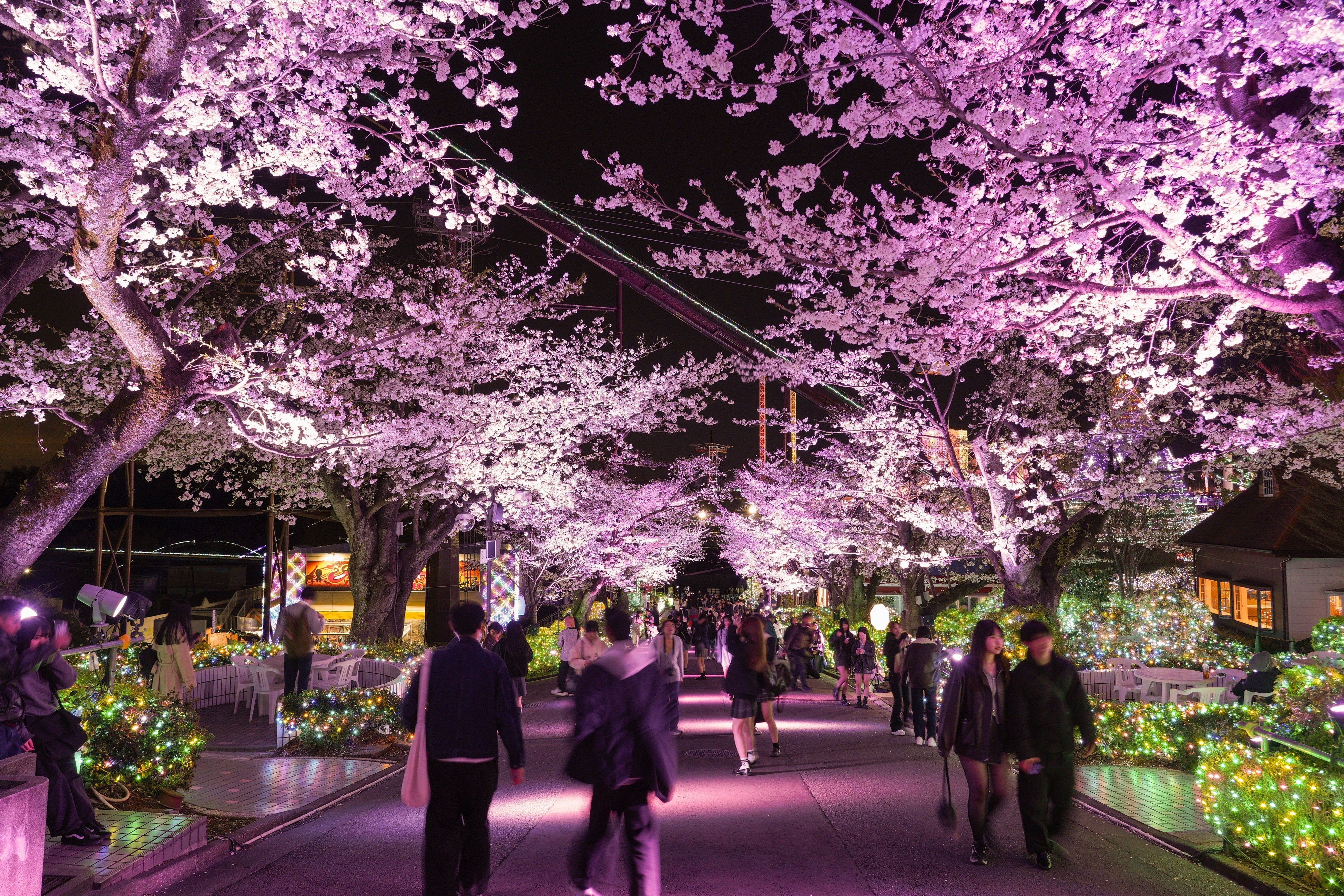
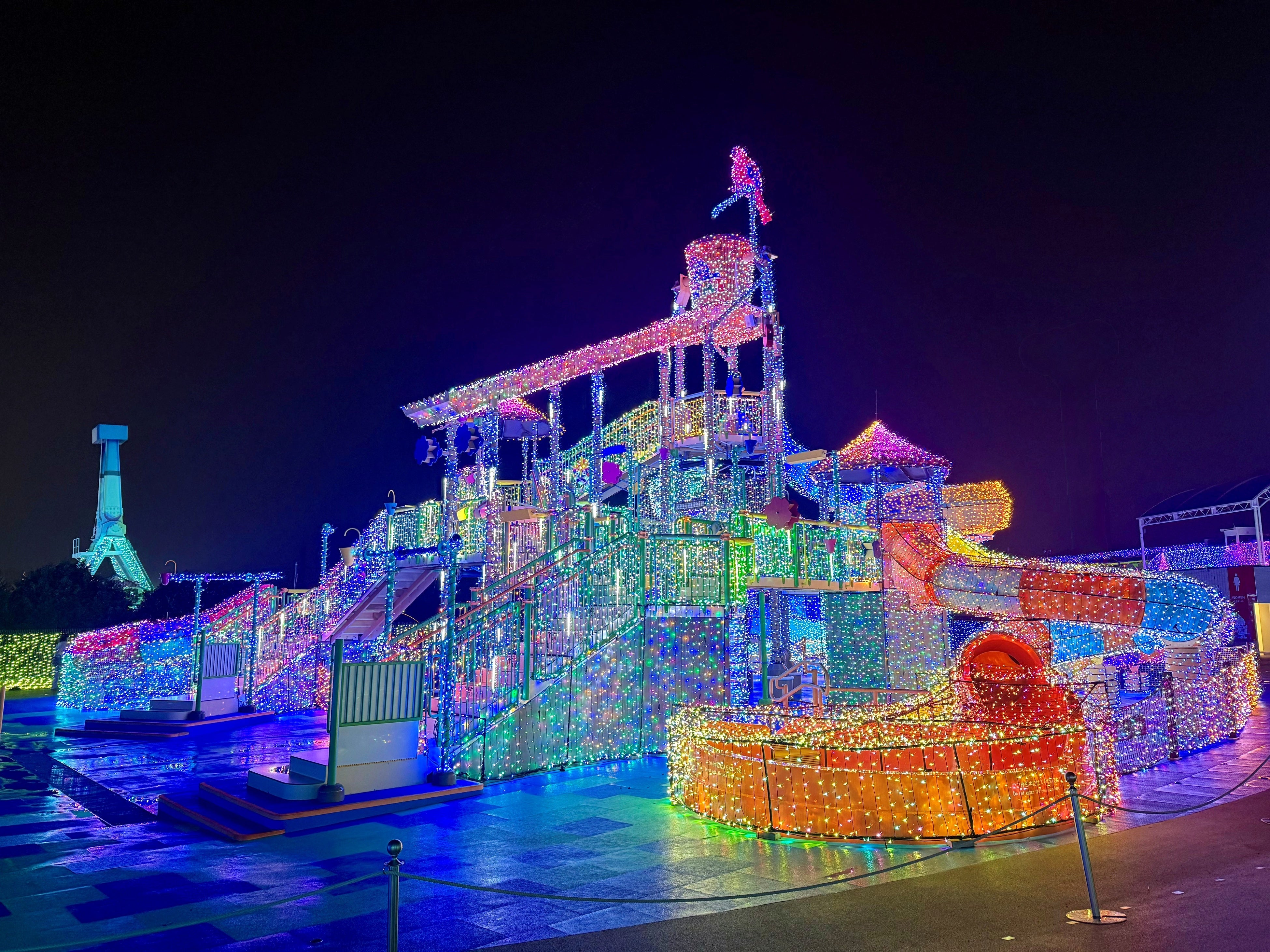
Choose an actual event date
The operator’s August 25 announcement schedules the 2026 to 2027 Jewellumination season from October 29, 2026 through April 4, 2027, with 138 event days. This is not a promise of illumination every night in that span: park closing days apply, and March 1 to 12 weekdays are described as daytime operation only. Selected photographs in the announcement show the previous season. Use the actual event calendar and current program to choose the visit rather than assuming every pictured display, show sequence or operating time applies to the chosen date.

Do not spend the whole evening waiting for one view
Choose a short list of light displays or a published show and give the route enough time to unfold on foot. If a ride with a view is important, check both its operation and the selected pass’s coverage before joining the queue. The operator’s family page specifically excludes Sky-Go-LAND from the After Pass during Jewellumination. Decide whether the additional ride is worth its cost and the time it would take from the evening walk. Keep photography stops clear of routes used by other visitors.
Plan the return before the last attraction
An evening finish changes the practical journey home: the group may be colder, carrying purchases and less willing to stand through another transfer. Save the return route while phones have ample battery and agree on the latest comfortable departure. Allow time to reach the exit, collect belongings and use the chosen station connection. A late ride can be an enjoyable extra when transport is secure. It becomes a poor trade if it forces a rushed departure or leaves a tired family uncertain about how to get back.
12 / WeatherKeep a weather plan that matches the park.
Indoor options still require an outdoor journey
The attraction directory includes a rain-friendly filter, and Spin Runway is one of the indoor choices. That does not make the whole visit weatherproof: reaching attractions, meals and transport can still involve being outside. If rain is forecast, choose several nearby indoor priorities and decide which outdoor ride can be dropped. Carry footwear and layers suited to the forecast rather than dressing only for the temperature at the hotel. Leave extra time for moving between places with children or mobility equipment.
Treat swimming as a seasonal itinerary
A pool visit needs its own current dates, ticket inclusion, clothing and facility checks. Do not infer pool access from an amusement-park pass or from a summer photograph in an article. If swimming is the main purpose, start from the official Pool WAI information and then decide whether rides are a realistic addition. Changing, storing belongings and getting everyone ready to leave take time. For a first visit with a mixed group, it can be more comfortable to choose either the pool-focused day or the broad amusement-park day.
Use flexibility to protect the priorities
Avoid putting every outdoor attraction at the very end when weather would leave no recovery time. Equally, do not rush a family around solely because conditions might change. Check the current operating information, select the best available priority and then reassess. If the principal attraction is unavailable before departure from the hotel, compare the remaining experience with the group’s expectations and the ticket’s actual change conditions. There is no useful blanket promise that a rainy day will be quiet or that indoor attractions will have short lines.
13 / StayChoose lodging for the wider trip and the late return.
A nearby station can be more useful than a nearby map pin
Yomiuriland’s own lodging list includes Hotel Molino Shin-Yuri by Shin-Yurigaoka Station and Chofu Creston Hotel by Chofu Station. These are nearby accommodation leads, not evidence of an included shuttle, park admission or early-entry privilege. Check the exact hotel and room terms before treating a benefit as part of the booking. Compare the actual route from each property to the park and back after the planned finish. A room near a convenient station may be more useful than one that merely looks close in a straight line.
Moving hotels should solve a real problem
For a single park day during a longer Tokyo stay, keeping the existing hotel may avoid more effort than relocating saves. Consider a nearby night when it supports a late finish, a second local activity or a particularly demanding onward journey. Include luggage movement, check-in timing, breakfast and the next day’s destination in that decision. Do not book an extra night only to eliminate a train transfer while creating two difficult baggage transfers. The best lodging choice is the one that works for the whole itinerary.
Check family and accessibility needs at room level
Confirm occupancy, beds, bathroom arrangement and accessibility with the selected property. A generic family-room label does not establish that the room has the sleeping arrangement a group needs. If a late return is planned, check how to enter the hotel and whether any booked meal service will still be available. Save the address in a form that is easy to show locally. These checks are ordinary trip preparation; they do not imply that any hotel listed here has been personally inspected or tested.
14 / PokéParkPlan PokéPark KANTO as a separate booking.
Start with the exact Pokémon ticket
PokéPark KANTO is operating within Yomiuriland and publishes separate ticket types. Ordinary Yomiuriland admission or a ride pass does not establish entry to it. The PokéPark ticket information says its tickets include Yomiuriland entry, which can prevent an unnecessary second admission purchase. The different products have different access to Pokémon Forest and Sedge Town, and some experiences need additional arrangements through the official app. Follow the official purchase route appropriate to the visitor’s residence and language; do not assume the Japanese domestic sales process applies to every international visitor.
Check Forest eligibility before promising the experience
The current official Forest information sets a minimum age of five and describes stairs and steep sections, including a 110-step staircase relevant to access and emergency evacuation. It also describes limited entry support using stair-climbing equipment for wheelchair users in a lower-gradient area. Read the complete current restrictions and discuss individual needs before selecting the ticket. Access to one supported section is not a promise that every visitor can complete the entire Forest route. Choose the product that matches what the traveler can and wants to experience.
Keep the rules on the correct side of the boundary
PokéPark’s rules differ from the amusement park’s in material ways. Its published rules include cashless-only payment, restrictions on brought-in food with stated exceptions, and identity checks for visits from November 2026. Read those requirements before packing and enter each traveler’s details carefully when booking. Build the day around the actual Pokémon entry and timed arrangements, leaving transfer and rest time. Someone visiting mainly for Pokémon may prefer a small selection of ordinary Yomiuriland rides rather than an ambitious second full itinerary.
15 / Before you goMake the last check before leaving.
Put the essentials together
Save the ticket confirmation, the full station name, the intended bus or gondola connection and the operator’s current information links. Carry a charged phone and a way to keep it powered if it will hold several people’s tickets. Agree on how the group will meet if separated, especially where some visitors will ride and others will wait. Check that any timed activity and any separately booked admission are on the intended date. One person can organize the plan, but each responsible adult should understand the parts needed to get home.
Use the map to remove unnecessary walking
Use the Yomiuriland park map for orientation, then compare the current official map and notices for any changed attraction or route. Group nearby experiences and place the meal break where it fits naturally. Do not plan a route around an unavailable attraction simply because it appears on a familiar saved image. Take the day in stages: first priority, meal, second priority and an optional finish. That leaves enough structure to avoid wasted movement while allowing the group to change its mind.
Common planning questionsA few details before you go.
How much time should a first Yomiuriland visit have?
A full day is a useful planning allowance for rides, a meal and some flexibility. An afternoon can suit a short priority list or an illumination evening. This is a suggested approach, not a guaranteed time to complete every attraction. Add a substantial separate time allowance if PokéPark KANTO is booked.
Which Yomiuriland station should a visitor choose?
Compare the complete hotel-to-gate journey. Keio-Yomiuriland offers the Sky Shuttle or a bus connection, while Odakyu’s Yomiuriland-mae uses a different bus approach. The similar names do not describe the same station. Check the final connection and the return service before choosing.
Does a Yomiuriland ticket include PokéPark KANTO?
An ordinary Yomiuriland ticket does not establish PokéPark admission. Choose a specific PokéPark product through its official ticket information. Its tickets include Yomiuriland entry, but the Pokémon areas and other benefits vary by product.
Can a family bring lunch?
The amusement park permits packed lunches subject to its restrictions, but PokéPark has a separate brought-food policy. Check the rules for the actual place being entered, including any dietary exception, rather than applying one answer to the whole complex.
Is an indoor ride automatically suitable for a young child?
No. Indoor attractions can still be intense and can have age, height and accompanying-person requirements. Check the individual ride page before joining the line. Goodjoba’s learning and manufacturing themes do not make every attraction a toddler ride.
What should change if a priority attraction is closed?
Use the official operation information to select a replacement, then reconsider the remaining route and the value of any optional upgrade. Keep a meal and rest in the plan. Do not repeatedly cross the park waiting for an unconfirmed reopening or assume a dated maintenance notice promises a reopening time.