
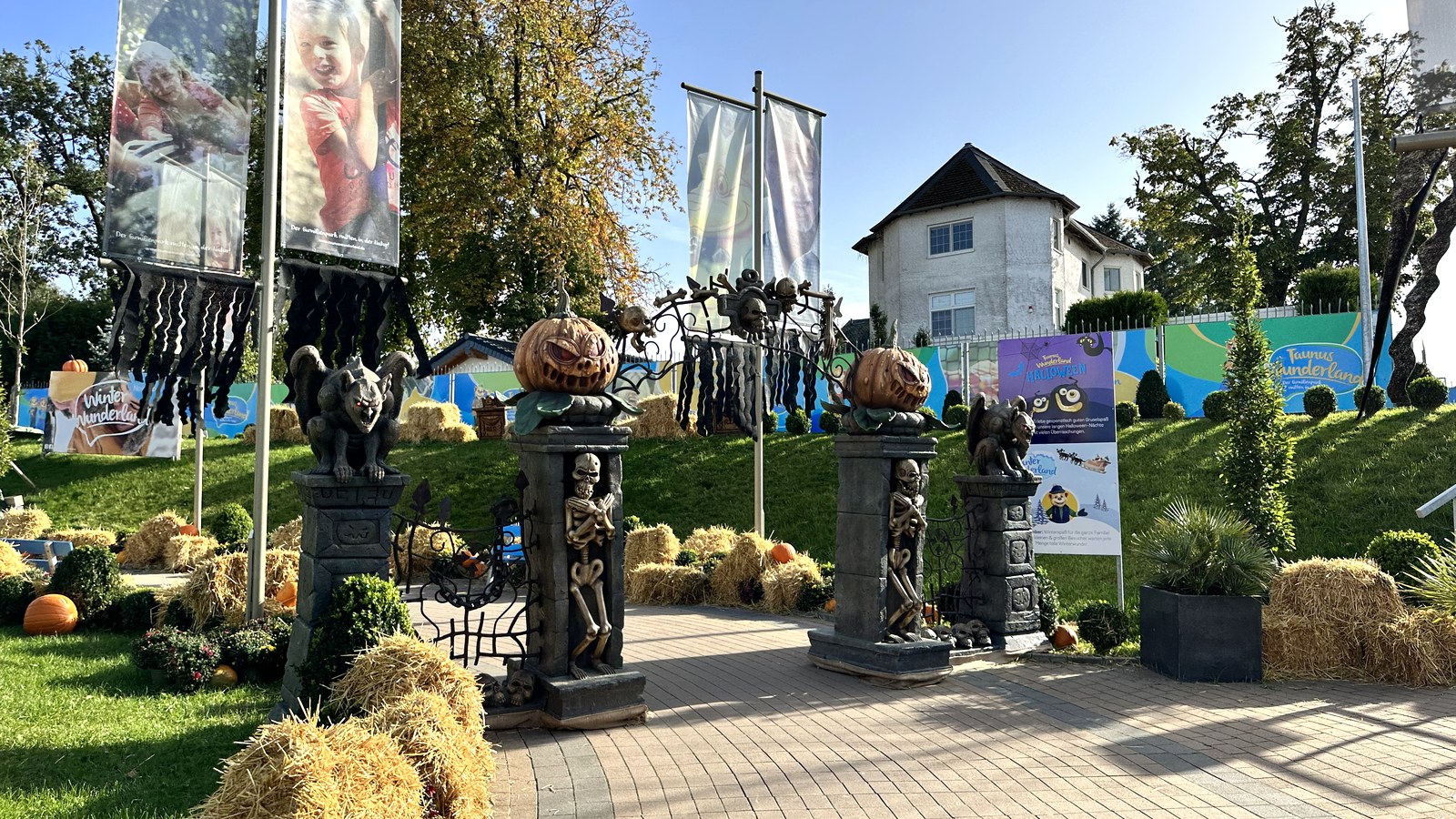
Schlangenbad, Hesse, Germany · Planning your visit
Taunus WunderlandPlanning guide
Woodland paths, family coasters and five themed areas reward a day planned around the children who are actually coming. Choose a few shared priorities, leave room to play, and account for the hills.
The trip at a glance
A full family day in the Taunus.
Start with ride eligibility and your transport home. Add the park’s bigger rides around play, animals and a proper meal break.
01 / Start hereChoose the day your family wants.
Taunus Wunderland is a family amusement park at Schlangenbad, near Wiesbaden in Germany’s Taunus region. Its woodland setting, animal areas, play spaces and family rides make it a useful choice when the group wants variety without building a holiday around a large destination resort. The official park description focuses on children aged roughly three to fourteen, although that is an audience description rather than an admission or ride rule. Adults can enjoy the visit, too; the important question is whether this particular mix of experiences suits the people paying for the day.
Plan one full day for a first visit if you want the main rides, several play stops and a relaxed meal. A shorter visit can work for nearby families with very young children or a small set of priorities. It becomes less convincing when you are paying for a long transfer, working around a nap, or trying to satisfy both preschoolers and older coaster fans. Treat these visit lengths as planning suggestions. They are not a promise that every attraction will operate or that queues will fit a particular timetable.
Make three decisions before buying. First, check the current ride restrictions for each child, including the rules for riding with an adult. Second, decide whether your day will be predominantly rides, play and animals, or a balanced combination. Third, check how you will get home. A family travelling by bus needs a finish time based on a real connection; a driver needs to account for tired children and the return journey as well as the last ride.
The best starting list is short: two things everyone hopes to do, an alternative for anyone who cannot or does not want to ride, and a comfortable meal plan. Put the actual park map beside that list. Taunus Wunderland occupies sloping ground, so repeated crossings between areas can become more tiring than the number of attractions suggests. Leave space for children to repeat something they love. A successful day here does not depend on treating the map as a checklist.
02 / ExploreUse the five areas to shape your route.
Visitors enter Muckelsdorf, the village associated with the park’s Muckel characters. Use this opening stretch to orient the group, find the services you need and agree where to meet if you separate. The official attraction list places a mixture of smaller activities and stronger experiences in this area, including Knall und Fall, the Wundergleiter simulator and the Silberpfeil slides. Proximity to the entrance does not mean that every ride is gentle or suitable for the youngest visitor.
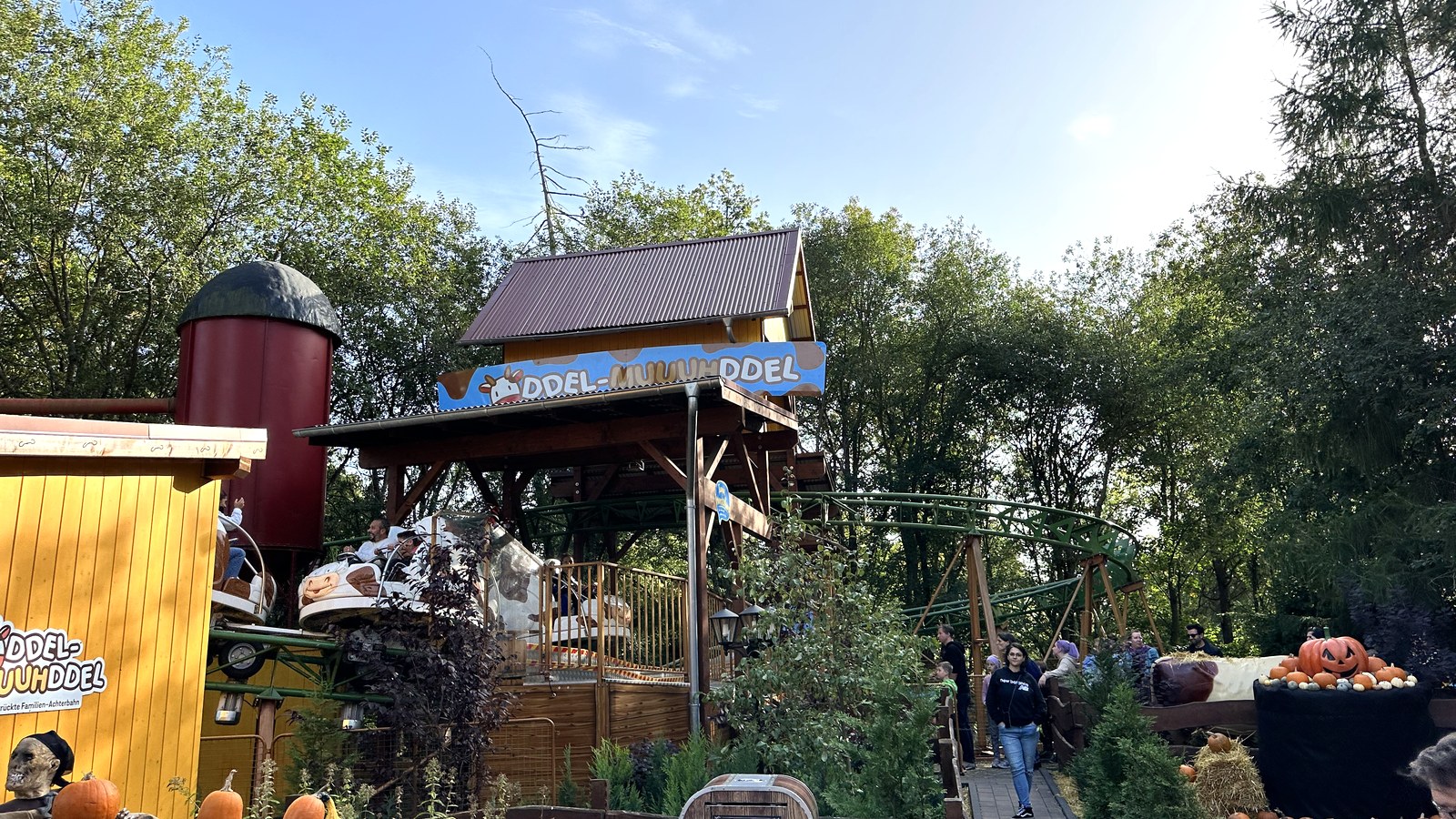
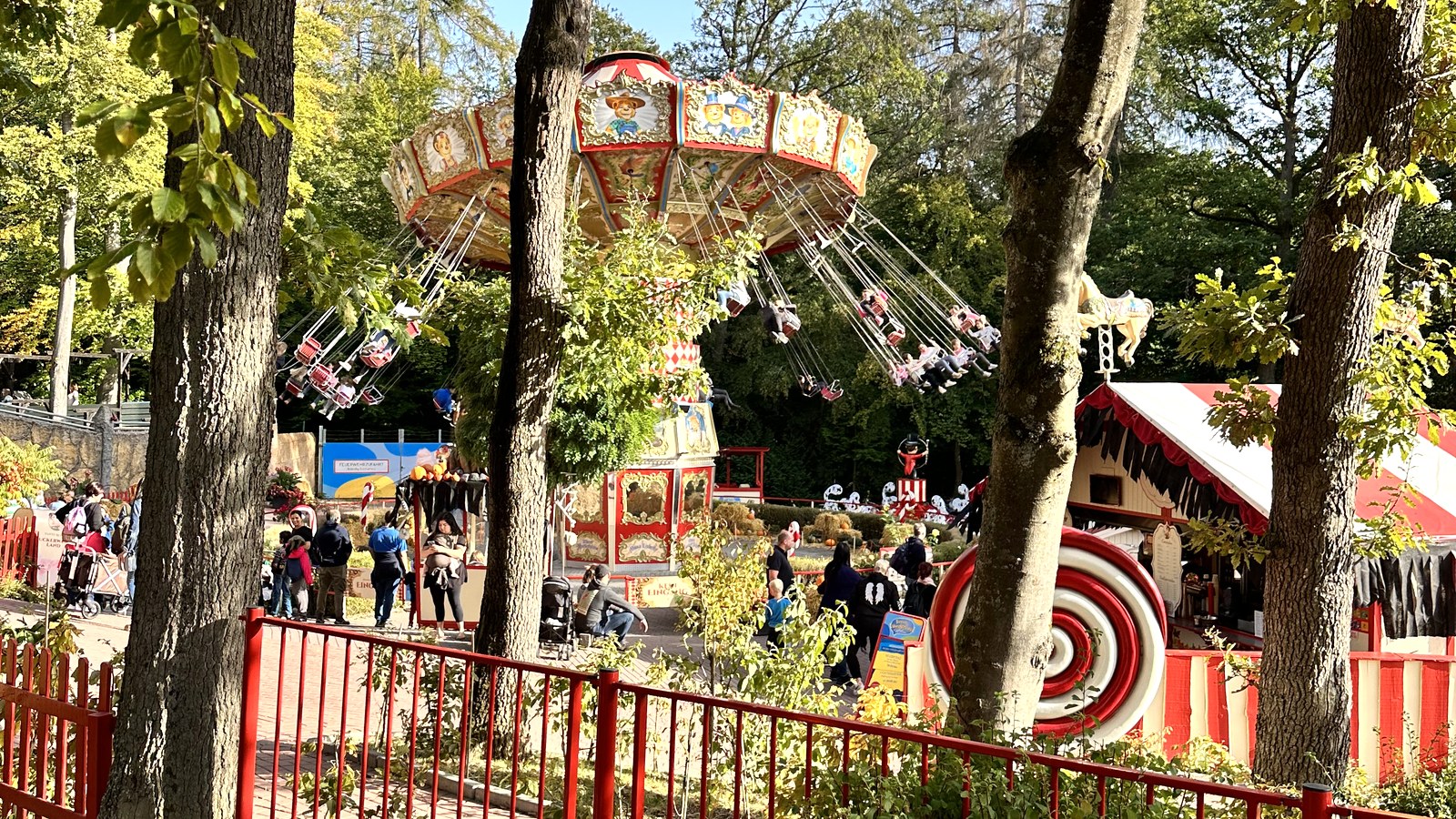
Tante Rosis Zuckerwatteland has the atmosphere of a colourful fairground. Wilde Maus is the obvious coaster priority, while Himmelsstürmer and the area’s smaller attractions create alternatives for different confidence levels. Onkel Bennos Bauernhof brings together farm themes, animal areas and rides such as Kuhddel Muuuhddel and Traubenrutsche. This is a useful part of the map for groups that want to alternate a ride with something less intense rather than move directly from one queue to another.
Opa Alfreds Dinotal is the dinosaur area. Slides, play and themed attractions make it worth considering even when one child is not interested in a coaster. Review each attraction individually, especially where an activity looks like an open playground but has posted participation rules. The official list also includes Der Wilde T-Rex, so the dinosaur theme should not be taken as evidence that every experience has the same intensity.
Aryas Drachenschlucht adds another important cluster of choices: Gobbi Express, Gobbis Energiefabrik, Milanflug, a water play area, the labyrinth and Aryas Wachtürme appear in the current official listing. Build time for this area into the initial route instead of treating it as an optional final corner. At the same time, check the day’s actual operation before walking across the park for one specific attraction. The map is most useful for grouping compatible activities and nearby breaks, not for predicting walking times or guaranteed availability.
03 / ExperiencesPick rides by motion, confidence and eligibility.
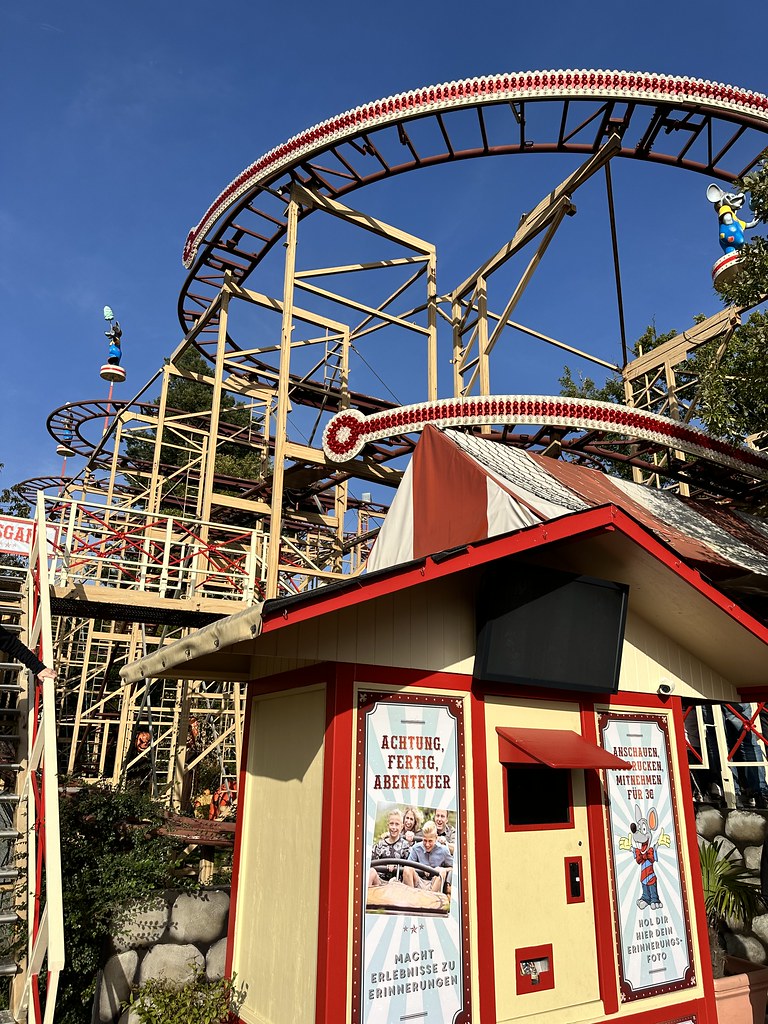
Gobbi Express and Wilde Maus deserve separate decisions. They are both coasters, but the ride styles are different. The park’s own history identifies Gobbi Express as a major addition in 2024, while Wilde Maus is an established part of the older ride mix. A child who enjoys one kind of family coaster may still dislike sharp turns, rapid direction changes or a particular seating arrangement. Watch a visible part of the cycle together, describe the motion plainly and let a nervous rider make an informed choice.
Kuhddel Muuuhddel adds a spinning coaster experience. For a motion-sensitive group, the spinning matters more than the word family. The same principle applies to other rotating attractions: choose the actual movement you want rather than relying on a theme or photograph. Put a calmer activity between strong-motion rides if that helps your group. Anyone with a medical concern should use the operator’s restrictions and advice from an appropriate professional, rather than an informal comparison of how intense a ride looks.
Traubenrutsche is the park’s log flume. Its official history describes a lift, a short backwards section and a final drop, so it is a more specific choice than simply a boat ride. The attraction listing can show an operating window that differs from the park’s overall opening hours. Check that window on arrival and keep a second possible slot in the afternoon. Bring suitable spare clothing if wet clothes would make the remaining visit uncomfortable, particularly in cool weather.
For children who enjoy height or sudden movement, compare Knall und Fall, Himmelsstürmer and Milanflug using the official ride cards. Gobbis Energiefabrik is another experience to evaluate on its own terms, rather than assuming that an indoor location means low intensity. The cards distinguish age, height and accompanied or independent participation. Read the full applicable condition, and ask staff when the meaning is unclear. A ticket height category does not grant access to every attraction in that category.
Keep at least one easy alternative near any major ride priority. Play areas, animal viewing or a shared snack can give a non-rider a worthwhile stop while others queue. Do not assume a formal rider-switch system is available; ask before one adult commits to a queue that would leave the other supervising several children alone. Agree on a visible meeting location and a realistic check-in time. This small arrangement is more useful than trying to make every member of a mixed-age group do exactly the same thing.
Park day gear worth packing
A compact set of comfort picks for long lines, heat, rain, refills, and high step counts.


04 / DaysBuild a flexible day around real opening windows.
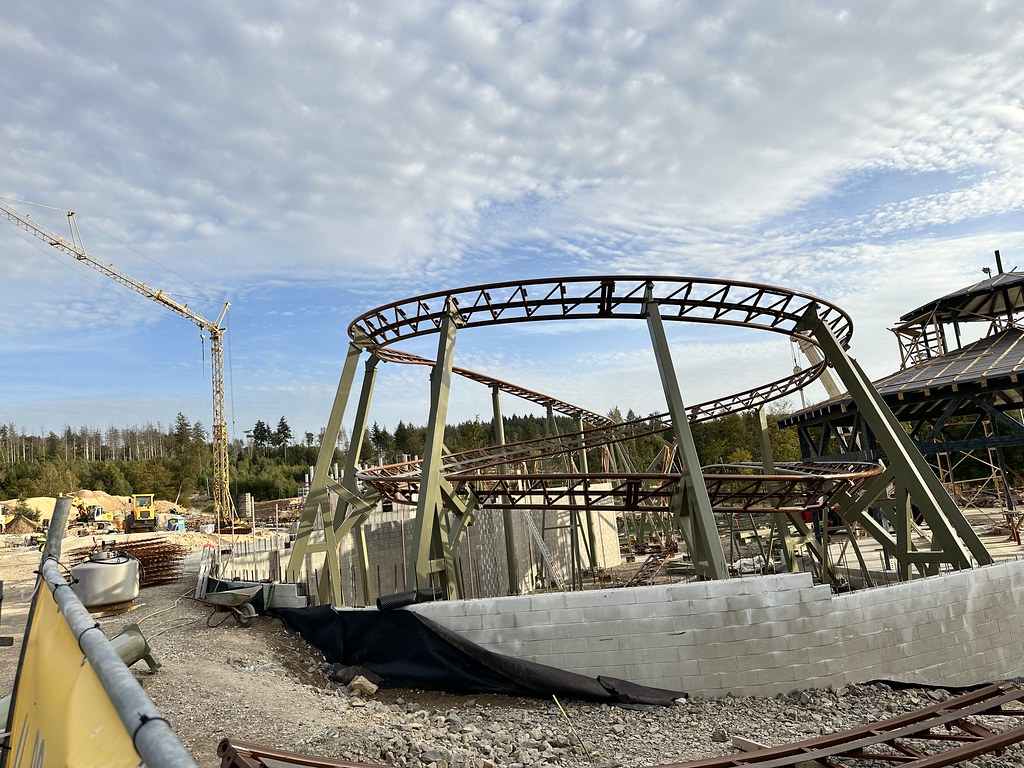
Before leaving, check that the park opens on your date and look for any special event conditions. The published calendar distinguishes ordinary days from longer summer or Halloween events. A general opening banner is not enough to establish your date’s schedule. Save the ticket and practical information on your phone, check the weather and identify the return journey. If a particular ride is the main reason for travelling, look for an operator notice about its availability before departure.
At arrival, deal with lockers, toilets and any handcart hire before the group spreads out. Choose an easy first attraction if younger children need to settle in. A confident, ride-focused group may prefer to move towards its biggest priority once it confirms that the attraction is operating. Neither approach requires a guaranteed low-queue rule. Use what you can actually see on the day, and avoid spending the first hour crossing the hillside repeatedly because each person has a different destination in mind.
For the middle of the day, connect a cluster of rides with a meal or picnic nearby. If you booked a barbecue station, its time slot becomes a fixed point around which other choices need to fit. Otherwise, choose a meal break when the group needs it rather than waiting until everybody is hungry at once. Animal areas and open play can be useful pauses, but they still need supervision and may not provide the seated rest an adult or tired child needs.
In the afternoon, use the remaining time for a missed priority and a repeat favourite. Check individual closing times before postponing a ride until the end: the official listing shows that some attractions can finish earlier than the headline park closing time. Leave enough margin to collect belongings, return hired equipment and reach the bus stop or car. If you are staying for an evening event, decide in advance whether your youngest visitor will still enjoy the later atmosphere. A long operating day is an option, not an obligation to remain until the final minute.
05 / TicketsCompare the exact product before paying.
Admission categories use height, and the official price page specifies measurement with shoes. At the time of research, children under 100 centimetres were listed for free admission, with separate categories above that threshold. Check the current boundaries carefully when a child is close to a category change. Do not substitute an age-based assumption, a rounded measurement or a third-party ticket table for the seller’s actual terms.
Compare a dated day ticket with the Flex-Ticket only after deciding how certain your travel date is. The published Flex-Ticket description allows one visit on an opening day within the applicable season. A dated product may offer a lower price, but the real saving depends on the selected date, availability and cancellation conditions. Read the checkout terms before committing. A credit to a customer account, a date change and a refund to your payment card are different outcomes.
Afternoon and evening products can suit a local visit, but their entry times and valid days matter. The price page reviewed for this guide described an afternoon product beginning at 3 p.m. on specified weekdays and an October Saturday evening product beginning at 6 p.m. These are dated observations, not a permanent promise. Recheck the current shop before planning around them, and compare the available attraction time against the cost and length of your journey.
Annual passes are worth comparing when you have several realistic visits in mind. Use your actual likely dates and the current benefits, rather than assuming a pass pays for itself after an arbitrary number of trips. Group, school, kindergarten and birthday offers have separate booking and proof requirements. The park’s published birthday information includes conditions for closed days and special catch-up dates, so do not assume a birthday discount applies on any convenient weekend.
Discount information for disabled visitors needs particular care. The current price table and a general FAQ reviewed for this guide did not state identical disability thresholds. Ask the park which current product and proof apply to your situation, including the accompanying-person rule. Keep the answer with the booking. Admission concessions also do not establish ride access or the suitability of steep paths. Those are separate practical questions to resolve before buying nonrefundable transport or accommodation.
01Keep the booking check in one place
Save the confirmation, the seller’s terms, the included activities and the permitted visit dates together. Check admission, transport and any timed booking as a single plan. When one part changes, review its effect on the others before buying another nonrefundable element.
06 / StayStay where the rest of the trip works.
Treat Taunus Wunderland primarily as a day-trip destination when choosing accommodation. Wiesbaden can be a practical base if you want city services and a wider itinerary; a stay nearer Schlangenbad can make sense when a quieter setting and a shorter drive matter more. Compare the actual door-to-door route from each property. A hotel described as near the park may still require a car, a change of bus or a taxi that needs advance arrangement.
For a one-night family stay, arrival timing can be more useful than the lowest room price. Staying the night before may make an early start easier after a long journey. Staying afterwards can reduce pressure to leave while the group is still enjoying the park. Check parking, breakfast time, room occupancy and late arrival arrangements against your plan. A room for two adults does not automatically accommodate two children, and a sofa bed does not answer whether the room layout works for your family.
If you are relying on public transport, favour a location that connects reliably with the actual park journey and your onward travel. Verify evening and weekend services before booking. A convenient morning departure is only half the calculation; the return after an event may be different. Keep a fallback that you are prepared to pay for, and establish how to request it without assuming taxis will wait at the entrance.
The park’s FAQ says motorhome or caravan guests can stay overnight in its parking area after advance registration. Treat that as a specific arrangement to confirm directly, not as a fully serviced campsite booking. Ask about the permitted date, arrival and departure procedure, facilities, vehicle requirements and any charges. The same FAQ says on-site electric-car charging is not available at the time described. Plan charging elsewhere and recheck before travel rather than depending on a future installation mentioned as an ambition.
07 / DiningChoose between restaurants, a picnic and a barbecue.
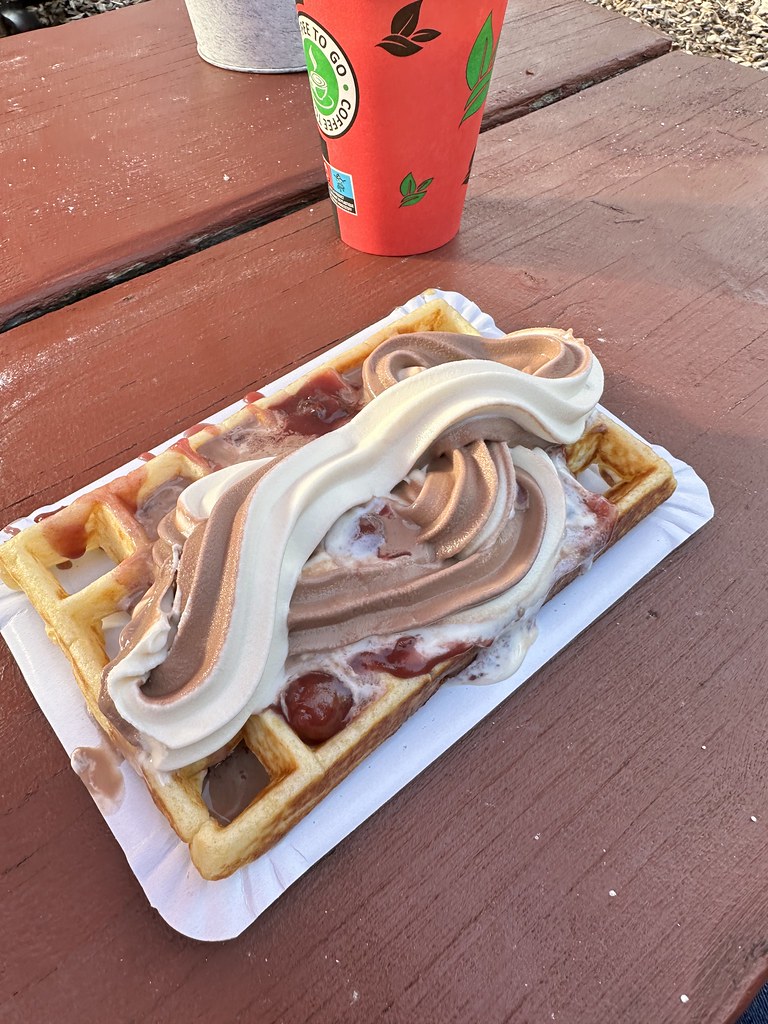
Food planning is a useful way to control both cost and the pace of the day. The official park page lists several outlets, including Futterscheune, Zur Fliegenden Feder, Bettys Backstube and Gobbis Mampf, alongside snack, sweet and seasonal options. That is a menu of possibilities, not a guarantee that every counter will be open throughout your visit. Check the available outlets and their hours when you arrive, particularly on a quieter day or during a special event.
Bringing your own food is allowed according to the official FAQ. Use the designated seating opportunities and respect the separate rule that outside food is not for the tables belonging to the park’s catering outlets. Pack a lunch that remains practical to carry and store. The park’s sloping ground makes a bulky picnic load less appealing when the group wants to move between several areas; a locker or handcart may help, but confirm what is available and what it costs.
The park advertises four barbecue areas with indoor and outdoor seating, booked through its reservation system. The published arrangement permits one station and one time slot per family or group each day. Larger groups are directed to contact the park. Reserve before building the meal around a barbecue, and check exactly which supplies you must bring and the current use instructions. A free station reservation does not remove the need for park admission or mean that cooking equipment and food are included.
For dietary requirements, obtain a specific answer instead of relying on a general restaurant description. The official FAQ says its kitchens cannot guarantee gluten-free meals because separate preparation and contamination controls cannot be assured in the existing setup. That matters more than whether an individual dish appears naturally low in gluten. Discuss other allergies directly with the operator as well, and plan suitable food within the park’s rules. Avoid promising a child a particular treat before checking the ingredients and actual availability.
08 / ArrivalPlan the last stretch as carefully as the drive.
Use Haus zur Schanze 1, 65388 Schlangenbad as the park destination, and confirm the route before leaving. The operator describes access from the A66 via the Schlangenbad exit and B260, or from the A3 via Idstein and the B275. Road conditions and the best approach depend on your starting point. Follow current navigation and park signs, and leave some margin for a rural final approach rather than scheduling arrival to the minute.
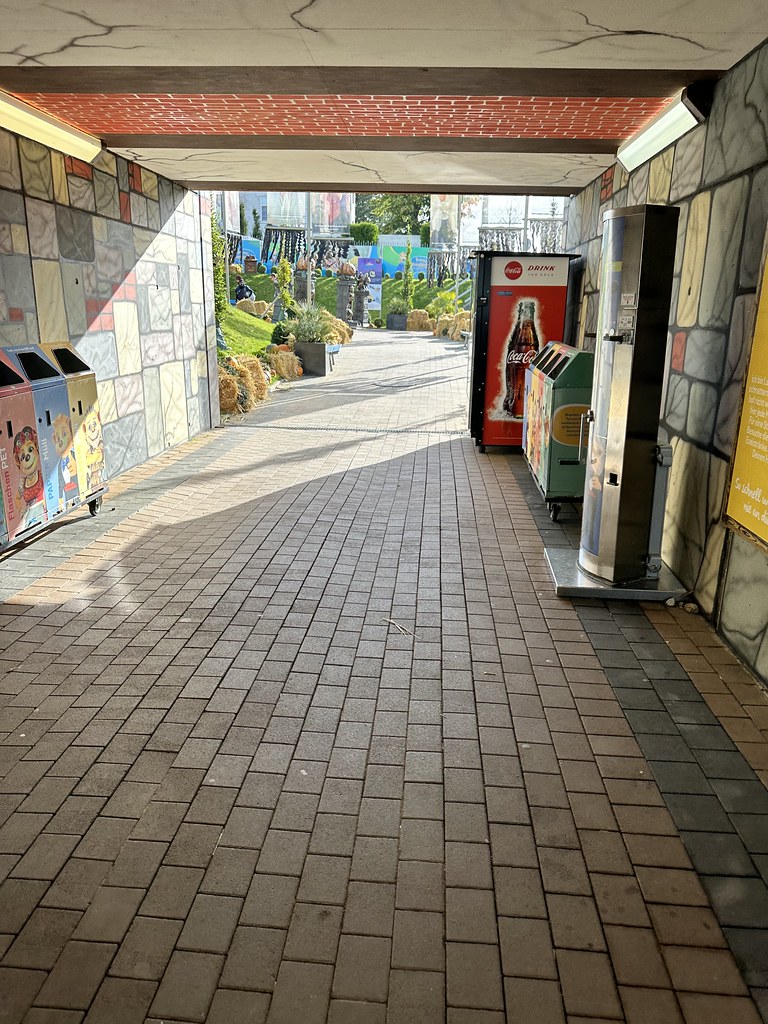
The park describes paved parking near the entrance and an underpass connecting the parking side with the park. Keep children together around the parking area, then use the designated walking route. Do not make a shortcut across a road because the entrance looks close. Once you park, take a simple note or photograph of the location and bring the items needed for the day. The park rules say admission loses validity when you leave, so ask staff before assuming that returning to the car and re-entering is permitted.
For public transport, the official park page points to connections from Wiesbaden Hauptbahnhof via Taunusstein, using lines 273 or 274 and, for some journeys, combinations involving 275 or 271. Use the RMV journey planner for your exact date and time. Older third-party articles may list a different bus number; use those only as a prompt to investigate, not as a boarding instruction. Check the destination stop, transfer time and return trip together.
A group travelling by coach should coordinate arrival and departure with its transport provider and the park’s current group instructions. For any mode, decide how late you can reasonably stay before buying an event-specific product. Keep the return details accessible even if your phone battery is low or mobile reception is poor. A screenshot of the itinerary and a written meeting point are modest preparations that can prevent a hurried finish with tired children.
09 / FamilyAccount for hills, supervision and different needs.
The woodland location is part of the appeal, but the terrain is a real planning factor. The official FAQ describes the paths as wheelchair accessible while warning of steep inclines. These two statements should be read together. Ask about the route you intend to use, your mobility device and the assistance available, rather than interpreting the word accessible as a promise of effortless travel throughout the park.
A stroller or handcart can help carry belongings or support a younger child’s day, but somebody still has to manage it on slopes. The park lists handcart hire near the entrance; confirm current availability, deposits and rental conditions instead of assuming it can be reserved or that supply is unlimited. Make a route with seated breaks. If one adult has limited stamina, agree which areas matter most and avoid repeatedly retracing the same climb because the group forgot an item or postponed a nearby attraction.
Children under fourteen must visit with an adult supervisor under the park rules. Supervision also applies in play and animal areas; a quieter activity is not an unsupervised holding space while everybody else rides. Set a meeting point that children can identify, explain how to approach park staff if separated and keep a contact number with younger children. Use the same routine when adults split the group for different rides.
The FAQ lists baby-changing facilities at Futterscheune, opposite the trampolines and at Zur Fliegenden Feder. Locate the relevant facility on the current map rather than waiting until it is urgently needed. Dogs are welcome under the park’s conditions, including a continuous lead requirement and additional restrictions for listed breeds. Dogs cannot accompany guests onto rides. A group bringing a dog must therefore plan who stays with it, especially if every adult wants to ride the same attraction.
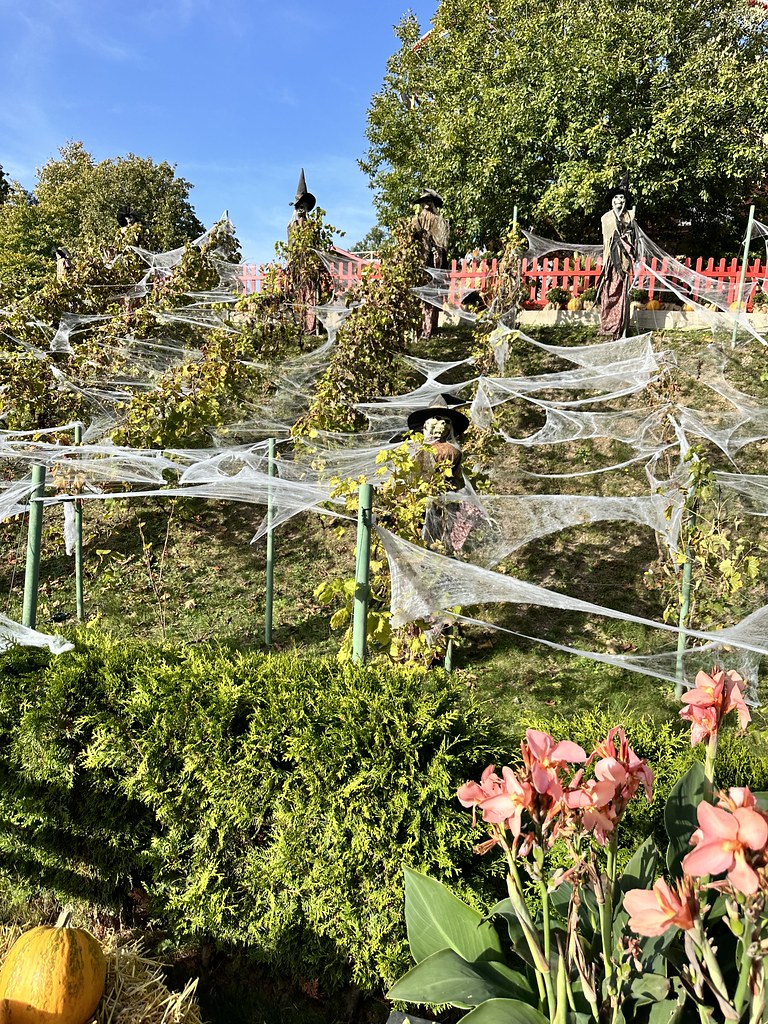
Discuss sensory comfort before choosing a special event. Music, effects, evening darkness and costumed activity may change the experience compared with an ordinary daytime visit. Check the current event information for the programme and any age guidance. There is no need to make a reluctant child prove confidence on a ride or remain at an event that has become uncomfortable. Keep a quieter alternative and a clear exit plan within the day’s expectations.
10 / GearPack for an outdoor day and protect the final hour.
Wear comfortable footwear suitable for slopes and a full day outdoors. Bring layers appropriate to the forecast, with rain protection that is easy to carry. Tree cover does not make the park weatherproof, and sunshine, rain or a wet ride can change what the group needs. A light change of clothing for children can be more useful than another bulky item that stays in the bag all day. Keep water and any necessary personal supplies easy to reach.
Keep tickets, proof for any concession and the return itinerary together. The official FAQ says tickets can be scanned from a phone, so printing is not required by that guidance, but a charged device and an accessible ticket are still your responsibility. Save the relevant barcode before arrival. The park lists card acceptance at specified outlets and says there is no cash machine on the premises. Bring an appropriate payment backup and check the particular outlet before ordering.
Loose belongings need to be secured for rides. The park rules prohibit filming with a phone or camera on attractions; do not plan an on-ride recording or assume a handheld device is acceptable because another visitor has one. Commercial filming or photography requires management permission under the park’s stated rule. For ordinary family photographs, follow staff instructions, respect other visitors and keep phones away when they interfere with supervision or safe participation.
Before the final attraction, check your transport time, belongings and any equipment return. Make a quick decision about whether another ride would improve the day or simply make departure rushed. If an attraction closes earlier than expected, use a nearby alternative rather than promising compensation or access that the operator has not offered. The useful measure of the visit is whether the group enjoyed a coherent day with enough breaks, suitable experiences and a manageable journey home.
11 / FAQTaunus Wunderland planning questions.
How long should we spend at Taunus Wunderland?
Allow a full day for a first visit combining rides, play, animals and meals. A shorter visit can suit local families with limited priorities. Actual operating hours, queues and individual needs determine what fits.
Is Taunus Wunderland suitable for toddlers?
There are smaller attractions, play opportunities and animal areas, but each activity has its own conditions. Check the current age, height and companion rules, and plan breaks around your child rather than an attraction count.
Can we bring our own food?
The official FAQ allows outside food in appropriate seating areas, excluding the tables of the park’s catering outlets. Barbecue stations require a separate reservation and compliance with their current instructions.
Can we visit without a car?
The operator lists bus connections from Wiesbaden Hauptbahnhof via Taunusstein. Check RMV for the exact date, destination stop, transfers and return journey instead of relying on an old bus number.
Is the park easy to navigate with a wheelchair?
The operator describes the paths as wheelchair accessible but warns of steep inclines. Confirm the suitability of the intended route and device with the park; admission concessions and ride access are separate questions.
Does a ticket guarantee every ride will be available?
No. Check the park calendar, attraction operating windows, restrictions and any current notices. Some rides can operate shorter hours than the overall park day, and conditions can change.