
A little perspective before you pick a date.
Crowd calendars.Find your kind of park day.
Explore theme park crowd calendars and seasonal planning guides for destinations around the world. Compare possible dates, understand the available evidence, and choose a day that works for your trip.
Choose a park or resortBrowse all 397 available guides
No guide found. Try a park name, city or country.
Featured destinations
Start with the destination you have in mind.
Find a resort overview or a specific park calendar. Read the forecast, seasonal guidance and coverage notes together before deciding on a date.
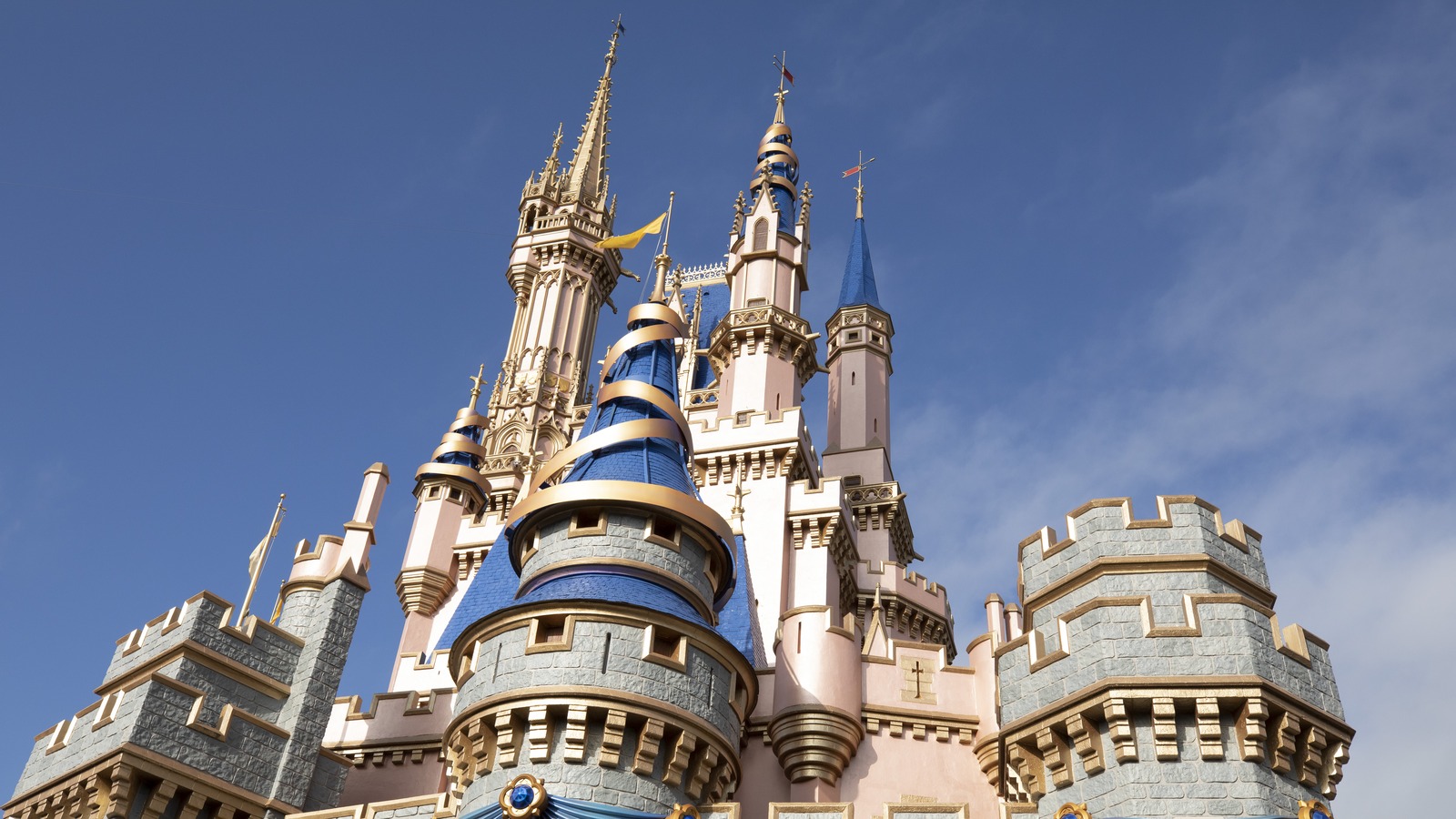
Walt Disney World
Explore the resort’s crowd planning context, then compare the parks and dates that fit your itinerary.
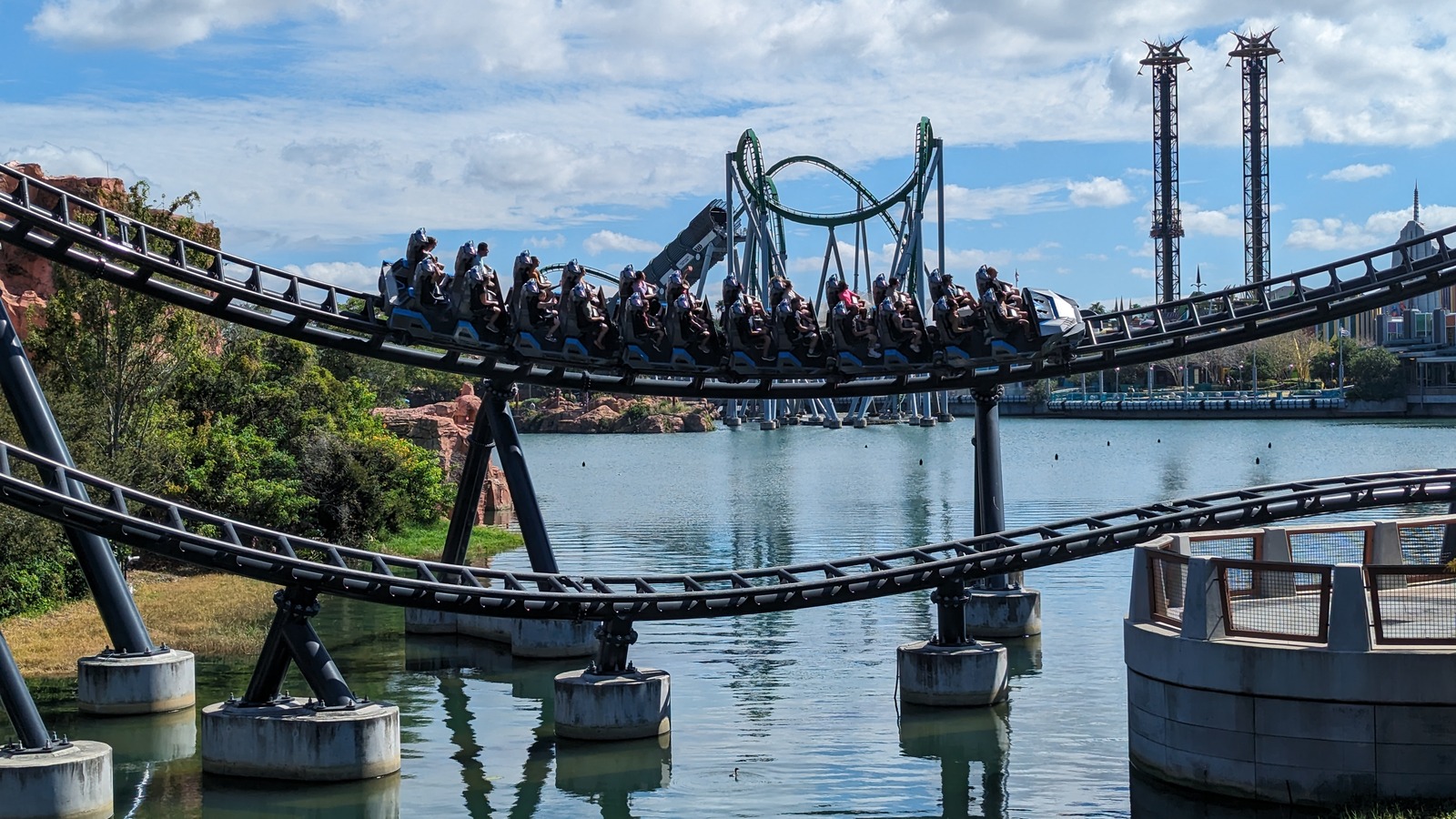
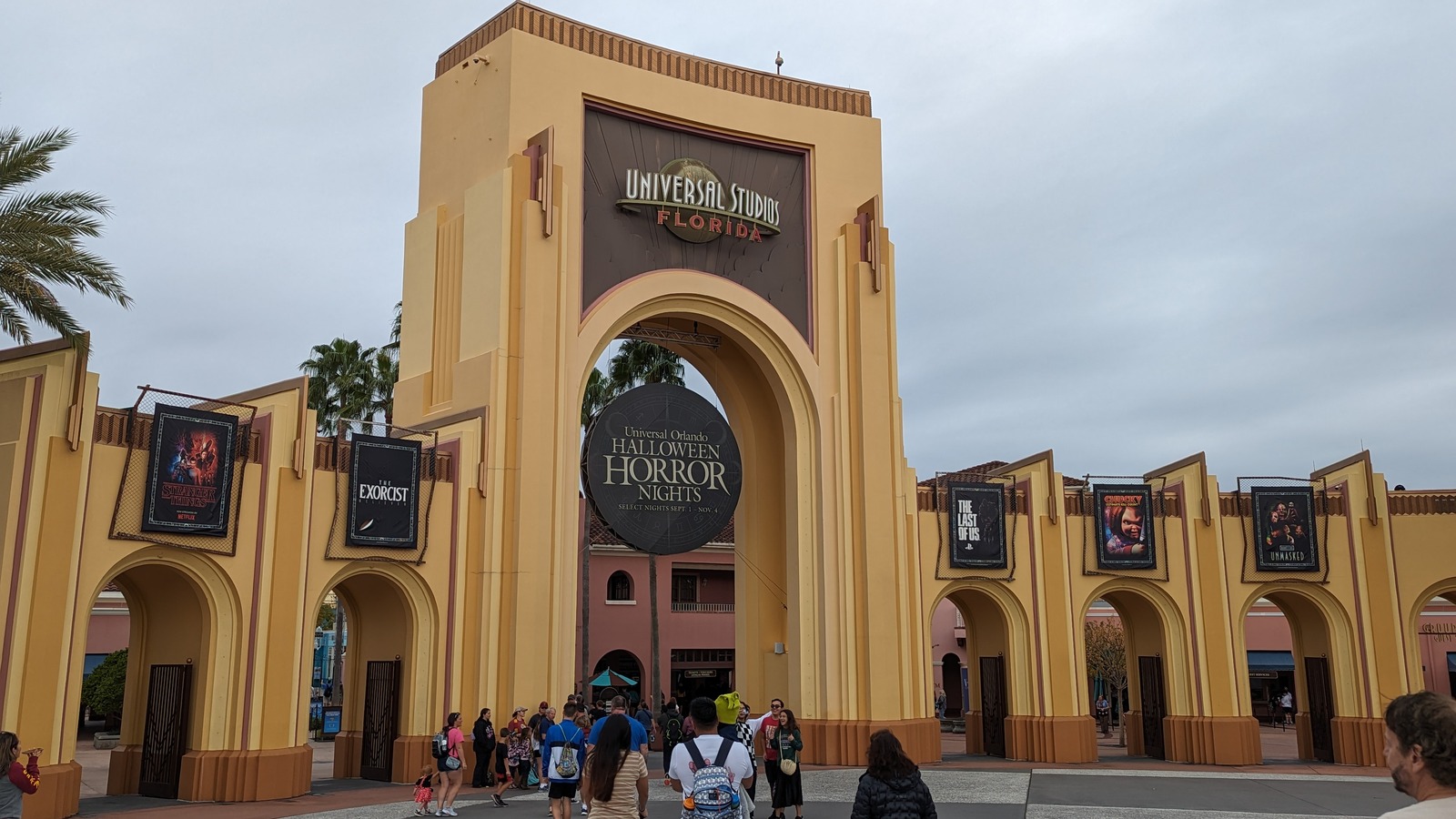
Universal Orlando
Plan around the resort’s different parks and read event and calendar context before choosing your days.
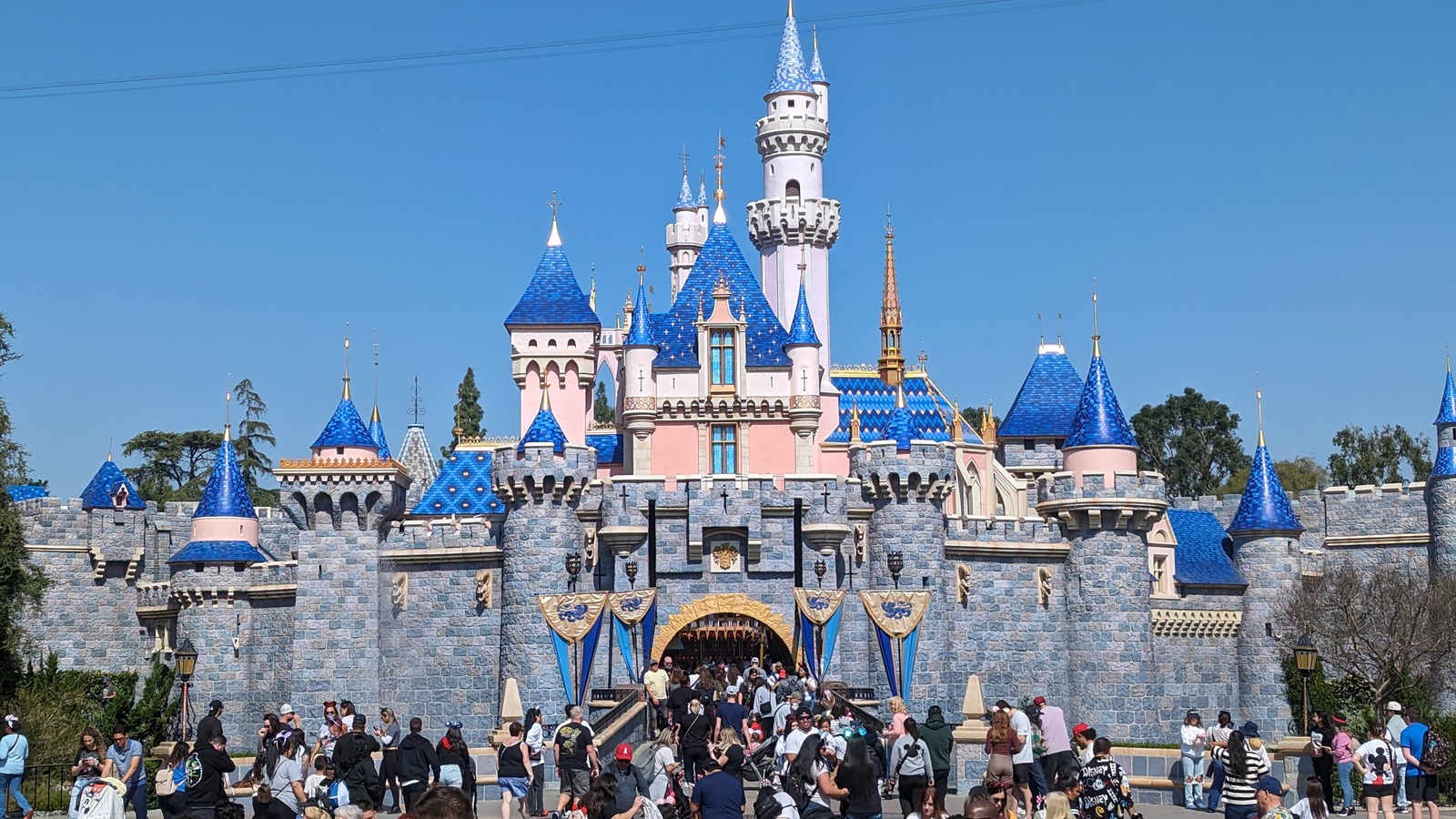
Disneyland Resort
Compare the calendar guidance for an Anaheim visit with the operating schedule for each park.
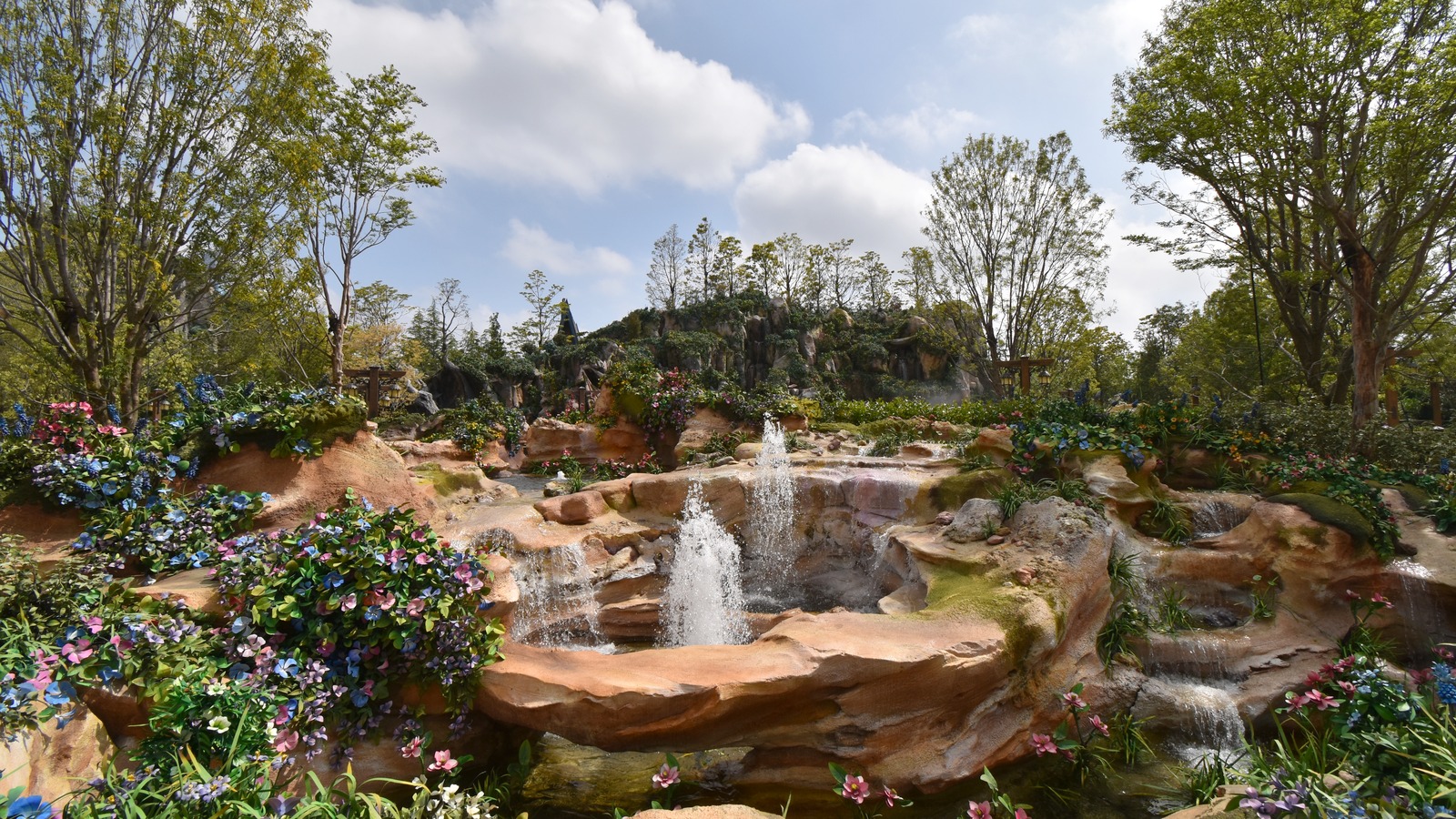
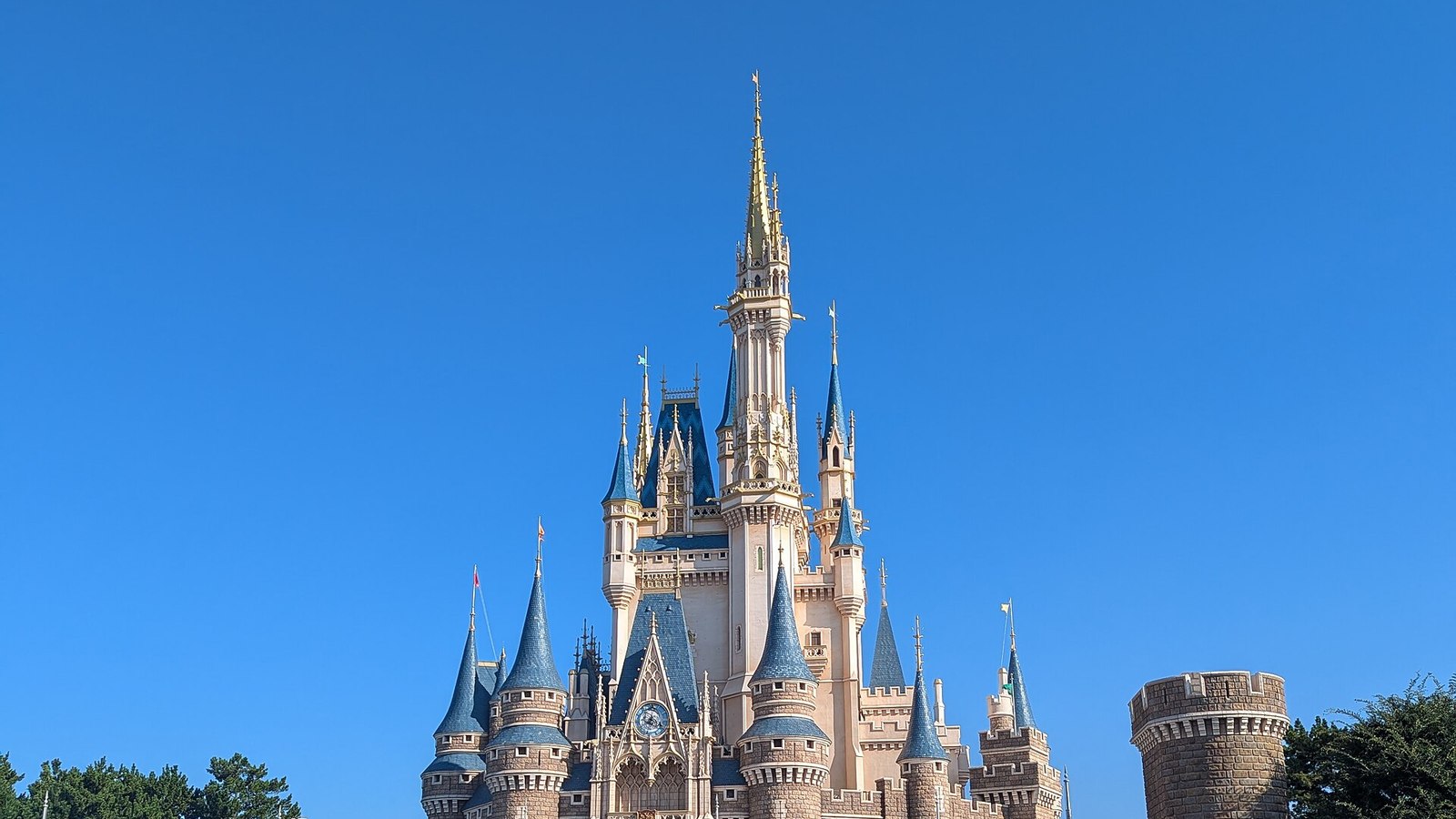
Tokyo Disney Resort
Read the destination’s local calendar context before selecting dates for Tokyo Disneyland and Tokyo DisneySea.
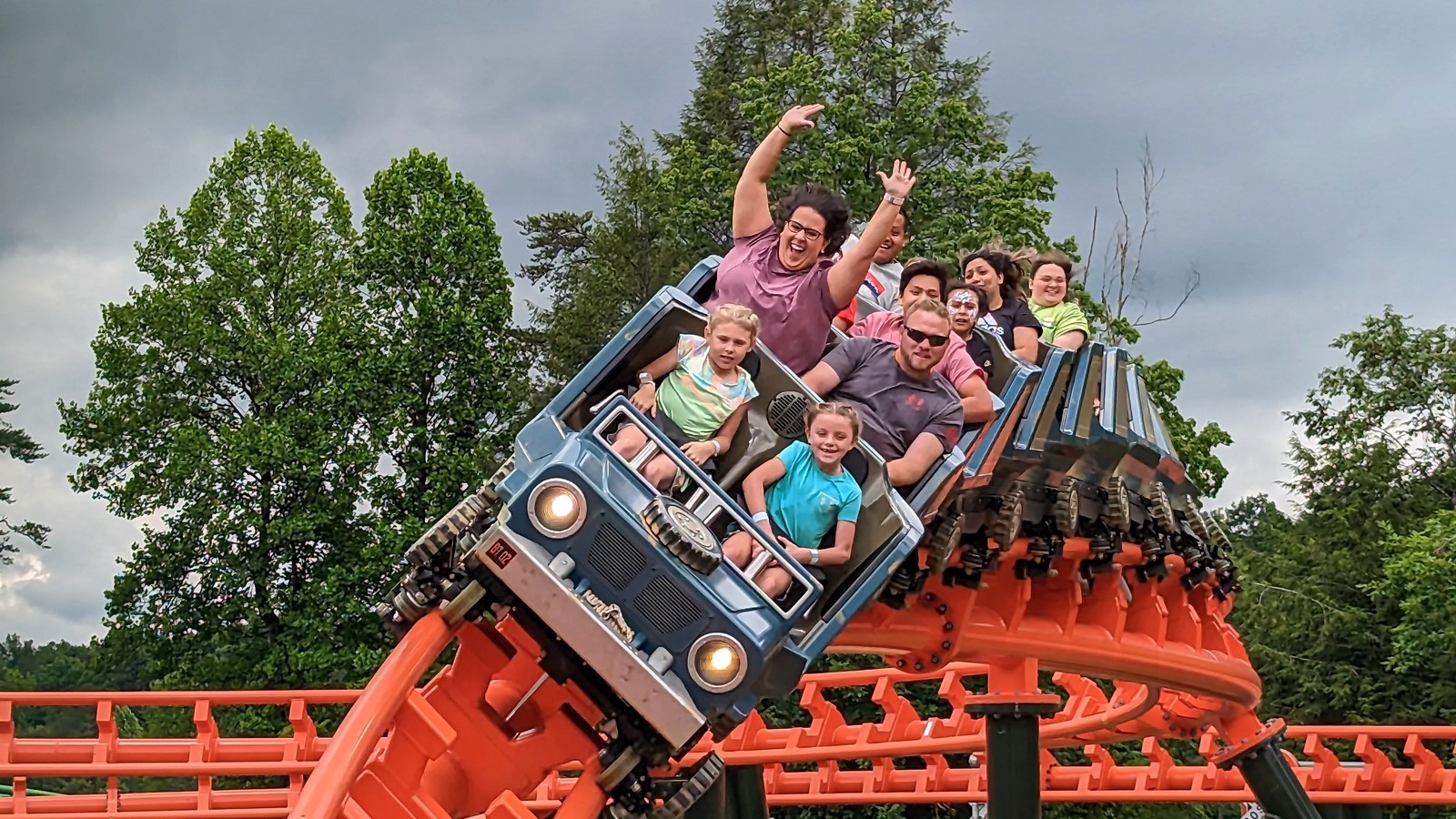
Dollywood
Consider the season, operating calendar and the experiences you want from a Smoky Mountains visit.
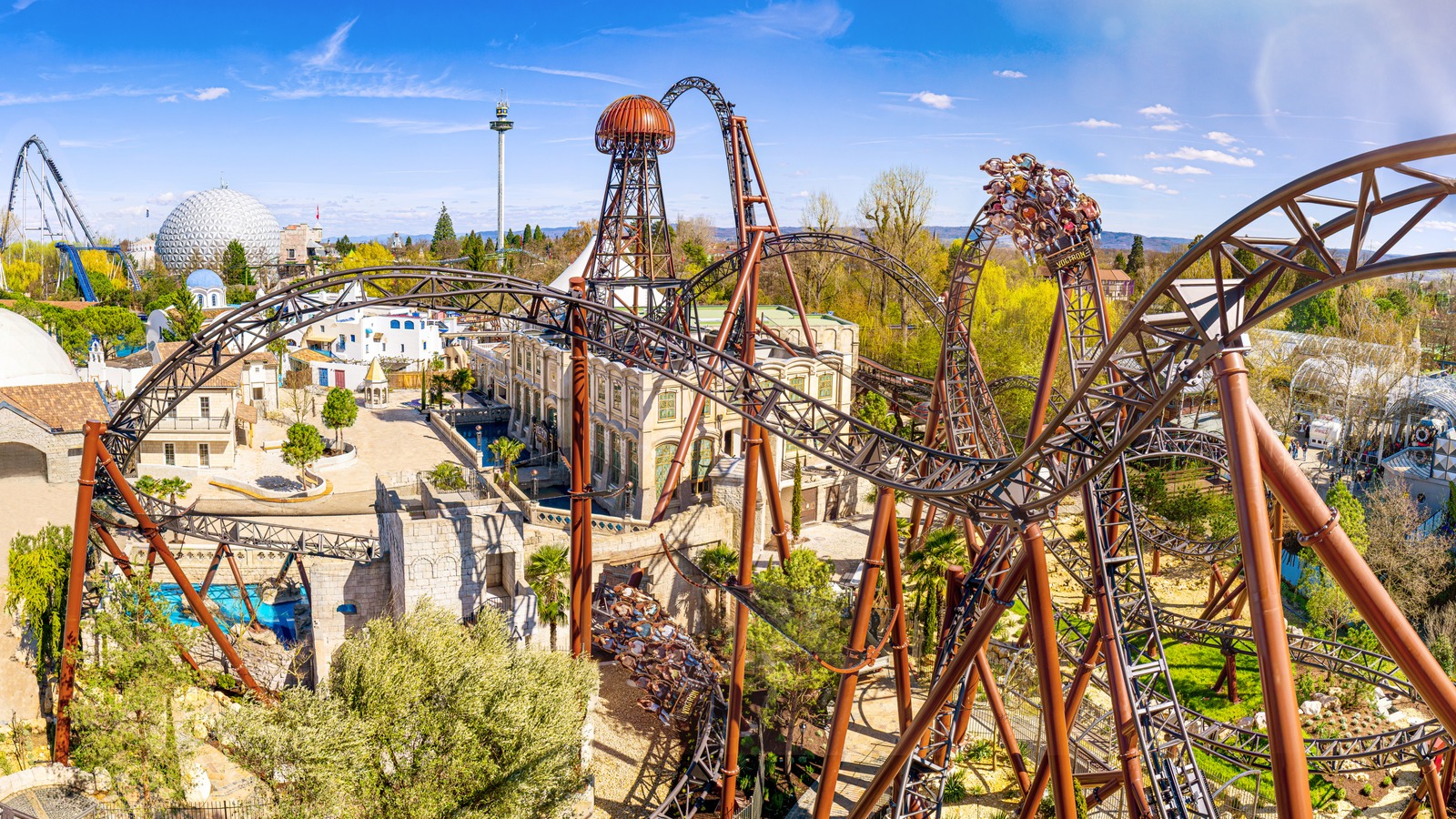
Europa-Park
Use the guide’s seasonal and date context to plan a visit, then confirm the park’s published opening schedule.
In the spotlight
The best date depends on the day you want.
Three different park days, with practical decisions to make before your next adventure.
A new destination
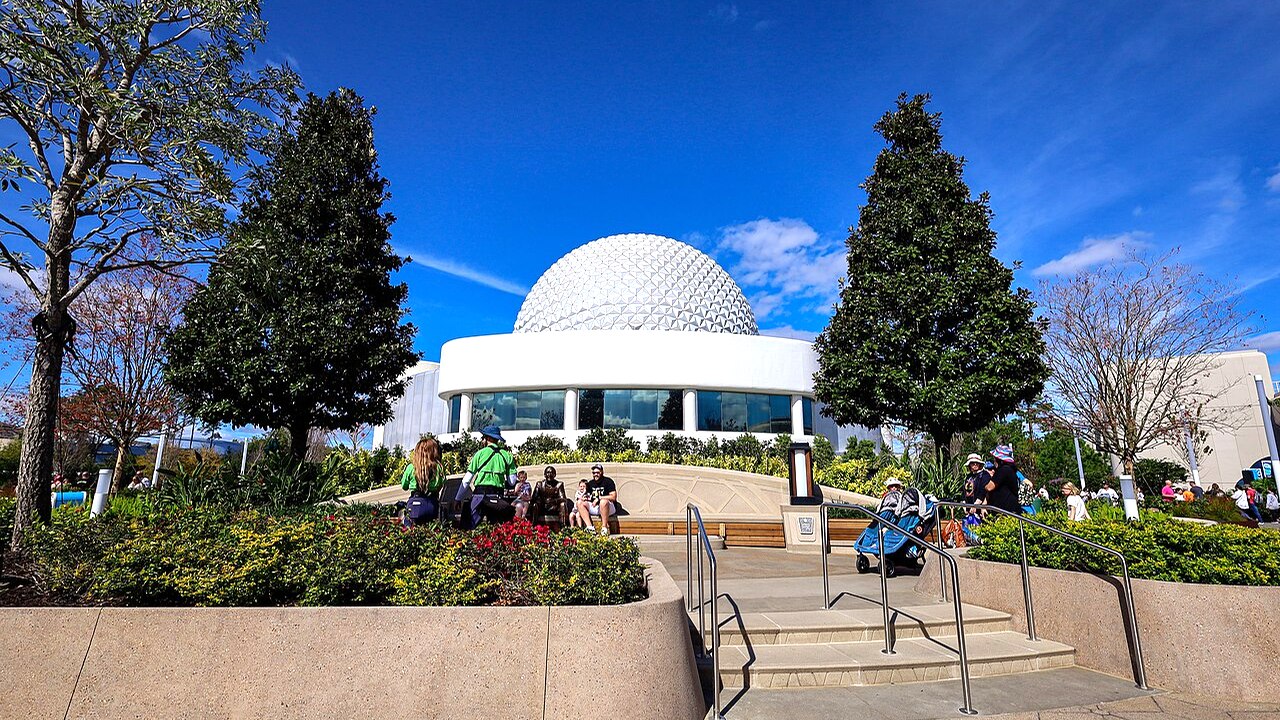
Give Epic Universe its own day
Read the park’s available crowd guidance before fitting it into a wider Orlando itinerary.
A Hollywood visit
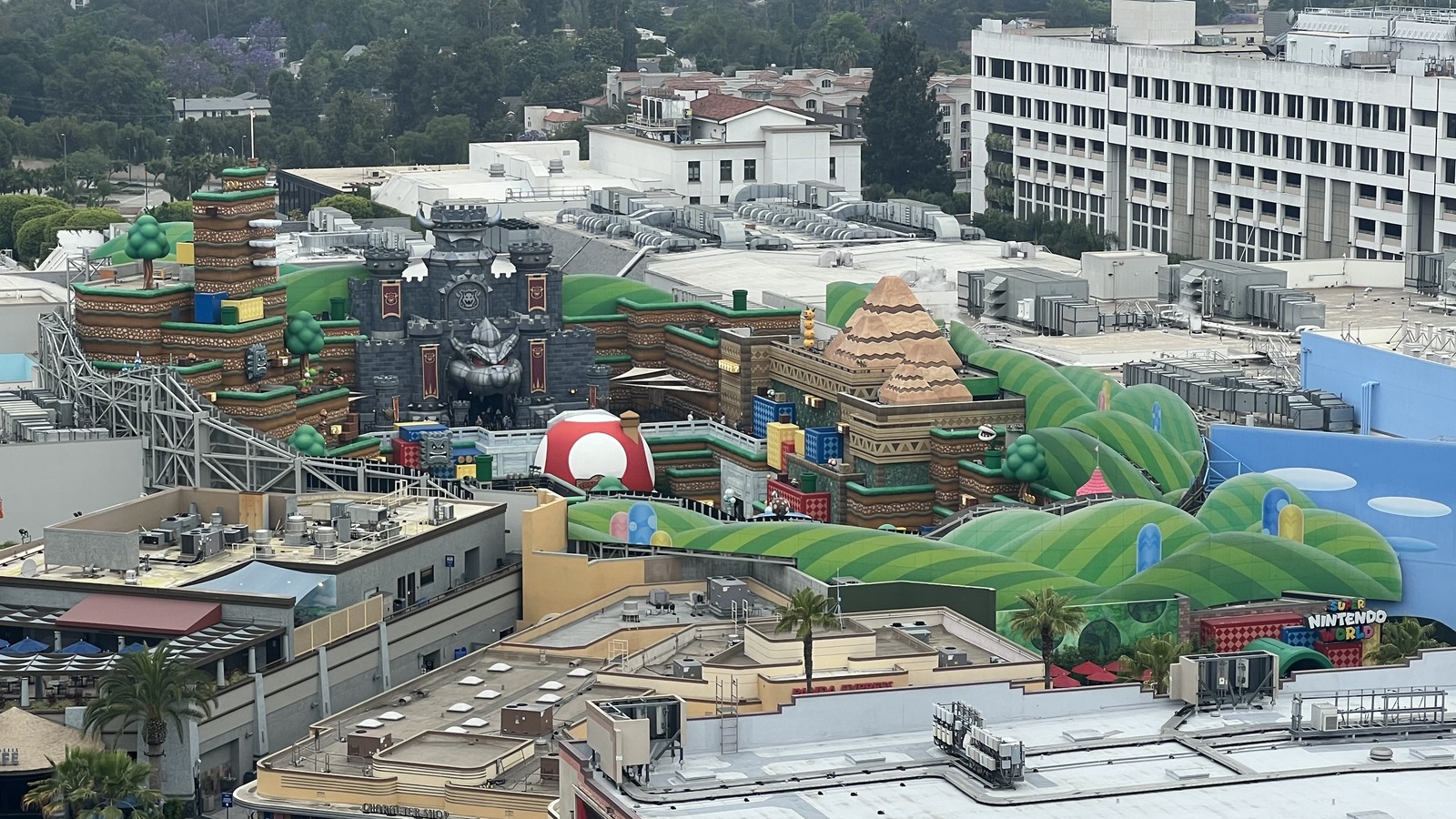
Look beyond the weekday label
Compare your possible dates with the park calendar and the events that matter to your trip.
A water park visit
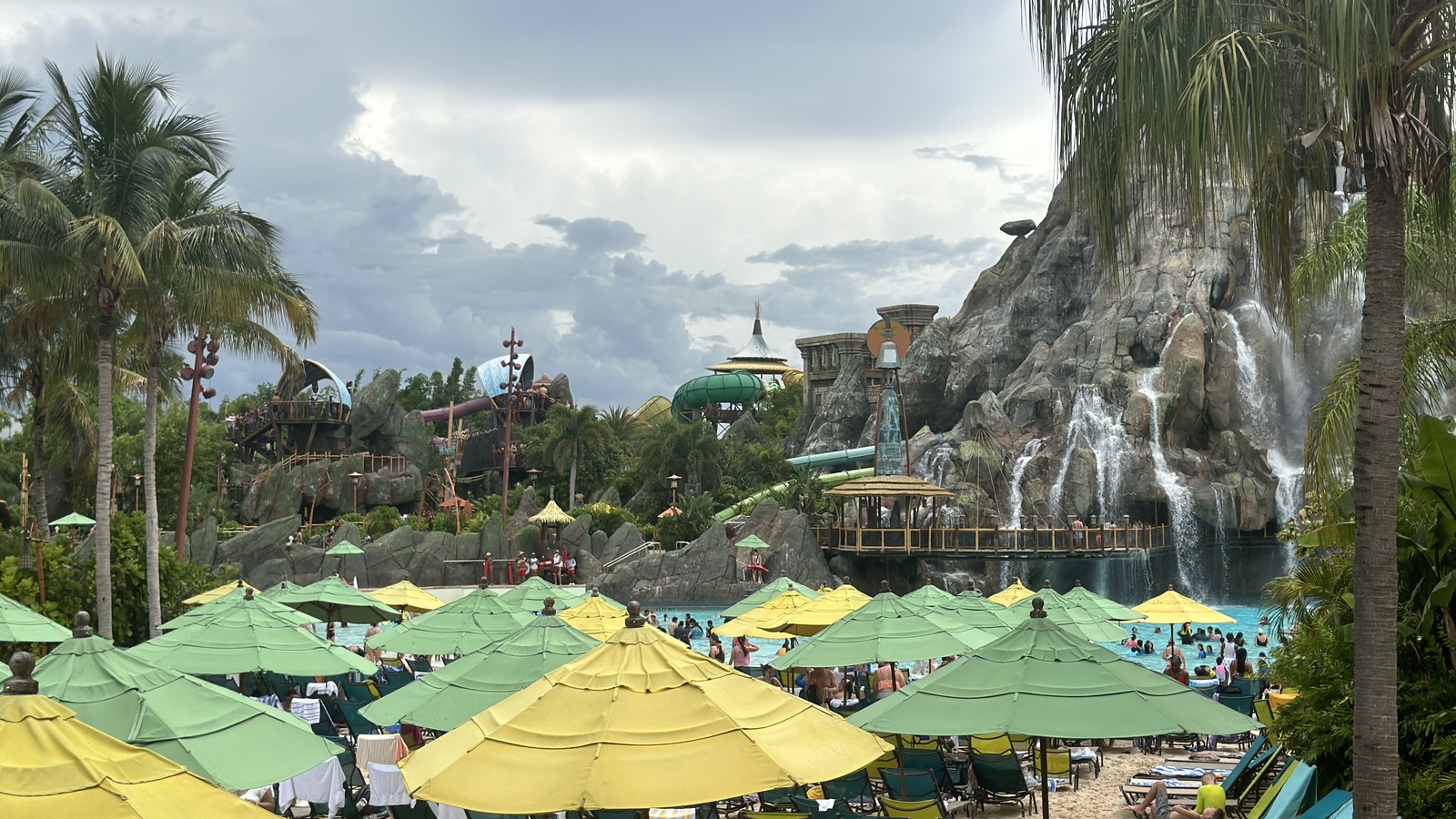
Choose a date that fits the season
Use crowd context alongside operating dates and your group’s plans for a water park day.
Explore by region
Great park days happen
around the world.
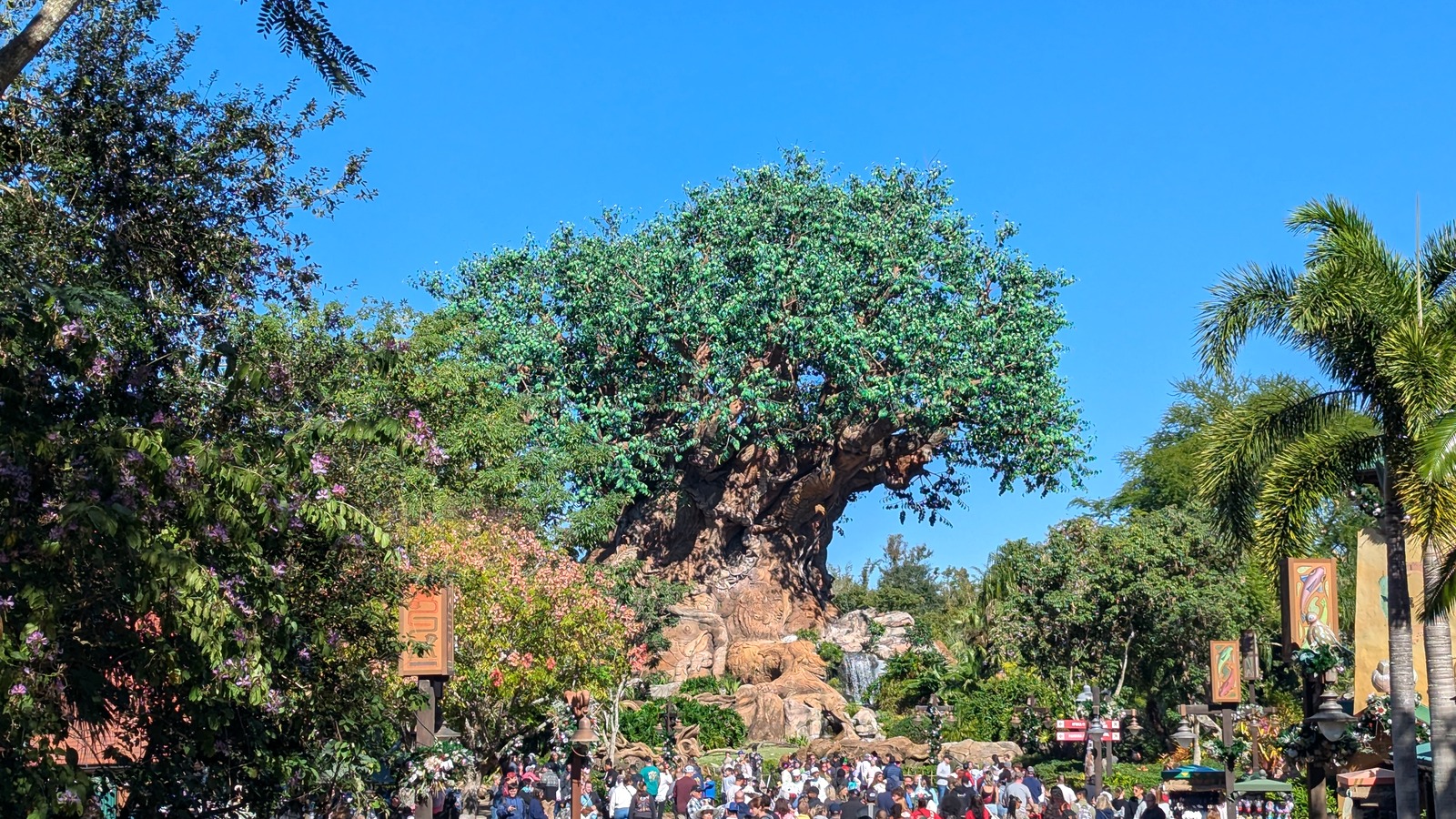
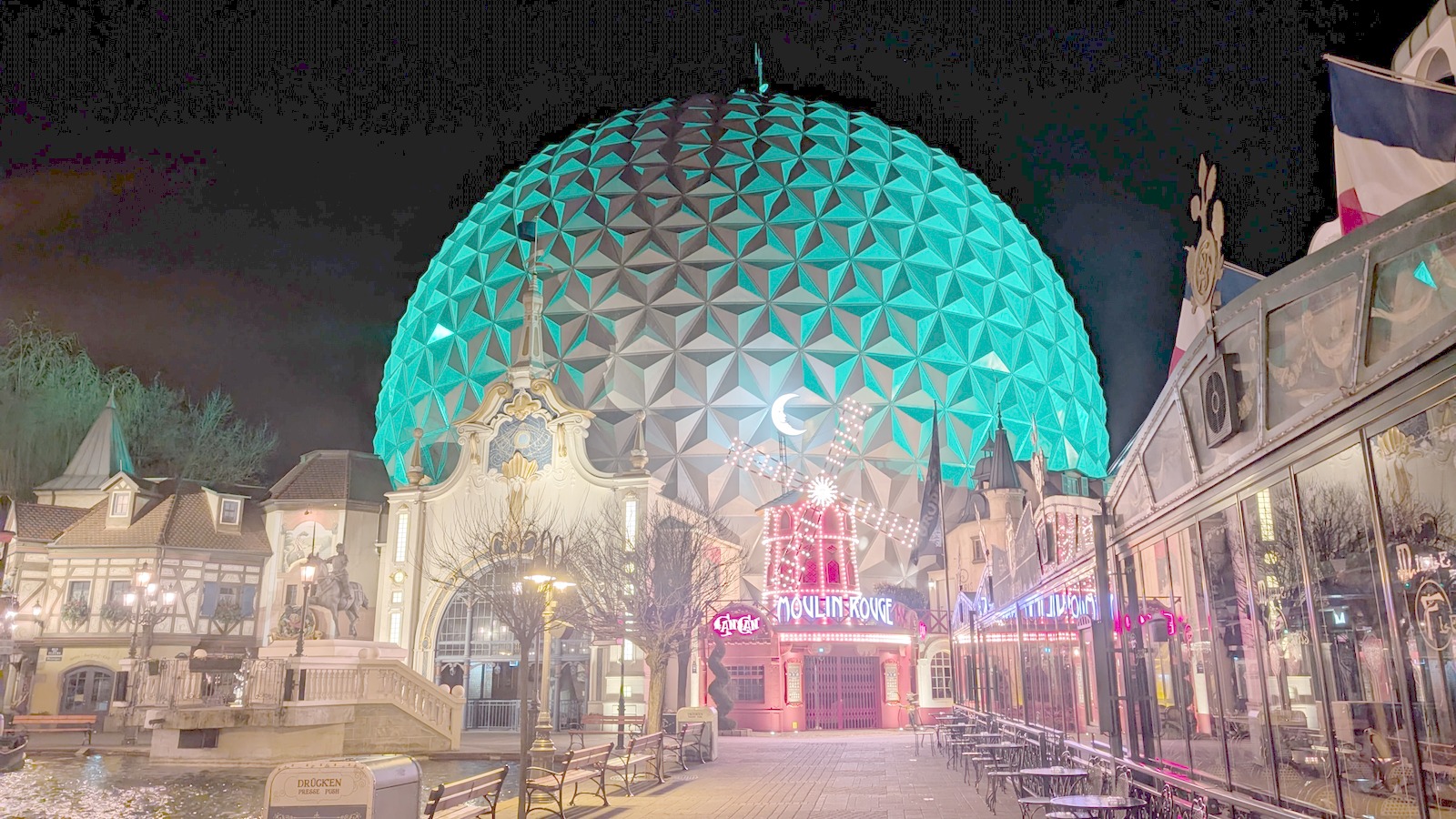
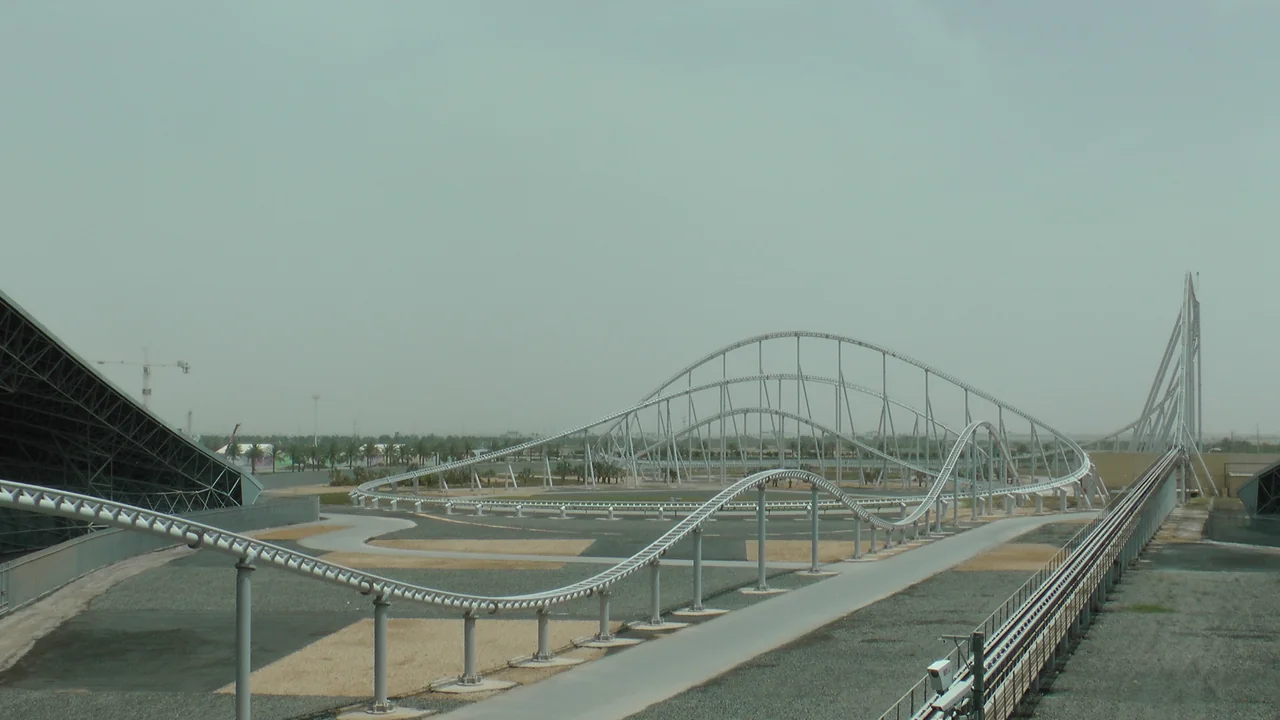
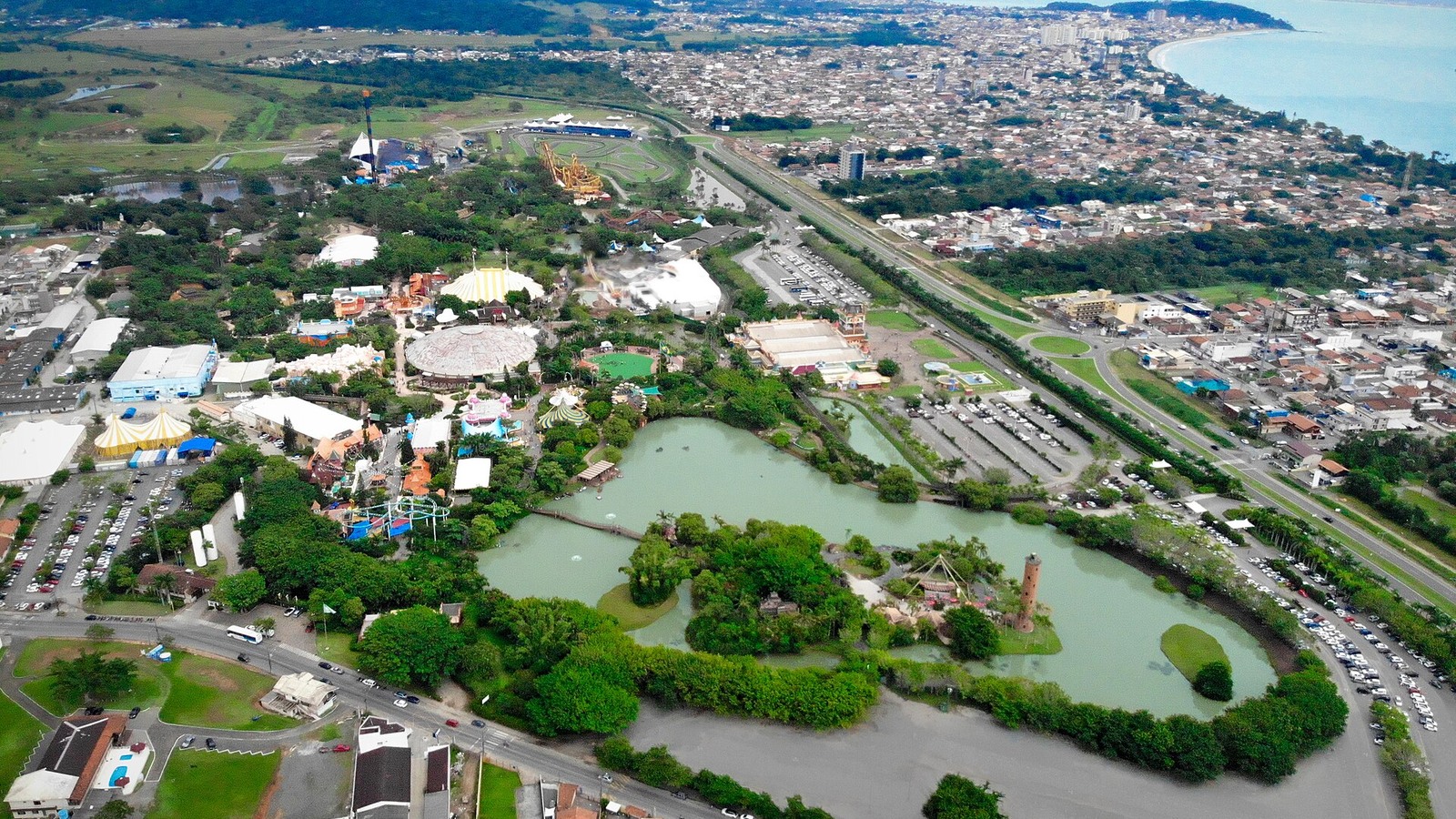
397 crowd calendar guides across 40 countries and territories. Choose a region to see the available guides in that part of the world.

Every available guide
All 397 guides. Find your park.
Browse 392 park and destination guides plus 5 resort overviews. Filter by region or country, or search for a park by name. Coverage varies by guide; read its source and availability notes.
- Adventure IslandTampa, Florida · United StatesPark guide
- Adventure Island SouthendSouthend-on-Sea, England · United KingdomPark guide
- Adventure World PerthBibra Lake, Western Australia, AustraliaPark guide
- Adventureland IowaAltoona, Iowa · United StatesPark guide
- Adventureland Long Island ParkFarmingdale, New York · United StatesPark guide
- Alabama Adventure and Splash AdventureBessemer, Alabama · United StatesPark guide
- Alton TowersAlton, Staffordshire · United KingdomPark guide
- Alton Towers WaterparkStaffordshire, England · United KingdomPark guide
- Animal KingdomOrlando, Florida · United StatesPark guide
- Aqualand Cap d’AgdeCap d’Agde, FrancePark guide
- Aquatica OrlandoOrlando, Florida · United StatesPark guide
- Aquatica San AntonioSan Antonio, Texas · United StatesPark guide
- Aquopolis Costa DauradaLa Pineda, SpainPark guide
- AREA47Ötztal, AustriaPark guide
- Arnolds ParkArnolds Park, Iowa · United StatesPark guide
- Asakusa HanayashikiAsakusa, Tokyo · JapanPark guide
- Aussie WorldPalmview, Queensland · AustraliaPark guide
- Avonturenpark HellendoornHellendoorn, NetherlandsPark guide
- BakkenKlampenborg, DenmarkPark guide
- Bayern-ParkReisbach, GermanyPark guide
- Beach ParkAquiraz, Ceará, BrazilPark guide
- Beech Bend ParkBowling Green, Kentucky, United StatesPark guide
- BELANTISLeipzig, Saxony, GermanyPark guide
- BellewaerdeYpres, West Flanders, BelgiumPark guide
- Belmont ParkMission Beach, San Diego, California, United StatesPark guide
- Beto Carrero WorldPenha, Santa Catarina, BrazilPark guide
- Blackgang ChineIsle of Wight, England · United KingdomPark guide
- Blackpool Pleasure BeachBlackpool, England · United KingdomPark guide
- Blizzard BeachOrlando, Florida · United StatesPark guide
- BobbejaanlandLichtaart, BelgiumPark guide
- BonBon-LandHolme-Olstrup, DenmarkPark guide
- Busch Gardens Tampa BayTampa, Florida · United StatesPark guide
- Busch Gardens WilliamsburgWilliamsburg, Virginia · United StatesPark guide
- Calaway ParkSpringbank, Alberta · CanadaPark guide
- California’s Great AmericaSanta Clara, California · United StatesPark guide
- Camden ParkHuntington, West Virginia · United StatesPark guide
- Camelbeach Mountain WaterparkTannersville, Pennsylvania · United StatesPark guide
- Canada’s WonderlandVaughan, Ontario · CanadaPark guide
- Canobie Lake ParkSalem, New Hampshire · United StatesPark guide
- Caribbean BayYongin, Gyeonggi Province, South KoreaPark guide
- Caribe BayJesolo, ItalyPark guide
- CarowindsCharlotte, North Carolina and South Carolina · United StatesPark guide
- Casino PierSeaside Heights, New Jersey, United StatesPark guide
- Castle ParkRiverside, California, United StatesPark guide
- Castles N’ CoastersPhoenix, Arizona · United StatesPark guide
- Cedar PointSandusky, Ohio · United StatesPark guide
- Cedar Point ShoresSandusky, Ohio, United StatesPark guide
- Centreville Amusement ParkToronto, CanadaPark guide
- Chessington World of AdventuresChessington, England · United KingdomPark guide
- Chimelong Ocean KingdomHengqin, Zhuhai, ChinaPark guide
- Chimelong ParadisePanyu, Guangzhou, ChinaPark guide
- Chimelong Safari ParkChinaPark guide
- Chimelong Water ParkGuangzhou, ChinaPark guide
- Cinecittà WorldCastel Romano, Rome, ItalyPark guide
- Columbia Pictures AquaverseNa Jomtien, ThailandPark guide
- Conny-LandLipperswil, SwitzerlandPark guide
- Crealy Theme Park and ResortExeter, Devon, England · United KingdomPark guide
- Dam Sen Water ParkHo Chi Minh City, VietnamPark guide
- DelGrosso’s Amusement ParkTipton, Pennsylvania · United StatesPark guide
- Deno’s Wonder WheelBrooklyn, New York · United StatesPark guide
- Diggerland KentStrood, England · United KingdomPark guide
- Discovery CoveOrlando, Florida · United StatesPark guide
- Disney California AdventureAnaheim, California · United StatesPark guide
- Disneyland ParisMarne-la-Vallée, FranceResort overview
- Disneyland ParkAnaheim, California · United StatesPark guide
- Disneyland ResortAnaheim, California · United StatesResort overview
- Djurs SommerlandNimtofte, DenmarkPark guide
- DollywoodPigeon Forge, Tennessee · United StatesPark guide
- Dollywood’s Splash CountryPigeon Forge, Tennessee · United StatesPark guide
- Dorney ParkAllentown, Pennsylvania · United StatesPark guide
- Drayton ManorTamworth, England · United KingdomPark guide
- Dream WorldThanyaburi, ThailandPark guide
- DreamworldCoomera, Queensland, AustraliaPark guide
- DrievlietThe Hague, NetherlandsPark guide
- Drusillas ParkEast Sussex, England · United KingdomPark guide
- DuinrellWassenaar, South Holland, NetherlandsPark guide
- Dutch WonderlandLancaster, Pennsylvania · United StatesPark guide
- E-DA Theme ParkKaohsiung, TaiwanPark guide
- E-WorldDaegu, South KoreaPark guide
- EftelingKaatsheuvel, NetherlandsPark guide
- EifelparkGondorf, GermanyPark guide
- Elitch GardensDenver, Colorado · United StatesPark guide
- Emerald ParkAshbourne, County Meath, IrelandPark guide
- Enchanted Forest OregonSalem, Oregon · United StatesPark guide
- Enchanted KingdomSanta Rosa, Laguna, PhilippinesPark guide
- EnergylandiaZator, PolandPark guide
- EPCOTOrlando, Florida · United StatesPark guide
- Epic UniverseOrlando, Florida · United StatesPark guide
- ESCAPE PenangTeluk Bahang, Penang, MalaysiaPark guide
- EtnalandBelpasso, Sicily, ItalyPark guide
- Europa-ParkRust, GermanyPark guide
- EverlandYongin, South KoreaPark guide
- FantasilandiaSantiago, ChilePark guide
- Fantasy Island IngoldmellsIngoldmells, Lincolnshire · United KingdomPark guide
- Ferrari LandSalou and Vila-seca, SpainPark guide
- Ferrari World Abu DhabiYas Island, Abu Dhabi, UAE · United Arab EmiratesPark guide
- Flamingo LandKirby Misperton, North Yorkshire, England · United KingdomPark guide
- Folly FarmPembrokeshire, Wales · United KingdomPark guide
- Fort Fun AbenteuerlandBestwig, GermanyPark guide
- Fraispertuis CityJeanménil, Vosges, FrancePark guide
- Freizeit-Land GeiselwindGeiselwind, GermanyPark guide
- Freizeitpark PlohnLengenfeld, GermanyPark guide
- Frontier CityOklahoma City, Oklahoma · United StatesPark guide
- Fuji-Q HighlandFujiyoshida, Yamanashi, JapanPark guide
- Fun Spot America KissimmeeKissimmee, Florida · United StatesPark guide
- Fun Spot America OrlandoOrlando, Florida · United StatesPark guide
- Funtown Splashtown USASaco, Maine · United StatesPark guide
- FuturoscopeChasseneuil-du-Poitou, FrancePark guide
- Fårup SommerlandBlokhus, DenmarkPark guide
- GalaxylandEdmonton, Alberta · CanadaPark guide
- Galveston Island Historic Pleasure PierGalveston, Texas · United StatesPark guide
- GardalandCastelnuovo del Garda, ItalyPark guide
- Genting SkyWorldsGenting Highlands, MalaysiaPark guide
- Ghibli ParkNagakute, Aichi, JapanPark guide
- Gilroy GardensGilroy, California, United StatesPark guide
- Glenwood Caverns Adventure ParkGlenwood Springs, Colorado · United StatesPark guide
- Gold Reef CityJohannesburg, South AfricaPark guide
- Great EscapeQueensbury, New York · United StatesPark guide
- Great Wolf Lodge BloomingtonBloomington, MN · United StatesPark guide
- Great Wolf Lodge Colorado SpringsColorado Springs, CO · United StatesPark guide
- Great Wolf Lodge ConcordConcord, NC · United StatesPark guide
- Great Wolf Lodge GeorgiaLaGrange, GA · United StatesPark guide
- Great Wolf Lodge Grand MoundCentralia, WA · United StatesPark guide
- Great Wolf Lodge GrapevineGrapevine, TX · United StatesPark guide
- Great Wolf Lodge IllinoisGurnee, IL · United StatesPark guide
- Great Wolf Lodge Kansas CityKansas City, KS · United StatesPark guide
- Great Wolf Lodge MantecaManteca, CA · United StatesPark guide
- Great Wolf Lodge MarylandPerryville, MD · United StatesPark guide
- Great Wolf Lodge MasonMason, OH · United StatesPark guide
- Great Wolf Lodge NaplesNaples, FL · United StatesPark guide
- Great Wolf Lodge New EnglandFitchburg, MA · United StatesPark guide
- Great Wolf Lodge Pocono MountainsScotrun, PA · United StatesPark guide
- Great Wolf Lodge SanduskySandusky, OH · United StatesPark guide
- Great Wolf Lodge ScottsdaleScottsdale, AZ · United StatesPark guide
- Great Wolf Lodge Southern CaliforniaAnaheim, CA · United StatesPark guide
- Great Wolf Lodge Texas SouthWebster, TX · United StatesPark guide
- Great Wolf Lodge Traverse CityTraverse City, MI · United StatesPark guide
- Great Wolf Lodge WilliamsburgWilliamsburg, VA · United StatesPark guide
- Great Wolf Lodge Wisconsin DellsBaraboo, WI · United StatesPark guide
- Greenland KumamotoArao, Kumamoto, JapanPark guide
- Gröna LundStockholm, SwedenPark guide
- Gulliver’s Kingdom Matlock BathMatlock Bath, Derbyshire · United KingdomPark guide
- Gulliver’s ValleyRotherham, England · United KingdomPark guide
- Gulliver’s World WarringtonWarrington, England · United KingdomPark guide
- Gumbuya WorldTynong, Victoria · AustraliaPark guide
- Hamanako Pal PalHamamatsu, JapanPark guide
- HANSA-PARKSierksdorf, Schleswig-Holstein, GermanyPark guide
- Happy Valley ChengduChengdu, ChinaPark guide
- Heide ParkSoltau, GermanyPark guide
- HersheyparkHershey, Pennsylvania · United StatesPark guide
- Hirakata ParkHirakata, Osaka, JapanPark guide
- Holiday WorldSanta Claus, Indiana · United StatesPark guide
- Hollywood StudiosOrlando, Florida · United StatesPark guide
- Hong Kong DisneylandLantau Island, Hong KongPark guide
- Hopi HariVinhedo, São Paulo, BrazilPark guide
- Hot Park Rio QuenteRio Quente, BrazilPark guide
- Huis Ten BoschSasebo, Nagasaki, JapanPark guide
- Hunderfossen Family ParkLillehammer, NorwayPark guide
- Hurricane Harbor ArlingtonArlington, Texas · United StatesPark guide
- Hurricane Harbor ChicagoGurnee, Illinois · United StatesPark guide
- Hurricane Harbor ConcordConcord, California, United StatesPark guide
- Hurricane Harbor Lake GeorgeQueensbury, New York, United StatesPark guide
- Hurricane Harbor Los AngelesValencia, California, United StatesPark guide
- Hurricane Harbor New JerseyJackson, New Jersey · United StatesPark guide
- Hurricane Harbor OaxtepecMexicoPark guide
- Hurricane Harbor Oklahoma CityUnited StatesPark guide
- Hurricane Harbor PhoenixGlendale, Arizona, United StatesPark guide
- Hurricane Harbor RockfordCherry Valley, Illinois, United StatesPark guide
- Hurricane Harbor SplashtownSpring, Texas, United StatesPark guide
- Idlewild and SoakZoneLigonier, Pennsylvania, United StatesPark guide
- Imagicaa Theme ParkKhopoli, Maharashtra, IndiaPark guide
- IMG Worlds of AdventureDubai, UAE · United Arab EmiratesPark guide
- Indiana BeachMonticello, Indiana · United StatesPark guide
- Isla MágicaSeville, SpainPark guide
- Islands of AdventureOrlando, Florida · United StatesPark guide
- Jaime Duque ParkTocancipá, ColombiaPark guide
- Jardin d’AcclimatationParis, FrancePark guide
- Jatim Park 2Batu, IndonesiaPark guide
- Jenkinson’s BoardwalkPoint Pleasant Beach, New Jersey · United StatesPark guide
- JulianatorenApeldoorn, NetherlandsPark guide
- JunglelandSentul, IndonesiaPark guide
- KennywoodWest Mifflin, Pennsylvania · United StatesPark guide
- Kentucky KingdomLouisville, Kentucky · United StatesPark guide
- KingolandPlumelin, FrancePark guide
- Kings DominionDoswell, Virginia · United StatesPark guide
- Kings IslandMason, Ohio · United StatesPark guide
- Knoebels Amusement ResortElysburg, Pennsylvania · United StatesPark guide
- Knott’s Berry FarmBuena Park, California · United StatesPark guide
- Knott’s Soak CityBuena Park, California · United StatesPark guide
- KongeparkenÅlgård, NorwayPark guide
- Kryal CastleLeigh Creek, Victoria · AustraliaPark guide
- La Mer de SableErmenonville, FrancePark guide
- La RondeMontréal, Québec · CanadaPark guide
- LagoonFarmington, Utah · United StatesPark guide
- Lake CompounceBristol, Connecticut · United StatesPark guide
- Lake Winnepesaukah ParkRossville, Georgia · United StatesPark guide
- Le PALSaint-Pourçain-sur-Besbre, Allier, FrancePark guide
- LegendiaChorzów, PolandPark guide
- LEGOLAND BillundBillund, DenmarkPark guide
- LEGOLAND CaliforniaCarlsbad, California · United StatesPark guide
- LEGOLAND DeutschlandGünzburg, GermanyPark guide
- LEGOLAND DubaiDubai, United Arab EmiratesPark guide
- LEGOLAND Dubai Water ParkDubai, United Arab EmiratesPark guide
- LEGOLAND FloridaWinter Haven, Florida · United StatesPark guide
- LEGOLAND JapanJapanPark guide
- LEGOLAND KoreaChuncheon, South KoreaPark guide
- LEGOLAND MalaysiaIskandar Puteri, MalaysiaPark guide
- LEGOLAND Malaysia Water ParkIskandar Puteri, MalaysiaPark guide
- LEGOLAND New YorkGoshen, New York · United StatesPark guide
- LEGOLAND WindsorWindsor, England · United KingdomPark guide
- Leofoo VillageHsinchu County, TaiwanPark guide
- LeolandiaCapriate San Gervasio, Lombardy, ItalyPark guide
- Lightwater ValleyRipon, England · United KingdomPark guide
- Linnanmäki ParkHelsinki, FinlandPark guide
- LisebergGothenburg, SwedenPark guide
- Little AmerrickaMarshall, Wisconsin · United StatesPark guide
- Lost Island ThemeparkWaterloo, Iowa · United StatesPark guide
- Lotte WorldSeoul, South KoreaPark guide
- Luna Park in Coney IslandBrooklyn, New York · United StatesPark guide
- Luna Park MelbourneSt Kilda, AustraliaPark guide
- Luna Park SydneyMilsons Point, Sydney, AustraliaPark guide
- Magic KingdomLake Buena Vista, Florida · United StatesPark guide
- Magic SpringsHot Springs, Arkansas · United StatesPark guide
- MagicLandValmontone, ItalyPark guide
- Marineland MallorcaCosta d’en Blanes, Mallorca, SpainPark guide
- Michigan’s AdventureMuskegon, Michigan · United StatesPark guide
- Mid America AdventureEureka, Missouri · United StatesPark guide
- MirabilandiaRavenna, Emilia-Romagna, ItalyPark guide
- Monte Igueldo ParkSan Sebastián, SpainPark guide
- MOTIONGATE DubaiDubai, UAE · United Arab EmiratesPark guide
- Movie Park GermanyBottrop, GermanyPark guide
- Movieland ParkLake Garda, ItalyPark guide
- Mt. Olympus Water and Theme ParkWisconsin Dells, Wisconsin, United StatesPark guide
- Mundo AventuraBogotá, ColombiaPark guide
- Nagashima Spa LandKuwana, Mie, JapanPark guide
- Nasu Highland ParkNasu, Tochigi, JapanPark guide
- Nicco ParkKolkata, IndiaPark guide
- Nickelodeon Universe American DreamEast Rutherford, New Jersey · United StatesPark guide
- Nickelodeon Universe Mall of America ParkBloomington, Minnesota · United StatesPark guide
- NiglolandDolancourt, Aube, FrancePark guide
- Noah’s Ark WaterparkWisconsin Dells, Wisconsin, United StatesPark guide
- Oaks ParkPortland, Oregon · United StatesPark guide
- Ocean Park Hong KongHong KongPark guide
- Pacific ParkSanta Monica, California · United StatesPark guide
- Palace PlaylandOld Orchard Beach, Maine · United StatesPark guide
- Papea ParcYvré-l’Évêque, FrancePark guide
- Parc AstérixPlailly, FrancePark guide
- Parc BagatelleMerlimont, FrancePark guide
- Parc du Petit PrinceFrancePark guide
- Parc Saint PaulSaint-Paul, FrancePark guide
- Parc SpirouMonteux, FrancePark guide
- Parque de Atracciones de MadridCasa de Campo, Madrid, SpainPark guide
- Parque de La CostaTigre, ArgentinaPark guide
- Parque del CaféMontenegro, ColombiaPark guide
- Parque Warner BeachSan Martín de la Vega, SpainPark guide
- Parque Warner MadridSan Martín de la Vega, Madrid, SpainPark guide
- Paultons ParkOwer, England · United KingdomPark guide
- Peppa Pig Theme Park Dallas-Fort WorthNorth Richland Hills, Texas · United StatesPark guide
- Peppa Pig Theme Park FloridaWinter Haven, Florida · United StatesPark guide
- PhantasialandBrühl, GermanyPark guide
- Playland at the PNEVancouver, British Columbia, CanadaPark guide
- Playmobil FunParkZirndorf, GermanyPark guide
- Pleasurewood HillsLowestoft, England · United KingdomPark guide
- Plopsaland ArdennesCoo, BelgiumPark guide
- Plopsaland BelgiumDe Panne, BelgiumPark guide
- Plopsaland DeutschlandHaßloch, Rhineland-Palatinate, GermanyPark guide
- PortAventura ParkSalou and Vila-seca, SpainPark guide
- Potts ParkMinden, GermanyPark guide
- Puy du FouLes Epesses, Vendée, FrancePark guide
- Quassy Amusement ParkMiddlebury, Connecticut · United StatesPark guide
- Raging Waters Los AngelesSan Dimas, California, United StatesPark guide
- Rainbow’s EndManukau, Auckland, New ZealandPark guide
- Ramayana Water ParkSattahip, ThailandPark guide
- Ramoji Film CityHyderabad, IndiaPark guide
- Rasti-LandSalzhemmendorf, GermanyPark guide
- Ravensburger SpielelandMeckenbeuren, GermanyPark guide
- Real Madrid WorldDubai, United Arab EmiratesPark guide
- RulanticaRust, GermanyPark guide
- Rusutsu ResortHokkaido, JapanPark guide
- Santa Cruz Beach BoardwalkSanta Cruz, California · United StatesPark guide
- Santa’s Village East DundeeEast Dundee, Illinois · United StatesPark guide
- Santa’s Village New HampshireJefferson, New Hampshire · United StatesPark guide
- Schlitterbahn GalvestonGalveston, Texas · United StatesPark guide
- Schlitterbahn New BraunfelsUnited StatesPark guide
- Schloss BeckBottrop, GermanyPark guide
- Sea World Gold CoastAustraliaPark guide
- Seabreeze Amusement ParkRochester, New York · United StatesPark guide
- SeaWorld Abu DhabiYas Island, Abu Dhabi, UAE · United Arab EmiratesPark guide
- SeaWorld OrlandoOrlando, Florida · United StatesPark guide
- SeaWorld San AntonioSan Antonio, Texas · United StatesPark guide
- SeaWorld San DiegoSan Diego, California · United StatesPark guide
- Seibuen Amusement ParkTokorozawa, Saitama, JapanPark guide
- Seoul LandGwacheon, South KoreaPark guide
- Sesame Place PhiladelphiaLanghorne, Pennsylvania · United StatesPark guide
- Sesame Place San DiegoChula Vista, California · United StatesPark guide
- Shanghai DisneylandShanghai, ChinaPark guide
- Shima Spain Village ParkShima, JapanPark guide
- Siam Amazing ParkBangkok, ThailandPark guide
- Silver Dollar CityBranson, Missouri · United StatesPark guide
- SilverwoodAthol, Idaho · United StatesPark guide
- Six Flags Darien LakeDarien Center, New York · United StatesPark guide
- Six Flags Discovery KingdomVallejo, California · United StatesPark guide
- Six Flags Fiesta TexasSan Antonio, Texas · United StatesPark guide
- Six Flags Great AdventureJackson, New Jersey · United StatesPark guide
- Six Flags Great AmericaGurnee, Illinois · United StatesPark guide
- Six Flags Magic MountainValencia, California · United StatesPark guide
- Six Flags MéxicoMexico City, MexicoPark guide
- Six Flags New EnglandAgawam, Massachusetts · United StatesPark guide
- Six Flags Over GeorgiaAustell, Georgia · United StatesPark guide
- Six Flags Over TexasArlington, Texas · United StatesPark guide
- Six Flags Qiddiya CitySaudi ArabiaPark guide
- Six Flags White WaterMarietta, Georgia, United StatesPark guide
- Skara SommarlandAxvall, Västra Götaland, SwedenPark guide
- Ski DubaiDubai, United Arab EmiratesPark guide
- Skyline ParkBad Wörishofen, GermanyPark guide
- SlagharenSlagharen, NetherlandsPark guide
- Splish SplashCalverton, New York, United StatesPark guide
- Steinwasen ParkOberried, Black Forest · GermanyPark guide
- Stone Mountain ParkStone Mountain, Georgia · United StatesPark guide
- Story LandGlen, New Hampshire, United StatesPark guide
- Storybook LandEgg Harbor Township, New Jersey · United StatesPark guide
- Sundown AdventurelandNottinghamshire, England · United KingdomPark guide
- SuntagoWręcza, PolandPark guide
- Sunway LagoonPetaling Jaya, MalaysiaPark guide
- Suoi TienHo Chi Minh City, VietnamPark guide
- SuperlandRishon LeZion, IsraelPark guide
- SärkänniemiTampere, FinlandPark guide
- Tatzmania LöffingenLöffingen, Black Forest, GermanyPark guide
- Taunus WunderlandSchlangenbad, GermanyPark guide
- Terra MíticaBenidorm, Alicante, SpainPark guide
- Terra Natura BenidormBenidorm, SpainPark guide
- The Big Banana Fun ParkCoffs Harbour, New South Wales · AustraliaPark guide
- The Island in Pigeon ForgePigeon Forge, Tennessee · United StatesPark guide
- Thorpe ParkChertsey, England · United KingdomPark guide
- TibidaboBarcelona, SpainPark guide
- Tivoli GardensCopenhagen, DenmarkPark guide
- Tobu ZooMiyashiro, Saitama, JapanPark guide
- Tokyo Disney ResortUrayasu, Chiba, JapanResort overview
- Tokyo DisneylandUrayasu, JapanPark guide
- Tokyo DisneySeaUrayasu, JapanPark guide
- Tokyo Dome City AttractionsTokyo, JapanPark guide
- Tokyo JoypolisTokyo, JapanPark guide
- ToverlandSevenum, NetherlandsPark guide
- Trans Studio BandungBandung, IndonesiaPark guide
- Trans Studio CibuburCibubur, IndonesiaPark guide
- TripsdrillCleebronn, Baden-Württemberg, GermanyPark guide
- Tropic Falls at OWAFoley, Alabama · United StatesPark guide
- Tropical IslandsKrausnick, GermanyPark guide
- TusenFrydVinterbro, NorwayPark guide
- Tweetsie RailroadBlowing Rock, North Carolina · United StatesPark guide
- Typhoon LagoonOrlando, Florida · United StatesPark guide
- Universal OrlandoOrlando, Florida · United StatesResort overview
- Universal Studios BeijingBeijing, ChinaPark guide
- Universal Studios FloridaOrlando, Florida · United StatesPark guide
- Universal Studios HollywoodUniversal City, California · United StatesPark guide
- Universal Studios JapanOsaka, JapanPark guide
- Universal Studios SingaporeSentosa, SingaporePark guide
- uShaka Marine WorldDurban, South AfricaPark guide
- Uzumasa Kyoto VillageKyoto, JapanPark guide
- ValleyfairShakopee, Minnesota · United StatesPark guide
- Village Vacances ValcartierSaint-Gabriel-de-Valcartier, CanadaPark guide
- VinWonders Nha TrangNha Trang, VietnamPark guide
- Volcano BayOrlando, Florida · United StatesPark guide
- VulcaniaSaint-Ours, FrancePark guide
- Waldameer and Water WorldErie, Pennsylvania · United StatesPark guide
- Walibi BelgiumWavre, BelgiumPark guide
- Walibi HollandBiddinghuizen, NetherlandsPark guide
- Walibi Rhône-AlpesLes Avenières, Isère, FrancePark guide
- Walt Disney WorldLake Buena Vista, Florida · United StatesResort overview
- Walygator Grand EstMaizières-lès-Metz, FrancePark guide
- Warner Bros. Movie WorldOxenford, Queensland, AustraliaPark guide
- Warner Bros. World Abu DhabiYas Island, Abu Dhabi, UAE · United Arab EmiratesPark guide
- Water Country USAWilliamsburg, Virginia · United StatesPark guide
- Water World ColoradoFederal Heights, Colorado, United StatesPark guide
- West Midland Safari ParkBewdley, Worcestershire, England · United KingdomPark guide
- Western PlaylandSunland Park, New Mexico · United StatesPark guide
- Wet N Wild Emerald PointeGreensboro, North Carolina · United StatesPark guide
- Wet’n’Wild Gold CoastAustraliaPark guide
- White Water BransonBranson, Missouri · United StatesPark guide
- WhiteWater WorldCoomera, Queensland · AustraliaPark guide
- Wiener PraterVienna, AustriaPark guide
- Wild AdventuresValdosta, Georgia · United StatesPark guide
- Wild WadiDubai, United Arab EmiratesPark guide
- Wild WavesFederal Way, Washington, United StatesPark guide
- Wonderla BengaluruBengaluru, Karnataka, IndiaPark guide
- Wonderla HyderabadHyderabad, Telangana, IndiaPark guide
- Wonderla KochiKochi, Kerala, IndiaPark guide
- Wonderland ParkAmarillo, Texas · United StatesPark guide
- Worlds of FunKansas City, Missouri · United StatesPark guide
- Wunderland KalkarKalkar, GermanyPark guide
- XcaretPlaya del Carmen, MexicoPark guide
- Yas WaterworldYas Island, Abu Dhabi, United Arab EmiratesPark guide
- Yokohama Cosmo WorldYokohama, JapanPark guide
- Yokohama Hakkeijima Sea ParadiseYokohama, JapanPark guide
- YomiurilandInagi, Tokyo, JapanPark guide
- ZatorlandZator, PolandPark guide
- Zoombezi BayPowell, Ohio · United StatesPark guide
No guides match those filters.
Try the park’s name, a nearby city, or a wider region.
A better plan starts here
How to use a theme park crowd calendar
Start with a short list of possible dates. The calendar helps compare those choices, while the hours, events and experiences determine whether a date actually fits.
Read what the calendar measures.
A crowd level may describe an estimate or a relative planning category, rather than a counted number of visitors. Read the methodology and coverage notes on the individual guide. Some destinations have dated forecasts; others provide seasonal context.
Compare dates within the same guide.
Use the calendar’s own labels and scale to compare possible visit dates. Do not assume that a score in one park or from another provider represents the same conditions. Keep the park, date range and source consistent.
Check the operating day.
Open the hours guide for the same date. A lower crowd estimate does not promise a longer day, every attraction operating or access to a separately ticketed event. Confirm the experiences that matter before arranging the rest of the trip.
Return to the plan before travel.
Recheck the calendar, published hours and official event information as your visit approaches. When evidence is limited, leave room in the itinerary rather than treating an uncertain estimate as a firm promise.
Choose a date for the whole experience
A planning example: suppose your group can visit on either Tuesday or Saturday. The calendar suggests a quieter Tuesday, but the Saturday schedule includes an evening experience your group wants to see. Compare both dates with their published hours, event access rules and the time you can actually spend in the park.
A quieter day can be a useful preference without becoming the only goal. For a short visit, convenient transport and a workable opening window may matter more. For a special occasion, the event or seasonal atmosphere may justify a busier date. The calendar helps explain the tradeoff; your priorities decide which option fits.
Use the right level of certainty
Look for the guide’s explanation of whether it is showing a dated forecast, historical context or broad seasonal guidance. Those are different kinds of evidence. If the page only supports a seasonal comparison, do not turn that into a precise prediction for an individual day.
Keep a second possible date when your itinerary allows it. Before committing to a date, open the hours guide and confirm that the park is scheduled to operate. During the visit, switch to the wait time guide for the decisions that happen from one attraction to the next.
Before you settle on a date.
Are crowd calendars guarantees?
No. Use them as planning guidance. Read how each guide describes its evidence, forecasts and uncertainty. Actual conditions can differ, and a crowd estimate does not guarantee a particular queue length or park experience.
Does every park have a dated forecast?
No. Some guides offer a calendar for specific dates, while others explain seasonal patterns and the available planning evidence. Check the individual guide before expecting a score for your chosen date.
Does a low crowd level mean short waits for every ride?
No. A park level estimate and an individual attraction’s queue describe different things. Use available wait times during the visit and keep popular rides, operating status and your route in the plan.
Can I compare crowd scores across different parks?
Start by reading the methodology. Scales and evidence can differ, so the same label or number need not represent an equal visitor count or identical waits. Comparing dates within one guide is usually the clearer starting point.
What should I check if a date has no forecast?
Read the guide’s coverage notes, the park’s official operating calendar and relevant event information. A missing estimate means there is no confirmed forecast displayed; it does not establish an empty park or a closure.
Bring the whole park day together.
Find your route, choose a date and plan the experiences that work for your group.
Park day gear worth packing
A compact set of comfort picks for long lines, heat, rain, refills, and high step counts.


