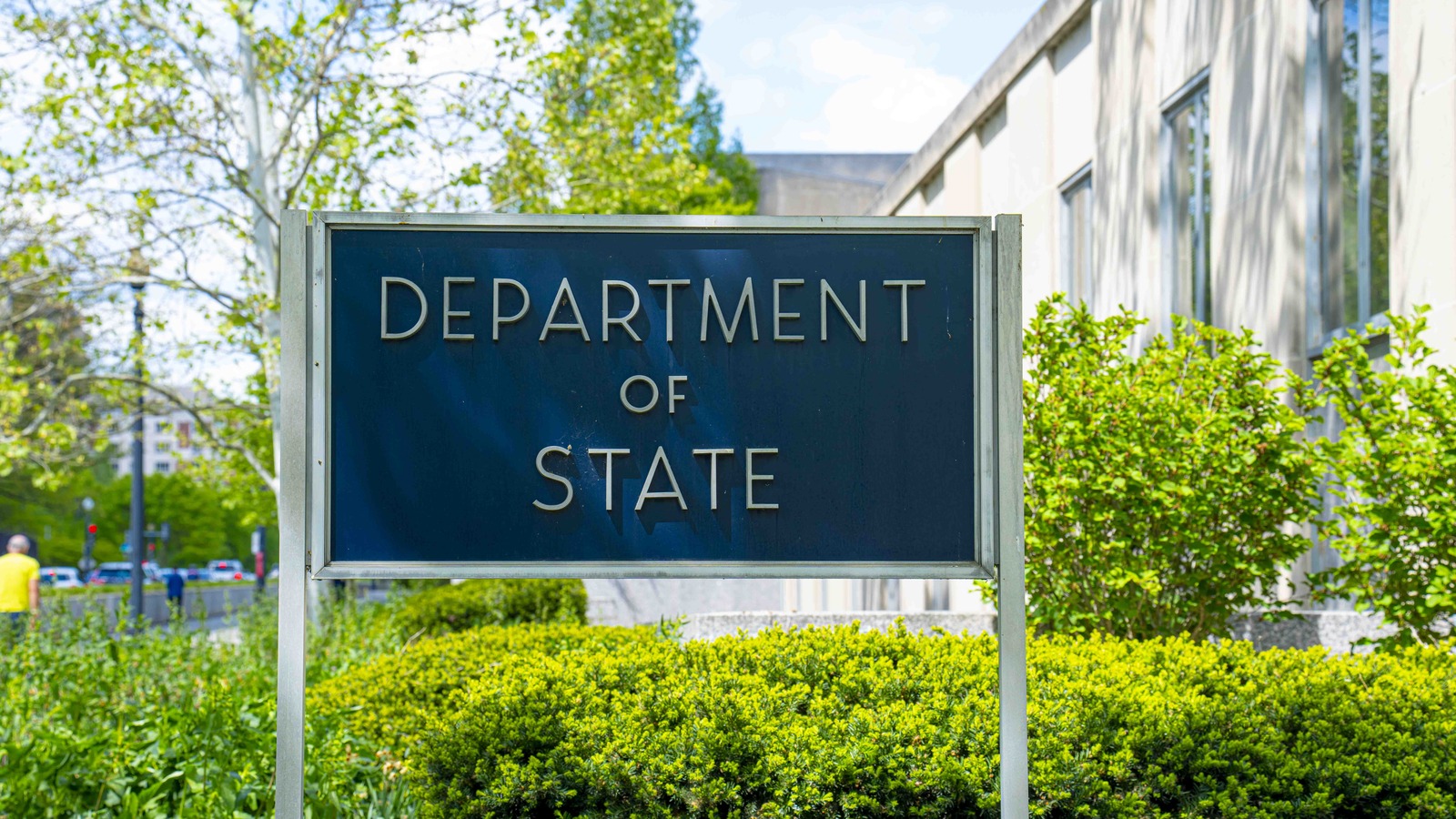
On September 23, 2026, Secretary of State Marco Rubio announced a new United States visa restriction policy aimed at people who engage in or facilitate birth tourism, the practice of traveling to the United States primarily to give birth so the child obtains American citizenship. The announcement came in a formal press statement from the U.S. State Department, which said commercial networks have exploited the immigration system by coaching travelers to lie on visa applications while charging tens of thousands of dollars for travel, housing and medical arrangements.
The practical decision for travelers is direct: anyone considering a United States trip built around giving birth should pause and reassess, because consular officers now have a named restriction policy covering not only travelers but the fixers, operators and medical providers around them. Readers tracking other new United States entry requirements can also review the October 1 social media requirement for visa applicants, which affects many of the same applicants.
- Date announced: September 23, 2026, in a U.S. State Department press statement.
- Legal basis: Section 212(a)(3)(C) of the Immigration and Nationality Act.
- Who is covered: People who knowingly engage in or facilitate birth tourism, plus network owners, visa fixers, complicit medical providers and possibly some family members.
- Traveler action: Do not plan travel centered on giving birth in the United States, and keep medical travel plans documented as legitimate care.
Scope of the September 23 Restriction
The State Department statement says the policy targets individuals who knowingly engage in, have engaged in, or facilitate birth tourism to the United States. That wording reaches backward as well as forward, so past participation can count. The named categories include owners, operators and managers of commercial birth tourism networks, visa fixers who coach applicants to commit fraud, and foreign medical providers who knowingly help arrange such travel or the fraudulent use of Medicaid.
The statement also says other individuals who support, enable or abet commercial birth tourism fall within scope, and that certain family members of covered people may face restrictions too. The department did not publish a list of affected people, did not name the countries where the networks operate, and did not say how many visas it expects to refuse under the policy. Travelers should therefore read the rule as a broad enforcement signal rather than a list they can check themselves against.
Independent reporting on the announcement matches the official account. Sunford News reported on September 23 that the restrictions apply to network owners, operators and managers, visa fixers, complicit medical providers and others who enable the trade, with possible coverage for some relatives. The alignment between the State Department text and same-day reporting leaves little doubt about the core facts of the policy.
How Consular Screening Already Treats Birth Travel
The new policy builds on an existing rule that many travelers may not know. Traveling to the United States primarily to give birth so a child obtains citizenship is not a permissible use of a visitor visa. Since January 2020, consular officers have had authority to deny a visitor visa when they believe the applicant’s main purpose is to give birth in the country to secure citizenship for the child, as News India Times noted in its September 23 coverage of the announcement.
Legitimate medical travel remains a different matter. Foreign nationals can still seek visitor visas for genuine medical treatment when they meet the standard requirements, which generally means showing the treatment is real, the costs are covered without improper use of public funds, and the trip has a clear end. The distinction matters because the September 23 policy focuses on fraud and commercial facilitation, not on ordinary patients traveling for care they could not obtain at home.
Applicants with medical itineraries should therefore prepare documentation that separates their trip from the pattern the department describes. A letter from a treating physician, a confirmed appointment with a named provider, proof of payment arrangements and evidence of ties to the home country all help show the visit is genuine treatment. Travelers who cannot produce that kind of record should reconsider applying until they can.
What Visa Applicants Should Do Now
First, be truthful on every part of the application. The State Department says some networks coach clients to misrepresent the purpose of their travel, and the new policy specifically names the fixers who provide that coaching. An applicant who follows such advice risks both a refusal and a restriction, while the fixer faces restrictions of their own. No travel package is worth a fraud finding on a visa record.
Second, keep clear of commercial birth tourism services entirely. Businesses that advertise packages combining visas, flights, housing and hospital bookings around childbirth in the United States fit the exact profile the department says it will target. Travelers who have already paid such an operator should seek independent legal advice before attending a visa interview or boarding a flight, since the department says past engagement can count.
Third, separate pregnancy from the purpose of the trip. A pregnant applicant traveling for tourism, business or genuine medical care is not automatically covered by the policy, but the underlying 2020 rule means officers can probe intent closely. Carrying evidence of the real purpose, such as conference registrations, hotel bookings tied to tourism or employer letters, helps keep the interview focused on the legitimate reason for travel.
Medicaid Fraud and Family Member Coverage
One detail that deserves attention is the department’s mention of Medicaid, the government health program for eligible low-income Americans. The statement says foreign medical providers who knowingly facilitate birth tourism travel and the fraudulent use of Medicaid are covered, and that some networks arrange for clients to tap public benefits improperly. Travelers should understand that any plan involving taxpayer-funded care will draw heavy scrutiny.
Visitors are generally expected to pay their own medical costs or carry insurance that covers care in the United States. Anyone arranging a hospital birth should have written confirmation of the price, the payment method and who bears the cost. Questions about how citizenship documents are handled after birth can be checked against current United States passport fees and application costs, which show what lawful documentation actually costs through normal channels.
The possible extension to family members is also significant. The statement says certain relatives of covered people may face restrictions, though it does not define which relationships qualify or under what conditions. In practice, that means the consequences of joining a birth tourism scheme could spill over to a spouse or child, another reason to avoid operators that promise easy citizenship for newborns.
Planning Around the New Policy
For most leisure and business travelers, the September 23 announcement changes nothing about approved itineraries. Standard tourism, family visits and conference trips remain unaffected, and applicants with honest, well-documented plans should proceed as usual. The policy is aimed at a specific fraud pattern, and ordinary travelers are not its subject.
For expectant parents abroad, the message is firmer: do not build travel plans around delivering in the United States. The combination of the 2020 refusal authority and the new facilitator-focused restrictions closes both ends of the transaction, the traveler and the network. Families with genuine medical reasons to deliver abroad should consult an immigration attorney and assemble full documentation before applying, rather than relying on an agent’s assurances.
Travelers should also keep watching official State Department channels for follow-up guidance, since the statement leaves open how consular posts will implement the rule day to day. As with other recent traveler guidance from the department, such as its advisory on restricted products abroad, the practical details often emerge in later updates. Checking the official source before booking remains the safest habit.
| If you… | What to do |
|---|---|
| Plan to visit the United States for tourism or business | Proceed normally with honest applications; the September 23 rule does not target ordinary trips. |
| Need genuine medical treatment in the United States | Document the diagnosis, the provider, payment and home ties before applying for a visitor visa. |
| Were considering a birth tourism package | Cancel that plan and seek independent legal advice before any visa interview or travel. |
| Already paid a birth tourism operator | Do not use coached answers at an interview; get legal counsel given past engagement can count. |
September 23, 2026 is the announcement gate. From this date the State Department has a named policy covering facilitators, so any new arrangement with a birth tourism operator carries restriction risk.
Your visa interview is the next gate. Bring proof of the real trip purpose and payment plans, and answer questions about intent truthfully.
Future State Department guidance is the third gate. Recheck official channels before booking medical travel, since implementation details may follow.
Does the September 23 rule ban all medical travel to the United States?
No. The State Department targets birth tourism and its facilitators; genuine medical treatment with proper documentation remains a permissible visitor visa purpose.
Who exactly faces visa restrictions?
People who knowingly engage in or facilitated birth tourism, network owners and managers, visa fixers, complicit medical providers and others who enable the trade, plus possibly some family members.
Can past involvement trigger a restriction?
Yes. The policy covers people who have engaged in birth tourism, not only current participants, according to the State Department statement.
What law authorizes the policy?
Section 212(a)(3)(C) of the Immigration and Nationality Act, which the department cited in its September 23 announcement.