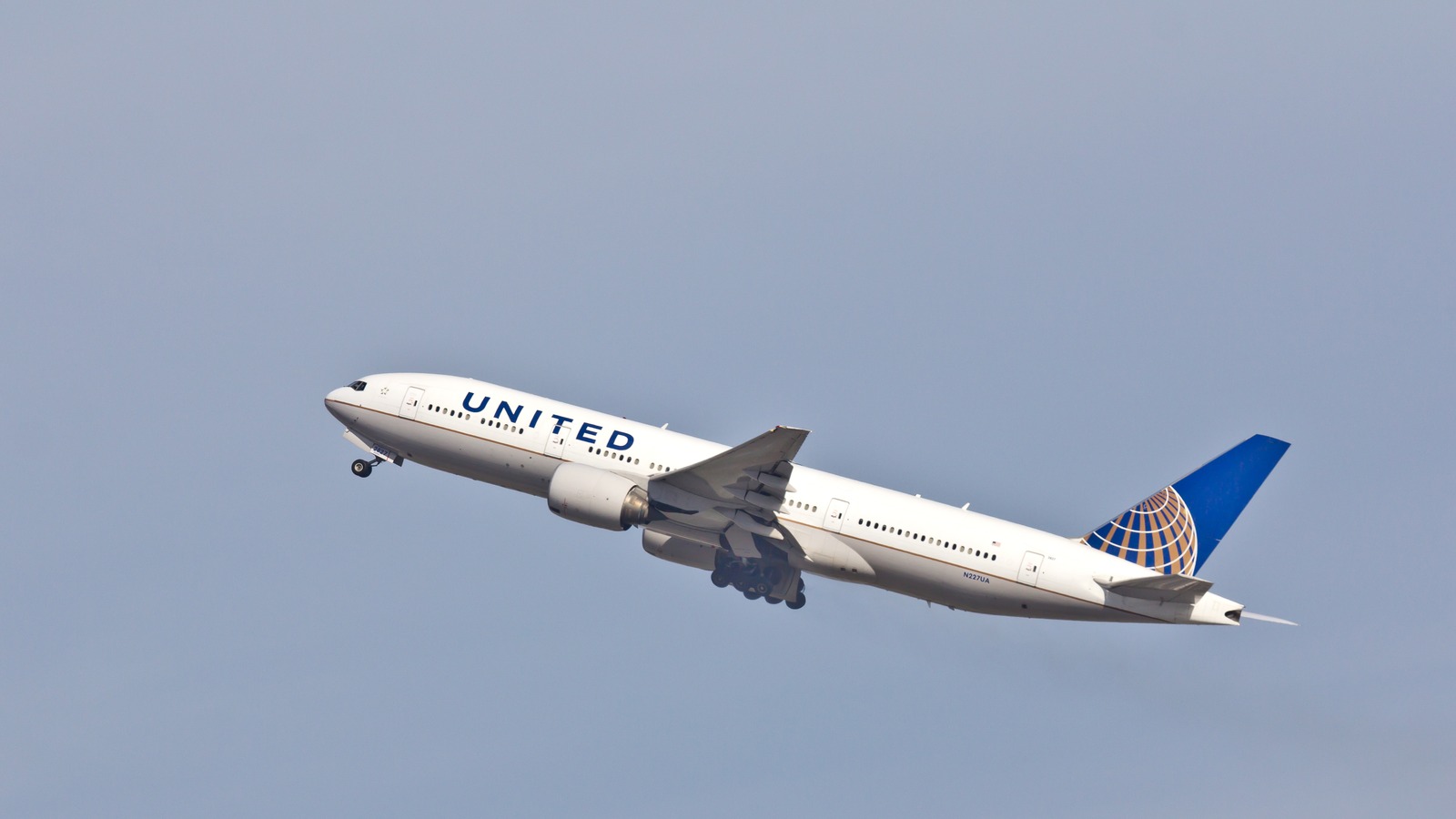
Image credit: Raimond Spekking via Wikimedia Commons. License: CC BY-SA 4.0 (https://creativecommons.org/licenses/by-sa/4.0); author: Raimond Spekking; source page: https://commons.wikimedia.org/wiki/File:United_Airlines_-_N227UA_-_Boeing_777-200_-_San_Francisco_International_Airport-0378.jpg.
Three U.S. airlines want permission to leave 79 of their 129 weekly China frequency rights unused from October 25, 2026, through March 27, 2027. That is about 61 percent, and the short answer to why is that demand has not recovered enough for American, Delta, and United to use their full allotments, according to the applications reviewed by Aviation Week.
Travelers should treat this as a strong capacity signal, not a cancellation notice or a final government decision. Book the U.S.-China service that is actually on sale, compare connections before paying, and use our China plug and voltage guide when preparing for the trip. A dormant route right does not create a seat, but it does not remove an existing reservation either.
- Requested relief: American, Delta, and United want waivers for 79 weekly China frequencies.
- Winter window: The requests cover October 25, 2026, through March 27, 2027.
- Largest request: United wants protection for 42 of its 66 weekly frequencies.
- Traveler meaning: Expect limited nonstop choices, but check the live schedule before changing any ticket.
The 79 Rights Are Requests, Not Canceled Tickets
American Airlines, Delta Air Lines, and United Airlines have asked the U.S. Department of Transportation to extend startup and dormancy waivers for another winter season. Those waivers let a carrier preserve limited international route authority even when it is not operating every allotted frequency. The filings still require a DOT decision, so the correct phase today is requested, not approved.
A weekly frequency is a regulatory operating right, not a specific ticketed flight. The 79 figure therefore should not be read as 79 cancellations, 79 aircraft, or 79 daily departures. It measures the combined weekly authorities the airlines want to leave dormant while retaining the ability to restore them later if market conditions support more service.
The three airlines plan to use 50 of their combined 129 rights during the winter window. For a passenger, that distinction matters more than the headline total. Existing flights can keep operating while unused authorities remain protected. A traveler with a confirmed itinerary should look for a schedule change from the operating airline before assuming the filing affects that booking.
United Has the Largest Waiver Request
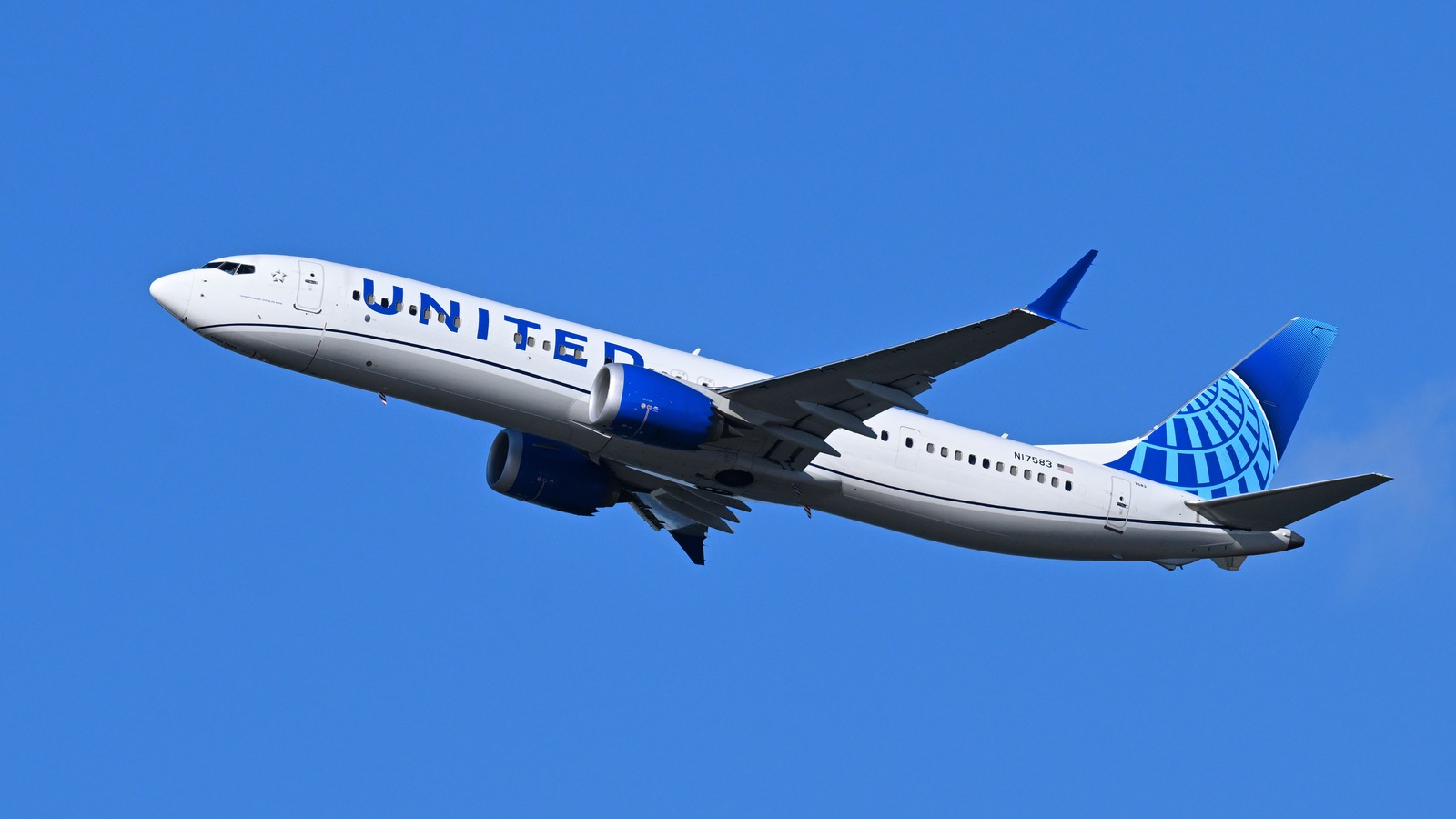
United is asking to preserve 42 of its 66 weekly China frequencies without operating them. Its planned 24-frequency schedule consists of daily San Francisco flights to Beijing and Shanghai, daily Los Angeles service to Shanghai, and three Los Angeles to Beijing frequencies each week, according to Aviation Week’s review of the filing.
The dormant United rights include a second daily San Francisco to Shanghai service, plus daily authorities connecting Chicago O’Hare with Beijing and Shanghai, Newark with Beijing and Shanghai, and Washington Dulles with Beijing. Those city pairs are not newly canceled by this request. They are examples of routes United does not plan to restore during the stated winter season.
That leaves San Francisco and Los Angeles as United’s nonstop U.S. gateways in the published winter plan described by the filing. Travelers positioning through the Bay Area can compare neighborhoods with our San Francisco area guide, but they should price the complete itinerary before separately booking a domestic connection and an international ticket.
Delta and American Keep Their Shanghai Core
Delta is requesting protection for 23 of its 42 weekly China frequencies. It plans to retain daily Detroit to Shanghai and Seattle to Shanghai service, plus five Los Angeles to Shanghai frequencies each week. Its waiver request covers all Atlanta to Shanghai, Detroit to Beijing, and Seattle to Beijing rights, along with two of the seven Los Angeles to Shanghai frequencies.
Aviacionline’s account of Delta’s filing also places the request inside the October 25 to March 27 winter period. It says Delta wants to preserve the rights while operating a smaller set of Shanghai services. That is a capacity decision, not an announcement that every Delta flight to China will stop.
American is seeking a waiver for 14 of its 21 weekly frequencies. Its seven remaining rights support daily Dallas Fort Worth to Shanghai service. Travelers using Shanghai as the arrival point can start with our Shanghai planning guide, then verify entry requirements and local rules through current government sources before departure.
Winter Capacity Stays Far Below 2019
The proposed operating total is not a return to the pre-pandemic network. Aviation Week reports that the 50 weekly U.S. carrier frequencies planned for winter are about 61 percent below the roughly 128 weekly roundtrips operated in winter 2019 and 2020. The comparison explains why the waiver requests matter even though they do not cancel a specific passenger’s ticket.
Across U.S. and Chinese carriers, scheduled two-way capacity for winter 2026 and 2027 remains about 66.3 percent below the pre-pandemic winter level cited in the same analysis. The number of nonstop airport pairs is expected to remain at 23. More seats may be available than last winter, but route breadth and frequency still trail the old network by a wide margin.
Limited frequency can produce less schedule flexibility even when a route remains available. A daily flight offers fewer recovery choices than several departures spread through the day, while a route that operates only on selected days may add hotel nights or a longer connection. Compare total trip time and recovery options, not just the lowest displayed fare.
Book the Flight That Exists, Not the Right on Paper
Start with the airline’s live booking calendar for the exact winter travel date. Confirm that each segment is sold by and operated by the carrier shown, especially when a search result includes a partner connection. A regulatory right can be dormant even when a codeshare or one-stop itinerary appears under the same airline’s name.
Next, compare nearby gateways and one-stop alternatives before locking in separate tickets. San Francisco, Los Angeles, Detroit, Seattle, and Dallas Fort Worth are the U.S. gateways identified in the three carriers’ planned China operations. A self-transfer can expand choice, but it also places missed-connection risk on the traveler when the tickets are unrelated.
Finally, watch for a DOT decision and then for an airline schedule update. Approval would preserve the unused rights; it would not require the airlines to add the dormant flights. A denial could force another regulatory choice, but it still would not automatically produce a bookable timetable. The airline’s published schedule remains the booking authority.
| If you… | What to do |
|---|---|
| Already hold a winter China ticket | Keep it unless the operating airline sends a schedule change or cancellation. |
| Have not booked yet | Compare the flights actually on sale and favor a protected connection over unrelated tickets. |
| Need a city pair in the waiver list | Plan for a gateway connection because the filing does not announce that route’s return. |
| See DOT approve the request | Read approval as rights protection, not as a new flight schedule. |
October 25 is the winter schedule gate. The requested waiver period begins, so verify every segment operating on or after that date.
Airline notification is the ticket gate. Do not cancel a confirmed trip solely because the carrier filed for dormant-rights relief.
March 27 is the current waiver end date. Travel after that date needs a fresh schedule check because the next season may change.
Are U.S. Airlines Canceling 79 China Flights?
No. The 79 figure refers to weekly regulatory frequency rights the carriers want permission to leave unused, not 79 identified passenger flights being canceled.
Why Do the Airlines Want the China Waivers?
The filings cite a China market that has not recovered to pre-pandemic demand. The waivers would let the airlines retain rights while operating smaller winter schedules.
Which U.S. Airline Wants the Largest Waiver?
United has the largest request at 42 of its 66 weekly China frequencies. Delta seeks relief for 23 of 42, and American for 14 of 21.
Does DOT Approval Add or Remove a Bookable Flight?
Not by itself. Approval would preserve unused rights through March 27, 2027. Travelers should rely on the operating airline’s live timetable for bookable service.
Which U.S. Gateways Remain in the Planned Schedules?
The filings described service through San Francisco, Los Angeles, Detroit, Seattle, and Dallas Fort Worth, with Beijing or Shanghai as the nonstop China points.