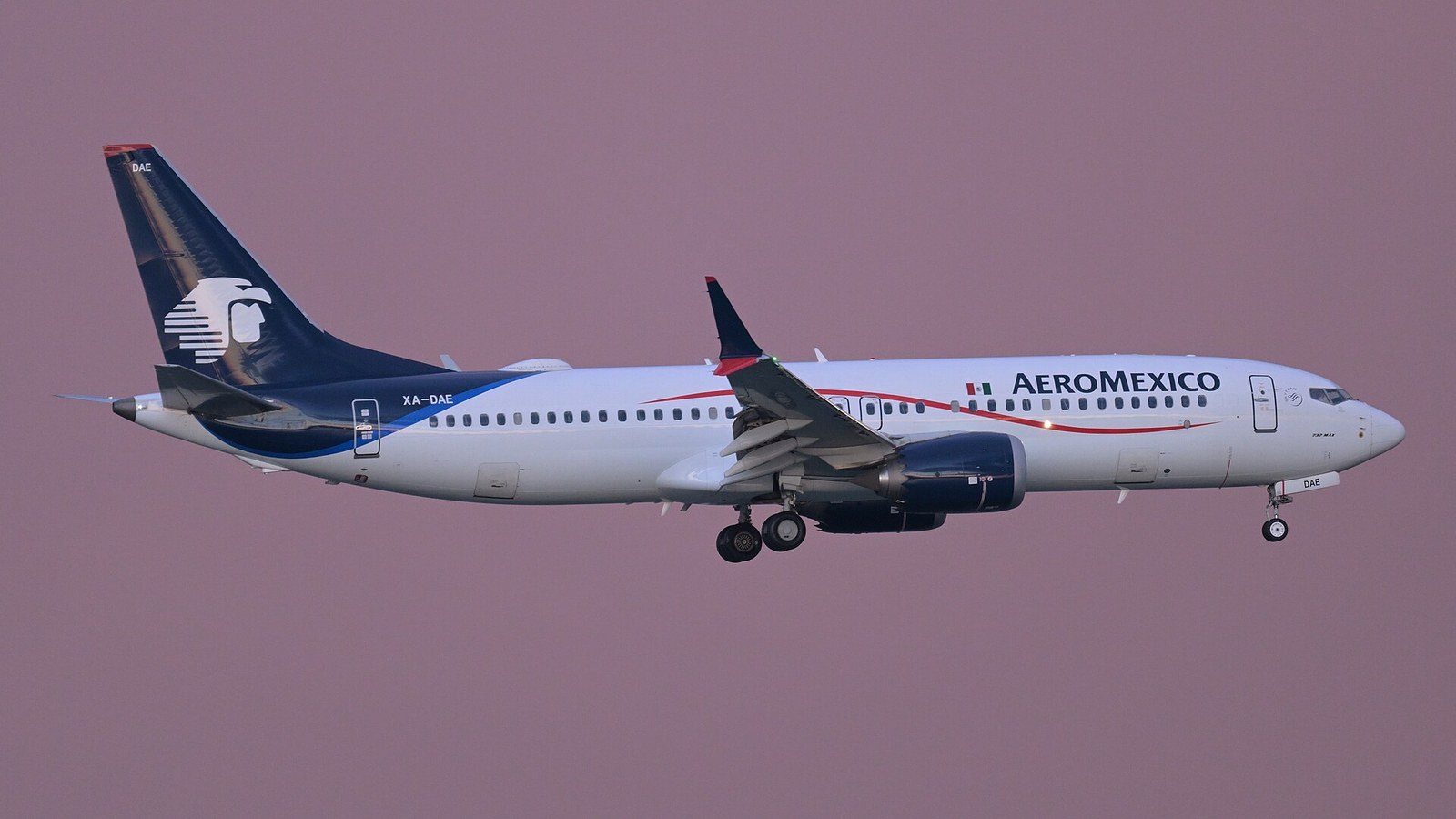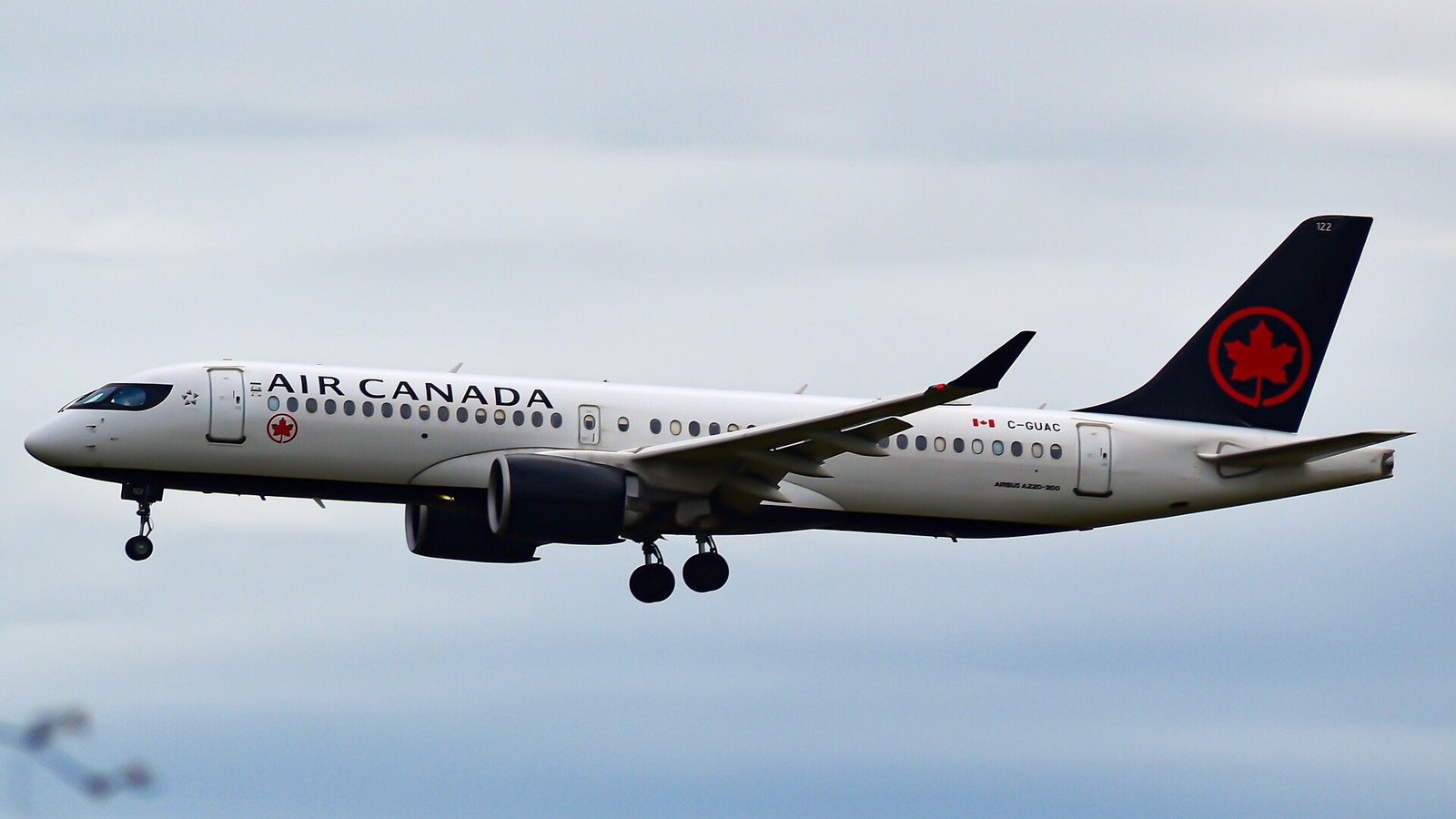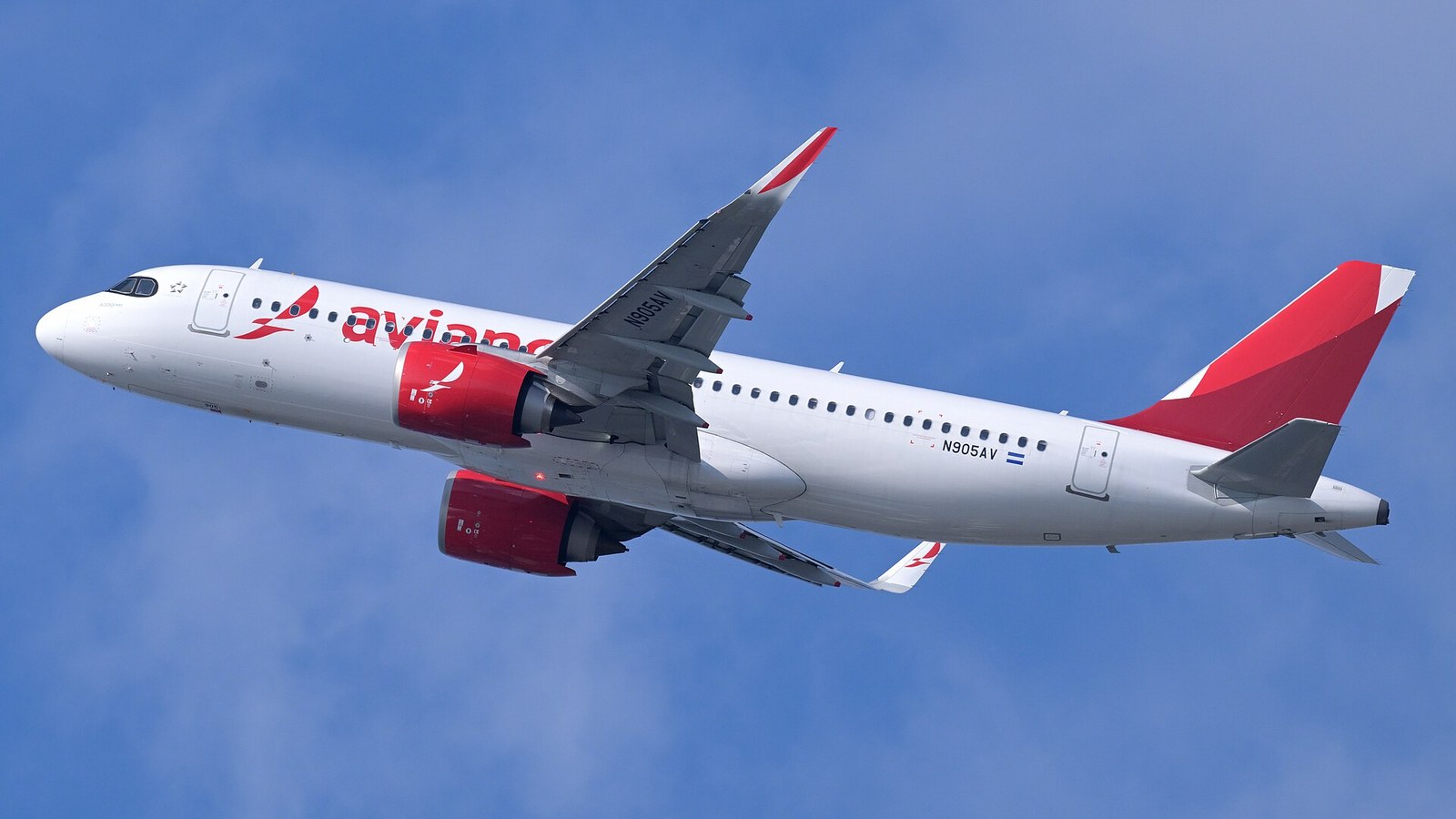
For years, the free T-Mobile inflight WiFi perk was one of the quiet reasons frequent flyers stuck with the carrier. On American and United it was the default fallback when the paid portal looked unappealing. As of this week, that fallback is gone on both airlines. But the two carriers are not in the same boat, and treating this as a single story misses what actually happened.
American traded up. United traded down. That asymmetry is the whole story.
American: the perk got replaced before it ended
American Airlines launched free high speed WiFi for AAdvantage members on January 6, 2026, sponsored by AT&T and powered by Viasat and Intelsat. AAdvantage is free to join, which means the perk effectively extends to anyone willing to sign up for a loyalty number before boarding. You can read American’s announcement directly for the full fleet and rollout detail.
At launch, the free service covers 100 percent of American’s narrowbody and dual class regional fleet, which works out to roughly 90 percent of all aircraft. The gap is the widebody fleet. The 777-200ER, 777-300ER, and a portion of the 787 fleet still run Panasonic hardware and are not yet included. If you fly American on a longhaul international route, assume paid WiFi until further notice. If you fly domestic or short international on a narrowbody, you are covered.
Mechanically, American’s AT&T partnership is a straight swap for the T-Mobile arrangement, not an upgrade to new satellites. The underlying Viasat and Intelsat hardware is what it always was. The change is who pays the bill and who gets access. T-Mobile’s customers lost an exclusive. Everyone with an AAdvantage number gained one.
United: the perk ended before the replacement was ready
United is the problem. According to Live and Let’s Fly, T-Mobile updated its In Flight Connection support page this week and removed both American and United from its list of supported partners. Simple Flying’s coverage of the change is here. United’s initial response was to deny it had pulled the plug and redirect questions to T-Mobile. T-Mobile then issued a carefully worded statement saying the industry has evolved toward airlines sponsoring their own loyalty gated WiFi and that provider specific services are winding down, including at American and United.
Neither side wanted to own the decision publicly. The practical effect is the same either way. As of April 13, 2026, the free T-Mobile option is gone on United.
The replacement is Starlink. United announced the partnership in late 2024 and has been retrofitting aircraft on a rolling schedule. By United’s own timeline, nearly all two cabin United Express regional jets are already equipped, which is roughly a quarter of daily departures. The mainline rollout is the bigger lift. Executives have said Starlink installations will wrap up in 2027, with widebodies last in line. Until then, the paid portal is the default on most mainline flights: eight dollars for MileagePlus members, ten dollars for everyone else. There is no free backup.
What actually changed: the business model, not just the vendor
The temptation is to read this as two separate vendor disputes. It is not. The shift is structural, and it is happening across the whole US fleet.
For a decade, inflight WiFi was a telecom product sold to a telecom customer. T-Mobile paid airlines to carry its brand onboard, and the value to T-Mobile was keeping its subscribers locked in against Verizon and AT&T. The airline was the venue. The telco owned the relationship with the passenger.
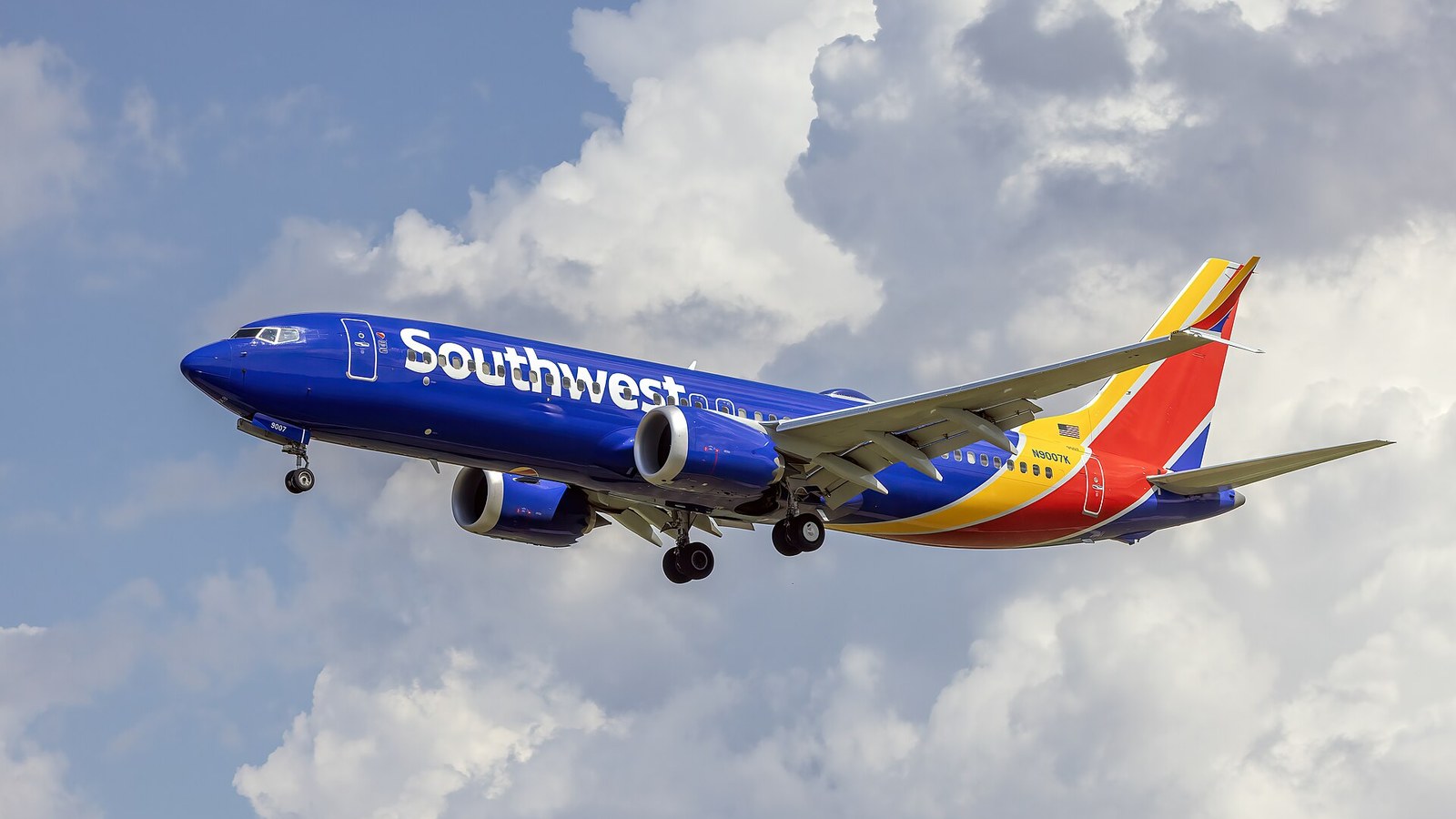
That model is being dismantled. Delta moved first, gating free WiFi behind SkyMiles. Southwest did the same with Rapid Rewards last fall. American flipped to AAdvantage in January. United is doing the same with MileagePlus, even on aircraft without Starlink yet, as reported in a follow up from Live and Let’s Fly. The sponsorship still exists in some cases, but the gate is now the loyalty program, not the wireless carrier.
Why airlines prefer it: a MileagePlus or AAdvantage number is a first party identifier they control. A T-Mobile subscription is not. Every time a passenger logs in for free WiFi with a loyalty number, the airline gets a session tied to a known profile, an email address, a purchase history, and a co brand credit card they can market. Inflight WiFi stopped being a perk this decade and became a customer acquisition funnel. T-Mobile’s partnerships did not fit that funnel, so they are being pruned.
This is why T-Mobile’s statement carries the phrase “provider specific services are winding down.” That is not a negotiation outcome. That is a category exit.
Where free T-Mobile WiFi still works
T-Mobile still sponsors free inflight WiFi on Delta, Alaska, Hawaiian, and Southwest, according to its updated In Flight Connection page. Coverage is per aircraft and per loyalty program, not blanket, so the T-Mobile option still behaves as a supplement to the airline’s own free tier rather than a standalone benefit. The pattern here matters: the carriers that kept T-Mobile are the ones that already had a working loyalty gated free WiFi product in place. T-Mobile survived where it was additive, not where it was competitive.
What to do before your next flight
If you fly American: sign up for AAdvantage if you have not. It is free. Log in at aainflight.com when you board. Expect free WiFi on narrowbody and dual class regional aircraft, and expect paid WiFi on widebody longhauls until the rest of the fleet is retrofitted.
If you fly United: sign up for MileagePlus if you have not. Free Starlink is available on roughly a quarter of daily departures, heavily concentrated on two cabin regional jets out of hubs like Newark, Chicago, Denver, Houston, and San Francisco. On mainline flights without Starlink, the portal will ask for eight dollars if you log in with a MileagePlus number or ten dollars if you do not. Recent reports suggest United is beginning to offer free access for MileagePlus members on some Viasat and Panasonic aircraft as well, but the messaging is inconsistent, so do not count on it at booking time.
If you fly Delta, Alaska, Hawaiian, or Southwest: the T-Mobile option still works. Keep using it where it shows up.
For business travelers who book on United in particular, the 18 month gap between the T-Mobile end date and Starlink fleet completion is the operational story. If your workflow depends on inflight connectivity, confirm Starlink equipage at the aircraft level when you book, or budget for the paid portal. The free by default era on United is coming, but it is not here yet.