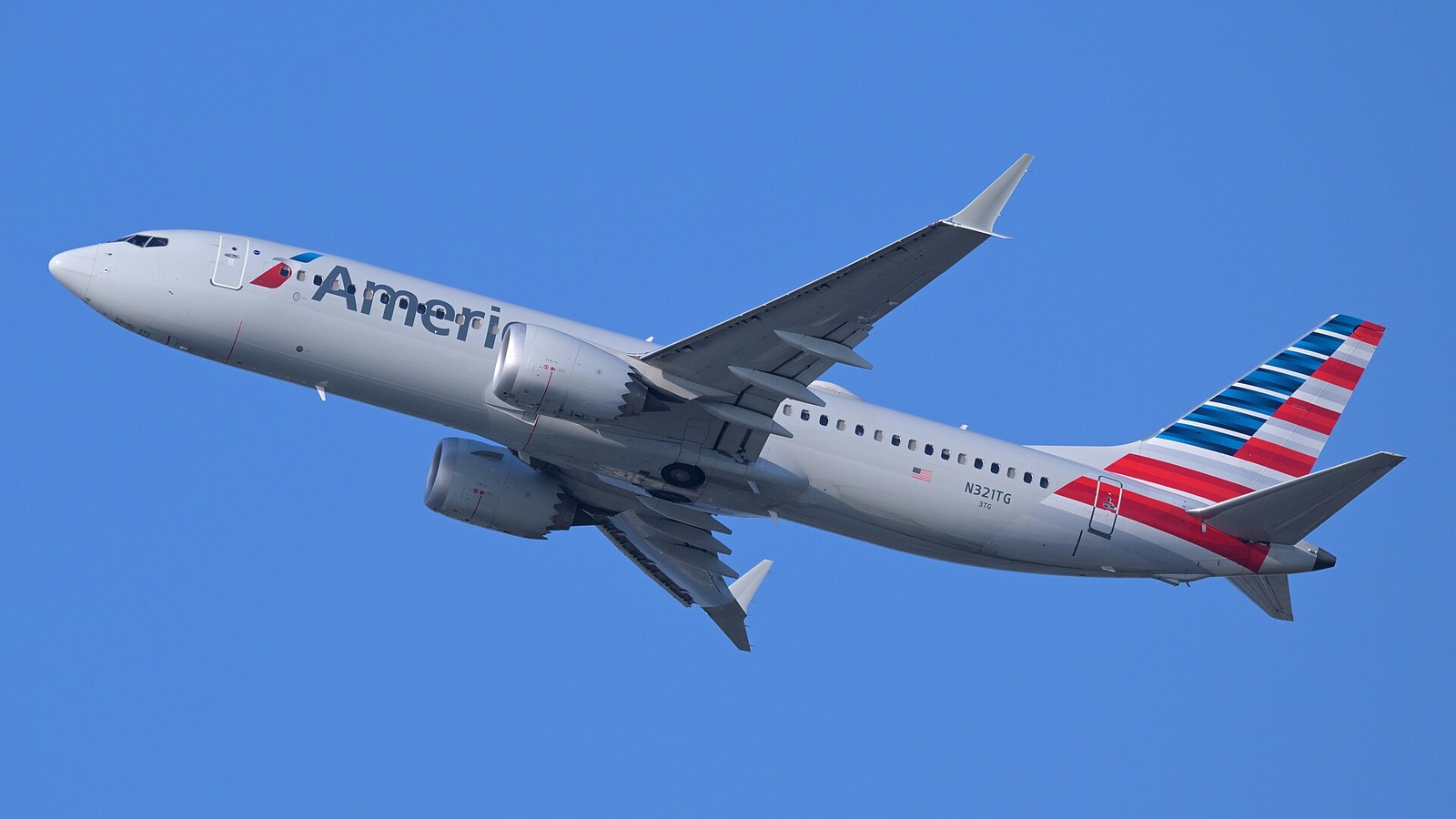
The international passenger aviation sector is closely analyzing the operational costs, safety protocols, and complex legal realities of commercial flight diversions, following a highly disruptive transpacific incident. On Wednesday, June 24, 2026, United Airlines flight 858 was forced to make an unexpected, unscheduled diversion and emergency landing at Tokyo Narita International Airport in Japan. The sudden diversion of the massive wide body commercial aircraft arose after an onboard dispute escalated between a passenger and the cabin crew, necessitating immediate intervention by the flight deck pilots and regional air traffic controllers to ensure passenger safety.
For modern air travelers, holiday commuters, and business professionals currently booking long haul international itineraries, this dramatic transpacific diversion underscores the immense logistical challenges carriers face during inflight crises. The commercial flight, which was operating a scheduled nonstop service from Shanghai Pudong International Airport in China to San Francisco International Airport in California, was carrying two hundred eighty five passengers and sixteen crew members. Citing the immediate operational threat posed by an unruly passenger (any passenger who exhibits disruptive, non compliant, or aggressive behavior that threatens the safety and order of an aircraft and its crew members), the captain elected to abort the crossing and land in Japan.
- United Airlines flight 858 was forced to divert to Tokyo Narita Airport on June 24, 2026, due to an unruly passenger.
- The Boeing 777 was transiting from Shanghai Pudong to San Francisco when a passenger dispute occurred.
- Pilots had to dump approximately fifty thousand dollars worth of aviation fuel to meet landing weight safety limits.
- Japanese police boarded the aircraft upon arrival and escorted the disruptive traveler from the plane.
- The twin engine wide body passenger jet carried three hundred one people on board with zero injuries.
- The transpacific flight was delayed by several hours, landing safely in San Francisco on June 25, 2026.
The Logistical Complexity of an Emergency Fuel Jettison
To fully appreciate the immense financial and environmental impact of a midair passenger dispute, it is helpful to examine the unique engineering and physical constraints that govern long haul wide body aircraft. Commercial passenger jets like the Boeing 777 are designed to take off with massive fuel loads to support flights lasting up to fifteen hours across the Pacific Ocean. However, these aircraft have strict maximum landing weight limitations, which are significantly lower than their maximum takeoff weights to protect the structural integrity of the landing gear during touchdown.
In its June 26, 2026 report, TMZ quoted United Airlines as saying Flight 858 from Shanghai to San Francisco diverted to Tokyo Narita to address a disruptive passenger. The airline said law enforcement removed the passenger, maintenance teams inspected the aircraft, and the flight later continued to San Francisco. The quoted statement did not give a fuel quantity or cost. For international travelers looking to understand the operational rules of modern airlines, review baggage policies, and track flight delays during widespread transpacific travel disruptions, our comprehensive Deep Arrival airlines directory serves as a complete travel planning resource.
Unruly Passenger Behavior and Onboard Safety Protocols
The sudden decision to dump fuel and divert a transpacific flight is never taken lightly by an airline captain, representing a massive operational disruption that impacts hundreds of connecting passengers and downstream crew schedules. Reports from eyewitnesses on board indicated that the conflict began roughly two hours into the flight when a passenger became argumentative and non compliant with cabin safety instructions. Despite multiple verbal warnings from the flight attendants, the disruptive behavior persisted, leaving the flight crew with no choice but to notify the captain of a potential security risk in the passenger cabin.
United Airlines is a major American carrier operating a vast global network of passenger flights. The Boeing 777 is a widely utilized wide body commercial aircraft manufactured in the United States. Tokyo Narita is a major international gateway serving millions of passengers in East Asia. These three standalone facts demonstrate the massive scale of international aviation, where a single passenger dispute can trigger a cascade of delays impacting transit systems across multiple continents. As firmed in the official flight tracking data documented by the prominent aviation news journal Live and Lets Fly, the aircraft was met on the runway by Japanese law enforcement officers, who boarded the plane, arrested the disruptive passenger, and escorted her to a local holding facility for formal questioning.
While the immediate operational focus remains on passenger safety and schedule recovery, the recurring nature of these inflight disruptions highlights the growing global trend of unruly passenger incidents on long haul routes. Under active international aviation laws, passengers who cause flight diversions can face severe criminal penalties, including massive fines to reimburse the airline for the cost of dumped fuel, landing fees, and passenger rebooking expenses. By remaining cooperative, following crew instructions, and utilizing proper conflict resolution channels on board, passengers can help maintain a safe, peaceful, and comfortable cabin environment for everyone.
- Track real time flight status and delay alerts on your airline’s official mobile application prior to departing for the terminal.
- Follow all safety briefings and crew instructions closely to ensure a safe, efficient, and comfortable boarding process.
- Ensure your personal contact details are updated on your reservation profile to receive immediate travel advisories.
- Verify the specific transit visa requirements for your destination when booking flights with potential international layovers.
- Maintain a polite, respectful, and cooperative attitude toward crew members and fellow passengers during your journey.
- Familiarize yourself with your passenger rights and compensation guidelines in the event of unscheduled flight diversions.
The sudden transpacific diversion of United Airlines flight 858 represents a critical and highly expensive reminder of the immediate impact of unruly passenger behavior on modern transit grids. By keeping close tabs on official travel updates, remaining flexible with itinerary selections, and understanding the strict safety protocols that govern commercial aviation, long haul travelers can successfully navigate flight delays and ensure a highly successful, safe, and rewarding international journey.
Why do long haul passenger aircraft have to dump fuel before an emergency landing?
Commercial aircraft often take off with heavy fuel loads that exceed their maximum safe landing weights, requiring pilots to jettison fuel to protect the landing gear from structural failure.
What are the legal consequences for passengers who force flight diversions?
Disruptive passengers can face severe criminal charges, arrest by local law enforcement, lifetime bans from the airline, and massive civil lawsuits to recover the cost of the diversion.
How much did the dumped fuel on United Airlines flight 858 cost?
Aviation tracking data indicates that the pilots dumped between thirty thousand and fifty thousand dollars worth of commercial jet fuel to land safely in Japan.
Were there any passenger injuries reported during the transpacific diversion?
No, all two hundred eighty five passengers and sixteen crew members on board landed safely in Tokyo with zero injuries reported.
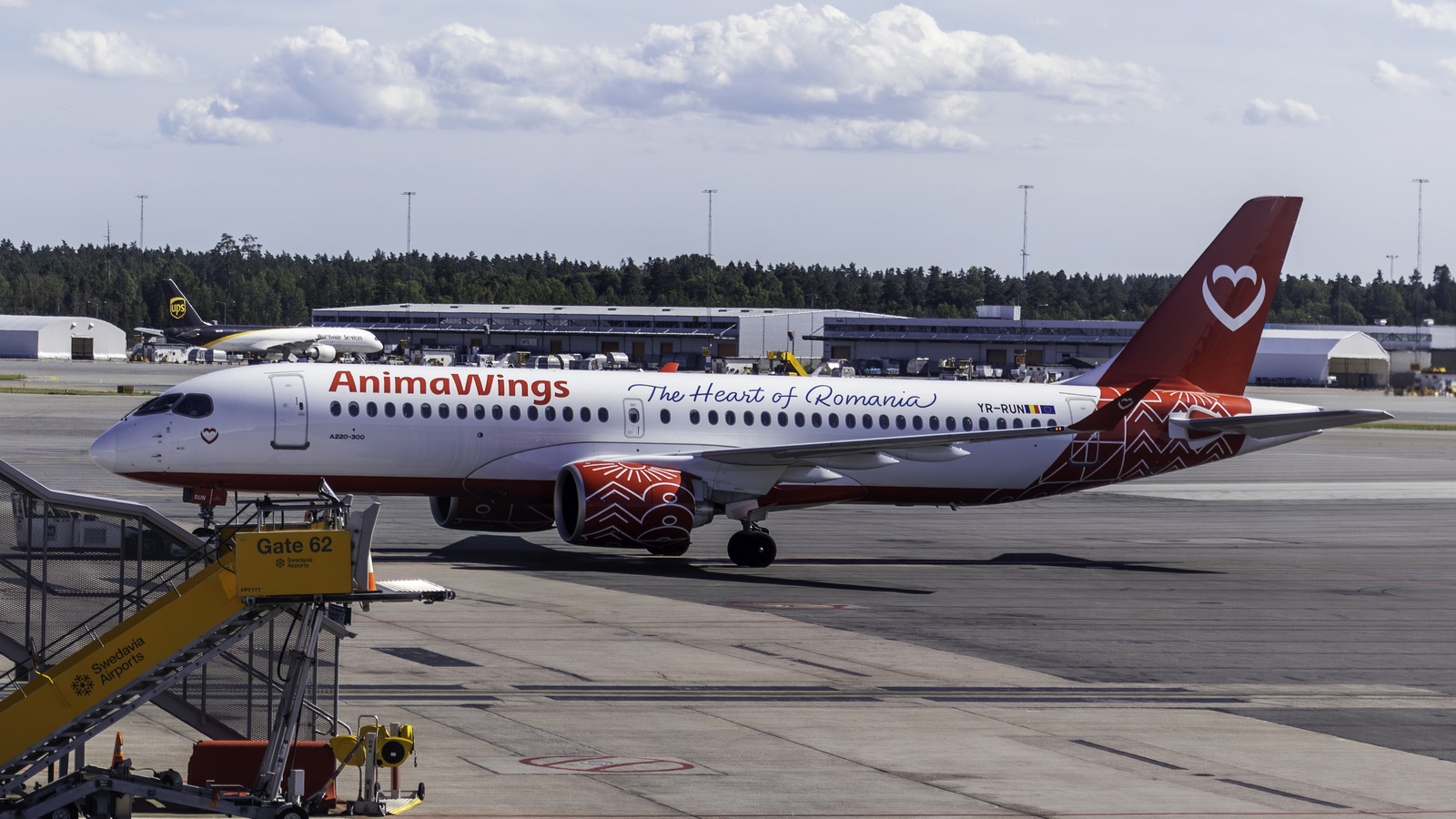
Image: Sourced via Wikimedia Commons, author Timothy Powaleny, licensed under Creative Commons Attribution 4.0 International