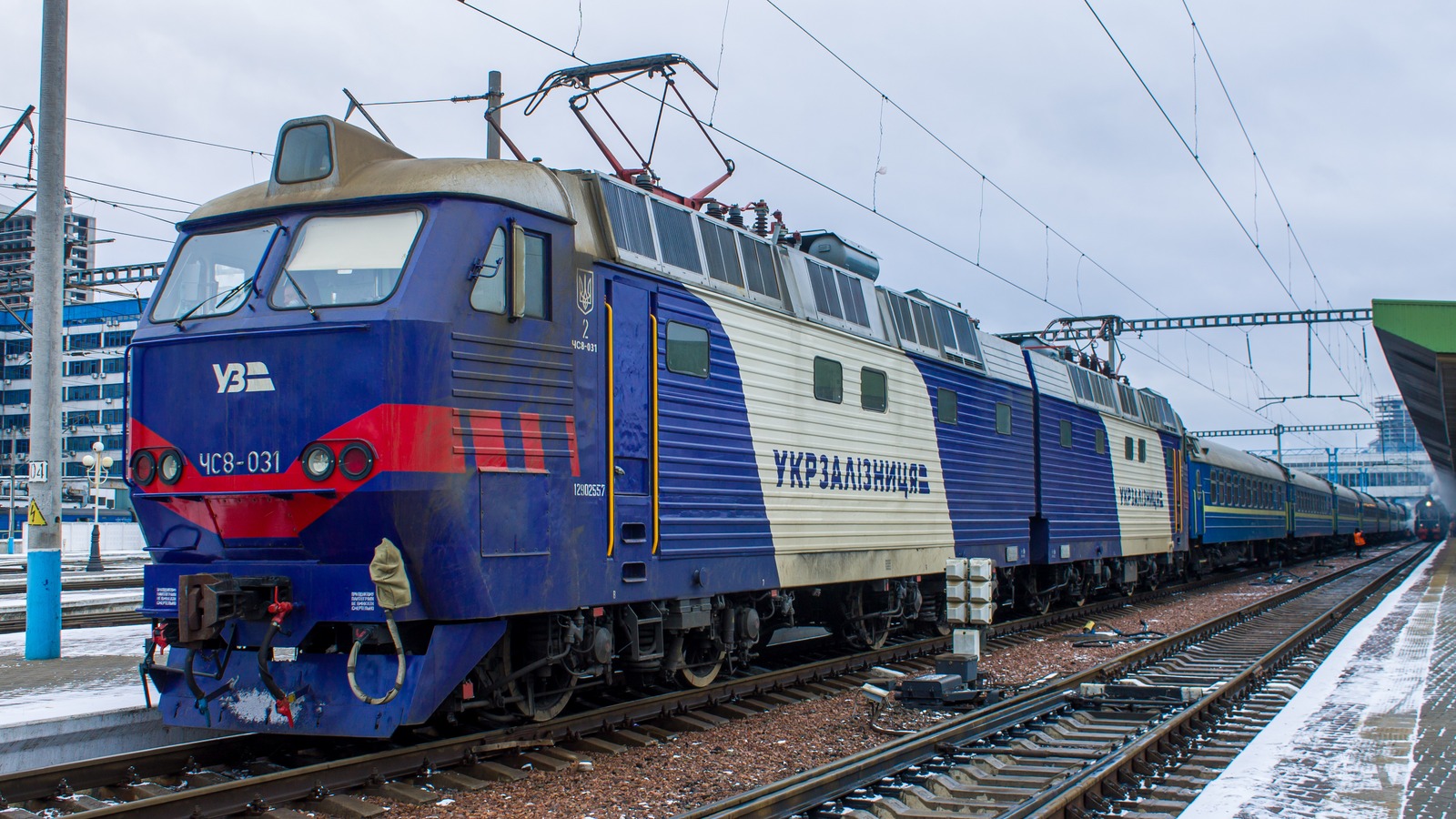
Tvoi pupsik · CC BY-SA 4.0 · cropped
Ukraine train disruption on September 13, 2026 centers on a passenger locomotive struck near Yahodyn, close to Poland, and safety-driven changes to departure times. Ukrzaliznytsia says advance warning protected the people aboard and that it continues adjusting schedules around attacks. For passengers already relying on these services, the immediate change is to treat the booked timetable as provisional and follow live railway instructions. The operator has not announced a blanket closure of passenger rail between Ukraine and Poland.
This is guidance for people already in the country or facing unavoidable transport decisions, not an invitation to visit. The U.S. State Department’s current Ukraine advisory, issued August 28, remains Level 4, Do Not Travel. A train continuing to operate does not make the journey safe.
- Incident: A passenger locomotive was struck in Volyn on September 13, approximately two kilometers from Poland.
- Passenger safety: The railway reported no injuries after its monitoring team warned the crew.
- Timetable: Ukrzaliznytsia says schedules are being adjusted according to available and blocked routes.
- Before moving: Check the operator’s live status and staff instructions, including any evacuation direction.
The September 13 Strike Near Yahodyn
In its September 13 morning notice, Ukrzaliznytsia reported that a Russian attack hit the locomotive of a passenger train in Volyn. The railway credited an advance warning from its monitoring group with preventing injuries. It said attacks on the railway had occurred for a second consecutive day.
Nasha Niva’s September 13 reporting independently covered the locomotive strike near Yahodyn and the absence of reported injuries. Those facts do not establish that every train in western Ukraine was stopped, or that every Poland connection was canceled. Travelers should not turn a specific attack into an unsupported network-wide closure assumption.
Departures Can Move Earlier, Not Only Later
The railway’s later September 13 clarification identified the location as Yahodyn station. It said a diplomatic train had departed earlier than planned as schedules were reconsidered around the threat. A separate train was at the station during the attack. The operator said an evacuation signal was given approximately 15 minutes before the locomotive was hit.
That matters beyond a conventional delay notice: an old departure time is not necessarily the latest instruction. The operator says it continually revises train schedules in response to routes being available or blocked by strikes. This report does not supply a replacement timetable, promise a minimum warning period, or identify a guaranteed connection. A safety decision made for one train cannot be assumed to apply to another.
Use the Live Railway Channel for Your Train
Passengers should consult Ukrzaliznytsia’s live train-status service and check the actual train number with the operator. Keep that information separate from a booking confirmation or a third-party journey planner, which may still display the originally advertised schedule. Recheck before leaving for a station and when staff issue a new instruction.
For an onward connection, the practical issue is whether both legs remain usable together. An unchanged second reservation does not resolve uncertainty about the first train’s movement. Contact the relevant operator before committing to a tight onward departure. No blanket refund entitlement, replacement bus arrangement, or fixed delay duration has been verified for this incident.
Safety Instructions Take Priority Over Connections
Ukrzaliznytsia’s clarification asks passengers to follow railway safety directions promptly. If staff order an evacuation, comply rather than remaining aboard to protect a reservation or retrieve nonessential belongings. Treat any subsequent boarding or movement instruction as an operational decision, not something that can be inferred from a departure board alone.
The State Department warns that attacks also affect regions away from the front line. Its advice includes responding to air alerts, knowing the nearest shelter, and following local authorities. The advisory is standing context, not a new September 13 downgrade. It also means that a reported absence of injuries in this attack should not be read as a general safety assurance.
| If you… | What to do |
|---|---|
| Hold a Ukraine rail reservation | Confirm the current train-specific status before heading to the station. |
| Connect onward through Poland | Recheck both legs rather than relying on the original connection interval. |
| Receive an evacuation instruction | Follow staff immediately; do not wait for a cancellation notification. |
| Are considering a discretionary visit | Follow the U.S. Do Not Travel advisory, not the existence of a bookable train. |
Before departure is the status check. Verify the train number and latest operator instruction.
A safety announcement is the immediate action point. Follow evacuation and shelter directions before managing an onward booking.
Did the attack close all trains between Ukraine and Poland?
No blanket rail closure has been established by the cited operator notices. They describe a specific locomotive strike and ongoing schedule adjustments.
Were passengers injured at Yahodyn?
The railway reported no injuries after advance warning. That statement concerns this incident, not every attack on the network.
Can a train leave earlier than booked?
The railway says the diplomatic train departed early amid live schedule changes. Check your own service rather than assuming the same change or notice period.
Does continued rail service mean Ukraine is safe to visit?
No. The current U.S. advisory remains Do Not Travel. Operational updates do not replace that risk guidance.