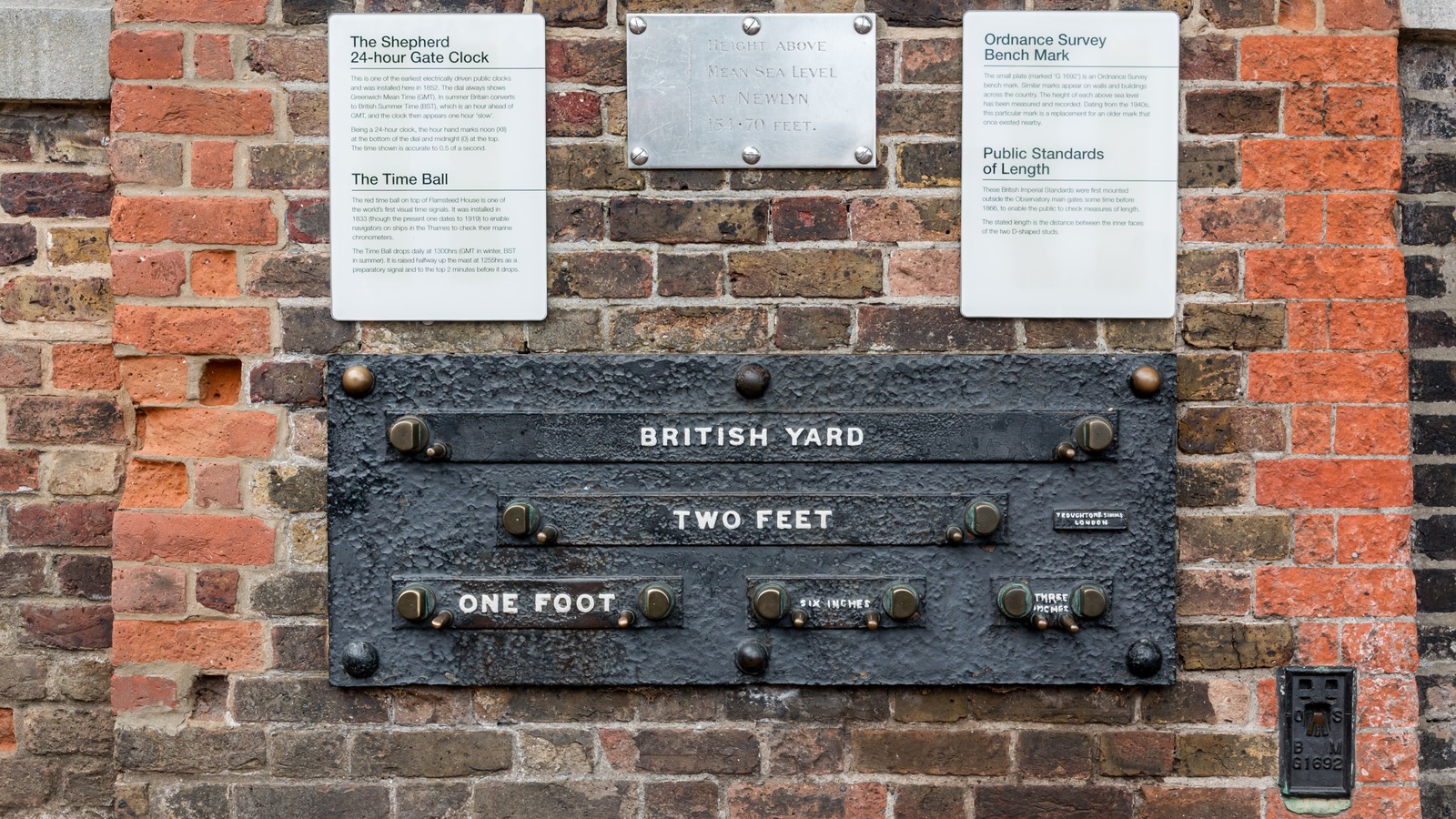
Dietmar Rabich · CC BY-SA 4.0 · cropped
UK clocks go back one hour at 2 a.m. on Sunday, October 25, 2026, ending British Summer Time for the winter. That date is the last Sunday in October, the rule published on GOV.UK’s When do the clocks change? page. Royal Observatory Greenwich states the same clock: Sunday 25 October 2026 at 2 a.m., after which the UK returns to Greenwich Mean Time.
If you are in Britain that weekend, or flying in from a country still on daylight saving, the change is a planning deadline, not trivia. Trains, museum opening hours, hotel wake-up calls, and overnight shifts all move with legal time. Phones usually jump by themselves. Analog clocks, some kitchen appliances, and historic public clocks do not. For a U.S. traveler still on daylight saving until November 1, pair this UK date with Deep Arrival’s earlier file on the four hour gap from October 25.
- When: 2 a.m. Sunday, October 25, 2026, last Sunday in October.
- What happens: Clocks fall back one hour; BST ends and GMT begins.
- Spring pair: Clocks went forward at 1 a.m. on March 29, 2026.
- Devices: Internet-connected phones and computers usually update themselves.
- Travel catch: The United States stays on daylight saving until November 1.
Clocks Fall Back at 2 a.m. on October 25
GOV.UK’s standing rule is short. Clocks go forward one hour at 1 a.m. on the last Sunday in March, and back one hour at 2 a.m. on the last Sunday in October. The hour-ahead period is British Summer Time, also called daylight saving time. When the clocks go back, the UK is on Greenwich Mean Time.
Royal Observatory Greenwich, the home of GMT, publishes the 2026 calendar in plain words. BST in 2026 runs from 29 March to 25 October. The autumn change is Sunday 25 October 2026 at 2 a.m. After that instant, 2 a.m. becomes 1 a.m. again. Most people gain an extra hour in bed. Night workers can find themselves working that extra hour and should check contracts, the observatory notes.
The weekend timing is deliberate. The observatory says the Saturday night to Sunday morning slot was chosen as the least disruptive option for schools and businesses. If you have a 6 a.m. airport run on October 25, set two alarms the night before and confirm the local time on a connected device, not on a hotel radio clock that nobody reset.
Greenwich Mean Time Returns for UK Travel
GMT is not a branding flourish. It is the winter legal time across the UK. Sunrise and sunset appear earlier on the clock after the change, which means darker late afternoons for sightseeing, outdoor markets, and last-entry times at paid attractions. Morning light lasts longer, which helps early trains and airport security lines more than evening walking tours.
Royal Observatory Greenwich keeps most of its historic clocks on GMT all year. Curator Louise Devoy told the observatory’s own explainer that those clocks were mainly used before daylight saving began in 1916, and that visitors in summer often think the Shepherd Gate Clock is slow. After October 25, that public GMT clock and legal UK time agree again. The Dolphin sundial is one of the few instruments the observatory adjusts at both clock-change weekends and at the solstices.
If Greenwich is on your list that Sunday, expect the gate clock and your phone to match. If you visit in summer 2027, they will not. That is a useful way to explain the change to kids or to a group that is arguing over restaurant reservations. Book Sunday lunch in local time after the fallback, not in the time your jet-lagged body still thinks is BST.
Phones Update; Analog Clocks Need a Hand
Most internet-connected phones, tablets, and laptops should update automatically, GOV.UK’s rule and the observatory both assume in practice. The observatory’s explainer says devices with an internet connection usually jump on their own. Analog watches, some in-room alarm clocks, rental-car clocks, and kitchen ovens do not. Reset those after you wake, not at 2 a.m.
Do not treat an unplugged hotel clock as gospel on October 25. Confirm the time on a phone that is connected to UK mobile data or hotel Wi-Fi, then reset the analog faces. If you have a self-drive day, check the car clock before the first timed parking session. A one-hour error is enough to miss a reserved castle entry or a train that will not wait.
Pack a small buffer into Sunday morning plans. Even when devices are correct, humans are not. People miss trains in both directions on clock-change weekends because they either forget the extra hour or assume every clock in the building moved. Build 30 minutes of slack into airport check-in and into any ticketed 10 a.m. museum entry that Sunday.
Night Trains, Shifts, and Attraction Hours
Overnight work is the sharp edge. When 2 a.m. becomes 1 a.m., a night shift can legally stretch. The observatory notes that night workers must not work more than an average of eight hours in a 24-hour period, and that staff should check contracts. Travelers do not control that, but they do control whether they board a night coach, a sleeper, or a 5 a.m. flight using the wrong local hour.
Attraction last-entry times are printed in local time. After the change, a 4 p.m. last entry arrives one hour earlier relative to sunset than it did the day before. If your October 25 plan is an outdoor walking tour at dusk, it will be darker than the same clock time on October 24. Move outdoor photography and hill walks earlier in the afternoon that Sunday.
U.S. visitors also need the UK Electronic Travel Authorisation if they are not otherwise exempt. That is a separate paperwork deadline from the clock change. Deep Arrival’s United Kingdom ETA cost guide covers who pays and how long the pass lasts. Do not mix the two jobs: ETA is for entry, clocks are for showing up on time once you are here.
Transatlantic Planning Until November 1
The UK is not the only clock on a traveler’s itinerary. Much of Europe falls back on the same last Sunday in October. The United States and Canada stay on daylight saving until the first Sunday in November, which in 2026 is November 1. For one week, the usual New York to London offset widens. That is the gap already explained in the site’s October 25 transatlantic file.
Use both dates. October 25 is when UK and most European clocks go back. November 1 is when U.S. clocks go back. If you fly westbound during that week, your body and your booking confirmation can disagree by an extra hour compared with a mid-October flight. Recheck connection times in local time at each airport, not in the time zone you left.
Spring 2027 will reverse the sequence. GOV.UK will again move clocks forward at 1 a.m. on the last Sunday in March. Royal Observatory Greenwich already lists 28 March to 31 October 2027 as the next BST window. Put October 25, 2026, on the calendar now, reset the analog clocks once, and keep using a connected phone as the source of truth until every face in the room agrees.
| If you… | What to do |
|---|---|
| Are in the UK overnight October 24 to 25 | Expect 2 a.m. to become 1 a.m. Gain an hour of sleep. Reset analog clocks in the morning. |
| Have a Sunday morning flight or train | Trust a connected phone, not a hotel radio. Add 30 minutes of slack. |
| Are flying from the U.S. that week | UK time has already fallen back. The U.S. has not. Recheck the offset through November 1. |
| Work a UK night shift | Confirm whether the extra hour is paid. Legal average night limits still apply. |
2 a.m. on October 25 is the legal switch. British Summer Time ends. Greenwich Mean Time begins. Move analog clocks back one hour after you wake.
Sunday morning tickets are the risk window. Confirm local time on a connected device before you leave for an airport, station, or timed attraction entry.
November 1 is the U.S. catch-up date. Until then, transatlantic offsets are one hour wider than they were in mid-October.
When do UK clocks change in October 2026?
They go back one hour at 2 a.m. on Sunday, October 25, 2026, the last Sunday in October, according to GOV.UK and Royal Observatory Greenwich.
Do I gain or lose an hour when UK clocks go back?
You gain an hour. 2 a.m. becomes 1 a.m., British Summer Time ends, and the UK returns to Greenwich Mean Time.
Will my phone change time automatically in the UK?
Internet-connected phones, tablets, and computers usually update themselves. Analog watches, some hotel clocks, and car clocks need a manual reset.
What time zone is the UK on after October 25 2026?
Greenwich Mean Time. British Summer Time, one hour ahead of GMT, does not return until the last Sunday in March 2027.
Does the United States change clocks on the same day?
No. The U.S. stays on daylight saving until November 1, 2026, so the usual New York to London offset is one hour wider for that week.
Why does the Shepherd Gate Clock at Greenwich sometimes look wrong?
Royal Observatory Greenwich keeps most historic clocks, including the Shepherd Gate Clock, on GMT all year, so they disagree with BST in summer and match legal time after October 25.