Canada will keep Ebola related border and immigration measures for travelers linked to Uganda in place through November 27, 2026, after extending them for 60 days on September 28. Canada announced the extension in a September 28 statement, as reported by HICGI News Agency, and the rules continue to shape return quarantine, boarding limits and visa issuance even though Uganda itself has been declared free of Ebola.
Anyone flying between Uganda and North America should treat the return leg as the binding constraint and confirm paperwork before booking, because the measures now run for almost eight more weeks. The regional picture is mixed: the United Arab Emirates eased its own Uganda entry ban on September 26, while Canada held its restrictions firm two days later.
- Extension announced: September 28, 2026, by the Government of Canada.
- Measures run through: November 27, 2026.
- Who is covered: foreign nationals last resident in Uganda, the Democratic Republic of the Congo or South Sudan, plus Canadians and permanent residents returning from those countries.
- Return rule: arrival health assessment plus 21 days of self isolation for Canadians and permanent residents who were in the three countries in the prior 21 days.
Canada Holds the Measures Until November 27
The extension keeps a package of temporary rules that Canada first introduced in May 2026. Immigration, Refugees and Citizenship Canada said documents would remain suspended for residents of countries classified at high or very high Ebola risk, naming the Democratic Republic of the Congo, Uganda and South Sudan. Canada continues to process affected applications, but officers will not make final decisions while the measures stand.
The practical effect is broader than a simple entry ban. People whose last country of residence at application time was one of the three countries cannot travel to Canada while the measures remain in force, even when they hold a previously approved visa, permit or electronic travel authorization. The rules also reach travelers who only transited through the affected countries, according to the September 30 reporting.
Canada tied the decision to the outbreak next door. The government said it remains deeply concerned about the ongoing Ebola outbreak in the Democratic Republic of the Congo and the evolving risk of the disease in neighboring countries, including Uganda and South Sudan. That concern persisted even though more than a month had passed since Uganda was declared free of Ebola Bundibugyo virus disease after 42 days without a confirmed case.
What Uganda Returnees Must Do
Canadian citizens and permanent residents who visited Uganda, South Sudan or the Democratic Republic of the Congo within the prior 21 days may still fly home, but they must undergo a clinical health assessment on arrival and complete a mandatory 21-day self isolation period. A return guide published October 4 by Nomad Lawyer lays out the matrix by traveler type and confirms the quarantine applies to Uganda only itineraries as well as regional ones.
Foreign nationals face the tighter end of the policy. Temporary resident permits, visitor visas, electronic travel authorizations and permanent resident visas for people who listed Uganda, the Democratic Republic of the Congo or South Sudan as their last country of residence stay frozen until the measures lift. Processing continues in the background, but no final issuance means no valid boarding document.
United States bound travelers face a parallel screening regime rather than the Canadian quarantine model. United States citizens and nationals arriving from Uganda pass through designated port of entry screening, while anyone leaving the Democratic Republic of the Congo must wait 21 days after departure before traveling, according to the same return guide. Confirm the screening port for your arrival airport before you lock in connections.
Boarding Bans Cover DRC Transits
The strictest single rule targets recent presence in the Democratic Republic of the Congo. Foreign nationals who visited or transited through that country within 21 days are barred from boarding Canada bound aircraft or transiting Canadian airports. Travelers who visited only Uganda or South Sudan may still enter when otherwise eligible, but the 21-day quarantine follows them home.
Routing details matter more than usual on this corridor. Technical refueling stops and inflight layovers in the Democratic Republic of the Congo count as regional exposure under Canadian and United States guidance even when passengers never leave the aircraft cabin. A cheap fare that touches down for fuel can therefore trigger the same 21-day clock as a week on the ground.
Transit passengers should read itineraries airport by airport rather than trusting the final destination country alone. Because the measures apply to people who merely transited through an affected country, a connection that looks convenient on a booking screen can become a denied boarding at the gate. Keep boarding passes and entry stamps that prove a clean 21-day history.
How to Plan Trips Around the Rules
Start from the November 27 expiry and work backward. Any Uganda linked booking that touches Canada inside the window falls under the extension, so build the 21-day buffer into work leave, onward tickets and accommodation rather than discovering it at the airport. Refundable fares and flexible hotel rates are worth the premium while a renewal decision is still pending.
Separate the three country histories in your party before anyone books. A group that splits time between Uganda and the Democratic Republic of the Congo inherits the toughest applicable rule, which is the boarding ban inside 21 days of the Congo visit. Single country Uganda itineraries keep the simpler path of lawful entry plus quarantine for Canada bound travelers.
Recheck the official Canadian position close to departure instead of relying on this or any other summary. The September 28 statement set a 60-day clock, and only a fresh Canadian notice can confirm whether the rules renew, ease or end after November 27. Save dated screenshots of the advisory page alongside your tickets.
Uganda Remains Open as Region Recovers
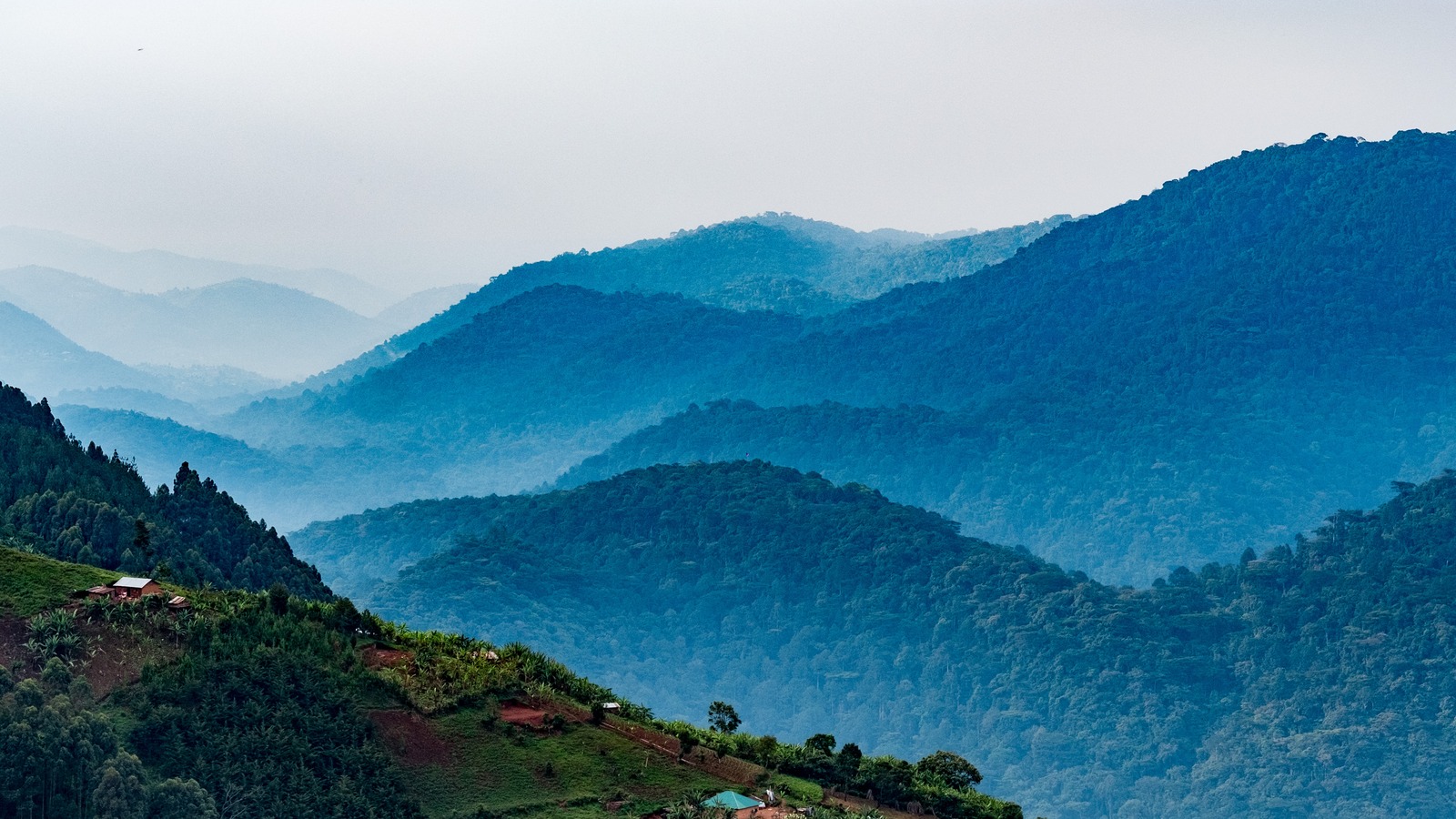
None of Canada’s extension closes Uganda itself. Uganda’s health ministry declared the nation Ebola free on July 28, 2026 after the final patient was discharged on June 16, and the World Health Organization and Africa CDC announced the end of the Ugandan outbreak on August 27. Gorilla trekking in Bwindi, safaris in Murchison Falls and Queen Elizabeth parks and primate walks in Kibale continue under normal park protocols.
Neighbors have already started unwinding their own restrictions, which underlines that Canada’s hold is a policy choice rather than a regional shutdown. Tanzania lifted its Uganda arrival screening for access, and Gulf carriers and authorities have eased parallel curbs. Travelers headed anywhere other than Canada face a lighter and fast changing set of checks.
The practical takeaway is to match the destination to the rulebook. Uganda welcomes visitors under its own health protocols, while Canada bound itineraries carry quarantine and paperwork costs through late November. Pick safari dates that leave room for the 21-day tail, or route the trip through jurisdictions that have already normalized entry.
| If you… | What to do |
|---|---|
| Are a Canadian or permanent resident returning from Uganda | Complete the arrival health assessment and 21 days of home quarantine. |
| Are a foreign national last resident in Uganda | Expect visa, permit or eTA issuance to stay on hold through November 27 even with a prior approval. |
| Visited or transited the DRC in the prior 21 days | Do not book Canada bound flights until 21 days have passed since departure. |
| Are US bound after a Uganda only trip | Route through a designated screening port and confirm screening steps before connecting. |
September 28 is the extension gate. Treat every Uganda linked booking made after that date as subject to the November 27 rule set.
November 27 is the expiry gate. Watch for Canada to renew, ease or end the measures, and do not assume normal travel resumes on November 28 without a new notice.
Departure day is the routing gate. Keep the Democratic Republic of the Congo, including fuel stops, out of the prior 21 days before any Canada bound flight.
Does an approved Canadian visa still work if I live in Uganda?
No. Final decisions and issuance stay suspended through November 27, and even previously approved visas, permits and authorizations cannot be used for travel while the measures stand.
I only connected through the DRC without leaving the plane. Am I affected?
Yes. Technical and refueling stops count as regional exposure, so the 21-day boarding and quarantine logic applies exactly as if you had entered the country.
What must Canadians do after returning from Uganda?
Undergo a health assessment on arrival and complete 21 days of self isolation when Uganda was visited within the prior 21 days.
Is Uganda itself closed to visitors?
No. Uganda was declared Ebola free in July and confirmed clear in August, and parks and trekking operate normally; the restrictions govern return to and entry into Canada.
Image Credits
- Lead Photo
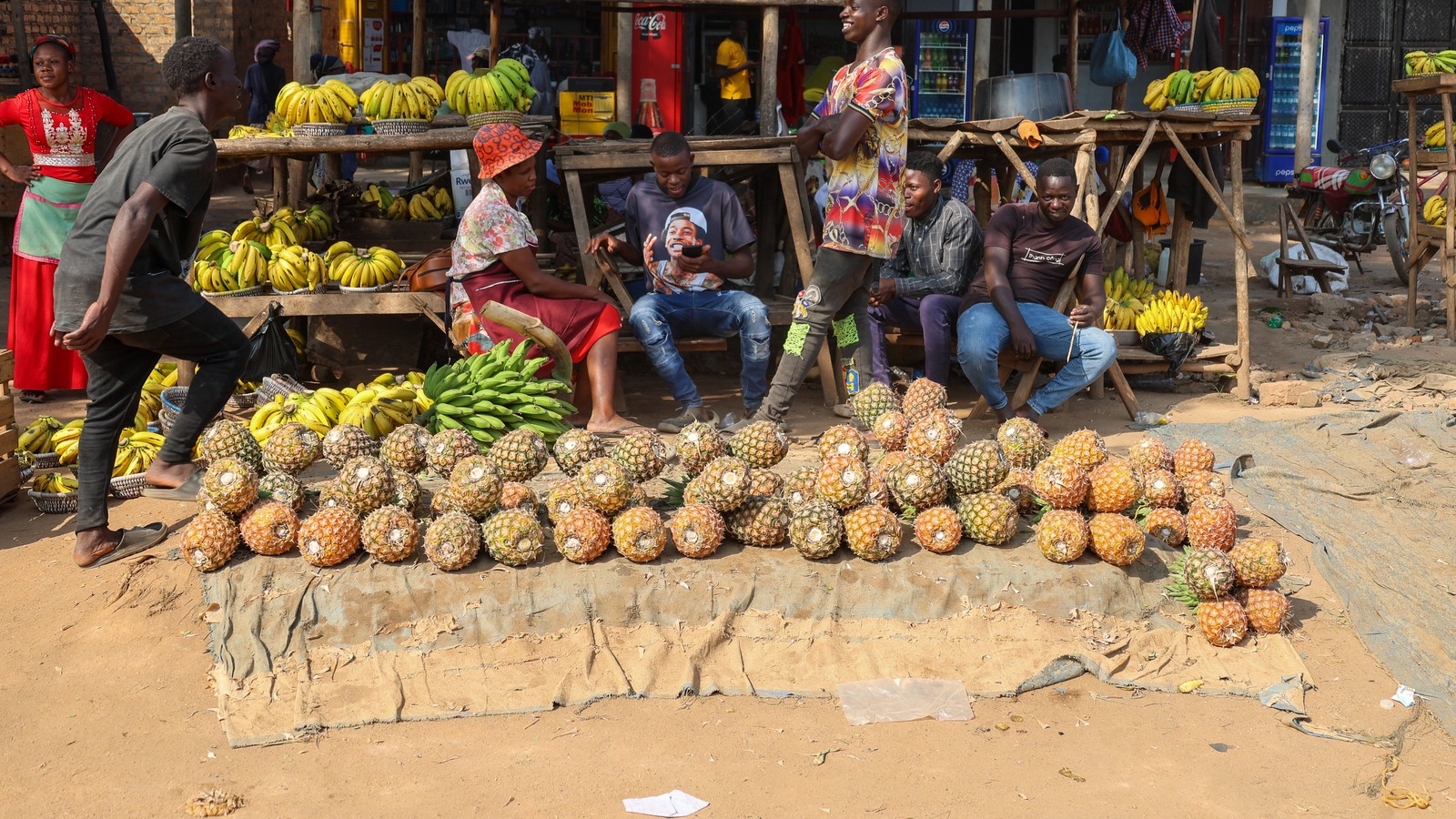
Kampala, Uganda · flowcomm · CC BY 2.0 · cropped