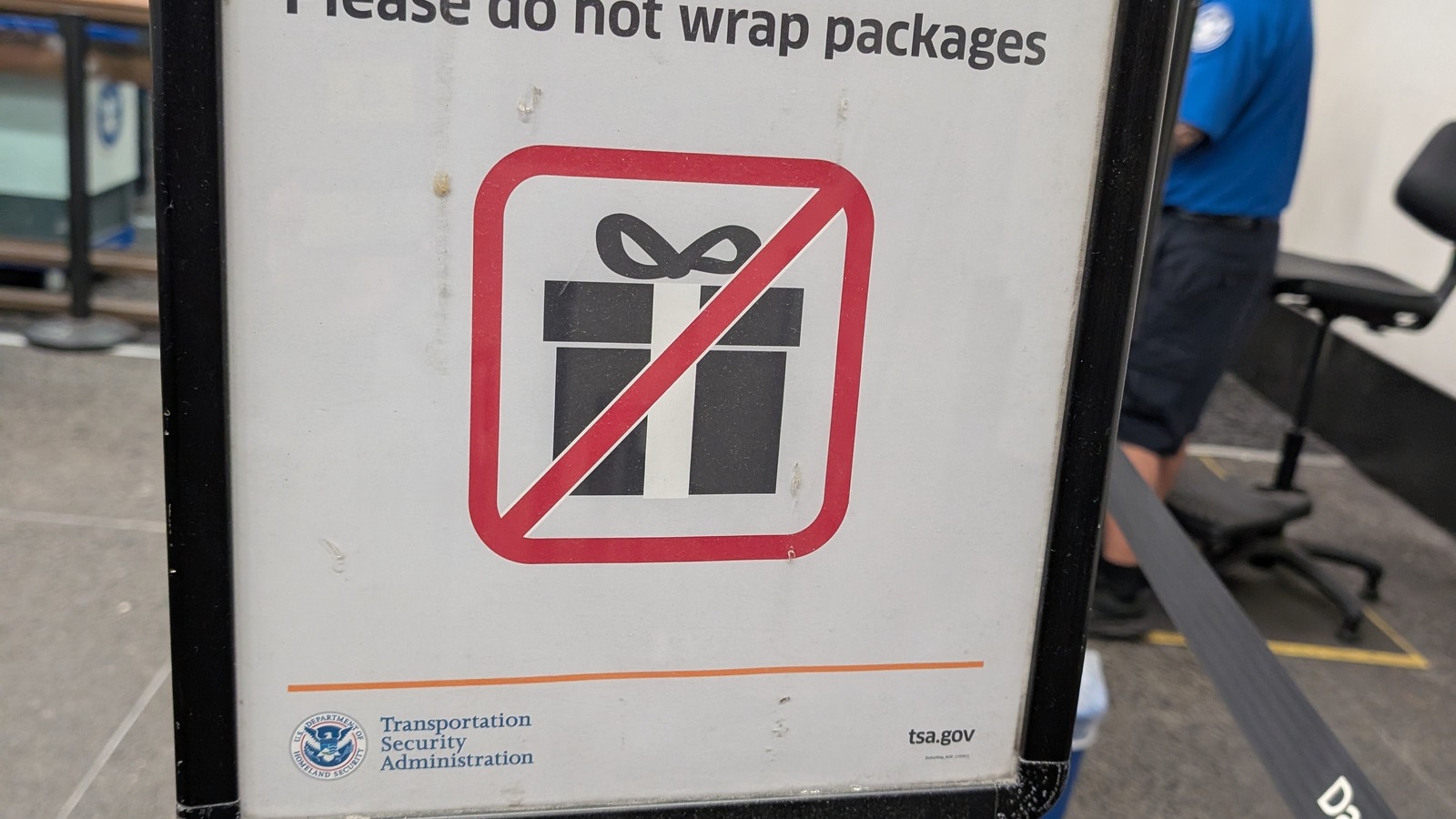
Transportation Security Administration chief David Cummins said on October 6 that the agency will install redesigned TSA PreCheck lanes at seven airports over the next six weeks, combining electronic identity gates, body scanners and artificial intelligence assisted bag screening, Federal News Network reported from his keynote address at an Airports Council International conference in Arlington, Virginia.
If you hold TSA PreCheck or plan to apply, the decision is whether to enroll or renew now and what to expect at the checkpoint in the coming weeks. Cummins said the new lanes should move twice as many passengers as current PreCheck lanes, and travelers weighing the cost and timing can review how long membership lasts and how renewal works in Deep Arrival’s guide to TSA PreCheck validity, expiration and renewal.
- Announced: October 6, 2026, by TSA Administrator David Cummins in a technology security keynote.
- Rollout: New PreCheck lanes reach seven airports over six weeks. TSA has not named the airports.
- Technology: Electronic gates, Advanced Imaging Technology body scanners and image on alarm bag screening.
- Goal: Double PreCheck lane throughput and add about 20 million members over three years from roughly 50 million today.
Three Tested Systems Form the New Lane
Cummins described the upgrade as a PreCheck mod set that bundles systems TSA has tested separately in recent years. Electronic gates, known as eGates, verify identity with facial matching and control access through a gate, which reduces the need for an officer to check each traveler’s documents by hand, according to independent coverage by View From the Wing citing TSA’s checkpoint planning guide.
Advanced Imaging Technology, TSA’s term for body scanning, would screen PreCheck passengers who today typically walk through metal detectors. The third piece, image on alarm, uses automated threat detection to flag only the bag images that need an officer’s review instead of requiring screeners to examine every image. The flagging software has already been demonstrated in Nashville and in Las Vegas.
TSA officials believe the combination can double the throughput from an existing PreCheck lane to the new mod set, Cummins said. He put the equipment package at 4 million dollars per lane set and projected a three year payback from operating savings and enrollment fee revenue. He said TSA is asking Congress and the administration to fund the lanes as a start.
First Seven Airports Remain Unnamed
Which airports are on the first list has not been shared publicly. The rollout window runs about six weeks from the October 6 announcement, so travelers will need to watch TSA and airport announcements rather than assume their home airport is included. Federal News Network noted that Cummins spoke at a conference hosted by Airports Council International North America, the trade group for airport operators.
The lane project feeds a broader Horizon 25 strategy that TSA plans to launch officially in November to mark the agency’s 25th anniversary. Cummins said 12 tiger teams recently completed sprints on topics from PreCheck improvement to cybersecurity and countering drones, and that the resulting solutions are meant to be implementable within one year across all 430 commercial airports in the United States.
Enrollment Drive Targets 20 Million More Members
Cummins said PreCheck enrollment has flattened recently at roughly 50 million people. His pitch is that faster lanes plus permission to bring additional items through the new checkpoints will strengthen the program’s value and add about 20 million members over three years, with the resulting fee revenue helping pay for the equipment. Enrollment access has already widened through partnerships covered on Deep Arrival, including Clear TSA PreCheck enrollment availability at dozens of airports and Staples stores.
On staffing, Cummins said the newer technology needs fewer officers per checkpoint but ruled out layoffs. TSA employs roughly 55,000 transportation security officers, and he said the agency will shrink checkpoint staffing through attrition, which he described as running 15 to 20 percent, rather than by filling every open position. Separately, he cast the removal of chairs for officers who check IDs as part of a traveler experience push.
What Travelers Should Not Assume Yet
Cummins declined to say which additional items travelers would be allowed to bring through the new checkpoints. Full size water bottles are the most discussed possibility in independent coverage, and TSA has studied relaxing liquid limits at lanes with advanced scanners, but the administrator confirmed no specific change on October 6. Travelers should keep following the current 3.4 ounce liquids rule until TSA announces otherwise.
Current PreCheck lanes also remain unchanged until the upgrade reaches them. Metal detectors, document checks and existing bag procedures still apply everywhere the mod set has not been installed. Until TSA names the first seven airports and shows results from the rollout, keep your normal airport arrival buffer and do not plan around shorter lines that have not materialized yet.
| If you… | What to do |
|---|---|
| Are enrolled in TSA PreCheck | Expect a possible body scanner instead of a metal detector once upgraded lanes arrive. No action is needed yet. |
| Plan to apply or renew soon | Weigh timing against the promised faster lanes, and check validity and renewal steps before you pay. |
| Fly through a busy airport often | Watch TSA announcements for the seven airport list over the six week window starting October 6. |
| Do not have PreCheck | Standard lanes are unchanged, and the enrollment decision is unchanged until TSA confirms new benefits. |
The six weeks from October 6 are the first rollout gate. Check TSA or airport notices before assuming your airport has the new PreCheck lane.
November is the Horizon 25 strategy launch. Expect broader checkpoint announcements tied to the agency’s 25th anniversary.
The three year enrollment horizon is the pricing gate. Membership growth funds the equipment, so watch for enrollment offers before you renew.
Which seven airports get the new TSA PreCheck lanes?
TSA has not named them. The agency said the first installations land within six weeks of October 6, 2026.
Will PreCheck passengers have to use body scanners?
In the new mod set lanes, yes. Cummins said Advanced Imaging Technology is part of the package. Existing lanes still use metal detectors until upgraded.
Can PreCheck travelers bring full water bottles now?
No. Cummins declined to specify the additional permitted items, so current liquid limits stand until TSA announces a dated change.
Will the new lanes shorten my wait?
TSA projects double the throughput per lane, but results are unproven. Independent coverage notes identity automation can slow down when errors need handling, so keep your normal buffer.