Royalbroil · CC BY-SA 4.0 · cropped
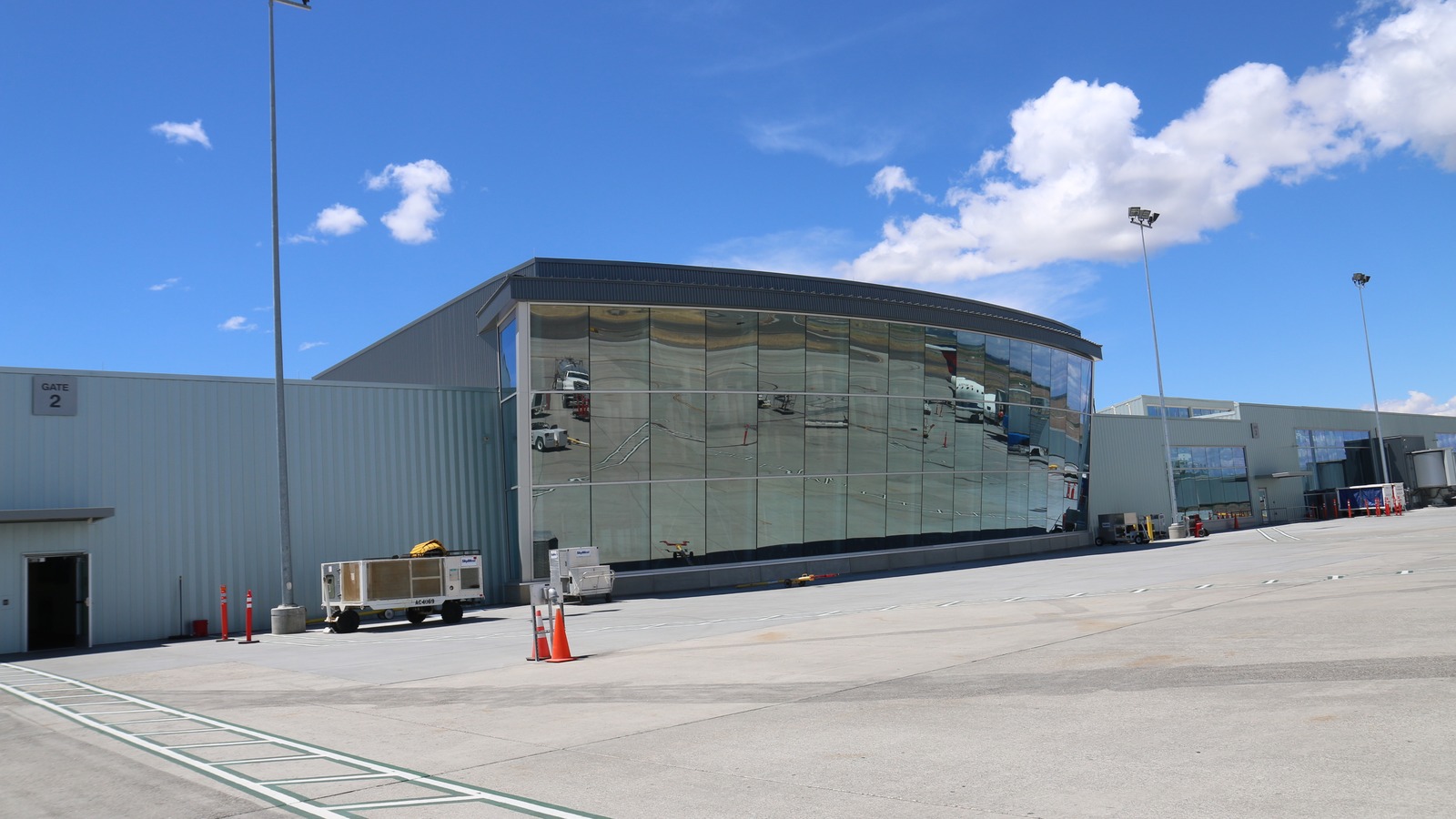
Tri-Cities Airport in Pasco, Washington, is advancing a federally supported plan to enlarge its deicing pad and related airfield infrastructure to speed cold weather departures. The operator, the Port of Pasco, lists a De-Icing Pad Expansion covering environmental work, design and construction in fiscal year 2026 at $2,319,382, plus a pavement management update at $99,750. Independent coverage published September 18, 2026, by The Traveler links that program to a fiscal year 2026 federal award for a deicing pad and containment facility at PSC.
For winter travelers, the decision is whether to keep booking morning departures through Pasco with more confidence while still padding connections on snow days. Travelers comparing airport reliability can review broader carrier guidance on our airlines hub before choosing itineraries.
- What is planned: Tri-Cities Airport plans to reconstruct and expand the terminal deicing pad with associated facilities in fiscal year 2026.
- Official budget: The airport document dated February 28, 2025, lists the pad expansion at $2,319,382 and the pavement plan update at $99,750.
- Funding signal: Coverage published September 18, 2026, reports new federal Airport Improvement Program funding for the pad and containment facility.
- Traveler effect: More pad space aims to shorten deicing queues and missed holdover windows, not to guarantee on time departures.
The Official Project Scope
Port of Pasco procurement material describes reconstruction and expansion of the terminal deicing pad and associated facilities, with design and construction contemplated. Related work includes taxiway projects identified as TWY E and TWY A5 and terminal apron expansion. The airport capital table in its February 2025 goal update places the De-Icing Pad Expansion under fiscal year 2026 projects, bundled as environmental, design and construction in one $2,319,382 contract.
State planning records agree. The Washington State capital improvement plan lists Pasco Tri-Cities for 2026 work described as reconstructing and expanding the deicing pad with associated facilities to handle additional aircraft, noting the need was identified in the airport master plan. Those records establish the project as a planned capacity expansion, while Tri-Cities Airport documents supply the budget figures.
Current reporting adds the funding trigger. The Traveler reported September 18, 2026, that the airport secured new federal funding to expand the deicing facility for snow and freezing conditions. The report describes a larger pad footprint with supporting infrastructure, taxiway connections and relocation of some Federal Aviation Administration weather and navigation equipment. Treat the airport and Port documents as the scope proof and the September report as the timing signal.
Why Deicing Space Controls Winter Departures
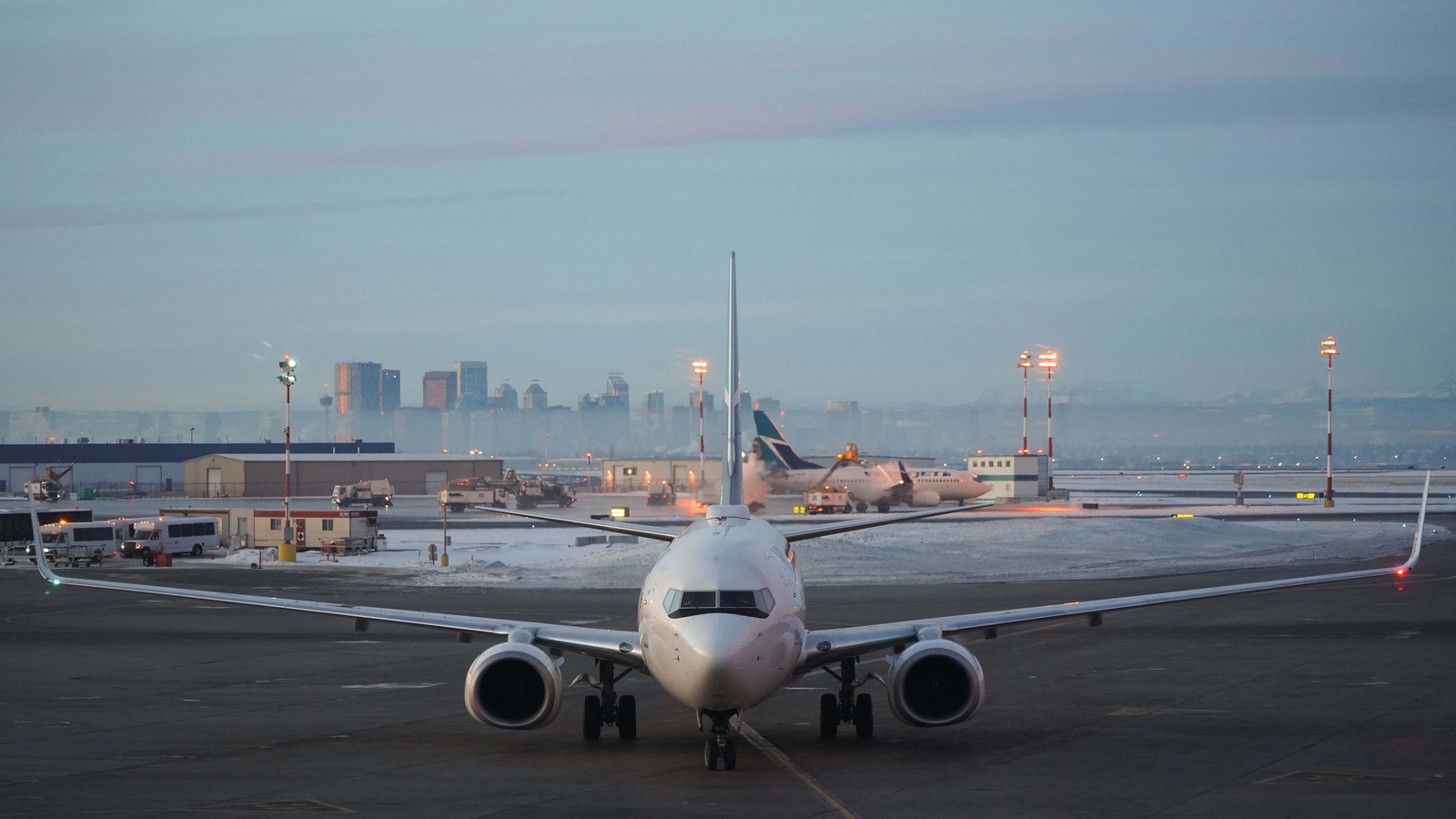
Deicing delays pile up when several aircraft need treatment in a short window and the pad cannot stage them well. Each aircraft must depart within a defined holdover time after fluid application, and heavy snow can shorten that window. When queues stretch, crews must retreat aircraft or repeat treatment, which blocks the pad longer and pushes departures back.
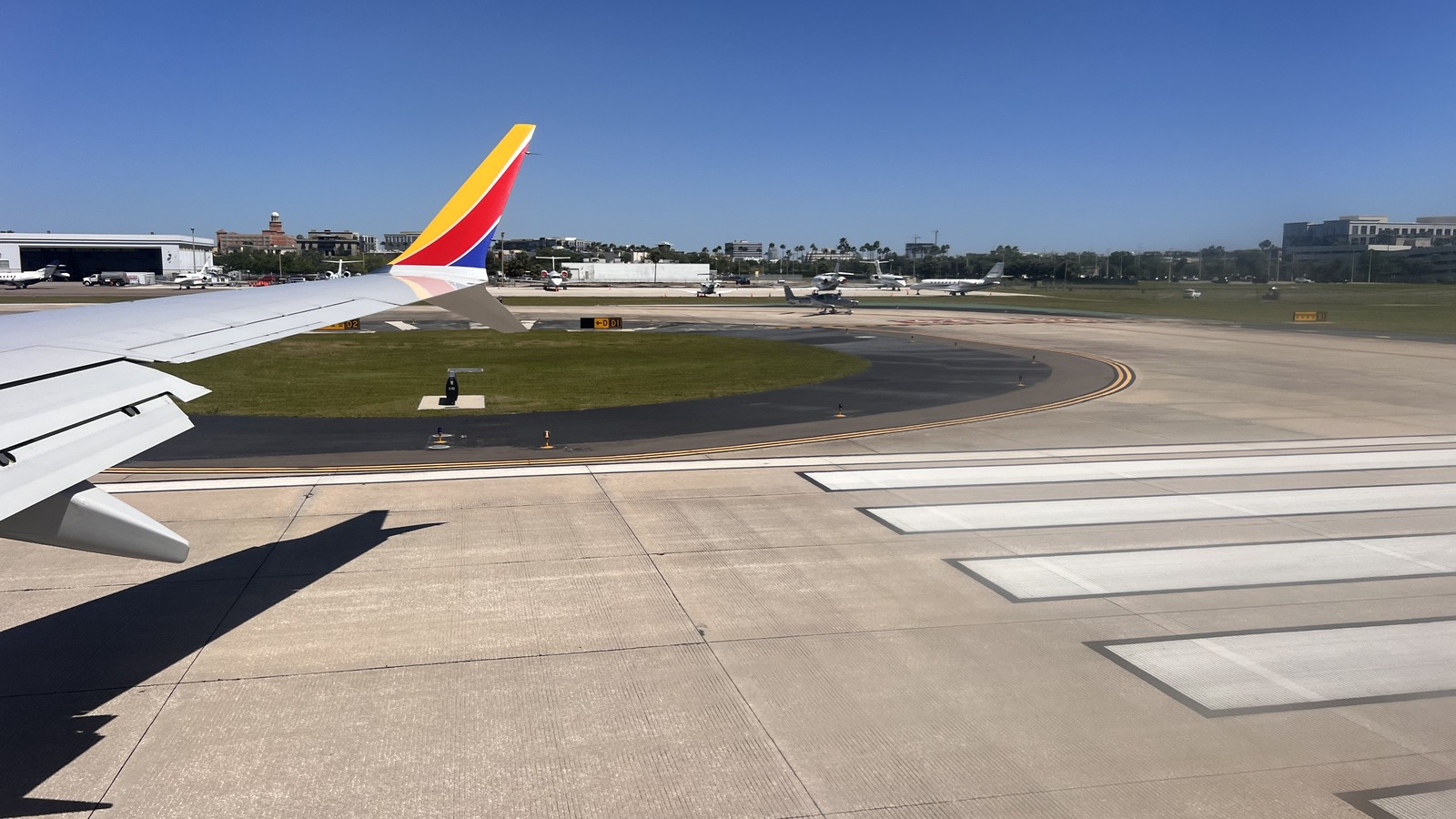
Pad footprint matters because treatment is only one step. Aircraft need clear routing from gates to the pad, room to be sprayed without blocking the next aircraft, and a clean path to the taxiway and runway. A tight apron forces conservative metering, especially when snowfall rates shift or inbound aircraft occupy gates longer.
Containment matters too. Modern facilities collect spent fluid and meltwater under environmental rules, so added collection capacity keeps treatment from pausing when storage fills. The September 2026 reporting mentions a containment facility beside the pad, matching the environmental component in the official contract description.
What Changes for Pasco Winter Travelers
The near term change is capacity in progress, not a finished fix. No operator notice reviewed for this story announces a completion date or a guaranteed delay reduction figure. Travelers should read the project as lowering the odds of long deicing line delays over time, while keeping normal winter buffers until the airport confirms the pad is operational.
That shapes booking choices. A larger pad should help most on marginal snow mornings when departures cluster near the same hour. On major storm days with low visibility, runway clearing, crew limits and network cancellations will still drive outcomes. Connecting travelers should favor longer layovers and same airline itineraries on snow forecast days.
Route planning still matters. PSC travelers have seen separate schedule news this month, including Breeze Airways canceling Tri-Cities to Dulles after November 30, which affects nonstop options rather than winter operations. Use that route check for network planning and this story for winter day execution.
Terminal Work Around the Pad Project
The deicing project sits inside a larger PSC build. The same official document lists a fiscal year 2025 terminal expansion construction contract at $11,366,530 and a firefighting truck at $1,094,320, placing terminal capacity ahead of the fiscal year 2026 airfield work. Later phases turn to equipment buildings, keeping the deicing expansion in the middle of a multi year program.
Taxiway and apron work explains why benefits reach beyond the pad concrete. New connections and apron room let controllers feed treated aircraft to the runway without trapping untreated ones behind them. Equipment relocations clear the geometry for that layout rather than changing approach minimums.
Passengers will not face a new process from this project. Deicing happens after pushback or at a set pad, away from gates, so the visible change is shorter tarmac waits on treatment days. Keep flight alerts enabled, since the airport issues day of weather impacts through airlines and social channels.
Planning Winter Flights Through PSC
Morning departures need extra care. Overnight snow creates the first treatment rush, and holdover pressure peaks near freezing with active precipitation. Where schedules allow, midday departures on forecast snow days leave more recovery room, balanced against last flight risks if cancellations cascade.
Pack winter basics. Keep essentials in carry on for a possible misconnect, use the airline app for rebooking, and check inbound aircraft status before leaving. Then allow extra drive time, since freezing rain can affect Pasco area roads on the same mornings the pad is busiest.
| If you… | What to do |
|---|---|
| Fly from PSC on a light snow morning | Keep the booking with normal winter buffer, since added pad capacity aims to shorten treatment lines once live. |
| Connect onward on a snow forecast day | Pick a longer same airline layover, because deicing helps the first leg but cannot protect a tight connection. |
| Must arrive by a fixed morning meeting | Travel the evening before when possible, since major storms still cancel regardless of pad size. |
| Drive to PSC from nearby cities | Check flight and road status before leaving, because ground ice often peaks during the morning treatment rush. |
September 18, 2026 reporting is the timing gate. Treat the federal funding link reported that day as the reason to take the fiscal year 2026 plan seriously, not as proof the concrete is finished.
Fiscal year 2026 construction is the capacity gate. Watch for Port or airport notices confirming award, start and commissioning before assuming shorter queues.
Each snow forecast is the booking gate. Keep longer connections and earlier departures on active weather days until the facility is confirmed in service.
Will Tri-Cities Airport end snow delays this winter?
No. The expansion aims to cut deicing queue delays, but storms, visibility and network cancellations can still disrupt flights.
What is the airport building?
Official documents describe reconstructing and expanding the terminal deicing pad with associated facilities, plus containment, taxiway links and equipment moves.
How much is budgeted?
The February 2025 document lists $2,319,382 for pad expansion work and $99,750 for the pavement plan update.
Should I change PSC winter bookings now?
Keep convenient nonstops but favor longer connections on snow days and watch for an operational notice before counting on faster deicing.