Tokyo City Pass is still advertising a ¥1,900 one-day base pass, but its day does not end the same way for every benefit. The subway ticket runs on a rolling 24-hour clock after first use; the included experiences and food coupon use a calendar-day window, a distinction worth knowing before activating anything late at night.
This is the promotion accompanying the September 4, 2026, relaunch, not a new October launch or a sale with an announced imminent cutoff. The current official page still lists the limited-time price; compare your intended train routes with our Tokyo neighborhood and rail-base guide before deciding the bundle fits.
- Advertised price: ¥1,900 for the one-day base pass, tax included, with optional spots charged separately.
- Rail coverage: All 13 Tokyo Metro and Toei Subway lines, not a blanket pass for every Tokyo train.
- Base benefits: Subway travel, six specified experiences and one ¥1,000 food-discount coupon.
- Timing: Subway hours and experience calendar days are different validity systems.
- Before reserving: Optional-attraction reservations affect the cancellation exception.
¥1,900 Buys the Base, Not the Whole Attraction Menu
The September 4 Travel Watch launch report describes the substantive change: Tokyo Metro and Linktivity moved from a bundled format to a base pass with separately selected optional spots. It also reported that travelers living in Japan could use the relaunched product.
The current English homepage lists the one-day promotional price against a usual ¥2,400 price and explicitly puts optional fees outside it. Neither that current page nor the launch announcement supplies a confirmed promotion end date, so this is an active-price comparison, not a countdown claim.
The included experiences are a particular set, not unlimited entry to everything in the city. The current list names Tokyo Dome City Attractions, Ocha Culture Creation Museum, Japan Sake and Shochu Information Center, Kotobukiyu Ueno, Marutake in Tsukiji and an incense experience at Sensoji Temple.
That mix could suit a food-and-culture day, but do not buy the package simply to fill six boxes. Choose the included stops you genuinely want and check their operating dates; the benefit list does not prove that every experience will be open or convenient on the day you arrive.
Read the Train Operator, Not Just the Station Name
The rail component is the Tokyo Subway Ticket, covering Tokyo Metro and Toei Subway. That stated network scope is the reason not to assume a JR leg qualifies: a Tokyo station name alone does not identify the operator or establish coverage under this bundle.
If a route planner gives you a JR journey, compare a Metro or Toei alternative and its actual transfer pattern before deciding whether the pass helps. Another ticket or pass might already cover that journey, so exclusion from this base pass is not proof that every traveler owes a particular extra fare.
The current product menu lists the Keisei Skyliner one-way journey among paid options. Do not read the ¥1,900 base price as an included Narita airport transfer, and do not extend that single example into an unverified claim about every possible airport approach.
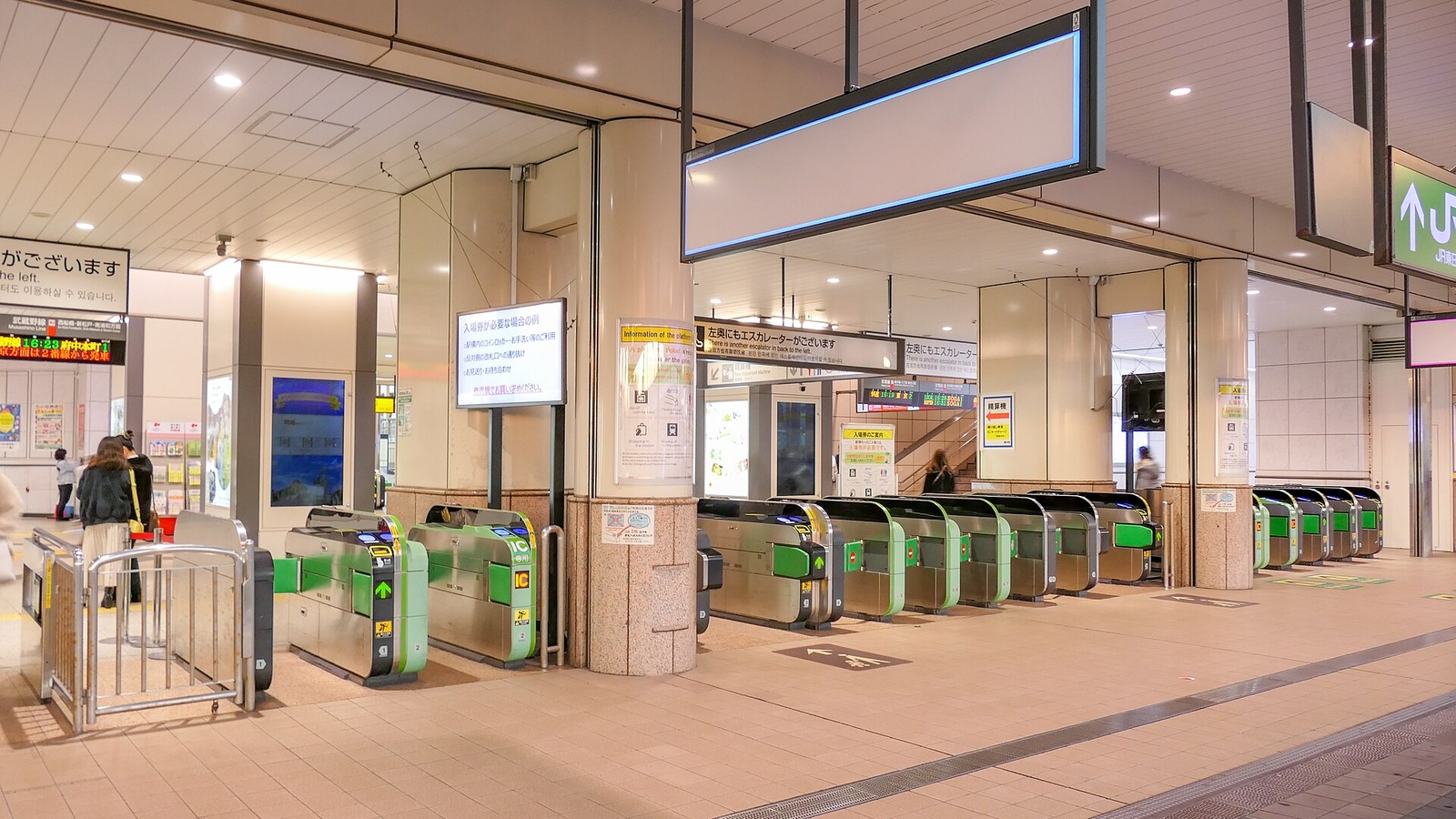
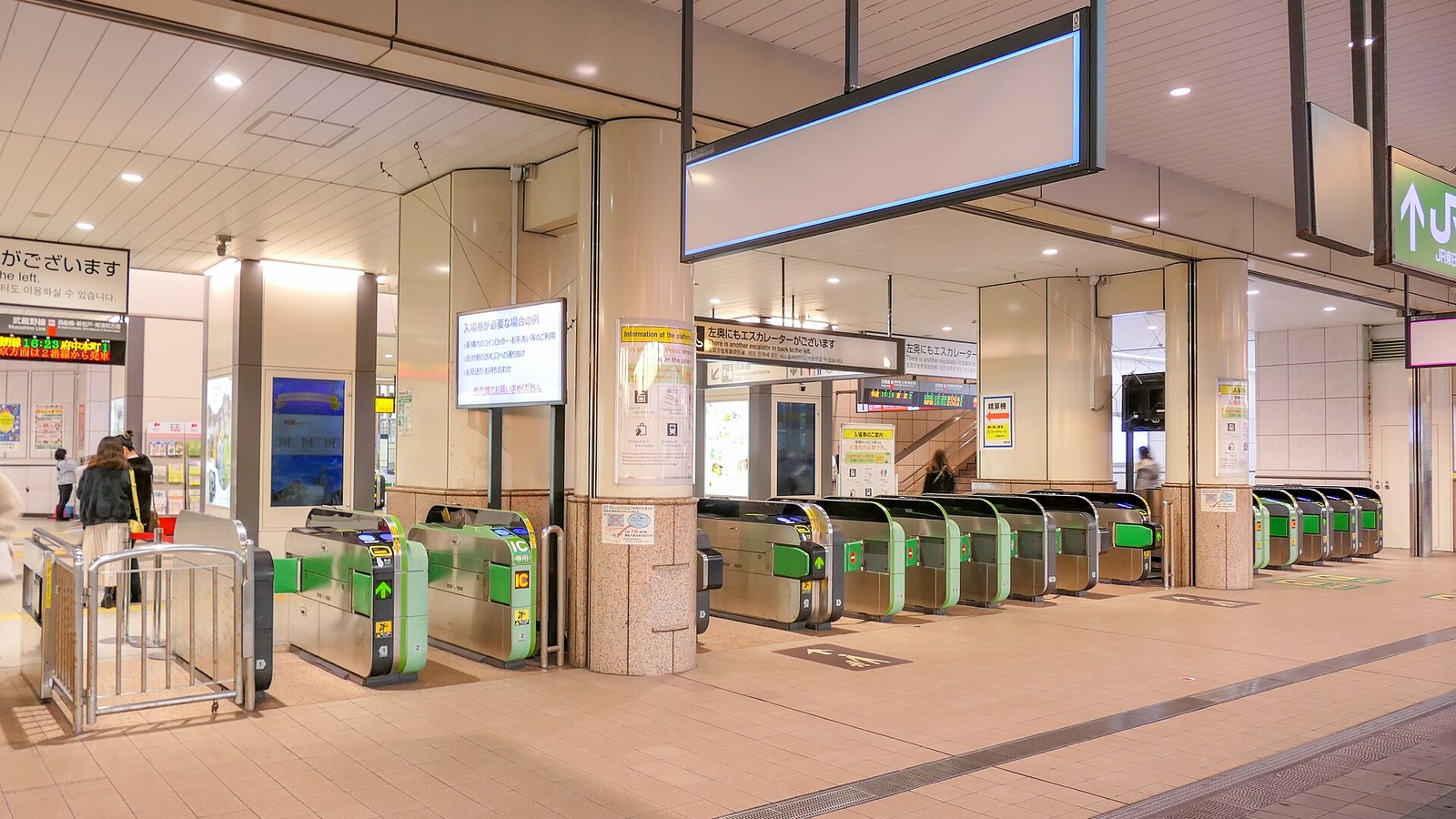
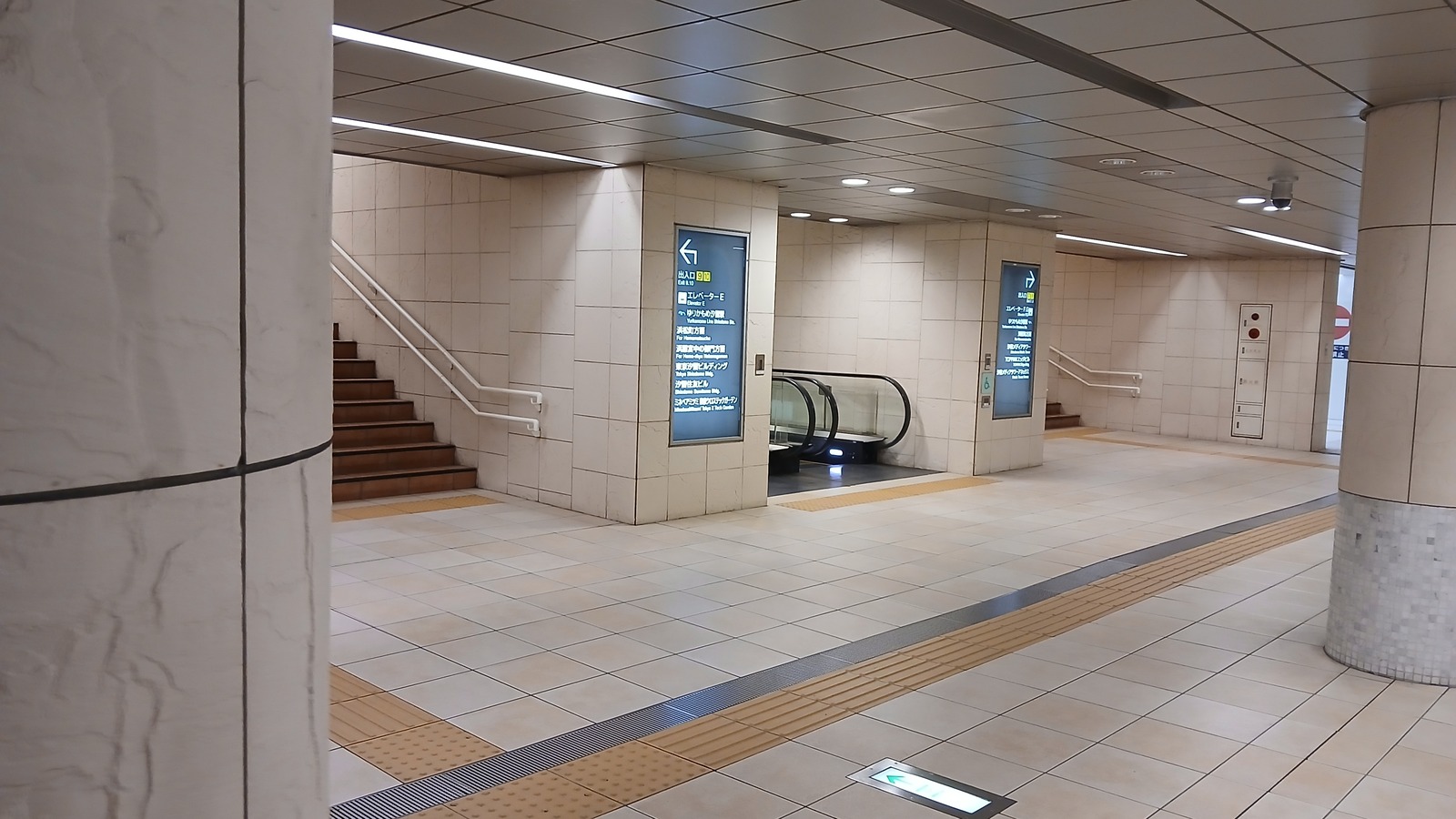
The featured image shows the Toei Oedo Line’s Shiodome Station in March 2025, part of the named subway system. It is historical station context, not a picture of a Tokyo City Pass ticket, an October booking or proof that a particular redemption machine or access route is available today.
The Subway Clock Can Outlast the Food Clock
The official FAQ explains that the emailed QR voucher is exchanged at a tourist ticket vending machine in a Tokyo Metro or Toei Subway station. The subway ticket’s 24-hour period starts at first use, rather than at the moment an online purchase is completed.
For experiences and the coupon, the current terms instead count calendar days from the earlier of the relevant spot reservation date or the first pass entry or use. Their example treats an 8 p.m. scan as use beginning that same date, not as the start of a fresh day lasting until the following evening.
For the one-day package, that means a late first experience can leave much less usable time for the remaining base benefits than the subway’s rolling clock suggests. The train ticket still has its own rules; do not assume its expiry date automatically governs a museum experience or your dinner coupon.
The coupon is a discount at participating restaurants, not cash and not a promise of a free meal anywhere. The purchase notes control participating locations and discount conditions; use it within the applicable period at a place you would actually choose, rather than reshaping the day around an unverified saving.
Reserve the Extra Only When the Plan Is Ready
The pass site’s FAQ says adult tickets are sold, while child facility tickets need separate arrangements. It allows up to six passes under one ID without a multiple-purchase discount, so an adult group or family should not multiply the advertised base price into a complete party budget without checking who needs what.
The Japanese terms require Linktivity member registration and distinguish the base benefits’ three-month start window from the subway ticket’s separate rules after issue. A longer validity period for the issued rail ticket is not permission to assume the entire food-and-experience bundle remains unused indefinitely.
The cancellation exception is particularly important when choosing an optional attraction: the terms allow cancellation within three months only before an optional-spot reservation is made, apart from legally recognized cancellation grounds. Reserving that slot changes the ordinary cancellation position; the promotion does not supply a universal flexible-booking promise.
Check the date, included entitlement and separate optional price before reserving, then leave enough time for the base benefits you want. The operator’s FAQ also requires at least 30 minutes between facility uses, another reason to plan a real day instead of imagining every listed stop as an instant free add-on.
| Your plan | What to check |
|---|---|
| Mostly Metro and Toei travel | Match the actual lines and included experiences to the advertised base package. |
| First experience late in the evening | The one-day experience and coupon window is that calendar day, not the subway’s rolling 24 hours. |
| Skyliner or a major optional attraction | Inspect the separate fee and any reservation before treating it as part of ¥1,900. |
| Plans may still change | Read the cancellation exception before reserving an optional entry time. |
Build the route first. The base pass names two subway operators, not every rail service.
Keep the two clocks separate. A late experience scan does not buy another full calendar day.
Price the extras honestly. This article verifies the current advertised base price, not a completed checkout quote or guaranteed savings.
What is the advertised Tokyo City Pass one-day price?
The current official English page lists ¥1,900, tax included, as a limited-time base price. Optional spots cost separately.
Does Tokyo City Pass cover every train in Tokyo?
No blanket coverage is stated. The included Tokyo Subway Ticket covers Tokyo Metro and Toei Subway lines.
Do the food coupon and subway ticket expire together?
Not necessarily. The subway uses a rolling hour period, while the included experiences and coupon follow their calendar-day window.
Can I freely cancel after reserving an optional attraction?
No. The ordinary cancellation exception requires that no optional-spot reservation has been made; check the current terms before booking.
Image Credits
- Lead Photo
Epicgenius · CC BY-SA 4.0 · cropped