Solomon Airlines’ October 12 price change does not stop at the airfare. The carrier is raising domestic fares by 2%, increasing its fuel surcharge to AUD15 per sector, and changing seat-selection and prepaid excess-baggage charges, so the useful question is what your particular itinerary will cost rather than whether one headline percentage applies to everything.
The new charges took effect October 12, 2026, following the airline’s October 5 notice. International passengers, domestic travelers and people adding seats or baggage face different parts of the change; a single percentage cannot describe all three bills.
- Effective date: October 12, 2026.
- Domestic fares: Increase of 2% across the Solomon Islands network.
- Fuel surcharge: AUD15 per sector, up by AUD5.
- Seat selection: Standard AUD18, preferred AUD54, extra legroom AUD90.
- Baggage: Posted prepaid excess rates vary by route, direction and currency.
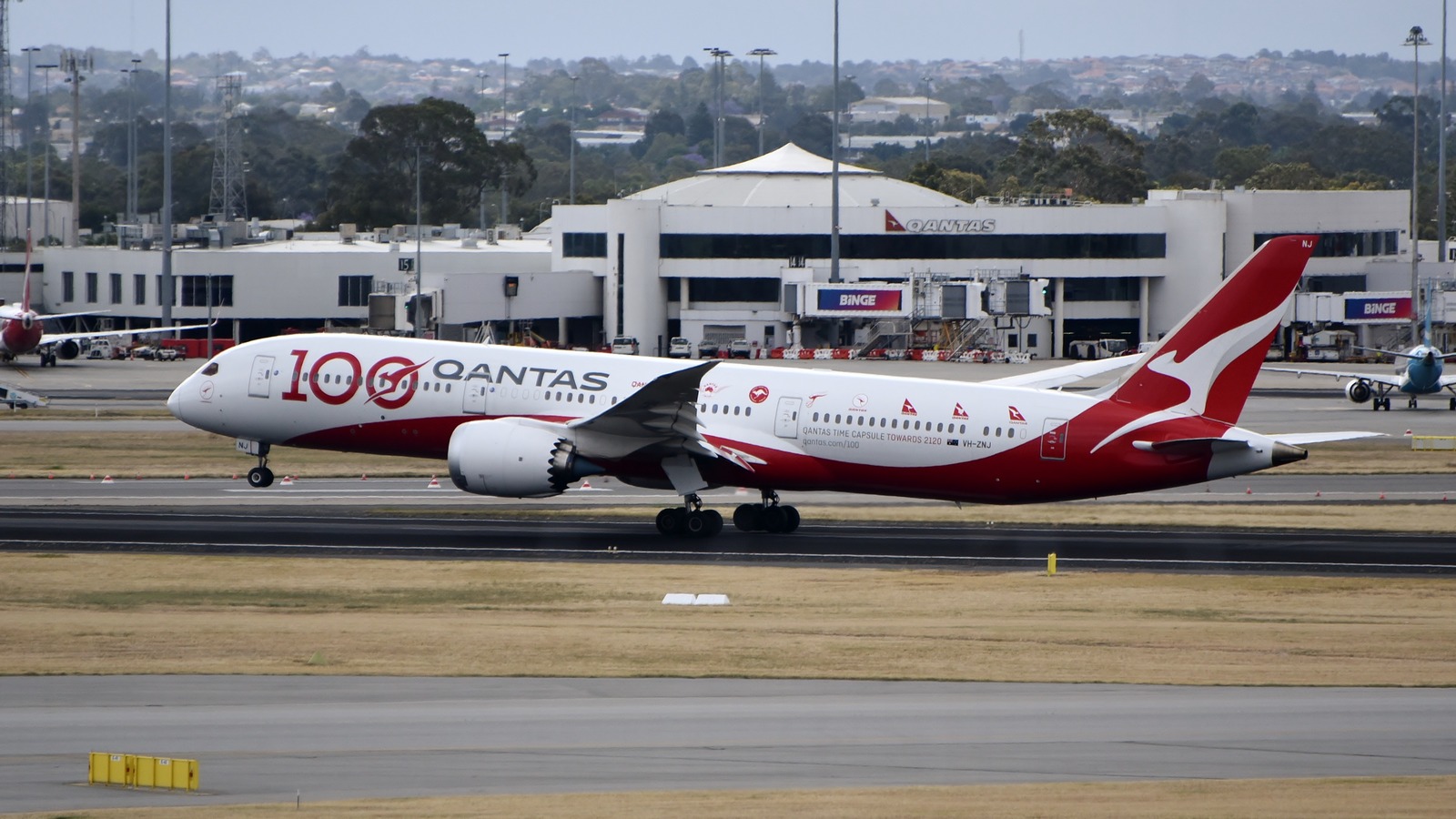
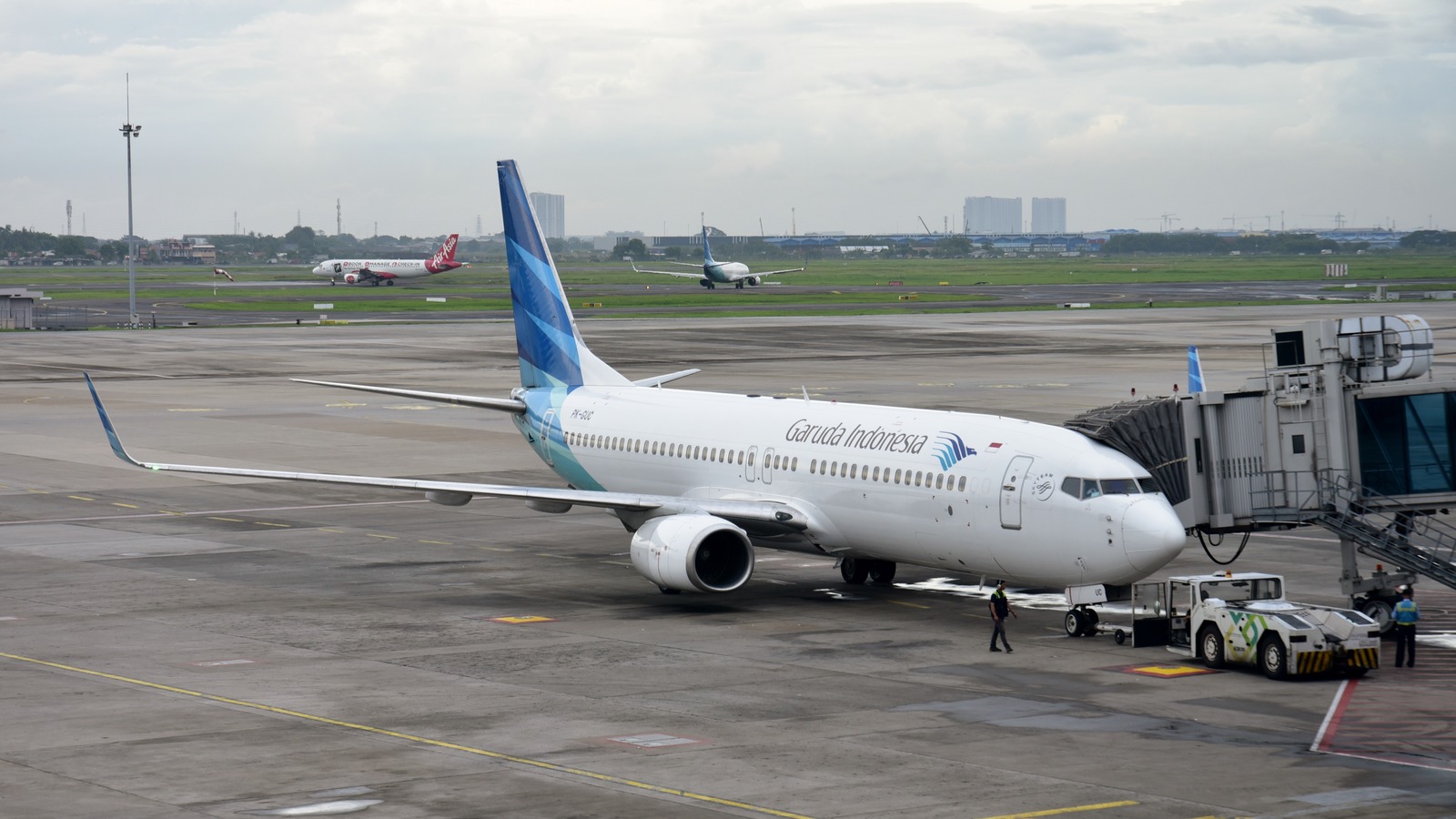
The photograph shows Solomon Airlines Airbus A320 H4-SAL at Auckland Airport on January 16, 2026. It identifies the operator, not the October fare change or the aircraft assigned to every route.
Count Flight Legs Before Comparing the Surcharge
The airline’s official notice puts the revised fuel surcharge at AUD15 per sector, an AUD5 increase. The Island Sun’s October 8 report by John Houanihau identifies that surcharge change for international passengers and corroborates the separate 2% domestic fare increase.
A sector is an individual flight segment, not the entire holiday. For an illustrative return itinerary with one affected international flight in each direction, the surcharge would total AUD30 instead of AUD20, an AUD10 difference. That calculation assumes two applicable sectors; it is not a current ticket quote or a claim about every domestic connection.
The surcharge itself has risen 50%, because the previous AUD10 amount has become AUD15. That does not mean the whole airfare has risen 50%. Keeping the line item separate from the ticket total avoids turning a meaningful extra charge into a much larger, unsupported claim.
The fare decision is still about the complete itinerary. Compare the current quoted price with the same dates, routing and inclusions rather than comparing an old advertised headline fare with a new total that contains more services. A useful comparison holds the trip constant while identifying which charges changed.
The 2% Fare Rise and Seat Choice Are Different Decisions
For domestic travel, the announcement specifies a 2% airfare increase. As a simple illustration, a fare amount of SBD1,000 would become SBD1,020 under that adjustment. This is arithmetic, not a real available fare, and it does not establish the final price once other applicable charges are included.
Seat selection has its own posted menu in Australian dollars: AUD18 for standard, AUD54 for preferred and AUD90 for extra legroom. The difference between standard and preferred is AUD36; moving from standard to extra legroom adds AUD72. Those are category comparisons, not a statement that a preferred or extra-legroom seat is available on your departure.
Decide whether the seat location is worth its quoted extra cost before adding it to the booking. A fare increase is part of the transportation price; selecting a particular seat is a separate choice. Treating those as different questions makes it easier to see which spending is fixed for the ticket and which depends on the services you select.
For a party traveling together, compare the seat charges across the booking rather than looking only at one passenger. The notice does not promise a family seating arrangement or say that every fare includes advance selection. Use the actual fare and seat options presented for your trip.
The Baggage Table Changes Currency With Direction
The carrier’s prepaid excess-baggage table is route-specific. It lists AUD18 for Brisbane to Honiara and SBD80 for Honiara to Brisbane, while Nadi to Honiara is listed at FJD18 and the reverse direction at SBD80. Matching numerals in different currencies are not the same amount of money.
The Auckland and Port Vila examples make the same point. Auckland to Honiara is listed at NZD18, while Honiara to Auckland is SBD80; Port Vila to Auckland is VUV600 and Auckland to Port Vila is NZD18. Use the departure direction, not just the destination name, when looking up a rate.
The announcement labels these prepaid excess-baggage rates but does not spell out the charging unit in its table. Do not read a listed number as a guaranteed flat price for an entire additional suitcase. Confirm the quantity, allowance and total shown in the applicable baggage purchase before paying.
The practical packing question is whether you need excess baggage at all, followed by how much and on which sectors. It is not safe to assume one prepaid purchase covers every connecting flight or that every airport purchase has the same terms. The posted table is a starting point for that specific check, not a complete baggage quote.
The Old Booking Cutoff Has Already Passed
Travel Monitor’s October 8 trade coverage says the changes apply to tickets issued on or after October 12 and distinguishes an unticketed reservation from an issued ticket. Its advice to issue tickets before the change belongs to the period before October 12; that deadline is not still open.
If you already hold an itinerary, start with its actual ticket and receipts rather than assuming the announcement automatically reprices every previous purchase. The carrier’s Manage My Booking portal provides the official route for reviewing an existing booking. Ask the airline about any newly purchased extras or ticket changes that affect your particular reservation.
For a new booking, compare the total across fare, applicable surcharge, selected seats and baggage. The airline attributes its adjustments to fuel and operating costs, but that explanation does not change the reader’s task: understand the current price of the trip you intend to buy.
This is not an announcement of a new route or a blanket cancellation program. Its immediate consequence is the cost of travel already offered by Solomon Airlines. Keeping the focus on the bill, the direction of travel and the services selected makes the news more useful than treating every passenger as if they face the same increase.
| If you… | What to check |
|---|---|
| Book domestic travel | Compare the current fare after the 2% adjustment, not an old advertised price. |
| Have two applicable international sectors | The revised surcharge would total AUD30; confirm the actual ticket breakdown. |
| Choose a seat | Compare standard AUD18, preferred AUD54 and extra legroom AUD90 with actual availability. |
| Purchase excess baggage | Match the route, direction, currency and charging quantity before payment. |
The October 12 changes are now in effect. The earlier price-lock advice has expired; use the current itinerary total and distinguish already issued tickets from new purchases.
When did Solomon Airlines’ new charges take effect?
The carrier announced October 12, 2026, as the effective date for the revised airfare and ancillary charges.
Is the new fuel surcharge AUD15 for the whole trip?
The announced amount is AUD15 per sector, meaning each applicable flight segment, not one flat charge for an entire itinerary.
How much does advance seat selection cost?
The posted categories are AUD18 for standard, AUD54 for preferred and AUD90 for extra legroom. Check the options available on your departure.
Image Credits
- Lead Photo
Umedha Hettigoda · CC BY-SA 4.0 · edited