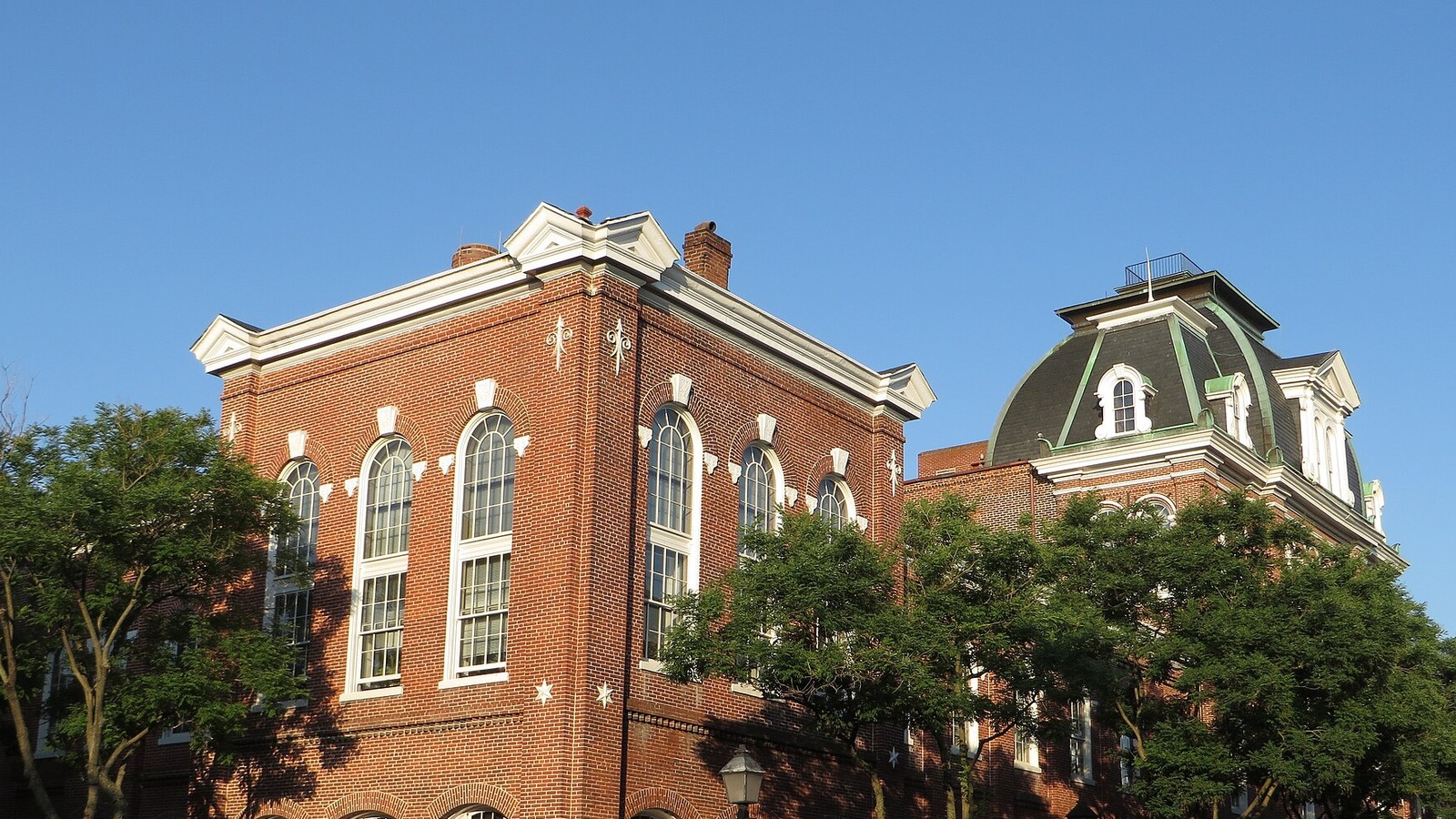
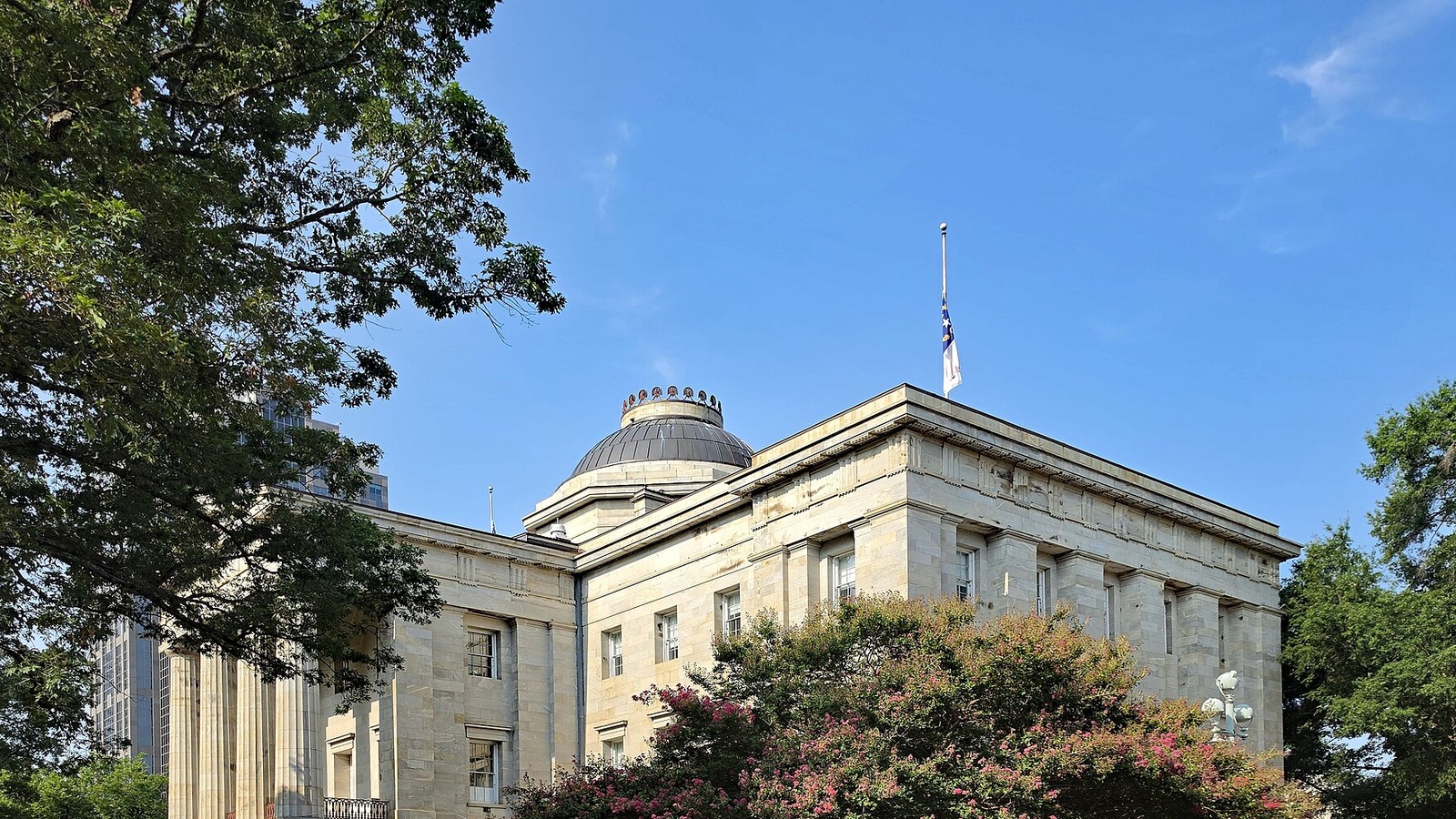
Photo: The National Museum of Asian Art’s East Building in Washington, DC, in June 2024. This venue illustration does not show the new exhibition installation.
The Smithsonian’s National Museum of Asian Art will open a free exhibition of Japanese gold sprinkled lacquer from Jacqueline Avant’s collection on November 21, 2026. Announced October 8, the show will be the first public presentation of the donated objects, adding a new reason to visit the National Mall during the holiday travel season.
The appeal is not simply the shine of gold: these intricate objects turn writing, dressing and carrying personal belongings into art. Travelers planning a Washington, DC, museum day can see them in the East Building’s Gallery 25, with the exhibition scheduled to remain through January 2, 2028.
- Exhibition: Adorned in Gold: Japanese Lacquer from the Jacqueline Avant Collection.
- Dates: November 21, 2026, through January 2, 2028.
- Location: National Museum of Asian Art, East Building, Gallery 25.
- Admission: Free; current museum hours are 10 a.m. to 5:30 p.m.
A Private Collection Gets Its Public Debut
The museum’s October 8 announcement identifies this as the first public reveal of the objects donated by the Avant family and estate. Jacqueline Avant, the Los Angeles philanthropist who died in 2021, began collecting Japanese lacquerware in 1995 after a longstanding interest in Japanese art and literature.
For a visitor, that is the meaningful change: objects once held in a private collection become part of an accessible museum exhibition. The opening date matters more than the announcement date, because a trip to Washington before November 21 should not be planned on the assumption that this gallery is already open.
Look for the contrast between intimate possessions and grand display. The show includes a bridal palanquin made for Princess Atsuhime in 1856, but that larger object was previously acquired by the museum; it should not be confused with the newly donated Avant collection.
Gold Powder, Not Solid Gold
The official exhibition page explains the medium as gold powder applied to wet lacquer, rather than objects simply being made from solid gold. The designs explore the connections between fashion, literature and identity in Japan’s Edo period, from 1603 to 1868.
Hairpins, combs and decorative boxes give visitors a way to approach the exhibition through familiar uses rather than specialist vocabulary. Start with what an object was meant to do, then look at how its surface changes that everyday purpose into something intended to be admired.
That makes this a different kind of museum stop from a room of large paintings: the useful comparison is between objects and their details. A small accessory can reward a slower look, so leave room to examine individual pieces instead of treating the exhibition as one quick photograph of a gallery.
Where to Go and How to Plan the Visit
Destination DC’s current fall exhibition guide independently lists the same opening and closing dates, free admission, and hours of 10 a.m. to 5:30 p.m. The East Building address is 1050 Independence Avenue SW, useful when mapping this specific stop rather than searching for the Smithsonian as though it were one museum.
The museum has two buildings connected underground, according to its official directions. For this exhibition, keep the East Building and Gallery 25 on your plan; a museum name alone is less helpful when you arrive among several neighboring institutions on the Mall.
An accessible East Building entrance is within the Enid A. Haupt Garden near Independence Avenue, with automatic doors and nearby elevators. The directions describe entering the garden from Independence Avenue and finding the building entrance on the left, which is a more useful starting point for someone avoiding steps than a general Mall map.
The Smithsonian Metro station serves the Orange, Silver and Blue lines. The museum’s East Building directions use the Independence Avenue exits at 12th Street, followed by a walk east toward the Haupt Garden; security screening takes place at museum entry, so allow arrival time before counting your gallery time.
Free admission does not mean every calendar day is available. The museum’s announcement identifies December 25 as its annual closure, an important exception for a holiday itinerary; check the museum’s current notice again before traveling, especially when your visit depends on one particular day.
Digital Details Without Handling the Originals
The announced digital features include 3D models of a plum blossom shaped writing box and a dragon decorated pepper blower used for self defense. A separate interactive, developed with the Tokyo National Museum, lets visitors create a digital lacquer box using different decorative techniques.
These are digital experiences, not a promise that visitors can handle the original objects or take a physical lacquer box home. For families or newcomers to the medium, they offer another way to understand an object’s shape and decoration alongside the gallery display.
The long exhibition window also changes the planning decision: there is no need to force an extra Washington trip solely to catch its first weekend. If you already have a later visit planned, compare that date with the published run before changing travel arrangements, while checking which museum programs are actually scheduled for your day.
For a November trip: The new exhibition begins November 21, not on its October announcement date.
For a holiday visit: Keep the December 25 museum closure separate from the exhibition’s overall dates.
For arrival: Use East Building directions and Gallery 25, with the Haupt Garden entrance available for accessible entry.
When does the Smithsonian’s Avant lacquer exhibition open?
It opens November 21, 2026, at the National Museum of Asian Art and is scheduled through January 2, 2028.
Is the Avant collection exhibition free?
Yes. Admission is free, with the exhibition in East Building Gallery 25. The museum is closed December 25.
Can visitors make a lacquer box at the exhibition?
The announced interactive lets visitors create a digital box. It is not described as a physical craft workshop or an opportunity to handle the original objects.
Image Credits
- Lead Photo
Sackler Gallery – National Museum of Asian Art · ajay_suresh · CC BY 2.0 · edited