Bus and train fares in Singapore rise by 7% on Saturday, Dec. 26, 2026, the city-state’s Public Transport Council announced on Sept. 29. Adults paying by card will pay 12 cents more per journey for trips up to 3.2 kilometers and 13 cents more for longer trips, and adult cash fares rise by 20 cents.
For visitors, the change adds a few cents to each MRT or bus ride, so a typical sightseeing day costs only slightly more. Paying by card or phone remains cheaper than cash. If you are flying in, our Singapore Airlines guide covers the home carrier, and the MRT links Changi Airport to the city.
- Effective: Saturday, Dec. 26, 2026.
- Overall rise: 7%, less than half the maximum allowed.
- Adult card: +12 cents up to 3.2 km; +13 cents beyond.
- Adult cash: +20 cents per journey.
- Monthly passes: Unchanged.
New Singapore Bus and MRT Fares
The council granted a 7.0% increase, less than half of the 14.7% maximum allowed under its fare formula, it says. Students, seniors and people with disabilities who pay by card will pay 5 cents more per journey, while cash fares for those groups rise by 10 cents. Card fares for Workfare Transport Concession holders do not change, with the government absorbing the increase for about 190,000 cardholders.
Monthly passes do not change for any group, the council says, and it estimates that about 110,000 more card commuters could save an average of about S$26 a month by switching to a monthly hybrid pass. Public transport vouchers for eligible households rise from S$60 in 2025 to S$80 in 2026, with broader income eligibility. These changes mainly help residents rather than short-term visitors, who are unlikely to buy monthly passes.
The council also requires the two rail operators, SBS Transit Rail and SMRT Trains, to contribute 30% of their expected extra revenue, about S$23.94 million in total, to the Public Transport Fund, which helps pay for the household vouchers. It says lower-income households spend about 2.4% of monthly income on public transport and average households about 1.7%, figures that have held steady for a decade.
Card or Cash: How Visitors Should Pay
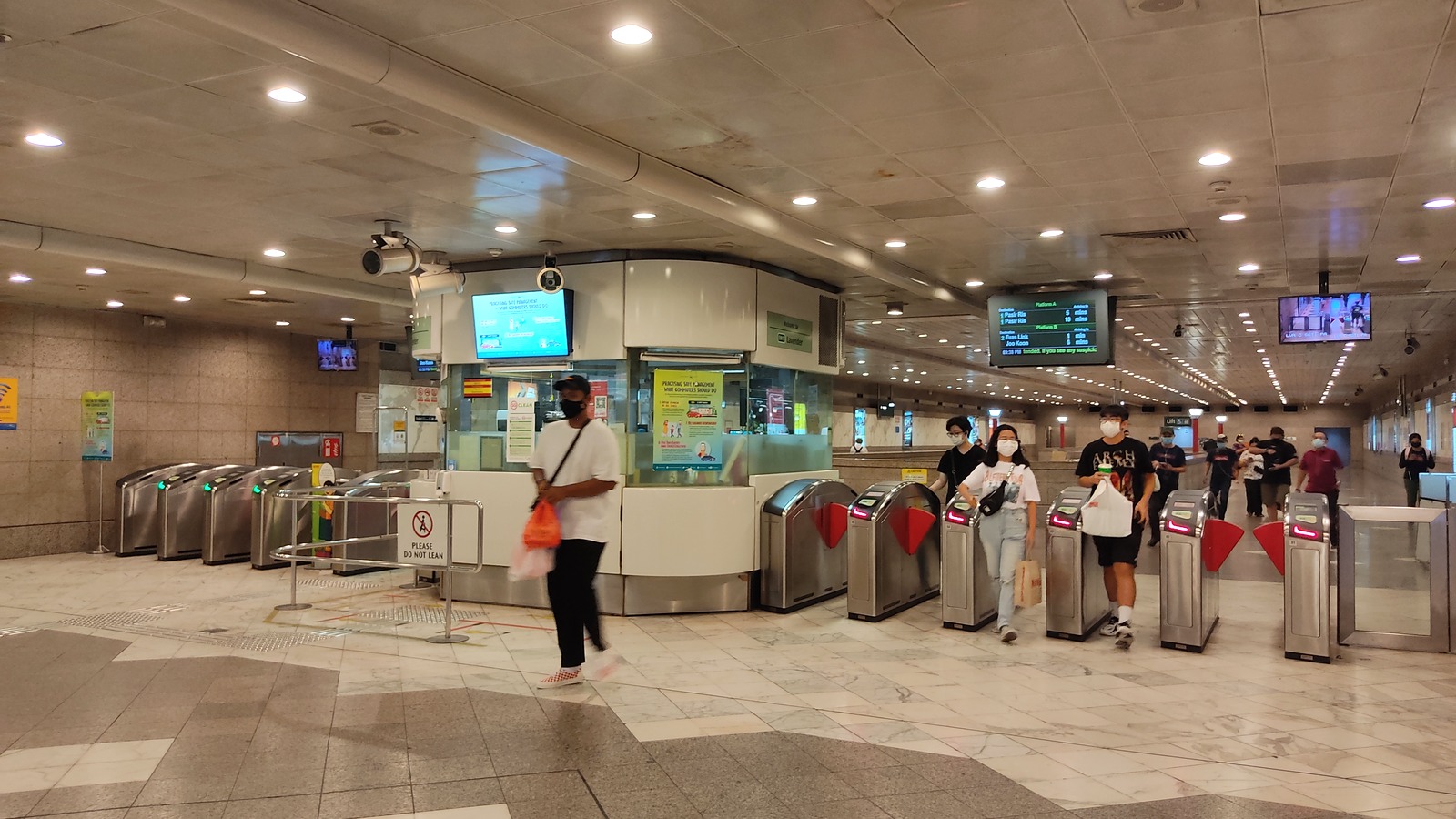
Cash fares rise more than card fares because of higher cash-handling costs, the council says, and fewer than 1% of journeys are paid in cash. For visitors, that makes contactless bank cards, phone wallets or a stored-value card the better choice. Tapping in and out with the same card each time keeps fares at the lower card rate and avoids buying single-trip tickets.
Because the increase is a matter of cents per trip, a visitor taking six rides a day would pay well under a dollar more in Singapore dollars after Dec. 26. Short-stay travelers planning heavy use of the network should still compare pay-per-ride fares with any tourist passes on offer, though the council’s announcement does not cover tourist pass pricing.
Why Singapore Fares Are Rising
The council says the formula output reflects a substantial rise in energy prices between July 2025 and June 2026, linked to conflict in the Middle East, on top of increases deferred from earlier reviews. Malay Mail reported the same 7% rise and fare changes, and that the government will add close to S$200 million in fare subsidies in 2027.
That extra subsidy comes on top of more than S$2 billion a year in public transport operating subsidies, the council says. Council chair Janet Ang said that “our responsibility is to keep public transport affordable for commuters today.” The council also says Singapore’s fares remain among the lowest in the world, based on its international comparison.
Planning a Trip Around the Change
Trips taken before Dec. 26 still pay current fares, so holiday visitors arriving earlier in December see no change until the day after Christmas. Travelers staying over New Year’s will pay the new fares for the rest of their trip. The SimplyGo app can track travel spending on cards, the council notes, which helps if you want to see how much a week of rides actually costs before and after the change. For holiday travel timing in Singapore, see our story on extended MRT and bus hours for Deepavali Eve.
| If you… | What to do |
|---|---|
| Visit before Dec. 26 | Current fares apply. |
| Ride several times a day | Tap a card or phone, not cash. |
| Are a senior resident | Expect 5 cents more per card trip. |
| Use a monthly pass | No change to the price. |
Dec. 26. New fares begin.
7%. Overall fare increase.
13 cents. Most an adult card trip rises.
When do Singapore bus and MRT fares go up?
Saturday, Dec. 26, 2026.
How much more will adults pay?
12 to 13 cents more per card journey, or 20 cents more in cash.
Are monthly passes changing?
No. Monthly pass prices stay the same.
Why are fares rising?
Higher energy prices and increases deferred from earlier reviews.
Image Credits
- Lead Photo
zhenkang · CC BY-SA 4.0 · edited