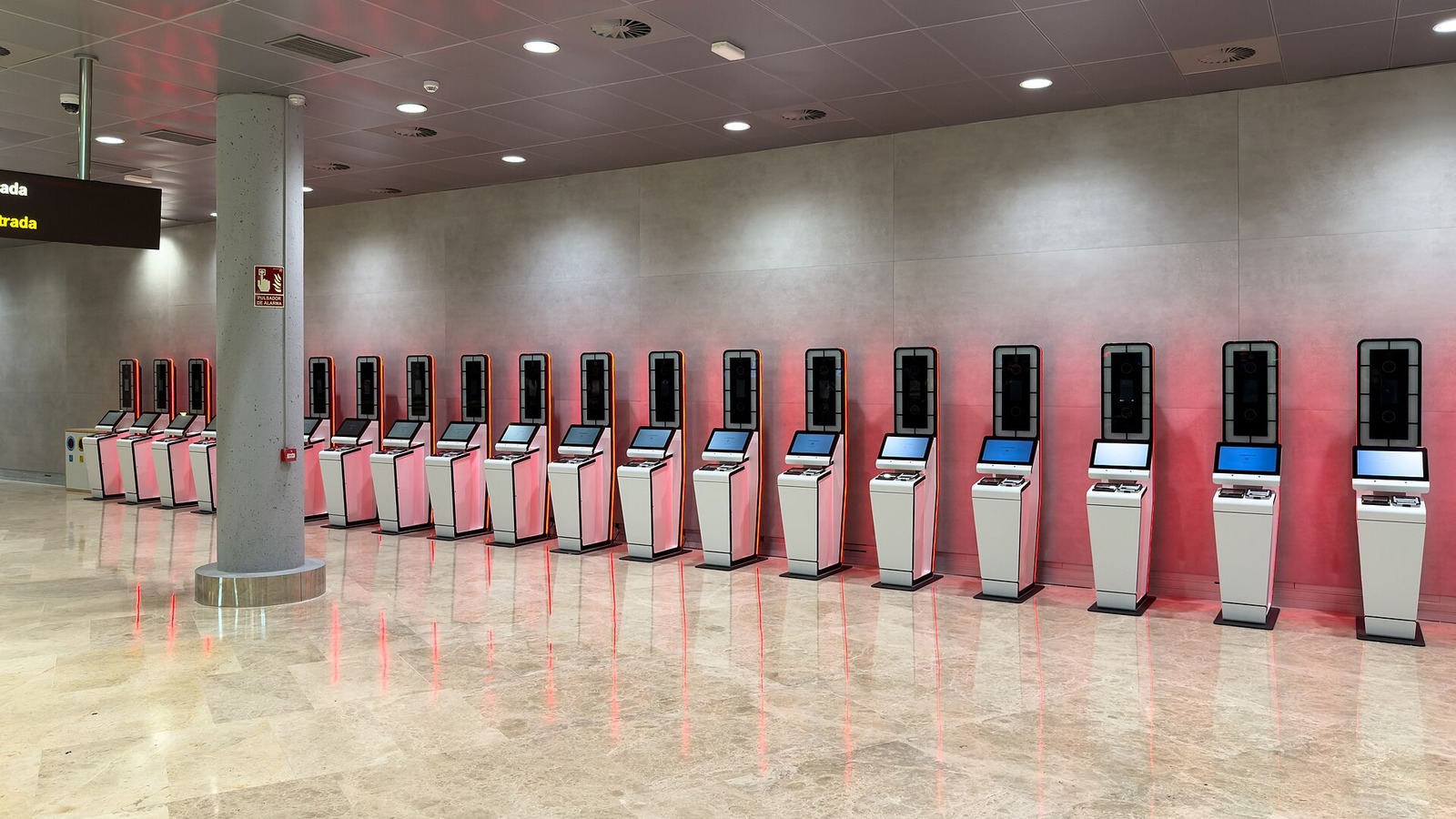
Waits at Schengen border control still routinely top two hours and reach up to five hours at peak times in the most extreme cases, ACI EUROPE and Airlines for Europe said in a joint statement dated October 12. The airport and airline bodies blame the Entry/Exit System, nearly six months after its full rollout.
The groups say the queues are making passengers miss flights and connections, and they tabled a six-point plan for the European Commission and member states. For travelers heading into Europe from outside the EU, the practical question is how much time to leave at arrival airports until something changes.
- Statement: ACI EUROPE and A4E, October 12, 2026.
- Waits: routinely above two hours, up to five hours at peak in the most extreme cases.
- Who is affected: non-EU visitors on short stays who must register at EES border controls.
- Ask: a six-point plan, including a permanent option to pause biometric registration when queues grow.
- Not yet decided: none of the six proposals is in force.
What the Industry Groups Say Is Wrong
The statement lists four structural problems: inadequate border control staffing, instability in the IT systems behind EES, limited use of self-service kiosks and automated border control gates, and limited features in the Travel to Europe pre-registration app. The groups say they have warned about these for months.
Travel Tomorrow reports the groups also acknowledge that border authorities have made considerable efforts, with the full support of airports. The associations say that managing the symptoms is no longer enough.
Flight delayed or cancelled? AirHelp can check whether your trip may qualify for compensation. Check a flight with AirHelp Disclosure: Deep Arrival may earn a commission.
The Six Proposals
The plan calls for eliminating double verification, optimizing biometric verification and preventing duplicate EES profiles. It also asks for a rethought Travel to Europe app and web portal, and faster, harmonized automated border control for third-country nationals.
The sixth proposal would restore the possibility to partially suspend EES, meaning no biometric registration, when waiting times become excessive, as a permanent flexibility mechanism. That is the option that would most directly shorten a queue on a bad day, and it is a request, not a decision.
How EES Works at the Border
EES records the entry and exit of non-EU nationals on short stays in participating European countries. Travel Tomorrow says it requires visitors to register passport details, a facial image and fingerprints on arrival, with the data kept for up to three years or until the travel document expires.
The same report says the system has been temporarily suspended at certain destinations since its introduction. It quotes EU Migration Commissioner Magnus Brunner as saying the system has recorded almost 230 million entries and exits and led to 80,000 refused arrivals, a figure attributed to his interview with Politico.
Planning another trip? Review Travel Guard plan terms for delays, cancellations, and baggage before choosing coverage. Review Travel Guard plans Disclosure: Deep Arrival may earn a commission.
Planning Around Long Border Waits
The statement does not say which airports are worst on a given day, so no single hub can be named from it. Brussels is one place where waits drew attention earlier this month, as covered in our report on Brussels Airport border waits.
These are the associations’ figures for peak periods, not a daily forecast, and many arrivals will be much shorter. A traveler with a tight connection inside Schengen, or a transfer booked soon after landing, is the one most exposed to a long wait at the first point of entry.
| If you… | What to do |
|---|---|
| Land from outside the EU for a short stay | Expect EES registration and allow extra time before onward plans. |
| Have a same-day connection after border control | Leave a long buffer, since waits can pass two hours at peak. |
| Book a train, tour or transfer soon after landing | Choose a flexible ticket or a later slot. |
| Can use the Travel to Europe app | Check the official guidance, since the groups say its features are limited. |
| Are an EU citizen | EES covers non-EU nationals on short stays, so queues for you may differ. |
Now: waits of two hours or more are described as routine at some airports, with up to five hours at peak.
Next signal: any decision by the Commission or member states on the six proposals, especially the temporary suspension option.
Related: UK travelers and biometric opt-out rules covers a separate push for biometric choice.
How long are EES border waits?
ACI EUROPE and A4E say waits routinely exceed two hours and reach up to five hours at peak times in the most extreme cases.
Who has to use EES?
Non-EU nationals on short stays in participating countries, according to the system’s description in the reports read.
Has EES been paused?
Travel Tomorrow says it has been temporarily suspended at certain destinations since introduction. The groups want a permanent option to pause biometric registration when waits are excessive.
Will the six proposals take effect soon?
That is up to the Commission and member states. The statement urges them to act at the earliest, but no decision had been reported.
Which airports are affected?
The statement refers to airports across the Schengen area without naming a worst hub, so check your arrival airport’s own guidance.
Image Credits
- Lead Photo
Mike Peel · CC BY-SA 4.0 · cropped