Russia will let citizens of Vietnam enter and stay for up to 30 days without obtaining a visa, starting October 15, 2026. The rule comes from a decree signed by President Vladimir Putin and published on the official legal information website, as Interfax reported on October 12.
The change removes the visa application from a short Russia trip for an ordinary Vietnamese passport holder, within a fixed one year window. A Reuters report carried by Devdiscourse confirms the same 30 day limit and the same end date one year later.
The window matters as much as the stay length, because temporary entry openings can also close on a set date. Deep Arrival recently covered the opposite move in Europe, where Montenegro is ending visa free entry for Russians after October 31, 2026, so travelers should plan around the dates Russia has now published.
- Start date: The decree takes effect on October 15, 2026.
- End date: The entry procedure runs until October 15, 2027, inclusive.
- Stay limit: Citizens of Vietnam may stay for no more than 30 days.
- Passport named: Entry rests on a standard passport of a citizen of Vietnam.
- Excluded travel: Work, study, journalism work and permanent residence are outside it.
The Decree Starts on October 15 and Ends in One Year
Interfax quoted the decree as establishing the right, until October 15, 2027, inclusive, for citizens of the Socialist Republic of Vietnam to enter and stay in Russia for no more than 30 days without a visa. The same report states plainly that the decree will take effect on October 15, 2026, three days after its October 12 publication.
That timing creates a clean before and after line for anyone holding tickets. A trip that begins before October 15, 2026 does not gain anything from this decree, while a covered trip inside the one year window can use the new procedure within the 30 day cap.
The document also names the travel document behind the right, a standard passport of a citizen of Vietnam. The reports summarized here do not state a separate passport validity period, an entry count, or an extension process, so those points remain open in the published reporting.
Tourism, Family Visits, Business and Events Are Covered
The purposes listed in the decree are broad for short visits. They include guest and business visits, travel as a tourist, and taking part in scientific, cultural, sociopolitical, economic and sports events, along with transit through Russia and departure from it.
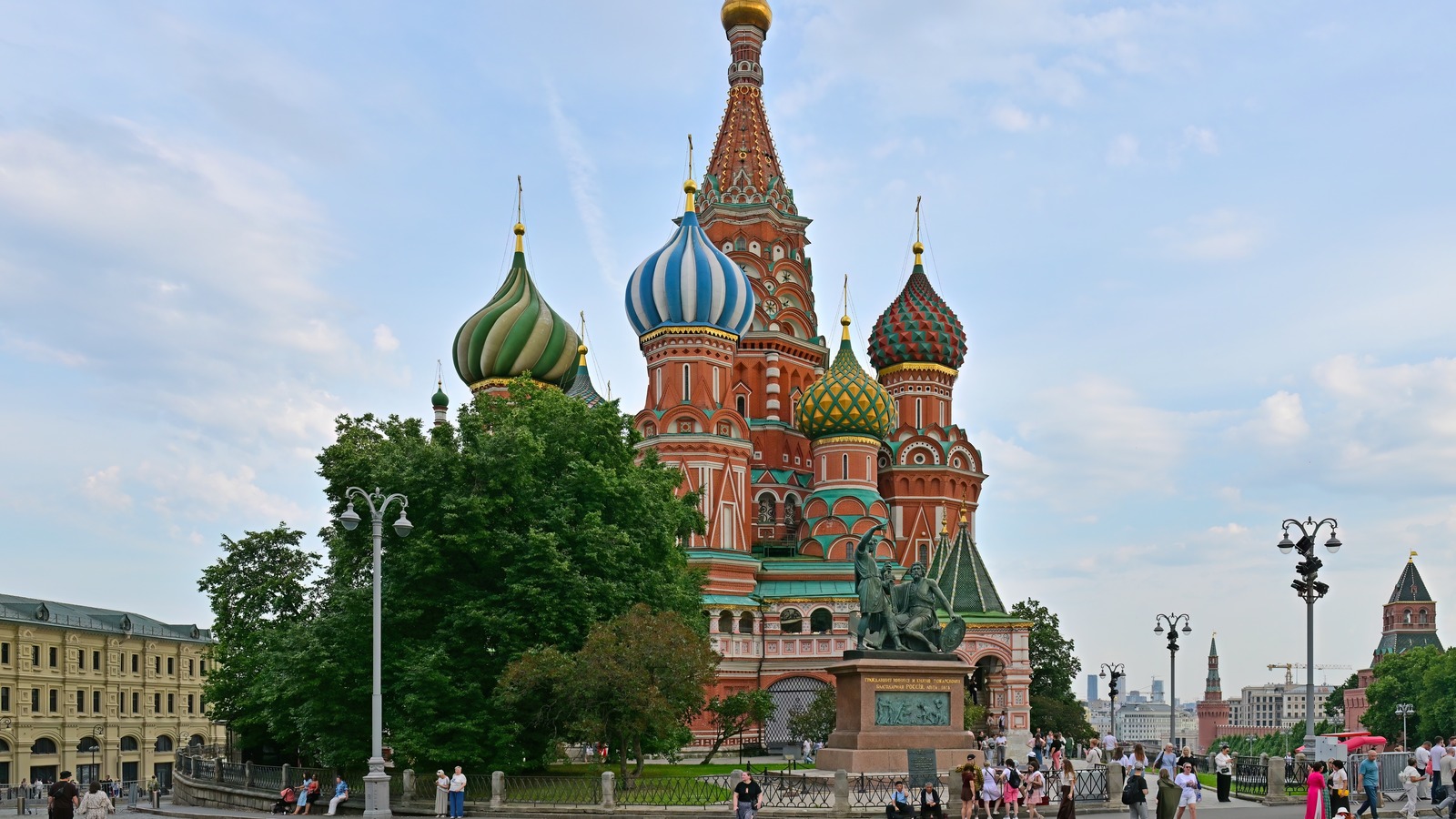
For a leisure traveler, that list covers the ordinary shape of a first Russia trip, such as sightseeing in Moscow or Saint Petersburg within a single stay of up to 30 days. For a traveler visiting relatives or attending a conference or match, the guest, business and event categories in the decree are the relevant lines.
The Reuters report adds brief context in one sentence, noting that Russia has similar visa free arrangements with citizens of several countries, including China. The Vietnam arrangement is therefore a dated addition to an existing pattern, with its own start date, end date and stay cap.
Work, Study and Permanent Residence Stay Outside It
The exclusion line is equally specific, and it is the part of the decree most likely to be misread. Interfax reported that this entry procedure does not apply to migrant workers, including journalists and students, or to people arriving in Russia for permanent residence.
Reuters used shorter wording for the same boundary, reporting that the policy does not apply to Vietnamese citizens travelling to Russia for employment. Read together, the two reports describe a short visit rule, not a route into a job, a degree course, a reporting assignment or a permanent move.
The stay cap works the same way, as a hard edge rather than a suggestion. A visit planned beyond 30 days is longer than the period the decree grants, so a traveler with a longer itinerary cannot treat the new procedure as covering the whole stay.
The Change Caps a Year of Tourism Talks
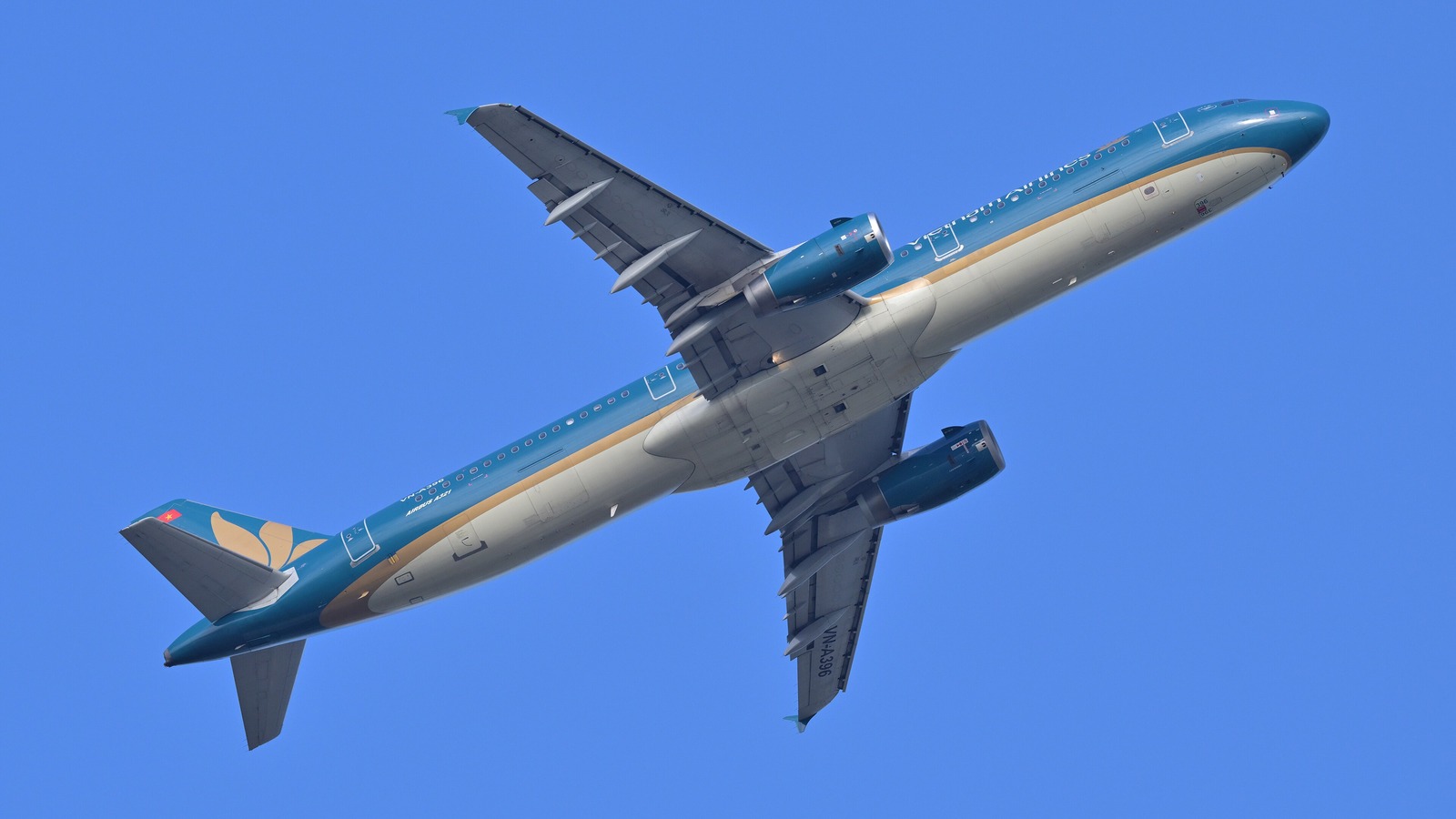
Vietnamese coverage places the decree after earlier public signals from both governments. Vietnam.vn reported that a joint statement on the partnership between the two countries had already agreed to increase tourist exchanges through more regular and charter direct flights, and to work towards visa exemption for Vietnamese citizens holding ordinary passports.
That report also recalled a March statement by Russian Minister of Economic Development Maxim Reshetnikov. He said Russia was interested in attracting more Vietnamese tourists and was exploring policies to facilitate entry, which the October 12 decree now turns into a dated rule.
The tourism numbers in the same report show an uneven exchange. It put Vietnamese tourism to Russia at approximately 15,000 visitors each year, while Vietnam welcomed around 1.13 million Russian tourists in the past nine months, an increase of over 160 percent on the same period last year.
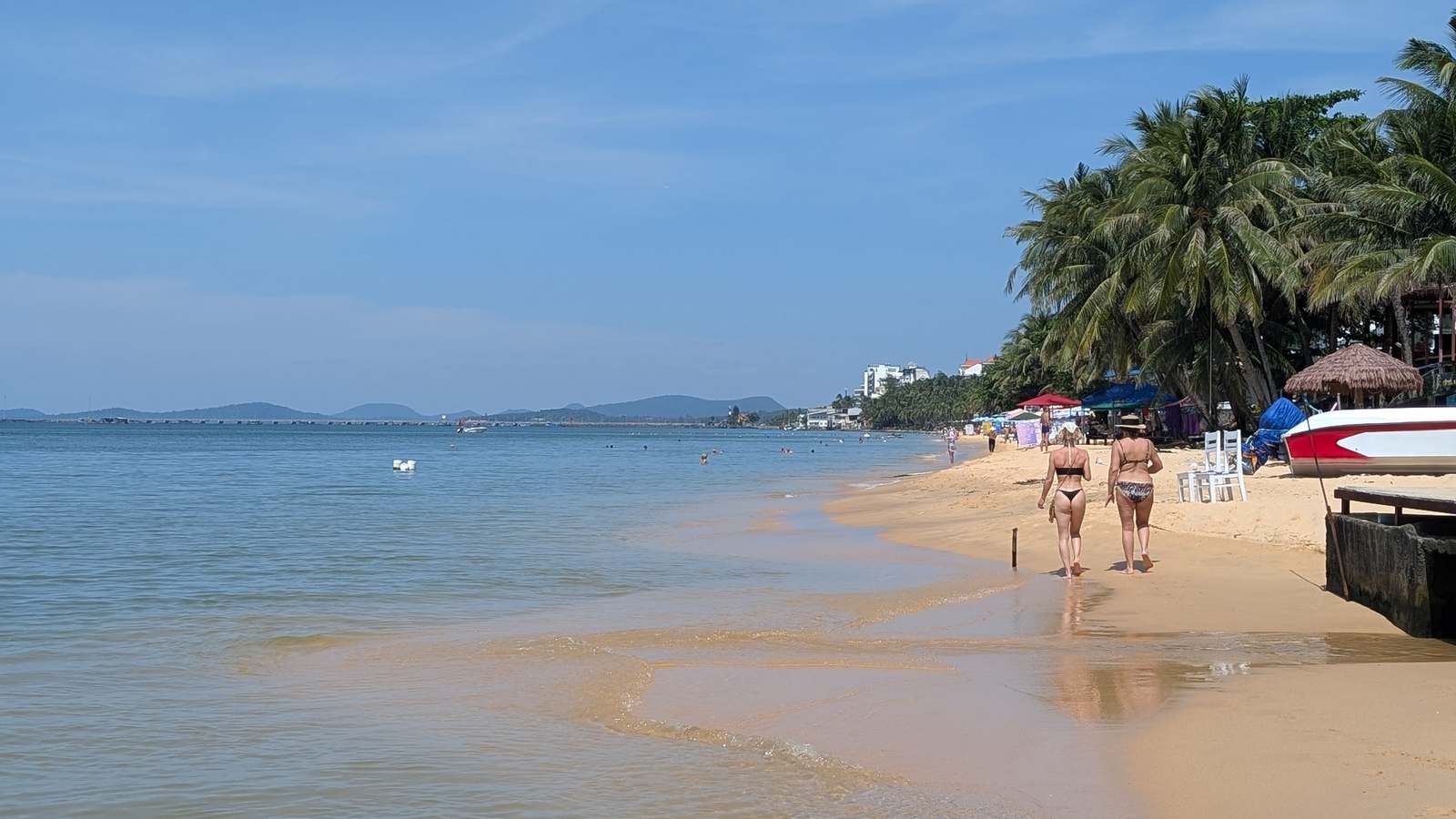
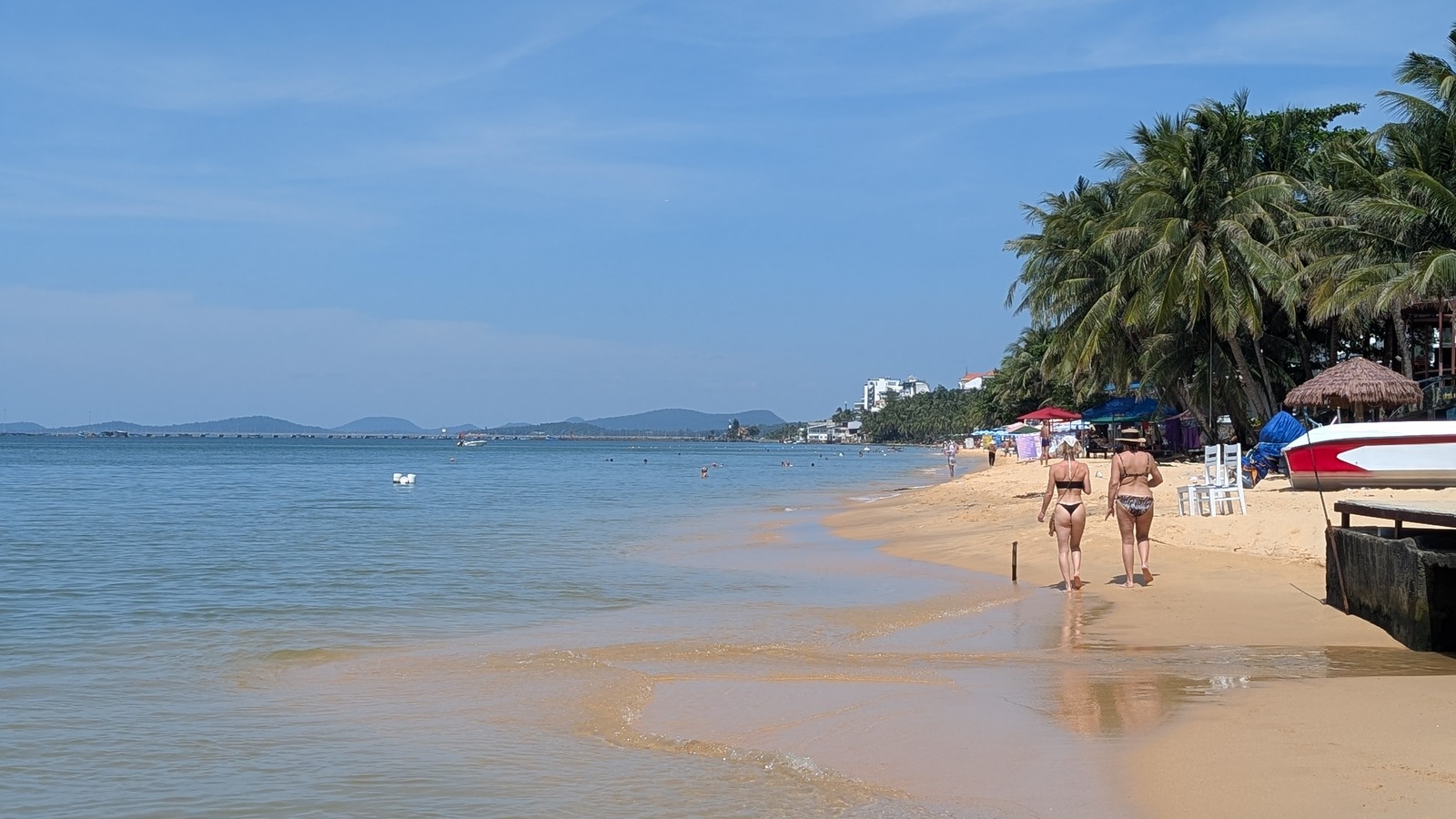
The same coverage said the Vietnam National Tourism Administration counts Russia, alongside India, among its two markets with outstanding visitor growth. It added that Russian visits to Vietnam passed one million in just eight months, drawn by warm weather, food and resort capacity in places such as Nha Trang, Mui Ne and Phu Quoc.
The report described Russia as the third largest source market for Vietnamese tourism and the leading market in Europe. Removing the visa step for the smaller flow in the other direction is the practical change this decree makes for the next twelve months.
Travelers With Trips Before October 15 Still Face the Old Rule
The most useful planning fact is also the simplest one. Until the October 15, 2026 effective date arrives, this decree changes nothing at the border, and after October 15, 2027 the published window has closed unless a later decision replaces it.
Within the window, the checks a traveler can make from the decree itself are short. The passport should be an ordinary Vietnamese passport, the purpose should fall inside the listed visit categories, and the whole stay should fit inside 30 days.
Anything outside those three lines deserves a pause before booking around the headline. Employment, study, journalism work and permanent residence are named exclusions, and the published reports leave entry count and extension questions unanswered for now.
| If you… | What to do |
|---|---|
| Hold a Vietnamese passport and plan a tourist stay of 30 days or less on or after October 15, 2026 | The decree covers tourism inside the window ending October 15, 2027. |
| Start your Russia trip before October 15, 2026 | Do not plan around this decree, because it has not yet taken effect. |
| Plan to work, study, report as a journalist or move permanently | Treat the trip as excluded, because the decree names those purposes as outside it. |
| Need more than 30 days in Russia | Do not rely on this procedure for the full stay, because 30 days is its stated maximum. |
October 15, 2026 is the start gate. Covered short visits can use the new procedure from that date, and not before it.
30 days is the stay gate. Keep a covered itinerary inside that maximum, because the decree grants no longer period.
October 15, 2027 is the closing gate. The published window ends on that date, inclusive, on the wording reported from the decree.
When can Vietnamese citizens first enter Russia without a visa?
From October 15, 2026, when the decree takes effect. Interfax reported that effective date from the decree published on the official legal information website.
How long can a Vietnamese visitor stay in Russia under the decree?
The maximum stay is 30 days. The same procedure runs until October 15, 2027, inclusive, on the wording quoted in the reporting.
Which trips does the 30 day entry cover?
It covers guest and business visits, tourism, scientific, cultural, sociopolitical, economic and sports events, plus transit. Work, study, journalism work and permanent residence are excluded.
Does the decree say how many entries are allowed?
The published reports summarized here do not state an entry count or an extension process. They state the passport basis, the purposes, the 30 day cap and the two boundary dates.