Lorie Shaull · CC BY-SA 4.0 · edited
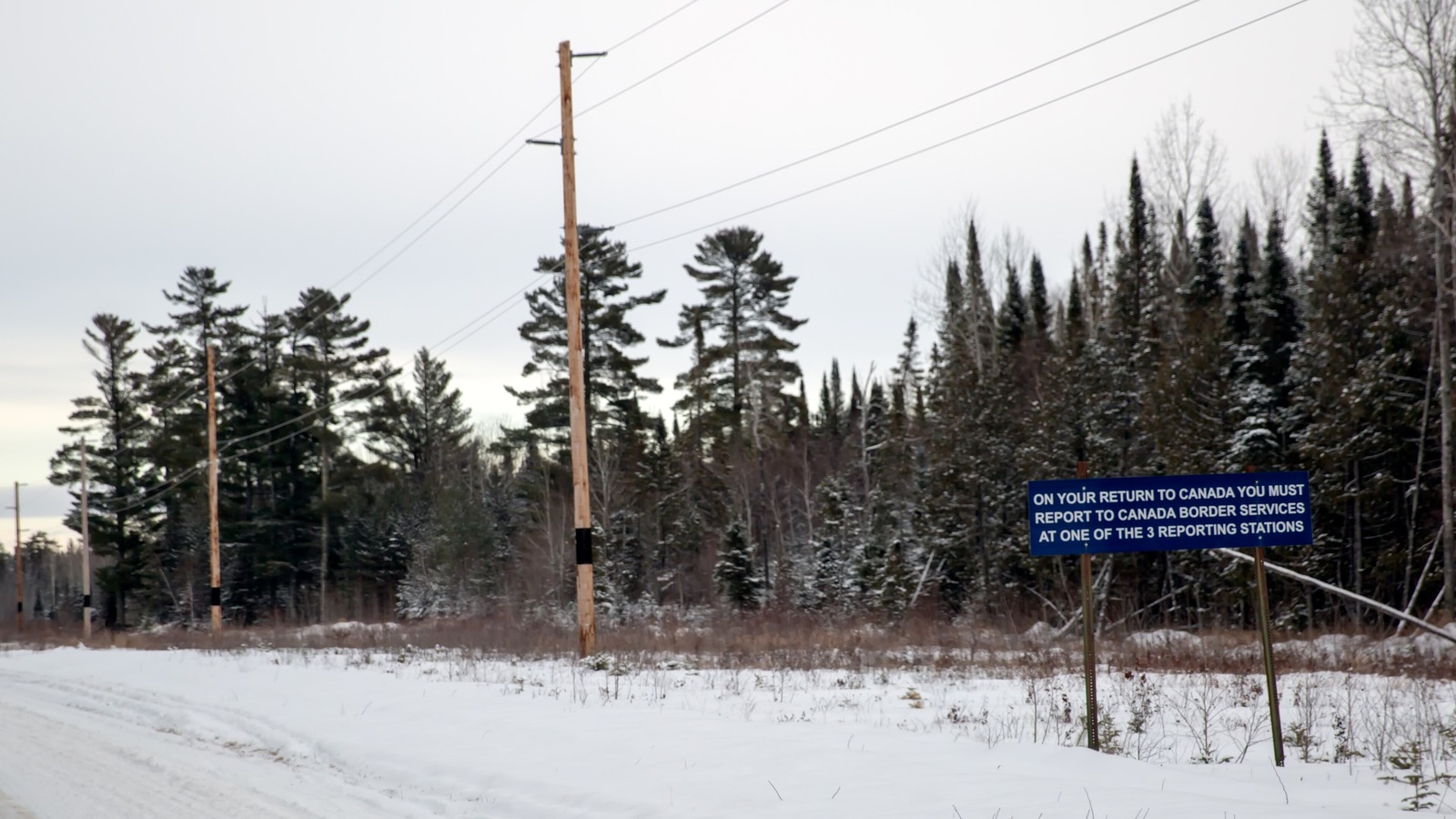
Canada’s Remote Area Border Crossing permits stop working after 11:59 pm on November 30, 2026, and from December 1 travelers entering through those remote areas must report to border officers by phone or at a port of entry. The Canada Border Services Agency says the program is being replaced by telephone reporting and is no longer accepting applications.
The change matters most to people who use these remote areas, including the Northwest Angle, where a permit let approved travelers skip a staffed crossing. If your trip runs past November 30, plan the reporting step now, because a missed report can bring penalties. For context on other border costs near the same region, see our report on the Sault Ste. Marie bridge toll increase.
- Last day for permits: 11:59 pm on November 30, 2026.
- New rule from: December 1, 2026, report in person at a port of entry or at a designated telephone reporting site.
- Areas covered: Northwest Angle, Pigeon River through Lake of the Woods, the Canadian shore of Lake Superior, Sault Ste. Marie (upper lock system) and Cockburn Island.
- New applications: no longer accepted, per CBSA.
- Information line: CBSA Border Information Services, 1-800-461-9999.
December 1 Replaces the Permit With a Report
Until the program closes, permit holders do not need to present themselves at a port of entry, although they must still declare any goods they bring into Canada. That arrangement ends with the permits on November 30.
After that, CBSA says all travelers entering Canada through remote areas of northern Ontario, or from the Northwest Angle into southern Manitoba, must report in person at a port of entry or at a designated telephone reporting site. There is no longer a permit route around the report.
How Telephone Reporting Is Expected to Work
According to CIC News, which summarized the agency’s August 10 release, travelers using a telephone site must give identifying information, describe their trip and answer questions from CBSA. In some cases, in-person screening will still be required.
The same report says the locations of the telephone sites would be decided in the coming months with input from Indigenous communities, local businesses and law enforcement. We did not find a published list of sites, so check with CBSA before relying on any particular spot.
Penalties for Not Reporting
CIC News reports that travelers who fail to report may face penalties ranging from fines to the seizure of goods or vehicles, and in serious cases criminal charges under the Customs Act. That makes the new step a legal requirement, not a courtesy call.
CBSA has said the changes mostly affect Americans, who make up about 90 percent of roughly 11,000 annual permit members. Permits that have already expired cannot be extended, so a lapsed permit holder has no grace period.
Permit Holders From the United States and Canada
CIC News says the program began in 1990 and was open to citizens or permanent residents of the United States and Canada, plus registered Indians. Permit holders were expected to stay within the designated remote areas and show the permit if stopped for a verification check.
American travelers still have to meet Canada’s visitor requirements, so a reporting step is not a substitute for those. Anyone who has crossed these areas on a permit should read the CBSA page before the first winter trip, because the old routine no longer applies.
The End Date Moved From September 13 to November 30
The permits were first set to remain valid until September 13, 2026, with the program ending the next day. CBSA extended them to November 30, which CIC News describes as the third extension.
Because the end date has already moved before, treat November 30 as firm for planning but confirm it with CBSA close to your trip. The agency’s program page, which carries the December 1 start for telephone reporting, is the document to check.
| If you… | What to do |
|---|---|
| Hold a permit and cross before December 1 | Keep using it, present it if stopped and declare your goods. |
| Plan a crossing on or after December 1 | Expect to report to CBSA in person or by phone; do not rely on the old permit. |
| Want to apply for a new permit | You cannot; CBSA says applications are no longer accepted. |
| Are unsure which phone site to use | Call 1-800-461-9999 and ask CBSA before you travel. |
November 30 is the last permit day. Any crossing up to 11:59 pm that day can still use a valid permit.
December 1 is the first reporting day. From then on, a phone report or a port of entry visit replaces the permit.
Site locations are the open detail. Watch CBSA for the list of telephone reporting sites before winter trips.
When do Remote Area Border Crossing permits expire?
They remain valid until 11:59 pm on November 30, 2026, and the program closes on December 1.
What replaces the permit?
CBSA says travelers must report in person at a port of entry or at a designated telephone reporting site from December 1.
Can I still apply for a permit?
No. CBSA says it is no longer accepting applications.
Which areas are affected?
The Northwest Angle, Pigeon River through Lake of the Woods, the Canadian shore of Lake Superior, Sault Ste. Marie (upper lock system) and Cockburn Island.