Gianni Careddu · CC BY-SA 4.0 · cropped
Most of Tuesday’s Start Romagna strike in Ravenna was called off on Monday afternoon, but not all of it. Two unions kept their action alive, which means buses and the Porto Corsini to Marina di Ravenna ferry can still be varied or suspended between 8:30 a.m. and noon.
That half-cancelled state is the whole problem for anyone travelling today, because the round-ups written over the weekend still describe a full six-union walkout. If you are in Ravenna on a ship and working from a Ravenna cruise day plan, the detail that matters is which crossing and which buses are still exposed.
- Still on: the action called by FAISA CISAL and UGL Autoferro, covering urban, suburban and extra-urban buses.
- Also still on: a separate ferry strike on the Porto Corsini to Marina di Ravenna crossing, called by UGL Autoferro.
- Called off: the parts called by CGIL, CISL, UIL and USB, revoked after Monday afternoon’s meeting.
- Window: 8:30 a.m. to noon. Both actions run four hours, but part falls inside the protected bands.
- Scale unknown: the operator has published no forecast. The last comparable walkout drew 65.18 percent.
What Changed on Monday Afternoon
Start Romagna and union representatives met on the afternoon of Monday, September 14. The outcome was an agreement to revoke the company strike so far as CGIL, CISL, UIL and USB were concerned.
FAISA CISAL and UGL Autoferro did not sign and did not revoke. Their action stands, and UGL Autoferro is also the union behind the separate strike on the ferry service, so both halves of Tuesday morning remain live in a reduced form.
The practical effect is a strike with far less union backing than the one that was announced, aimed at the same hours. Fewer participating unions usually means fewer missing runs, but the operator has not said how many, and neither should anyone else.
The Window Ends at Noon, Not 12:30
Both actions are four hours long on paper. Because part of that period falls inside Italy’s protected service bands, the operator says the possible suspension is limited to a single stretch: 8:30 a.m. to noon.
This is worth pinning down because it has been published both ways. At least one national round-up on Tuesday morning gave the window as 8:30 to 12:30. The company’s own notice and the transport ministry’s strike register both say noon, and those are the figures to plan against.
Outside that window, the normal timetable applies. A departure at 12:15 is not covered by this action, and neither is anything before 8:30.
The Porto Corsini Ferry Is Its Own Strike
The crossing between Porto Corsini and Marina di Ravenna is not a side note here. It is a separately proclaimed action with its own union and its own stated grievance, which is why it survived Monday’s agreement independently of the bus dispute.
The grievance is scheduling. Ferry staff say rosters are communicated only a week or a fortnight ahead, and they want planning set further in advance and made predictable.
For a visitor, that short hop is the difference between a ten minute crossing and a long drive around the Candiano canal through the port. Treat it as unavailable between 8:30 and noon and plan the land route if you need to be on the other side.
Checking It Against the Government Register
Italy publishes every proclaimed transport strike on a ministry register, and Ravenna appears there twice. One entry covers Start Romagna’s Ravenna basin staff, filed on August 4; a second covers the ferry department specifically, filed two days later on August 6.
Both entries give the same window of 8:30 to noon, which is the corroboration that settles the 12:30 confusion. The register describes the duration as three and a half hours where the company calls it a four hour action, and the difference is simply whether you count the protected bands in.
The register is also the reason it is possible to say with confidence that the ferry was always a separate proclamation rather than a subsidiary of the bus dispute. That is what let it survive Monday’s agreement on its own terms.
Why Two Unions Stayed Out
The published grievances are operational rather than about pay. The unions listed the adequacy, efficiency and safety of the vehicles in service, the routes and line diversions and the conditions crews work under, and staff shortages in both the Operations and Maintenance departments.
They also raised vehicle cleaning and maintenance, protection of the driver’s cab, problems with the electric fleet, and the company’s use of outsourcing. That is a long list, and it explains why a technical meeting satisfied four unions and not the other two.
Start Romagna’s own account is blunt about the split. It thanks the unions that recognised the company’s efforts and made themselves available to revoke, and says the ones that did not sign showed what it called a merely instrumental and specious position, on the day the school year begins.
The Last Comparable Walkout
The operator publishes turnout for the previous action of the same kind, which is more useful than any forecast. At the strike of August 28, 2024, participation was 65.18 percent.
That figure is history, not a prediction, and it described a different dispute with a different set of unions behind it. It is still the only published number that gives a sense of what a serious Start Romagna walkout looks like on the road.
The honest read for today is a wide range. With four of six unions withdrawn, the ceiling is lower than that 2024 figure, but the floor is not zero and no run inside the window is guaranteed.
Cruise Day in Ravenna and the Land Route
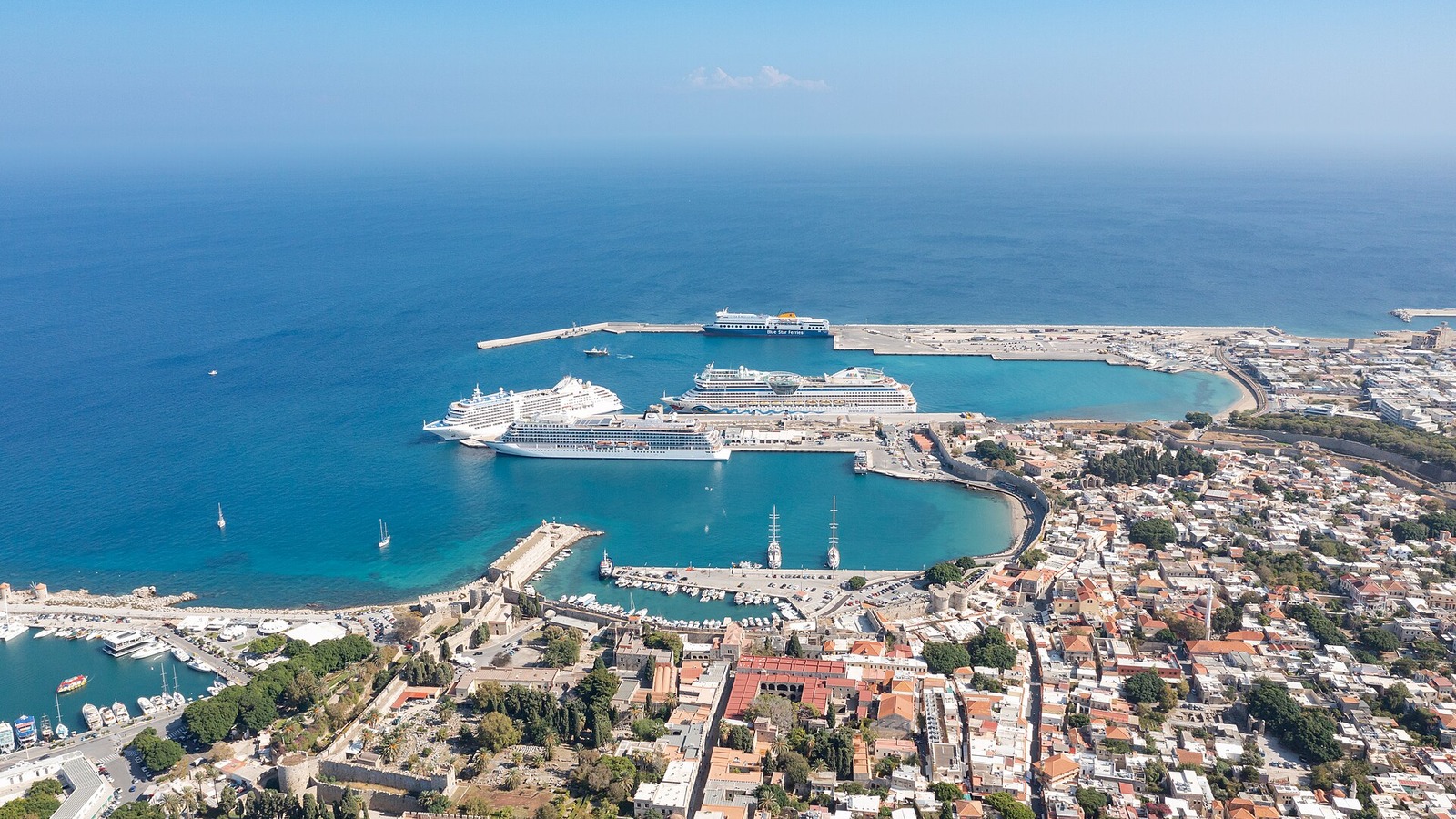
Ravenna’s cruise dock sits at Porto Corsini, well outside the historic centre, so transfers are already part of any day ashore here. Nothing in the published notices addresses cruise shuttles specifically, and it would be wrong to assume they are caught by this.
What the notices do cover is the scheduled public network and the ferry, and a morning arrival lands squarely inside the window. Deep Arrival covered an easyJet strike in Italy two days earlier, and the pattern this month is the same: short, bounded, heavily publicised actions where the published end time is the number that actually matters.
| If you… | What to do |
|---|---|
| Need a Ravenna bus between 8:30 and noon | Assume it may not run. Allow a large margin or move the trip outside the window. |
| Planned to cross on the Porto Corsini ferry this morning | Plan the road route around the canal instead. The ferry is separately struck. |
| Are travelling before 8:30 or after noon | Normal timetable. This action does not reach those departures. |
| Are ashore from a ship at Porto Corsini | Nothing published addresses cruise shuttles. Confirm your own transfer rather than assuming either way. |
| Read that all six unions are striking | That was true on Friday. Four revoked on Monday afternoon; two did not. |
8:30 a.m. opens the exposed window. Before it, the timetable is unaffected by this action.
Noon closes it. That is the operator’s figure and the register’s figure, not the 12:30 some summaries carry.
Two unions, not six. The scale is smaller than the announcement, but the ferry action survived intact.
Is the Ravenna strike cancelled?
Partly. CGIL, CISL, UIL and USB revoked after Monday afternoon’s meeting. FAISA CISAL and UGL Autoferro did not, so the action goes ahead in reduced form.
What hours are affected?
8:30 a.m. to noon, for urban, suburban and extra-urban buses and for the Porto Corsini to Marina di Ravenna ferry.
Is the ferry really striking too?
Yes, as a separate action called by UGL Autoferro over ferry staff rosters. The operator says variations or suspensions are possible rather than certain.
How many buses will actually be missing?
No forecast has been published. The only figure on the record is 65.18 percent participation at the previous comparable strike on August 28, 2024.
Does this affect trains or other Italian cities?
No. This is a company action at Start Romagna in the Ravenna basin. The same date carries separate strikes at other operators in other cities.