Your Puerto Rico beach day needs two clocks, not one. The National Weather Service’s October 27, 2026 bulletin keeps a high surf advisory in effect until 6 p.m. Atlantic Standard Time, while the high rip current risk continues through late tonight. Leaving the beach at sunset is not the same as receiving an all clear to swim.
The NWS San Juan advisory issued at 3:07 a.m. forecasts breaking waves of 8 to 12 feet and names vulnerable places from Ocean Park in San Juan to coastal communities farther west and east. If swimming was the day’s centerpiece, choose a different activity rather than using the absence of a beach gate as a safety test. Deep Arrival’s San Juan activity guide can help build that alternative, subject to current local conditions.
El Nuevo Día reported the hazardous sea conditions on October 26 after speaking with an NWS meteorologist. Its earlier timing has been superseded by Tuesday’s bulletin. This report uses the October 27 notice for the current advisory window.
- Surf window: High surf advisory through 6 p.m. AST on Tuesday, October 27, 2026.
- Wave size: NWS forecasts large breaking waves of 8 to 12 feet in the advisory area.
- Swimming risk: High rip current risk continues through late Tuesday night along Puerto Rico’s west to northeast coast.
- Named places: Ocean Park, Puerto Nuevo, Fortuna and several other coastal communities appear in the surf bulletin.
- Culebra: A separate NWS statement identifies high rip current risk on its north facing beaches through late Tuesday night.
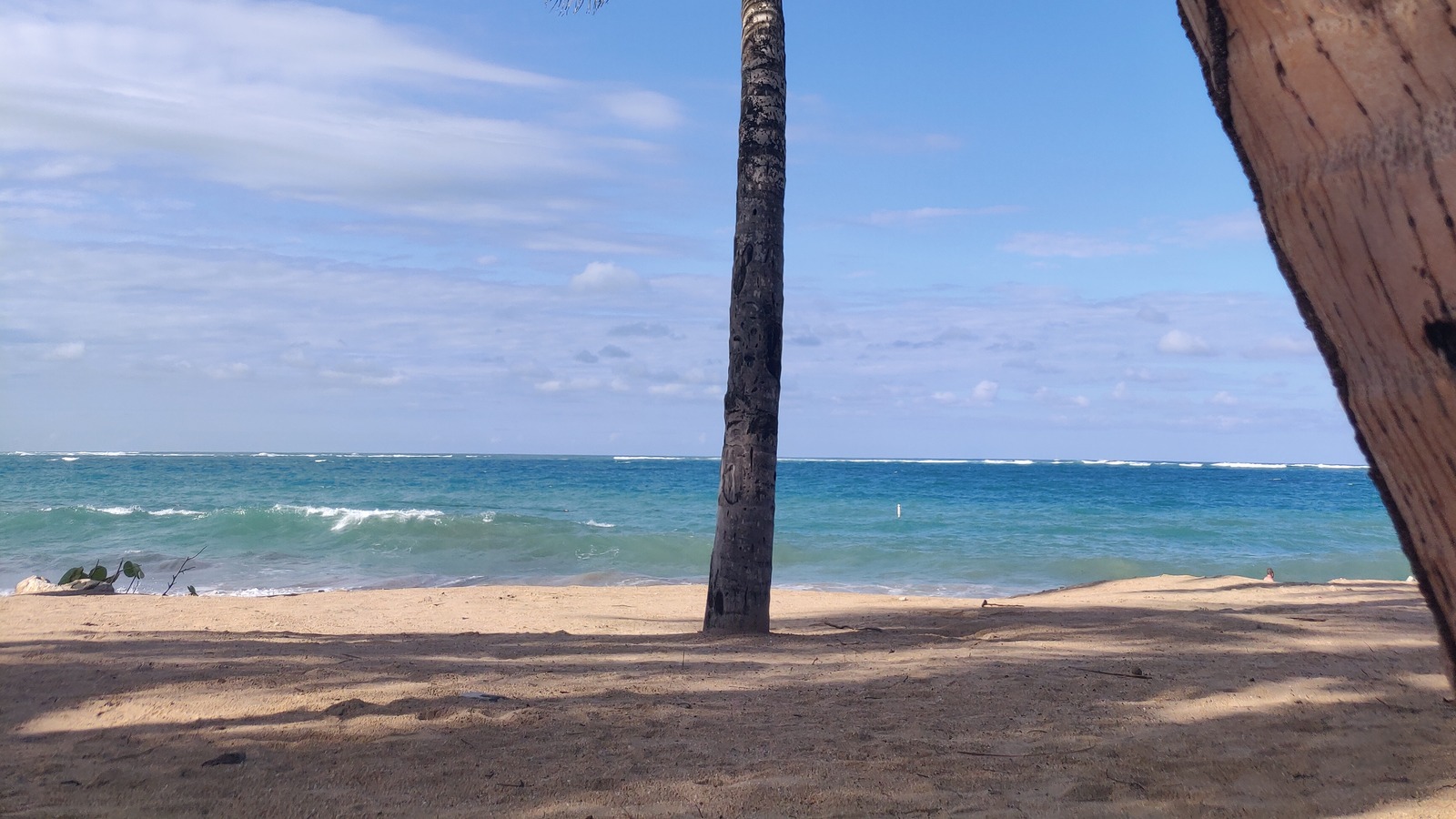
The featured photograph shows Ocean Park beach in San Juan on January 25, 2020. It is historical location context, not evidence of October 27, 2026 wave heights or a photograph of the current advisory.
Which Beaches Are in the Warning’s Path?
The NWS identifies high rip current risk along the west to northeast coast of Puerto Rico. Its high surf message gives a more specific list of places vulnerable to large waves and beach erosion. Ocean Park in San Juan is one of them; a city beach address does not put a swimmer outside the warning.
Other named locations include Puerto Nuevo in Vega Baja, Machuca in Manatí, Las Boca in Barceloneta, Fortuna in Luquillo and Barrio Espinal in Aguada. In Loíza, the bulletin identifies Piñones along Road 187, Parcelas Suárez, Villas del Mar and Villa Christiana. It also lists Pueblo and Tamarindo in Aguadilla, plus Barrio Obrero, Pueblo and Jareaito in Arecibo.
These are the bulletin’s vulnerable locations, not a complete inventory of beaches that are closed. Nor does the list establish safe swimming anywhere omitted. Check the current local beach advice, signs and lifeguards for the actual place you intend to visit. The separate rip current statement also covers north facing Culebra beaches.
The Rocks Are Not a Safe Substitute for Swimming
Big waves can make the shore look like the day’s best free show. The NWS warning explains why watching from a jetty or scrambling onto coastal rocks is a poor trade: waves can wash over jetties and sweep people and pets onto jagged rocks. Rough surf can also knock people down.
The agency also warns of localized beach and dune erosion and dangerous swimming conditions. The risk is not limited to people planning a long swim. A short stop close to the breaking water, a photo on the rocks or a walk with a dog can bring someone into the same wave zone.
Make the alternative genuinely different. Moving the outing away from the exposed waterline is more useful than simply changing from swimming to a shoreline photo stop. Do not treat an attractive view, other visitors in the water or calm looking gaps between wave sets as an official assessment of conditions.
Six O’Clock Is Not the End of Every Hazard
The surf advisory and rip current risk have different expiry language. High surf is listed through 6 p.m. AST on October 27; the rip current risk runs through late tonight. One line on a saved forecast can expire while the other remains in force.
Rip currents can carry even strong swimmers away from shore into deeper water, according to the NWS. The service tells beachgoers to heed lifeguards, patrol flags and signs. A visitor’s swimming ability does not cancel the warning, and a beach without an official closure notice is not automatically suitable for entering the water.
Before a later outing, reopen the current NWS rip current statement. The notice can be extended or changed. Do not turn the stated end time into a promise that conditions become safe immediately afterward, or use Monday’s older report as Tuesday’s operating advice.
Change the Activity, Not Necessarily the Whole Trip
This is a coastal hazard report, not evidence that Puerto Rico’s airports, hotels or every visitor attraction have shut. The most direct change for a traveler is to replace the exposed swimming or rocky shore part of the itinerary and check the conditions for whatever replaces it.
For a booked water activity, contact the operator before leaving your accommodation. Ask whether that specific outing is running and what changes apply. The warning alone does not establish a ferry cancellation, a tour’s refund rules or the safety of an alternative departure point, so those details need provider confirmation.
Keep the advisory available on your phone, but recheck it rather than relying on a screenshot all day. A flexible beach holiday can absorb one changed outing more easily than an avoidable emergency. The useful question today is not whether the ocean looks inviting; it is whether entering or approaching it fits the current official advice.
| Your Plan | What to Change |
|---|---|
| Swimming on the west to northeast coast October 27 | Use the high rip current warning to choose a different activity; follow lifeguards, flags and signs. |
| Watching waves from a jetty or rocks | Stay away from the exposed wave zone; the NWS warns waves can sweep people and pets onto rocks. |
| Going back after 6 p.m. | Check both notices: rip current risk continues through late tonight, beyond the surf advisory’s stated expiry. |
| Taking a booked water excursion | Ask the operator about the exact outing; do not infer a cancellation or refund from the advisory alone. |
Keep two times: The surf advisory ends at 6 p.m. AST; the rip current risk lasts longer.
Keep the coast specific: The notice is not a claim that every Puerto Rico beach is closed.
Build a real backup: An activity away from exposed surf is a better substitute than a photo stop on the rocks.
Which Puerto Rico beaches face dangerous surf October 27?
The NWS lists vulnerable places including Ocean Park, Puerto Nuevo, Fortuna and communities along the northern coast. High rip current risk covers beaches along the west to northeast coast; north facing Culebra beaches have a separate statement.
When does Puerto Rico’s high surf advisory end?
The October 27 bulletin lists 6 p.m. AST that evening. Check the latest notice because the time can change, and rip current risk continues through late tonight.
Are all Puerto Rico beaches closed?
This notice does not establish an islandwide closure. It describes hazardous surf and currents in specified areas; follow local beach instructions rather than treating an open entrance as swimming clearance.
Does the warning mean my boat tour is canceled?
Not automatically. Contact the operator for that particular excursion’s status, alternatives and booking terms before traveling to the departure point.
Image Credits
- Lead Photo
maryamarce · CC BY-SA 4.0 · cropped, adjusted