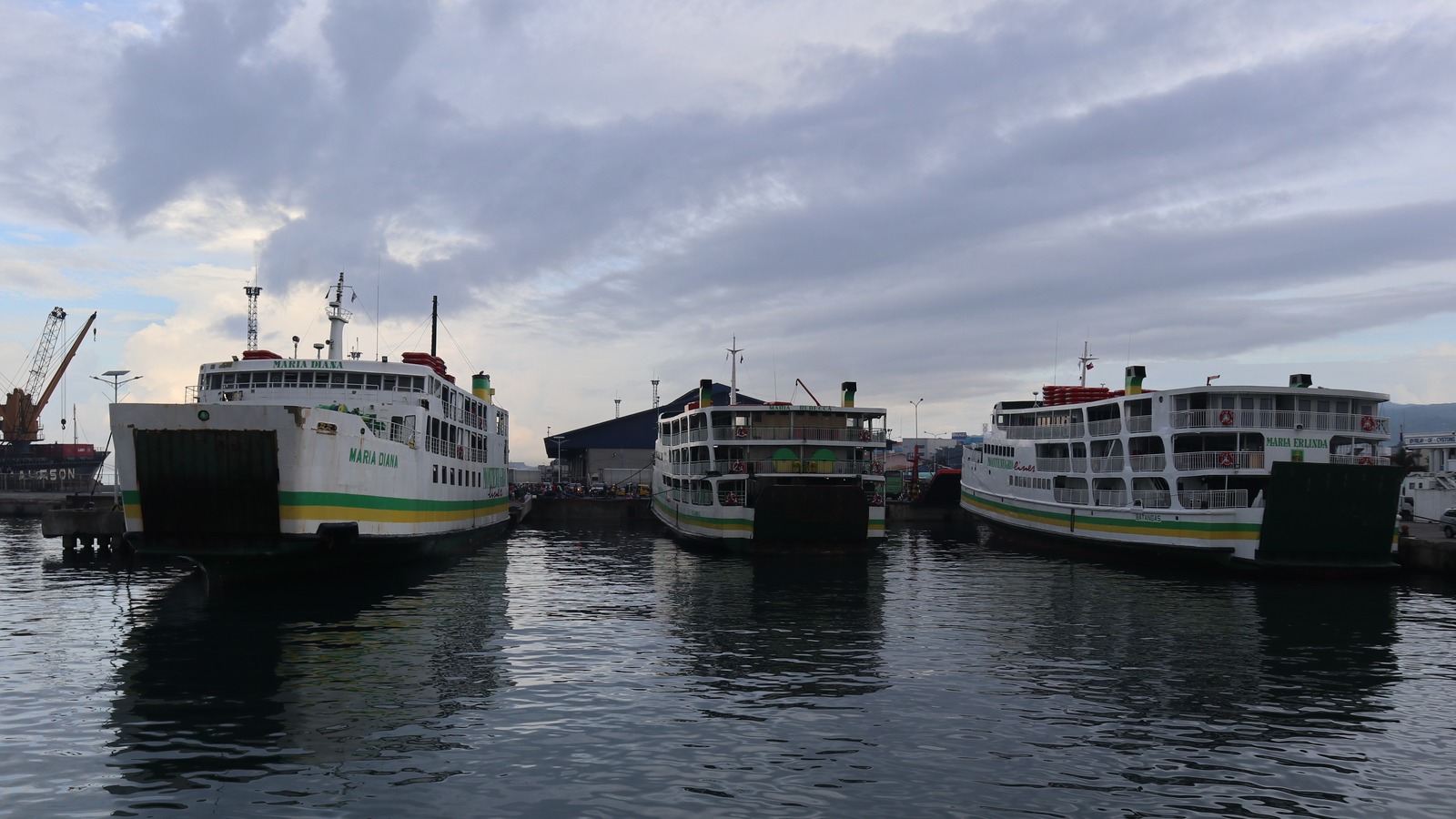
Patrickroque01 · CC BY-SA 4.0 · cropped
Montenegro Shipping Lines banned electric vehicles and hybrid electric vehicles from every ship in its fleet, effective immediately, in a Sept. 16 memorandum to vessel masters. GMA News published the company’s statement the next day, quoting the order that no EV or hybrid may board for passenger or cargo carriage until management issues a revised instruction.
Travelers driving an electric, hybrid, or plug-in hybrid car onto a Philippine inter-island ferry now have to confirm the operator before they buy a ticket or join a queue. Starhorse Shipping Lines posted a matching fleet-wide ban on Sept. 18. Island-hopping plans that continue toward the Visayas, including a later stop covered in Deep Arrival’s Cebu day guide, still need a vehicle plan for the sea legs.
- Who: Montenegro Shipping Lines, then Starhorse Shipping Lines.
- What changed: EVs and hybrids are refused for boarding and cargo on those fleets.
- When: Montenegro’s memo is dated Sept. 16. Starhorse’s advisory is dated Sept. 18.
- Where: All named routes, including the Calapan to Batangas crossing.
- Next step: Name the operator, then leave the EV or hybrid ashore if that line has not lifted the ban.
Montenegro Lines Stops EV Boarding on All Routes
PortCalls Asia reports that the Sept. 16 directive was signed by Safety and Quality Assurance Manager Capt. Romeo Region and Operations Manager Dennis Berania, with a notation from company president Vicente Montenegro. Crews must inspect every vehicle before boarding and report any attempt to load a banned vehicle to operations.
The memo covers passenger cars and rolling cargo. GMA News says Montenegro Lines was founded in 1978 on Batangas City to Mindoro Island routes and now lists 59 vessels, fastcraft, and passenger ships. Until a revised instruction appears, an EV owner cannot treat a Montenegro ticket as a vehicle ticket.
The company called the ban a preventive safety precaution. Its public language lists fire, explosion, thermal runaway, and other battery hazards during vessel operations. That is a company risk decision, not a finding that any one vehicle caused a specific fire.
Starhorse Shipping Lines Issues a Matching Fleet Ban
Newsbytes.PH reports that Starhorse Shipping Lines followed on Sept. 18 with a fleet-wide restriction. The operator said domestic roll-on, roll-off vessels are not yet equipped to manage some lithium battery fire risks on enclosed or semi-enclosed vehicle decks.
Starhorse said it will no longer accept fully electric, hybrid, or plug-in hybrid cars, SUVs, vans, and trucks on any vessel in its fleet, effective immediately. The company described the step as a precaution, not a rejection of electric transport. Until that advisory is withdrawn, Starhorse passengers should plan to leave those vehicles on the origin island.
A secondary report also named a third operator. This story does not. A named business is closed to EVs only when that business’s own notice, or an authority naming that exact company, is on the record. Montenegro and Starhorse meet that bar. Unverified names do not.
Investigators Have Not Named a Vehicle Cause
The bans followed the Sept. 9 fire aboard MV June Aster, a roll-on, roll-off ferry operated by Atienza Interisland Ferries while sailing toward Coron, Palawan. The Philippine Coast Guard has reported 77 fatalities, 43 survivors, and eight people still missing. That casualty count belongs to the fire investigation, not to Montenegro’s later memo.
PortCalls Asia notes that a cargo manifest listed an electric vehicle among vehicles in the hold, along with motorcycles, a forklift, and a pickup truck, and that survivors described an explosion before flames spread. Investigators have not established that any vehicle caused the blaze. The Department of Energy has cautioned against that conclusion while the inquiry continues.
Montenegro’s memo, as quoted in later reports of the Sept. 16 text, said initial information indicated the explosion “may have originated from an electric vehicle.” Treat that as the company’s stated reason for a precaution, not as a completed official finding. The June Aster was not a Montenegro ship.
Calapan to Batangas and Other Inter-Island Crossings
PortCalls Asia flags the busy Calapan to Batangas crossing as one of the routes inside Montenegro’s fleet-wide order. That link is a standard vehicle crossing between Oriental Mindoro and Luzon. Travelers who booked a self-drive itinerary through Batangas Port now need a gasoline or diesel vehicle, a different operator that still accepts EVs, or a drop of the car on one side.
The same memo applies to other Montenegro routes that connect Luzon, the Visayas, and Mindanao. GMA News’ vessel count means the restriction is not a single-ship notice. If the ticket is Montenegro, the vehicle rule is the same until the company revises it.
Starhorse’s restriction is also fleet-wide rather than route-specific. Check the exact carrier printed on the ticket, not the terminal name. Two operators can share a port and run different vehicle rules on the same morning.
How Travelers Should Recheck Before Boarding
Ask the operator, not the ticket booth rumor mill. Montenegro told masters, terminal staff, ticketing staff, and cargo personnel to identify vehicles before boarding and refuse EVs and hybrids. A printed ticket does not override that inspection. If staff turn the vehicle away, the passenger still has to solve lodging, a return, or a cargo delay on the spot.
Gasoline and diesel cars are not covered by these two bans. Motorcycles that are not electric or hybrid are not named in the quoted Montenegro or Starhorse texts. Do not infer a motorcycle ban from an EV memo. If a later operator notice names two-wheelers, that is a different instruction.
There is no nationwide MARINA table that lists every ferry’s EV policy. The Department of Energy told GMA News it is coordinating with the Maritime Industry Authority on safety regulations for transporting EVs. Until those rules exist, each operator sets its own gate. Recheck the night before, and again at the terminal, because a memo can move faster than a booking site.
| If you… | What to do |
|---|---|
| Hold a Montenegro ticket and an EV or hybrid | Do not count on driving aboard. Leave the vehicle, switch operators, or change the date until the Sept. 16 memo is revised. |
| Hold a Starhorse ticket and an EV, hybrid, or plug-in hybrid | Treat the Sept. 18 fleet ban as in force for cars, SUVs, vans, and trucks until Starhorse withdraws it. |
| Need the Calapan to Batangas crossing with a battery vehicle | Confirm the carrier at Batangas Port or Calapan before you queue. A Montenegro sailing will refuse the vehicle. |
| Are shipping an EV as cargo rather than driving it | The Montenegro memo covers cargo carriage too. Ask the cargo desk for a written exception. Do not assume one exists. |
Sept. 16 is the Montenegro gate. From that memo onward, EVs and hybrids are refused on that fleet until a revised instruction is issued.
Sept. 18 is the Starhorse gate. Fully electric, hybrid, and plug-in hybrid cars, SUVs, vans, and trucks are out of that fleet until further notice.
A MARINA or DOE rule is the next national gate. No such table is in force yet. Recheck operator notices rather than waiting for a government list.
Can I take an EV on a Montenegro Lines ferry right now?
No. The Sept. 16 memo tells masters not to allow any electric or hybrid vehicle onboard for passenger or cargo carriage until management issues a revised instruction.
Did investigators prove an EV caused the Coron ferry fire?
No. The Philippine Coast Guard is still investigating the Sept. 9 MV June Aster fire. The Department of Energy has cautioned against concluding that the electric vehicle on the manifest caused the blaze.
Does the ban apply only to the Calapan to Batangas route?
No. PortCalls Asia reports Montenegro’s order covers all routes, and it names Calapan to Batangas as one busy example. Starhorse’s Sept. 18 advisory is fleet-wide.
Are other Philippine ferry companies included?
Only operators with their own notice are named here. Montenegro and Starhorse have published bans. Do not assume a third company matches them without that company’s page, memo, or official social post.