Amazon just announced a 3.5% fuel surcharge on every package fulfilled through their platform. The fee starts April 17. Most sellers will pass this directly to you.
This isn’t just about Prime deliveries getting more expensive. This is the moment when surcharges became the new normal.
The Math That Changes Everything
Oil prices doubled in five weeks. West Texas Intermediate crude hit $111 on Friday. Every major logistics company responded the same way.
UPS raised fuel surcharges by 27%. FedEx added 26.5%. The US Postal Service implemented an 8% package surcharge that runs until January 2027.
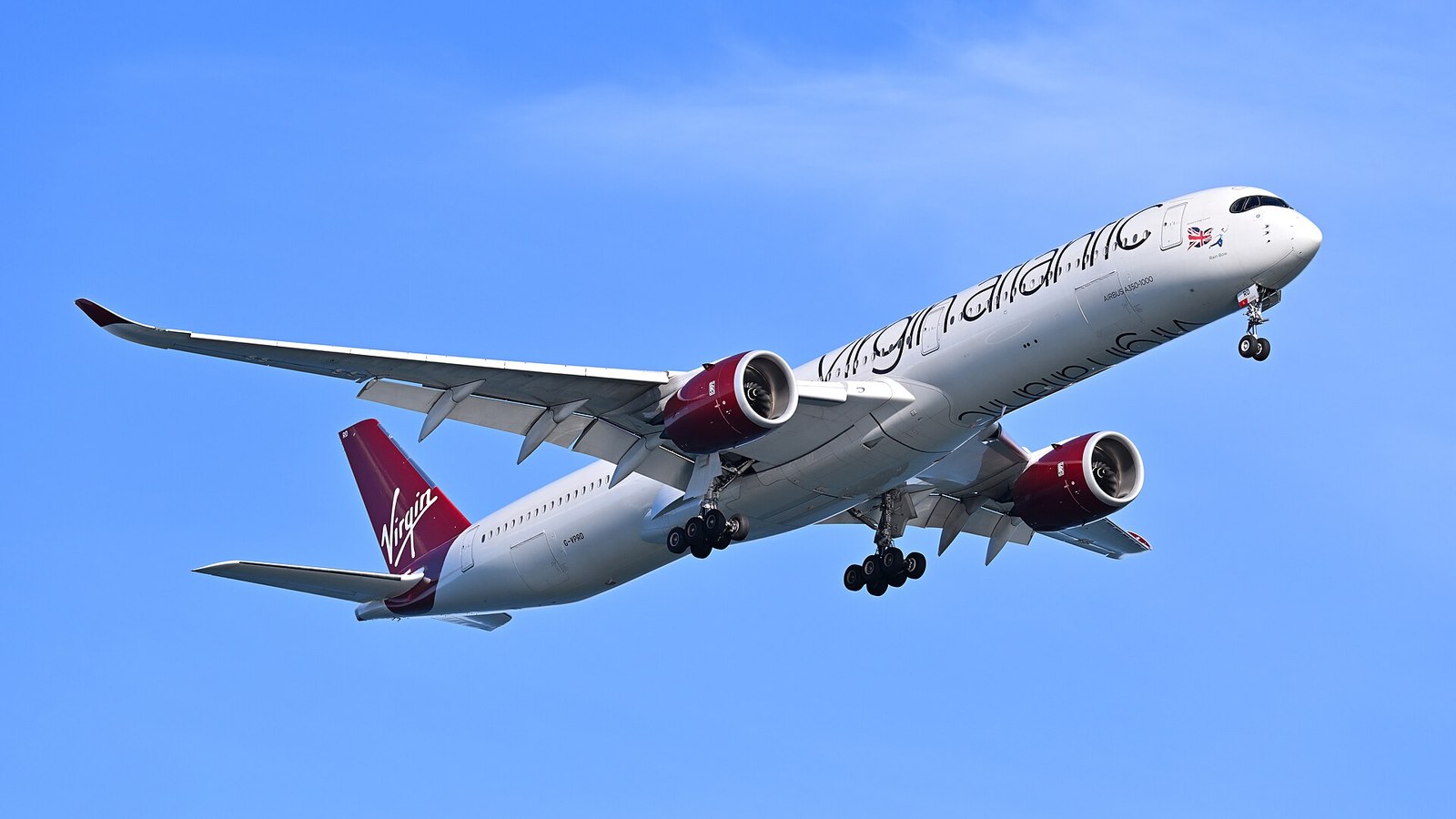
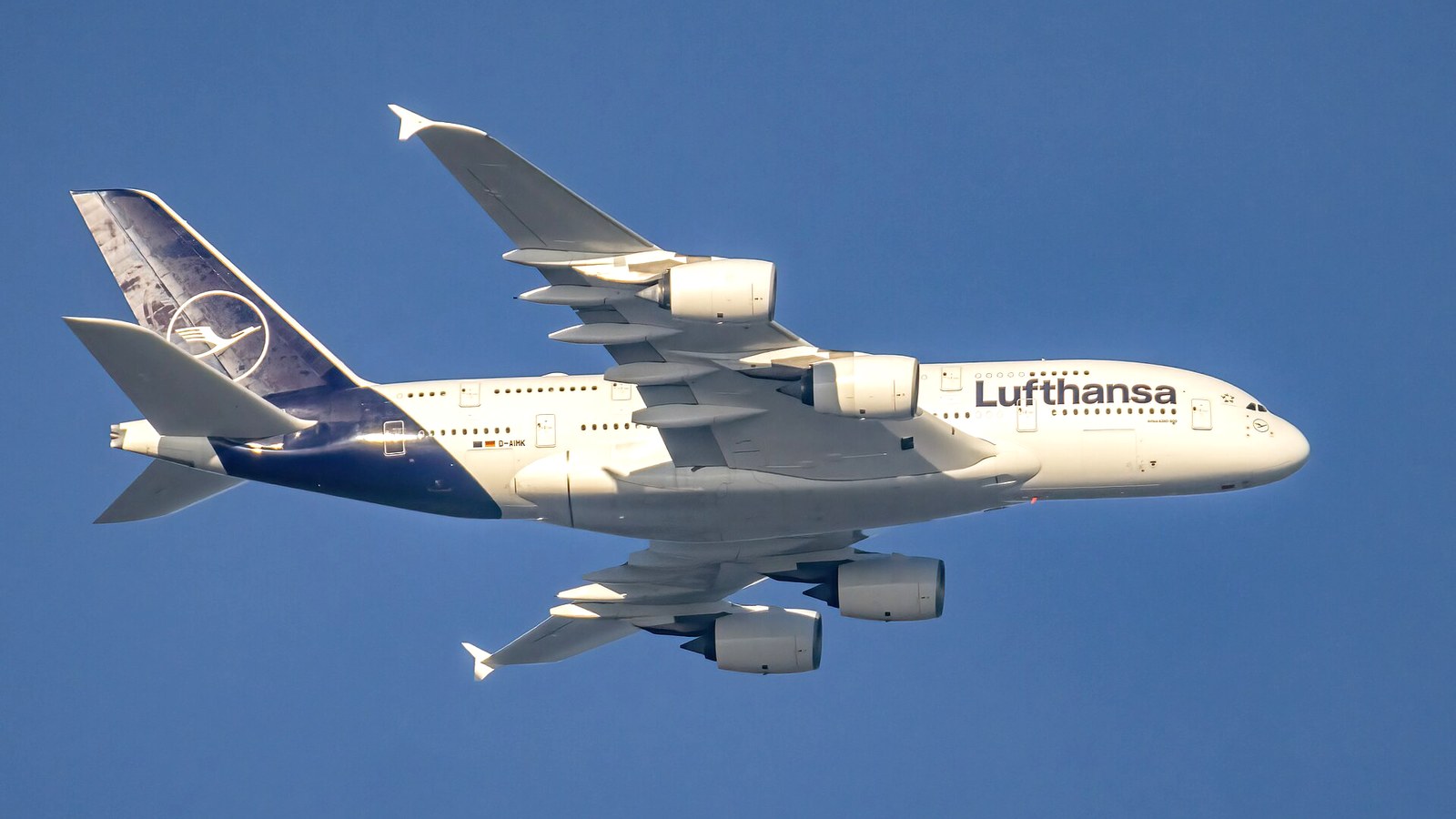
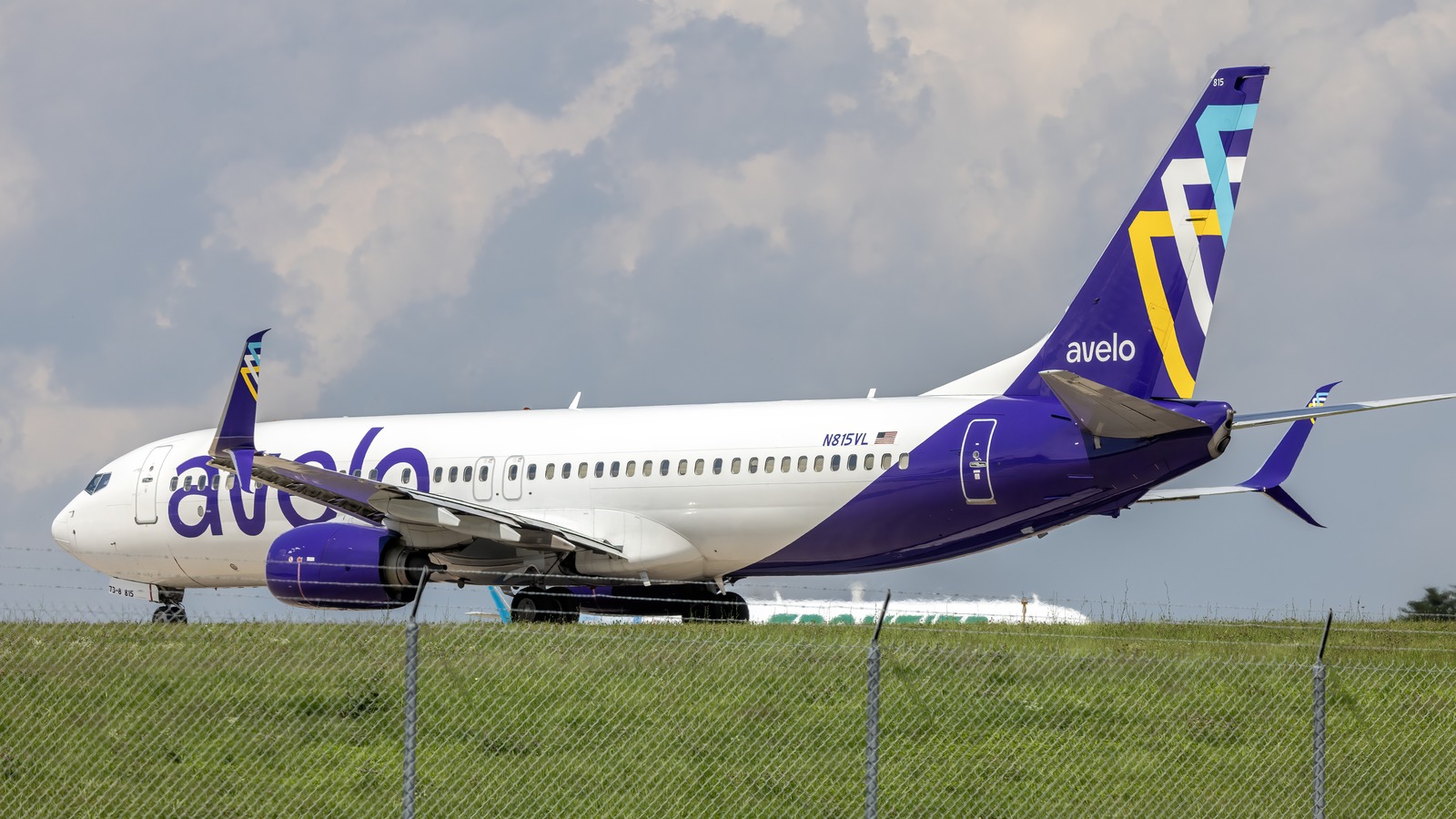
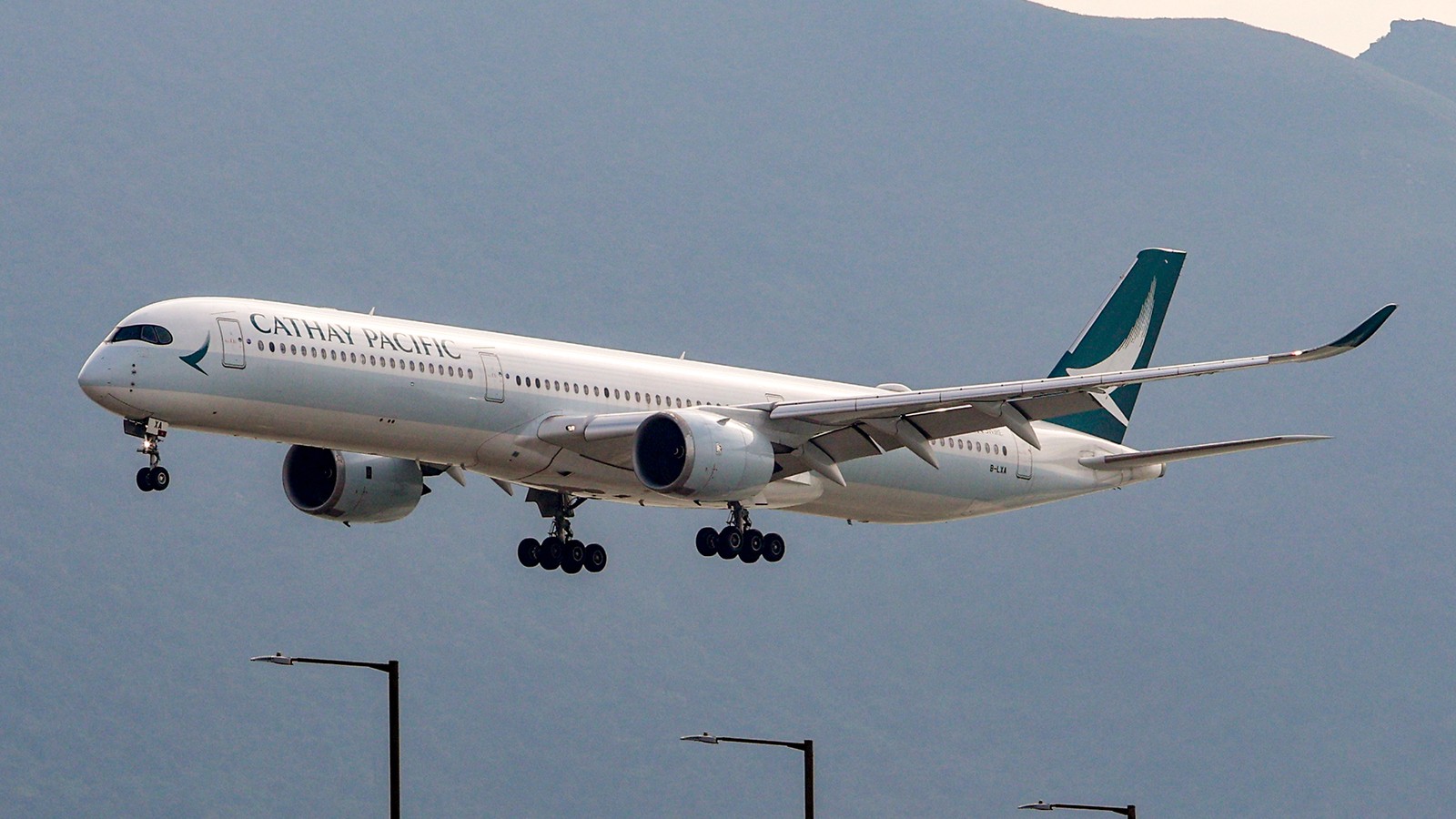
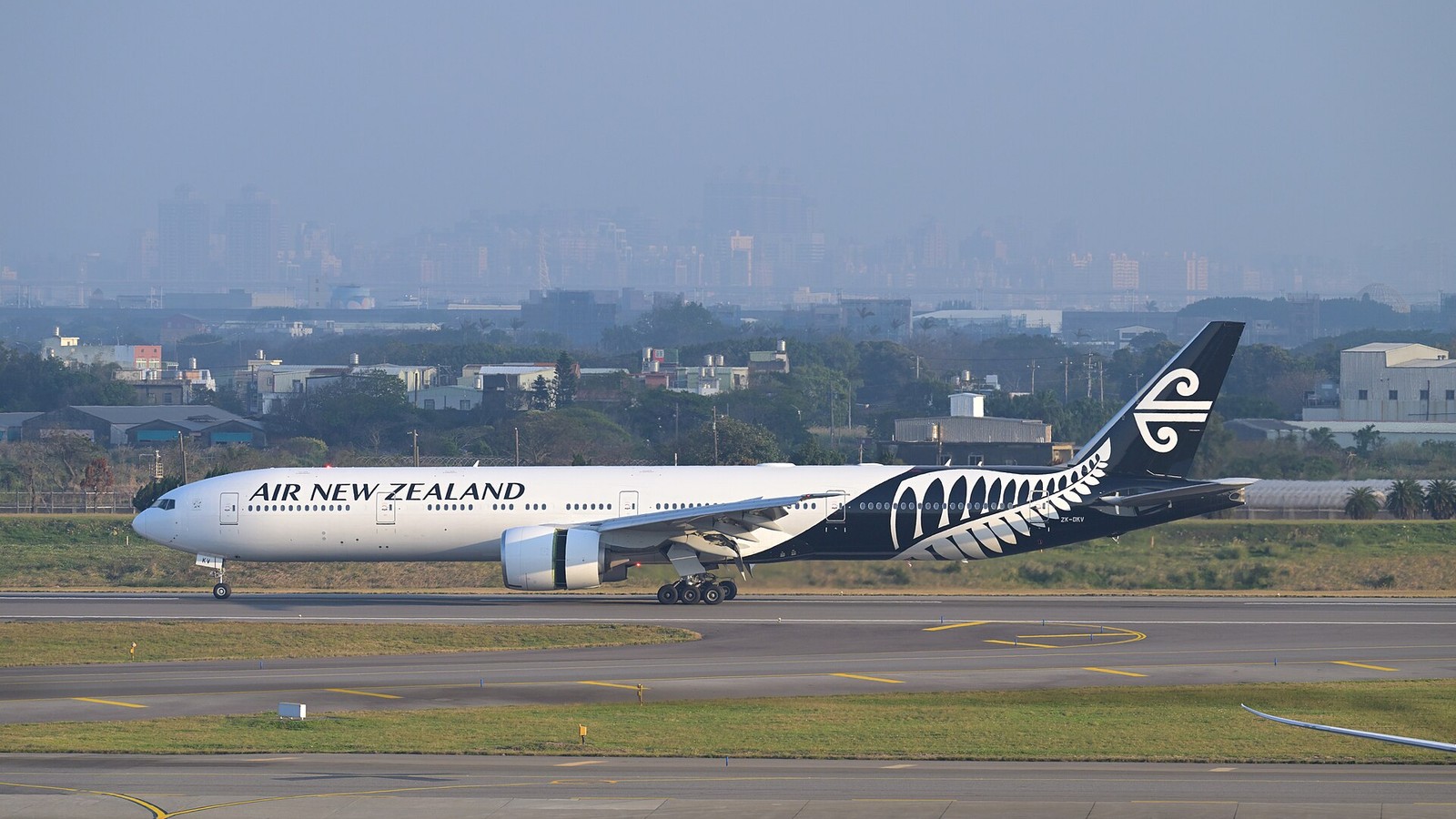
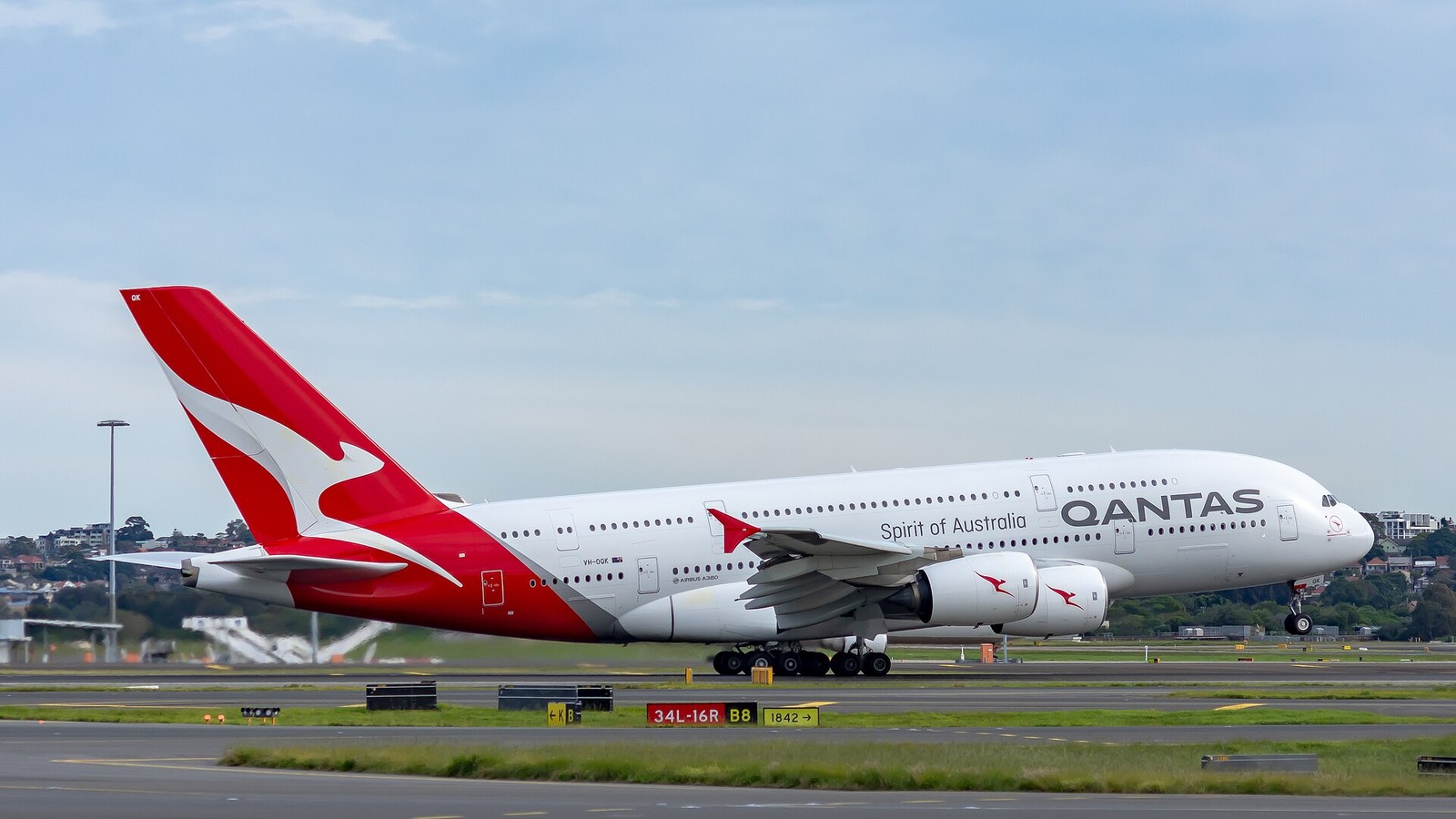
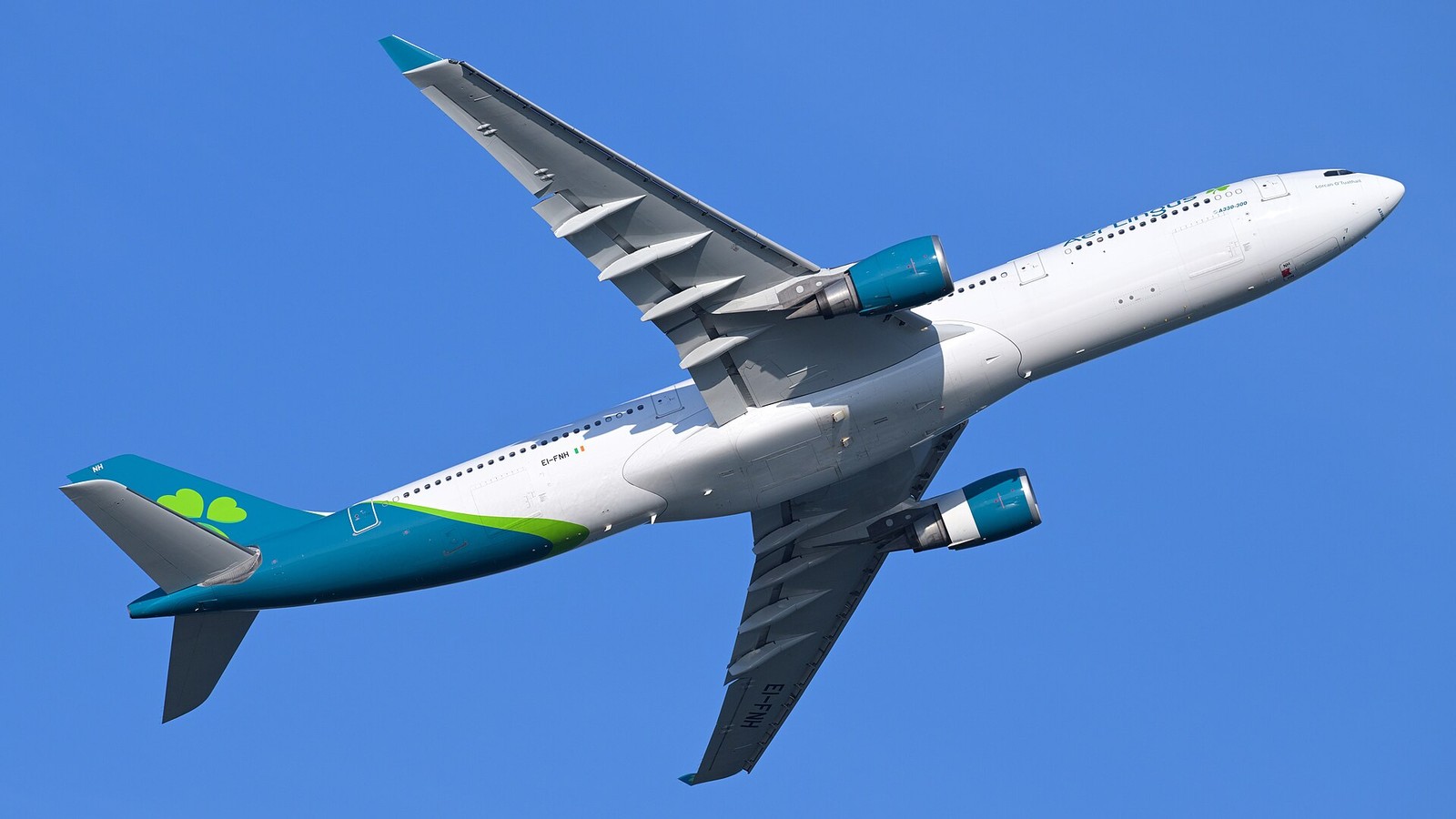
Airlines followed immediately. United and JetBlue raised checked bag fees. Summer airfares are tracking 18% higher than last year. Some experts predict costs could reach 30% higher if the Iran conflict continues.
The pattern is everywhere now. Every industry that moves things is adding fuel surcharges.
The Traveler’s Hidden Bill
You’re paying these surcharges whether you realize it or not. That hotel booking? The linens were delivered with fuel surcharges. Your rental car? Fuel surcharges were built into every part that arrived at the dealership.
British Airways charges $1,700 in round-trip fuel surcharges for business class flights between the US and Spain. Emirates can add $1,610 in fuel surcharges on first class flights to Dubai.
Even award travel isn’t safe. These surcharges get added on top of miles redeemed. You pay the points plus the cash surcharge.
The economics professor at University of San Diego explains it simply: “Anything that is shipped, the price of diesel is going to be built into the price of the product.”
When Temporary Becomes Permanent
Here’s what the logistics industry won’t tell you. These surcharges rarely disappear.
Amazon implemented a 5% fuel surcharge in 2022. They never removed it. They just added this new 3.5% on top. Industry experts predict the company will keep it regardless of whether fuel prices fall.
The same pattern happened with airlines decades ago. Oil prices spiked, surcharges appeared, oil prices fell, surcharges stayed.
This is how temporary fees become permanent revenue streams. Companies frame them as cost recovery. Customers accept them as unavoidable. Markets normalize them as standard practice.
The Travel Calculation
Every trip you’re planning just got more expensive in ways you can’t see yet.
That cruise you booked? The food was delivered with surcharges. The shore excursion bus? Fuel surcharges. The souvenir you’ll buy? Shipping surcharges built into the wholesale price.
The hotel industry is watching. Restaurants are calculating. Theme parks are evaluating. When Amazon moves, everyone follows.
My kids ask why everything costs more lately. The answer isn’t just inflation. It’s the silent multiplication of surcharges that touch every part of the travel experience.
This moment marks the shift. Fuel surcharges just became infrastructure. The temporary became permanent. The exception became the rule.
The real cost of your next trip isn’t just the ticket price anymore. It’s the accumulated weight of every surcharge that moved every piece of that experience to you.