Three hundred feet. That is the distance that separated an Alaska Airlines passenger jet from a FedEx cargo plane at Newark Liberty International Airport on Tuesday night. At that margin, the two aircraft were closer to each other than the length of a football field.
Nobody was hurt. Both planes landed safely. But the incident is the latest in a pattern that keeps repeating at one of America’s most troubled airports, and it raises a question travelers should be paying attention to: what happens when the system keeping planes apart runs out of room?
What Happened at Newark
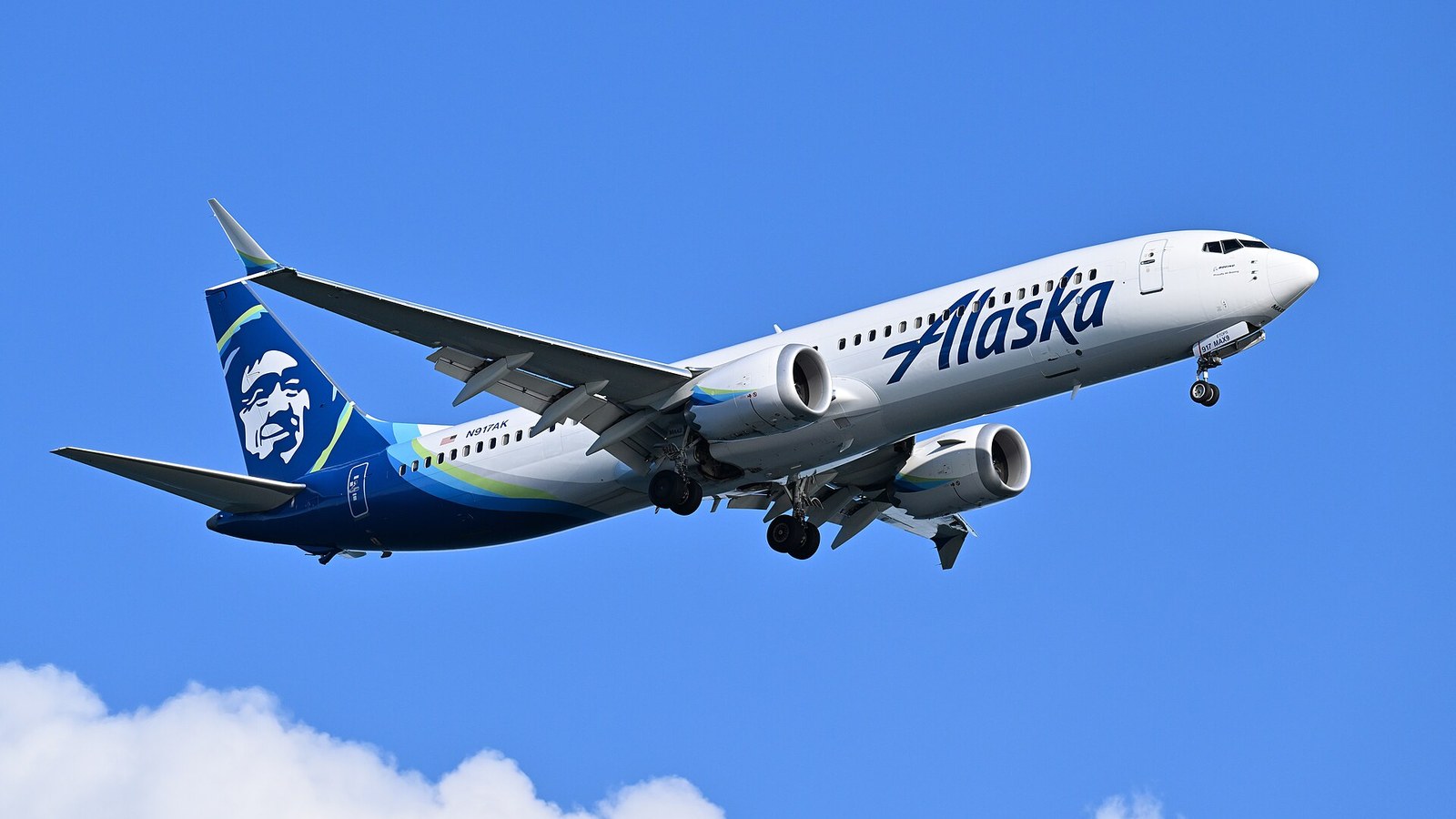
Around 8:15 p.m. on Tuesday, March 18, Alaska Airlines Flight 294 from Portland, Oregon, was on final approach to Newark. At the same time, FedEx Flight 721 from Memphis, Tennessee, was cleared to land on an intersecting runway. An air traffic controller issued a last-second go-around instruction when the Alaska jet was roughly 150 feet above the ground, seconds from touching down.
The Alaska 737 climbed away. The FedEx 777 completed its landing. Radar data from FlightRadar24 showed the two aircraft passed each other with about 300 to 325 feet of separation, both vertically and horizontally. Standard safety buffers at busy airports are measured in miles and thousands of feet, not hundreds.
Reuters reported on March 19, 2026 that the NTSB was investigating the close call and the FAA was also investigating. Alaska said air traffic control issued a go-around after the crew had been cleared to land. FedEx said its crew followed air traffic control instructions and landed safely without incident.
A former FAA vice president, Michael McCormick, told ABC7 New York that the root cause was timing on intersecting runways. The tower controller waited too long, he said, and had to send the Alaska jet around at the last possible moment.
The Bigger Problem Behind the Close Call
If this were an isolated event, it would be alarming on its own. It is not isolated.
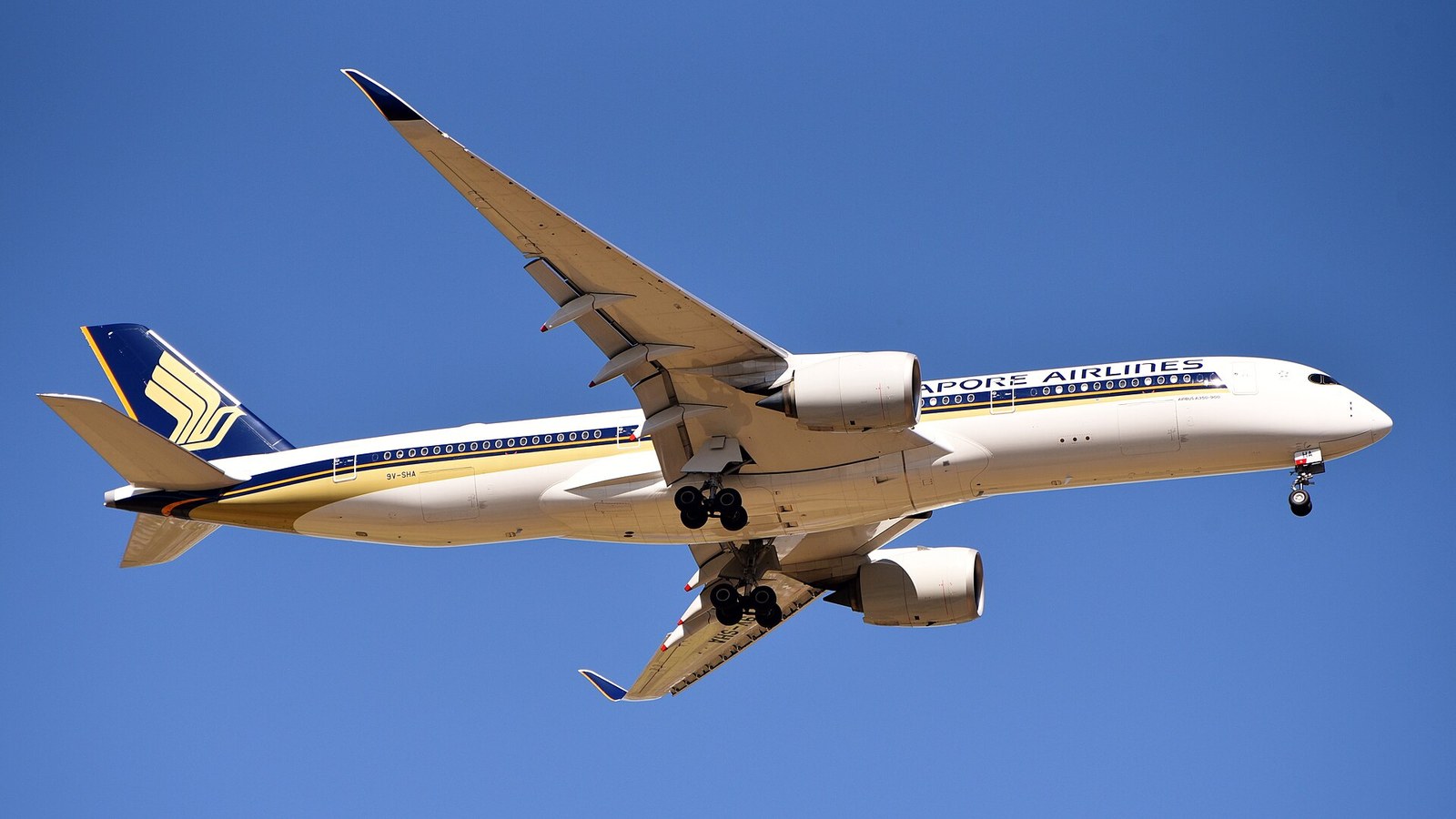
Two weeks before this near miss, a Singapore Airlines plane clipped the tail of a parked Spirit Airlines jet on the ground at Newark. In 2023, a helicopter came dangerously close to a departing United Airlines flight at the same airport. And all of this sits against the backdrop of the worst air traffic controller staffing crisis the FAA has faced in decades.
Newark’s airspace is managed by Philadelphia TRACON Area C, a facility that the FAA itself says is operating at roughly 48 percent of its target staffing level. That means fewer than half the certified controllers it needs are actually on the job. The FAA has acknowledged the shortfall, noting 22 fully certified controllers and 5 supervisors on staff against a target of 46 certified professionals.
Nationally, the picture is not much better. The FAA is roughly 3,500 controllers short of its own staffing targets, according to February 2026 reporting. The overall controller workforce has shrunk by about 6 percent over the past decade even as total flights using the system grew by 10 percent. Many facilities rely on mandatory overtime and six-day workweeks to cover the gap.
The consequences at Newark have been visible for over a year. In the spring of 2025, a fried copper wire knocked out radar and radio communications at the Philadelphia TRACON facility for 90 seconds, triggering cascading delays that rippled across the entire Northeast. Five controllers took 45-day trauma leave after the event. The FAA responded by cutting flights at Newark by 25 percent and capping operations at 68 per hour. That cap, later raised slightly to 72, has been extended through October 2026.
Why This Matters Beyond the Headlines
Air travel is statistically safer than almost any other way to get from one place to another. That is not a talking point. It is a fact reinforced by decades of improving technology and layered safety systems. The go-around that prevented a collision on Tuesday is one of those layers, and it worked exactly as designed.
But layers are not unlimited. Every near miss reveals how thin the margin is at airports where demand has outgrown the infrastructure supporting it. Newark processes roughly 1,200 aircraft movements a day across three runways crammed into one of the most congested airspaces on the planet. When the system is fully staffed and fully functioning, those operations rely on precise sequencing measured in seconds. When the system is short-staffed, those seconds get tighter.
The FAA is hiring. Transportation Secretary Sean Duffy has called controller recruitment a top priority, announcing retention bonuses for retirement-eligible controllers and a streamlined hiring pipeline aimed at bringing on more than 2,200 new controllers in fiscal year 2026. But the math is brutal. It takes two to six years to fully certify a new air traffic controller. The training academy in Oklahoma City graduates fewer than 70 percent of its trainees. And the busiest facilities, the ones that need the most help, take the longest to staff because the work is the most complex.
What that means, practically, is that the staffing gap will not close quickly. The improvements are real but measured in years, not months.
What Travelers Should Know Right Now
Flying remains safe. The systems that prevent collisions, from TCAS alerts to trained pilots to controller intervention, continue to function. Tuesday’s outcome proves that.
But if you fly through Newark regularly, or connect through the New York metro area, you should plan for a reality where delays and disruptions are structural, not seasonal. The FAA’s flight cap will remain in place for the foreseeable future. Airlines have already reduced schedules. And the staffing shortfall that contributes to these close calls is the same shortfall that causes ground stops on otherwise clear evenings.
I fly for work, and I’ve stood in that Newark terminal watching departure boards go yellow one line at a time. It is one of those airports where you can feel the system straining. The close call this week did not change anything travelers did not already sense. It just made it harder to ignore.
The margin was 300 feet. The safety layers held. But a system that keeps needing its backup layers to intervene is a system telling you something about how much room is left.