Ride a bike in national parks? The rules for where you can pedal may be about to loosen. The National Park Service has proposed a rule that would make it easier for park superintendents to open existing trails and paths to bicycles and e-bikes, and the public comment period closes at 11:59 p.m. Eastern on Monday, November 2, 2026, according to the proposed rule published in the Federal Register.
The International Mountain Bicycling Association calls it the biggest change to national park bike rules since 2012, but no trails would open automatically if the rule is finalized, Singletracks reported. Each park would still decide trail by trail.
- What: proposed rule on bicycle use in park areas.
- Deadline: 11:59 p.m. ET, Nov. 2, 2026.
- How: regulations.gov or U.S. mail.
- Docket: RIN 1024-AE97.
- Not allowed: comments by fax or email.
What the National Park Service Proposed
The proposed rule, published September 1, 2026, at 91 FR 56095, would revise the bicycle regulations in 36 CFR Part 4, according to the Federal Register notice. It would let superintendents designate existing trails and other locations for bicycle use without a park-specific special regulation in many cases, and it would rescind the extra requirements added by the 2012 bicycle rule, consistent with Executive Order 14314, the notice says.
The agency notes that bicycling is the most popular form of active recreation in parks after hiking and walking, according to the notice. Under the proposal, e-bikes would be allowed on park roads and in parking areas that are open to motor vehicles.
Special rulemaking would still be required in some cases, the notice says. Those include designations that would be highly controversial and locations that were never improved with gravel, asphalt, concrete, wood boards, soil cement or resin, meaning new routes on raw ground would still face the longer process.
Changes From the 2012 Rule
Under the current 2012 rules, opening an existing trail to bikes requires a planning document, an environmental assessment or environmental impact statement, a written determination, a public comment period and sign-off from a regional director, Singletracks reported. The proposal would strip out most of those steps for trails that already exist and are already improved.
The ban on bicycles in designated Wilderness would stay in place, and rail trails would not need special rulemaking to open to bikes, according to Singletracks. The outlet also noted that riders already have some options today, including e-bikes on park roads at Zion National Park, the 9.1-mile Big Hollow trail at Mammoth Cave National Park and the East Rim trails at Cuyahoga Valley National Park.
Mountain Bikers Weigh In
IMBA supports the proposal but is asking for two changes, Singletracks reported. The group wants e-bikes managed by class, with only Class 1 pedal-assist e-bikes allowed on shared trails, and it wants language that favors sustainable trail design.
That matters for travelers because e-bike rules vary widely from park to park today. If the rule is finalized, the bigger change for visitors may be how quickly a park could open a familiar path to bikes, not a sudden wave of new singletrack, since each designation would still be a local decision.
How to Comment
Comments can be submitted online through the Federal eRulemaking Portal at regulations.gov by searching for RIN 1024-AE97, or by mail to the National Park Service, Division of Regulations, 7206 National Seashore Lane, Berlin, MD 21811, according to the Federal Register notice. Comments must be received by 11:59 p.m. Eastern on Nov. 2, and the agency will not accept comments by fax or email, the notice says.
The Federal Register listing showed 551 comments received as of Oct. 24. Comments submitted through regulations.gov can be posted publicly, so leave out personal details you do not want shared. Specific comments tend to be most useful, such as which trail you ride, how you use it and whether you ride a standard bike or an e-bike.
Planning a Park Ride Now
Nothing changes on the ground yet, so follow each park’s current bike rules on your next trip. Check the park’s website for which roads and trails allow bicycles and e-bikes before you load the bike rack, and remember that e-bike rules can differ from standard bike rules in the same park.
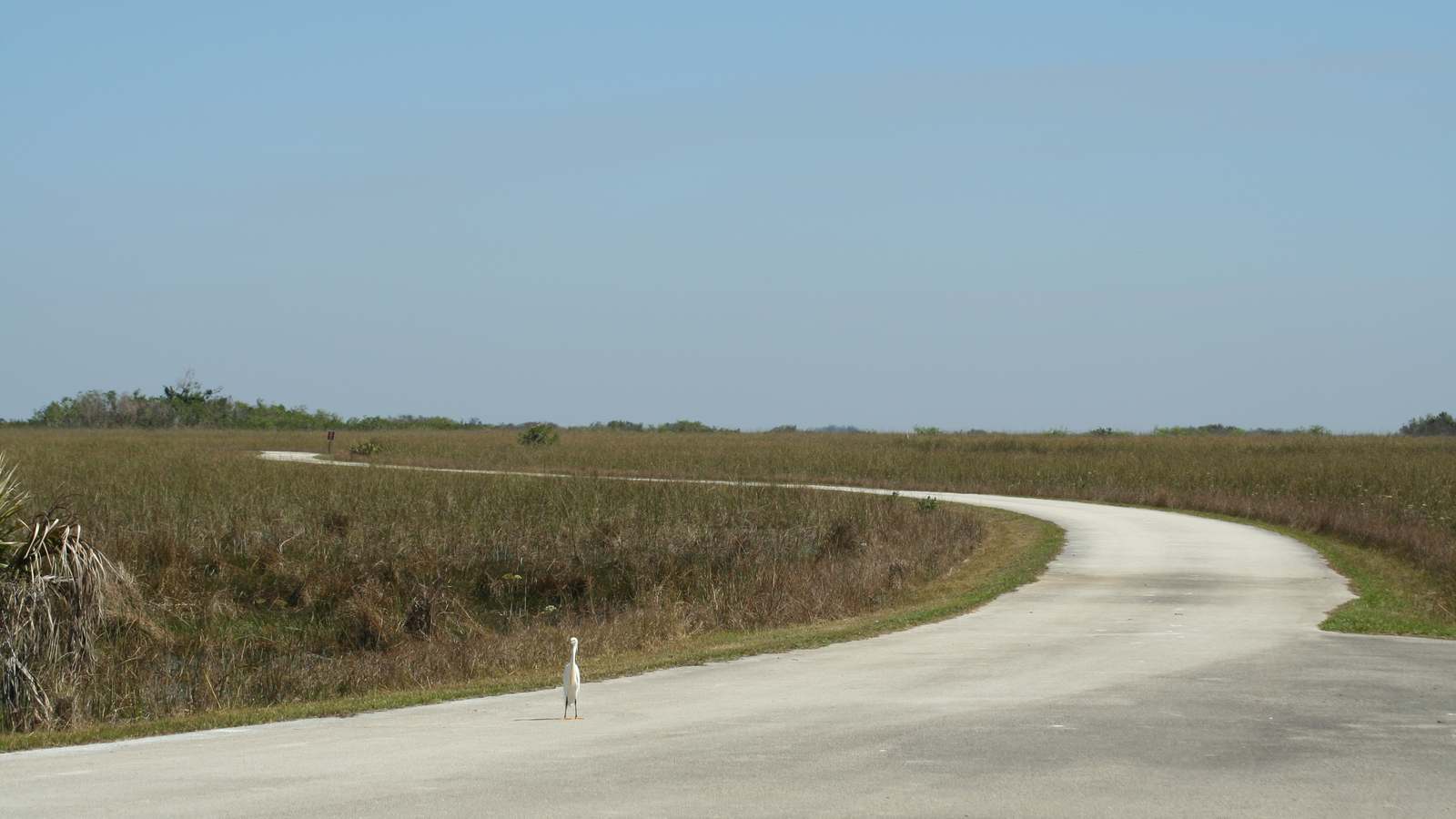
Flat, paved routes like the Shark Valley tram road in Everglades National Park remain an easy way to ride where bikes are already allowed; our Everglades National Park guide covers planning a visit. The photo above is a March 2006 file image of the Shark Valley tram and bicycle road in Everglades National Park and does not show the proposed rule.
| If you are | What to do |
|---|---|
| A park cyclist | Comment by Nov. 2. |
| An e-bike rider | Note your bike class in comments. |
| Visiting this fall | Follow current park bike rules. |
| Mailing a comment | Allow time; it must arrive by Nov. 2. |
Timing. Comments close Nov. 2, 2026.
Trails. None open automatically.
Wilderness. Bike ban stays in place.
When is the deadline to comment on the National Park Service bike rule?
11:59 p.m. Eastern on Nov. 2, 2026.
How do I comment on the National Park Service e-bike proposal?
Online at regulations.gov using RIN 1024-AE97, or by U.S. mail.
Will national park trails open to e-bikes right away?
No. Each park would still decide trail by trail if the rule is finalized.
Does the proposal allow bikes in Wilderness areas?
No. The ban on bicycles in designated Wilderness would remain.