Calistemon · CC BY-SA 4.0 · cropped
JR East suspended JR rail service between Chiba and Narita Airport from the first trains on the morning of September 22, 2026, after the Takasaki River flooded near Sakura Station in the aftermath of Typhoon No. 25, cutting the normal JR route to the airport during the morning rush with no estimate for resumption, according to JR East statements reported by News On Japan on September 22.
Any traveler flying through Narita Airport on September 22 should confirm both flight status and ground transport before leaving for the airport, and allow a much wider buffer or pick an alternate route, because rail and highway access failed together. Readers who remember the August stranding at Narita, when record rain stopped trains and buses, will recognize the pattern: the airfield recovers while the ground links stay down.
- What stopped: JR rail access to Narita Airport on the morning of September 22, 2026, on the Sobu Main Line and the Narita Line.
- Cause: Flooding of the Takasaki River near Sakura Station after Typhoon No. 25 moved away from Japan; JR East gave no estimate for resumption.
- Airport expresses: Narita Express services are affected by the disruption around Sakura, and Keisei services are disrupted after flooding in the same area.
- Overnight impact: About 2,600 passengers could not leave Narita Airport on the night of September 21 and slept inside the terminals with sleeping bags, water and food from the airport.
- Flights: Some cancellations and delays continue on September 22, though ANA no longer lists broad typhoon disruption at Haneda or Narita for the day.
Chiba to Narita Airport Rail Gap Starts With First Trains
The suspension began with the first trains on September 22, which removed the normal JR route between central Chiba and Narita Airport right at the start of the morning rush. JR East said the Sobu Main Line between Chiba and Naruto and the Narita Line between Chiba, Narita and Narita Airport were both suspended after the Takasaki River flooded near Sakura Station, and the operator offered no estimate for when either section would resume.
The airport rail gap is only part of a wider suspension across Chiba Prefecture. The Uchibo Line between Chiba and Kisarazu stays suspended through all of September 22 because soil and debris flowed onto the tracks between Anegasaki and Nagaura. Service between Kisarazu and Awa-Kamogawa is expected back around the evening only if restoration work and safety inspections allow.
The Kururi Line is suspended for the entire day, and the Togane Line, Sobu Main Line, Narita Line and Kashima Line face major disruption. JR East is providing no substitute bus service on the suspended Uchibo Line sections.
The outcome is worse than the advance plan JR East published the day before. That plan, covered by TRAICY on September 21, held Narita Line suspensions to the Narita to Abiko and Narita to Choshi sections with returns around noon and the evening, and it kept the Narita Express running as usual. Overnight flooding around Sakura then knocked out the airport sections themselves, including the Narita Express path, which is why travelers should treat September 21 planning assumptions as expired.
Narita Express and Keisei Services Hit Around Sakura
Narita Express services are affected by the disruption around Sakura, which removes the limited express option many Tokyo area travelers rely on to reach the airport on a fixed timetable. Keisei services were disrupted as well after flooding affected the area around Sakura, compounding the loss of rail connections between Narita Airport and the Tokyo metropolitan area from a second operator at the same chokepoint.
With both JR and Keisei rail paths down, there is no simple rail fallback for the morning of September 22. Highway buses that might have absorbed the demand were already weakened: buses connecting Kisarazu, Kimitsu, Goi, Soga and other parts of Chiba with Haneda Airport, Tokyo, Yokohama and Kawasaki were suspended during September 21 as expressways and local roads became impassable. Travelers who can shift a departure to later in the day still need to recheck status first, because the evening resumptions on lines such as the Sotobo and Uchibo depend on inspections that JR East has not yet completed.
2,600 Passengers Spent the Night Inside Narita Terminals
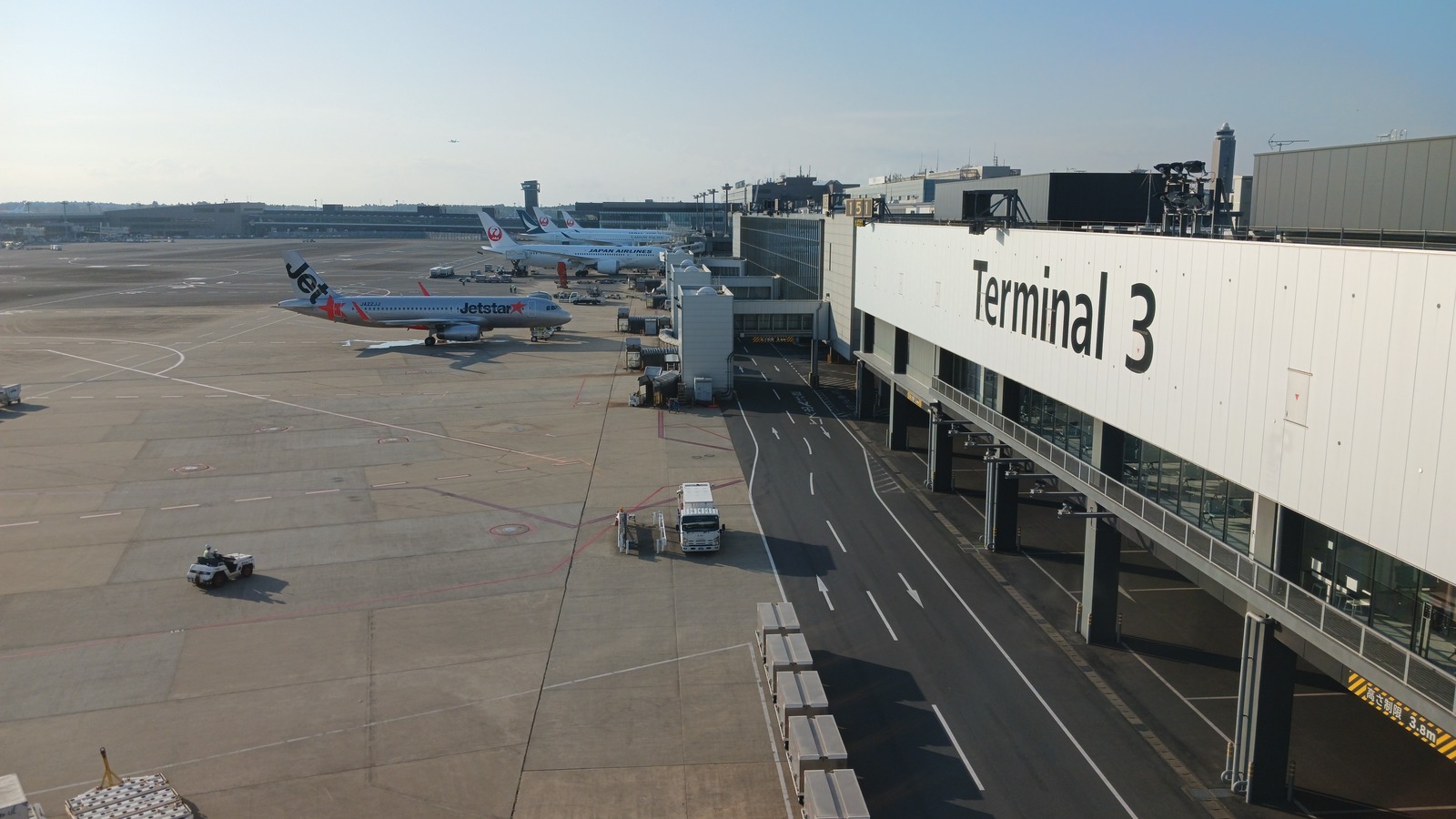
The disruption follows a difficult night at the airport. About 2,600 passengers were unable to leave Narita on the night of September 21 after JR and Keisei services stopped operating, and Narita International Airport distributed sleeping bags, drinking water and food to the stranded passengers who spent the night inside the terminals. The airport said some flights were still experiencing cancellations and delays on September 22 and warned passengers to check both flight status and ground transport before traveling.
Air services are recovering substantially compared with September 21, when ANA and Japan Airlines canceled hundreds of flights centered on Haneda and Narita in the 275 flight cancellations as Typhoon Dujuan approached Tokyo. ANA no longer lists Haneda or Narita among airports facing broad typhoon related disruption on September 22, although Hachijojima remains at risk from strong winds.
Many travelers are now trying to rebook during the final two days of the five day Silver Week holiday, which places added pressure on flights and on whatever ground transport is running. A traveler holding a September 22 Narita departure should treat the trip as a two part check, flight first and ground route second, because a normally operating flight does not guarantee a working train to reach it.
Highways and Airport Buses Across Chiba Also Restricted
Road travel remains severely restricted across Chiba, which limits taxi and bus alternatives. The Tateyama Expressway stayed closed over a long section on the morning of September 22, from Anagawa Interchange to Tomiura, cutting highway access toward Kisarazu, Kimitsu, Futtsu, Tateyama and the southern Boso Peninsula. National Route 127 stays closed between Futtsu and Kyonan after rainfall exceeded safety limits and landslides hit the corridor.
Local roads add to the problem. In Sodegaura at least 16 locations were affected by closures, Kisarazu restricted eight routes, Futtsu reported four affected routes, and Kimitsu had at least 10 road closures plus another traffic restriction. The closures are also preventing a rapid return of bus services, so travelers should not assume that a bus will simply replace a canceled train on the morning of September 22.
| If you… | What to do |
|---|---|
| Fly out of Narita on the morning of September 22 | Recheck your flight and then recheck JR, Keisei and highway bus status before leaving, and leave far earlier than usual or move the departure. |
| Land at Narita on September 22 | Expect no normal JR route toward Chiba and Tokyo in the morning; confirm Keisei, bus and road status inside the terminal before choosing an exit route. |
| Travel between central Chiba and the airport | Treat the JR path as unavailable until JR East names a resume time; the evening resumptions elsewhere in Chiba do not cover the Sakura flooding section. |
| Must rebook during Silver Week | Rebook the flight and the ground route as one plan, since ANA notes recovery in the air while rail and road links lag a day behind. |
September 22 morning is the hard gate. Do not start for Narita Airport on rail assumptions from September 21, including the earlier plan that kept the Narita Express running.
The Sakura flooding section is the next gate. Only a JR East resume estimate for the Chiba to Narita Airport sections restores the normal route; evening returns on other Chiba lines do not.
Silver Week rebooking is the third gate. With holiday demand compressing two days of displaced travelers, lock the new flight and confirm the new ground path in the same session.
Is the Narita Express running to Narita Airport on September 22?
No. Narita Express services are affected by the disruption around Sakura on the morning of September 22, a change from JR East advance plan on September 21 that had kept them running.
How do I get to Narita Airport with the trains suspended?
Recheck Keisei, highway bus and road status before leaving, because flooding around Sakura hit Keisei too and buses were suspended on September 21 as roads became impassable. Narita Airport warns travelers to check both flight status and ground transport.
Are flights at Narita Airport cancelled on September 22?
Some cancellations and delays continue, but recovery is substantial versus September 21, when hundreds of ANA and Japan Airlines flights were canceled. ANA expects no widespread weather related disruption to international services on September 22.
When will trains to Narita Airport resume?
JR East has given no estimate for the flooded Sakura section on the Sobu Main Line and Narita Line. Other Chiba lines may return around the evening of September 22 after inspections, but that does not restore the airport sections.