Before moving hotel nights around Morocco, find your vaccination record. The U.S. Mission’s October 15, 2026, diphtheria health alert asks travelers and families to check their records and get a booster if needed. It also says the risk to U.S. citizens in Morocco remains low. The useful response is a specific records check, not turning a new notice into a claim that the whole country has closed.
If you are still choosing cities and regional branches, our Morocco route guide covers those itinerary choices. The health notice calls for a separate check: whether your family’s routine vaccinations are current. It does not supply a city-by-city risk ranking or a personal medical clearance for a particular stop.
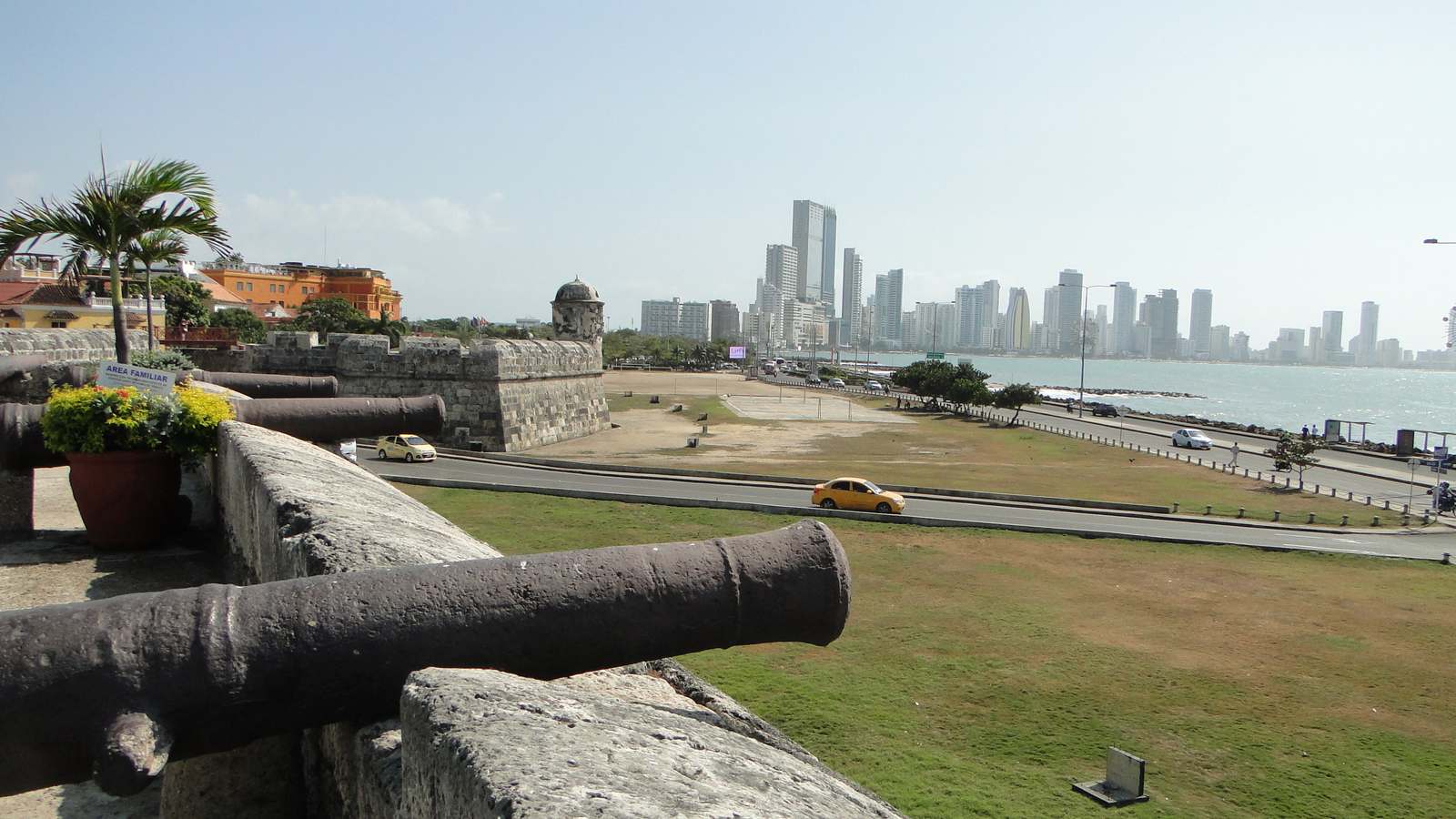
The photograph shows city walls in Rabat on November 6, 2024. It is historical destination context, not a photograph of the current health response or evidence of health conditions.
- New notice: U.S. Mission Morocco’s health alert was published October 15, 2026, with the location listed as all of Morocco.
- Earlier event: The notice refers to clusters the Moroccan health ministry reported on September 28. October 15 is not the outbreak’s stated start date.
- Agency assessment: The mission describes the risk to U.S. citizens in Morocco as low, not zero.
- Traveler action: Check family vaccination records and discuss missing information or a needed booster with a healthcare provider.
A New Alert Does Not Mean the Outbreak Began Yesterday
The October 15 U.S. Mission Morocco health alert refers back to a September 28 ministry report of small diphtheria clusters in several regions. It says Moroccan health teams are tracing contacts and providing preventive treatment and vaccines. Those are reported response measures, not evidence that this publication has independently inspected the affected locations.
Moroccan health publication SanteMag covered the embassy notice on October 16. Its report cites a ministry update from October 14 giving 15 confirmed cases, and attributes information about stable patients to communicable-disease official Jawad Hamou. That is a dated ministry figure reported by the publication, not an October 16 live case count.
Keep those dates attached to their facts. A new alert can be useful without describing a newly begun outbreak or proving a sudden change overnight. For a traveler reading the headline today, the new item is the mission’s advice and its stated risk assessment.
Check the Record, Not Just the Word Vaccinated
The mission asks people to check their own vaccination records and those of family members. It says adults need a diphtheria booster, Td or Tdap, every 10 years, and that children should be current on routine vaccines. It advises a booster if one is needed, not an extra dose for every traveler simply because the notice appeared.
CDC’s current diphtheria vaccine recommendations also describe the adult 10-year interval. After an adult has received Tdap, CDC says Td or Tdap can be used for booster doses. Children have age-specific schedules; the adult interval should not be used to interpret a child’s record.
Find the actual dates and take any gaps or uncertainties to a healthcare or vaccine provider. Tell them when you travel and what records you have. This report does not set a catch-up schedule, determine individual eligibility or prescribe a product. The point is to replace a vague memory with information a clinician can assess.
Low Risk Is Not a City Map or an Individual Clearance
The low-risk statement is the U.S. Mission’s assessment for U.S. citizens in Morocco at the time of its notice. It should not be expanded into a zero-risk promise for every visitor, a guarantee about a particular exposure or a reason to ignore the record-check advice.
SanteMag’s report says most of the reported cases were in Casablanca-Settat and Souss-Massa. That regional description is not a complete risk map. It does not establish that another city is case-free, or that moving an itinerary from one region to another substitutes for medical advice.
The mission’s notice does not announce a travel ban or establish a new entry rule. That is a statement about this particular health communication, not a claim that every other travel advisory or entry requirement is unchanged. Keep health questions, border requirements and individual booking decisions separate.
Before Departure or Already There, Use the Right Source
Before departure, gather the family’s records and discuss anything unclear with the relevant provider. For children, use their routine vaccination record rather than applying the adult booster interval. If the departure is soon, tell the provider the date instead of trying to build a medical plan from a news article.
If you are already in Morocco, the mission points U.S. citizens toward local doctors for immunization questions. Its notice also carries current mission assistance details and an enrollment link for future alerts. Consular assistance and clinical advice are different services; do not treat an embassy contact as a vaccination appointment.
Anyone with symptoms or an individual health concern needs medical assessment, not a route guide or this report to diagnose the problem. CDC’s vaccination overview also notes that vaccines cannot prevent every case. Keep following current official notices even after checking the records.
| Your situation | Useful next check |
|---|---|
| You cannot remember the last adult booster | Locate the record and ask a healthcare provider to assess whether a dose is due. |
| A child is traveling | Review the child’s routine schedule with their provider, not the adult 10-year rule. |
| You are already in Morocco | Use a local doctor for medical questions and the mission’s current notice for consular contacts. |
| You are comparing cities | Do not turn reported regional clusters into a personal risk ranking or a promise that another city is unaffected. |
For an upcoming trip: Put the record check on the departure checklist and use a clinician for any dose or schedule decision. The notice itself does not announce a travel ban.
For current travelers: Keep the mission’s dated risk assessment in context and follow current medical and official advice. This is reporting on an alert, not individualized medical advice.
Does the Morocco diphtheria alert announce a travel ban?
The October 15 health notice does not announce one. It asks people to check family vaccination records and describes the risk to U.S. citizens in Morocco as low.
Does every adult traveler need another booster now?
The notice says to get a booster if needed and cites a 10-year adult interval. A healthcare provider should assess the actual record; it is not a blanket instruction for an extra dose now.
Does the low-risk statement mean there is no risk?
No. It is the mission’s assessment for U.S. citizens in Morocco at the time of the notice, not a zero-risk promise or an individual medical clearance.