Spring break has always operated on a kind of collective faith. You book the trip to Cancun or Cabo or Puerto Vallarta. You know, in the abstract, that Mexico has crime and complexity. You go anyway, because millions of people have gone before you, and nearly all of them came home with a sunburn and no worse story than a bad margarita.
On February 22, 2026, that faith ran into something concrete.
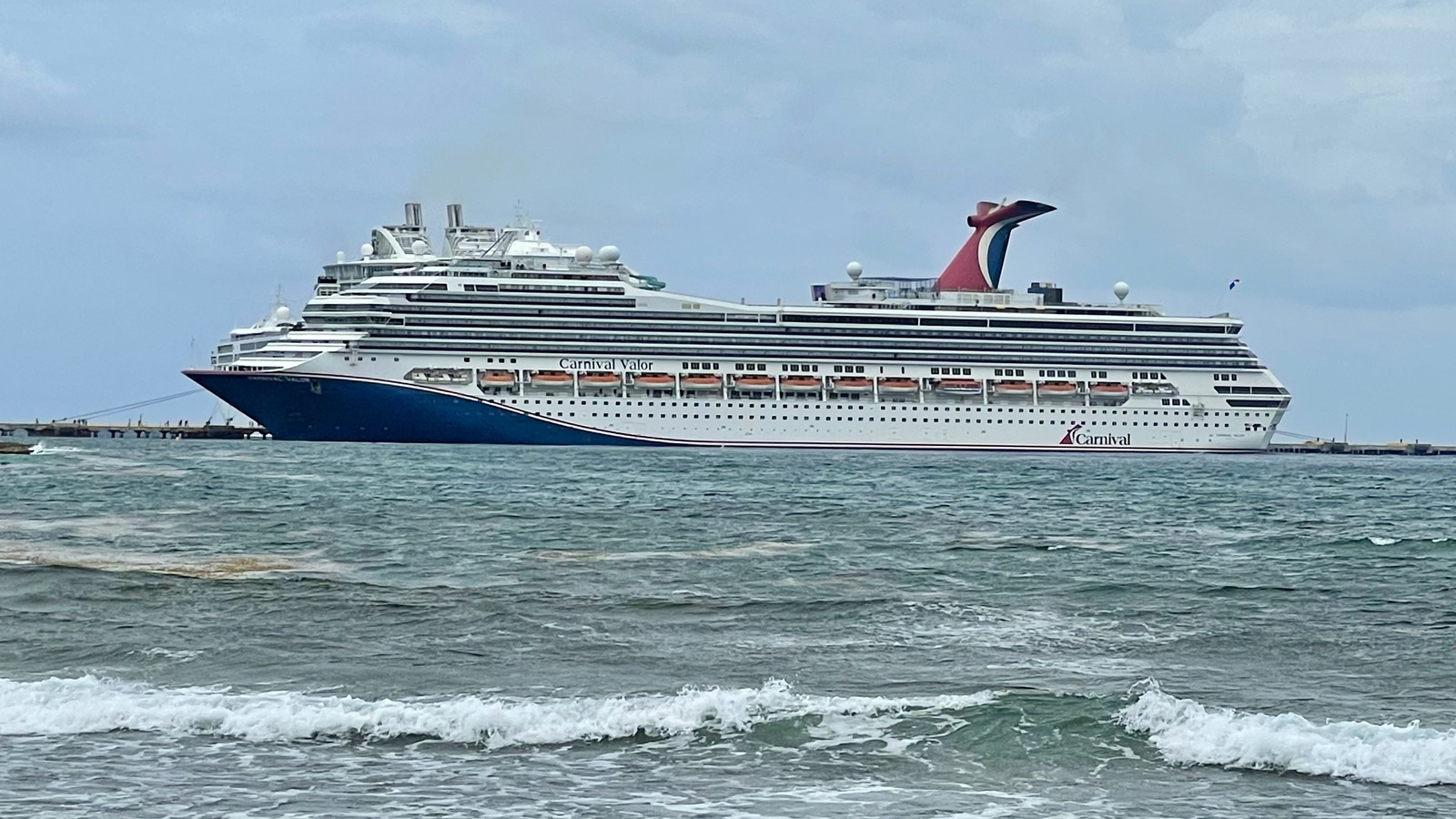
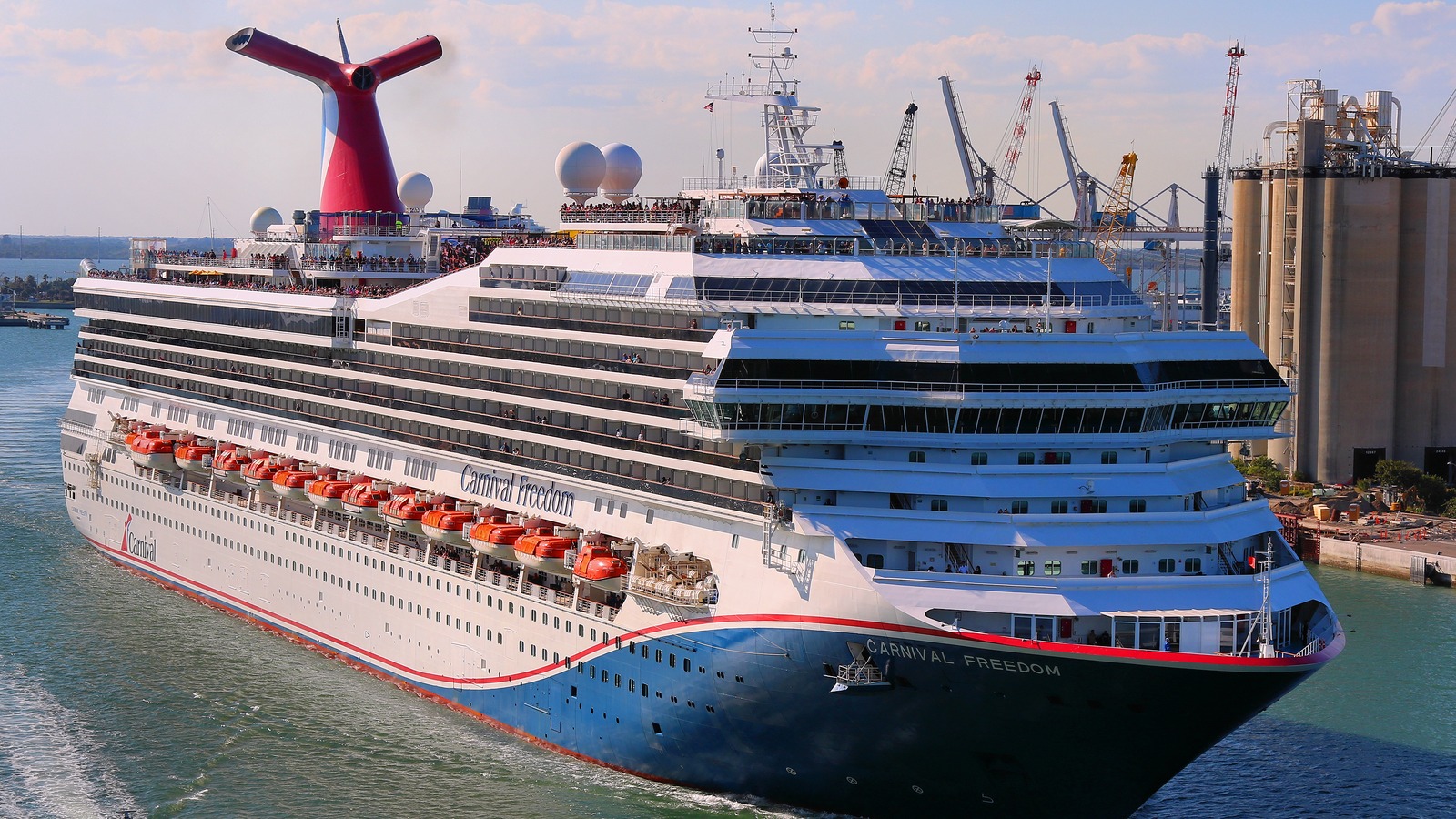
Mexican security forces killed Nemesio Oseguera Cervantes, known as El Mencho, the leader of the Jalisco New Generation Cartel. The operation, centered in the state of Jalisco, was a significant law enforcement victory. It was also the trigger for retaliatory violence that spread rapidly across parts of western Mexico. Hotels in affected areas locked down. Roads were blocked. Vehicles burned. The U.S. Embassy issued a shelter-in-place advisory for Americans in parts of Jalisco. Airlines canceled flights in and out of Puerto Vallarta and Guadalajara for several days. Cruise lines diverted ships away from Puerto Vallarta port calls, including Norwegian Bliss and Royal Princess.
The violence itself subsided within days. The shelter-in-place was lifted on February 24. By early March, flights had largely resumed and resort occupancy was recovering. But the episode landed at the worst possible moment on the calendar, with the largest spring break travel season in American history about to begin.
The Advisories, Specifically
On March 2, 2026, the U.S. State Department issued a formal spring break advisory specifically for Mexico. The advisory confirmed the February 22 violence had ended but maintained that baseline risks of crime and kidnapping remain throughout Mexico. Mexico’s overall advisory stays at Level 2, exercise increased caution. Quintana Roo, home to Cancun, Playa del Carmen, and Tulum, also remains at Level 2. Jalisco, including Puerto Vallarta, is at Level 3: reconsider travel. Six Mexican states, including Guerrero, Sinaloa, and Tamaulipas, are at Level 4: do not travel. Those Level 4 designations predate this year’s events and reflect persistent, long-standing cartel violence that has not improved.
What the advisory addresses specifically is behavior: watch your drink being prepared, do not accept beverages from strangers, use official taxi stands or ride-sharing apps rather than hailing unmarked cabs, avoid displaying expensive items, and be alert to virtual kidnapping and extortion attempts. The State Department also recommends enrolling in the Smart Traveler Enrollment Program (STEP), which delivers real-time updates from the nearest U.S. embassy and helps the department locate Americans in emergencies.
The measles situation adds a separate layer. CBS News reported more than 1,000 confirmed measles cases nationwide in 2026, with Florida, a major spring break destination, ranking in the top three states for active cases. Infectious disease specialists have noted that spring break gatherings, both domestic and international, create ideal conditions for spread among unvaccinated travelers.
The Travel Pattern This Created
The result of all of this is a split picture. Airlines for America projects 171 million passengers will fly between March and April 2026, a four percent increase over last year, the highest volume on record for the spring break period. The season is not shrinking. But within it, booking patterns shifted.
Industry data cited by travel risk specialists shows cancellations for future trips running roughly 60 percent above normal levels, with Mexico-specific bookings absorbing a disproportionate share. Puerto Vallarta hotel owners reported a noticeable drop in spring break arrivals. Some travelers who had booked Jalisco-adjacent destinations quietly rerouted to Caribbean options. Domestic destinations, particularly along the Texas Gulf Coast, reported a bump in inquiries from travelers who had been considering Mexico.
The destinations least affected were those geographically and operationally insulated from the February unrest. Cancun and Quintana Roo reported only modest upticks in cancellations. Los Cabos, on the Baja Peninsula, was unaffected by the Jalisco violence and saw continued normal operations. Travel agencies noted that clients are still booking Mexico in large numbers but asking more questions about cancellation policies, travel insurance, and evacuation coverage than in previous years.
What This Season Revealed
The February 22 episode illustrated something about modern travel risk that is worth holding onto past spring break. The event was not a slow-building crisis. It was fast. Within hours of El Mencho’s death, road blockades appeared, hotels activated shelter protocols, and airlines were fielding cancellation calls. Security experts noted that cartel power transitions routinely produce exactly this kind of short-term instability, but the speed at which it affected travelers in resort areas, and the speed at which it resolved, was a useful demonstration of how volatile the gap between “safe” and “disrupted” can be.
For travelers, the takeaway is not that Mexico is uniquely dangerous or that spring break is uniquely reckless. Millions of people visit Mexico safely every year. The takeaway is that the conditions that make a destination safe or unsafe can change faster than a booking window allows you to react, and that the tools available for managing that gap are more practical than most people use. Travel insurance that covers trip cancellation due to civil unrest is different from standard trip protection. Medical evacuation coverage is different from standard health insurance. STEP enrollment is free and takes four minutes. None of these are exotic precautions. They are what informed travelers do.
The faith that spring break runs on is not irrational. It is, most years, essentially correct. But 2026 is a reasonable year to add a little structure to the faith.