Luminara made its first call at Yokohama on October 9, 2026, arriving at Shinko Pier at 6:30 a.m. and departing at 7 p.m. The official Yokohama cruise schedule marks the visit as the yacht’s maiden port call and lists Hakodate as the previous port and Kobe as the next.
The call also began a 10-night voyage from Yokohama to Tokyo. A current published itinerary lists Kobe, Hiroshima, Fukuoka, Busan, Nagasaki and Kagoshima before an October 19 arrival in Tokyo.
- First call: Luminara arrived in Yokohama on October 9, 2026.
- Berth: The city assigned Shinko Pier from 6:30 a.m. to 7 p.m.
- Voyage: The 10-night sailing ends in Tokyo on October 19.
- Countries: The route combines Japanese ports with Busan in South Korea.
- Next stop: Kobe follows a sea day, with a late listed departure.
Shinko Pier Is the Essential Yokohama Detail
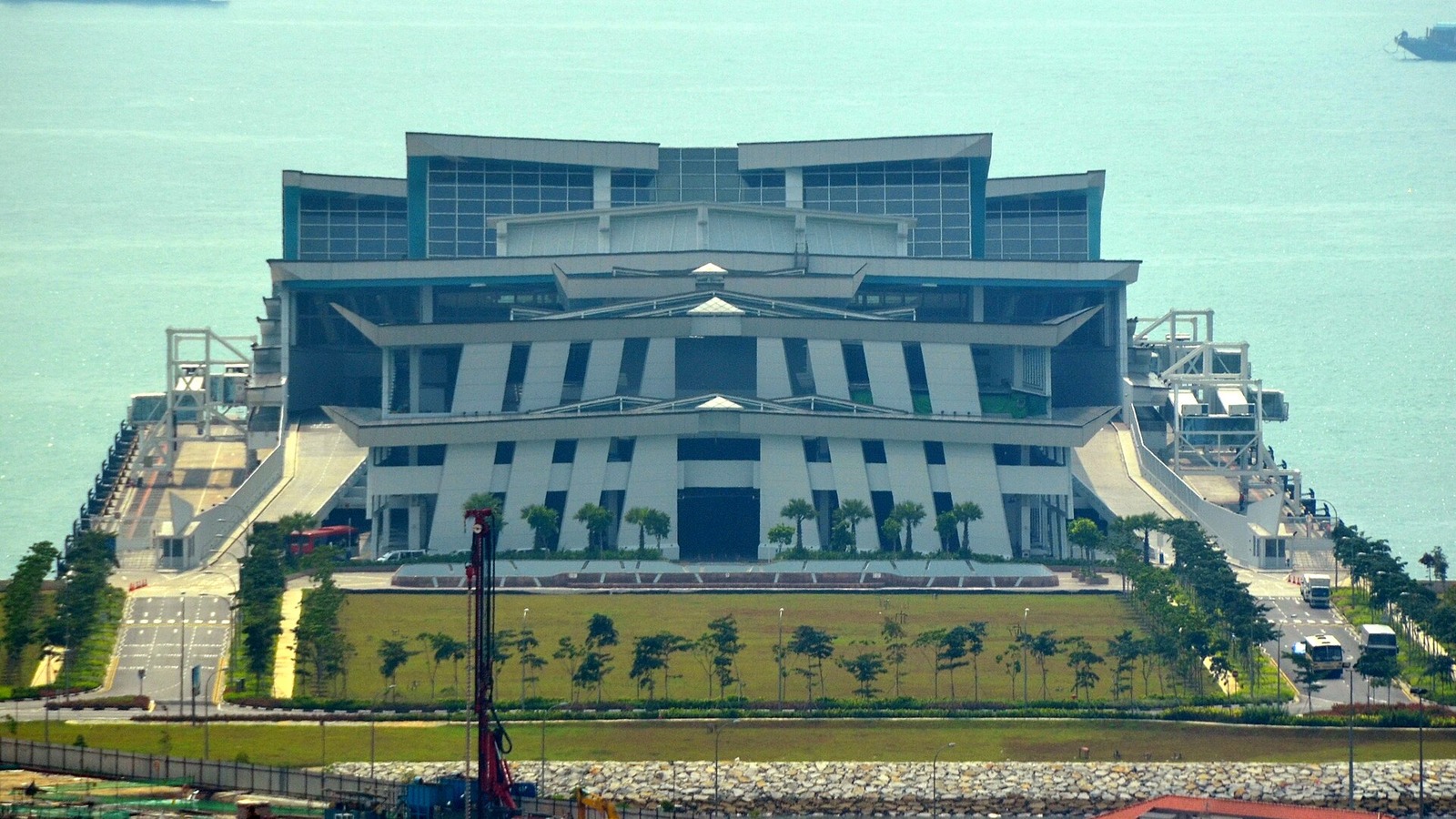
Yokohama has several facilities that receive cruise ships, so the pier name is more useful than the city name alone. Luminara used Shinko Pier for the October 9 call. Travelers should match that location against their final embarkation documents before arranging a taxi, hotel transfer or luggage delivery.
The same city schedule showed other October ships at Osanbashi and Daikoku Pier. Those terminals are not interchangeable. Following signs for another vessel or entering a generic Yokohama cruise terminal in a map can create an unnecessary transfer on embarkation morning.
The published 7 p.m. departure is a port schedule time, not a passenger check-in deadline. Guests must use the earlier reporting window on their own documents. Anyone joining by special arrangement at another port should obtain written confirmation rather than infer boarding access from the public route.
The Voyage Ends in Tokyo, Not Back at Shinko Pier
The October 9 itinerary begins in Yokohama but ends in Tokyo on October 19. That difference changes the post-cruise transfer. A roundtrip label used broadly for the Tokyo region should not replace the exact terminal and city on the final confirmation.
The route includes three sea days and seven named port visits between embarkation and arrival. Kobe is scheduled for a long day, while Kagoshima has a shorter listed call. Travelers planning independent excursions should compare the exact arrival and departure window for each date.
Busan creates the international portion of the itinerary. Entry requirements vary by nationality, passport and travel history, so the port list does not establish one universal visa answer. Check official government guidance and the operator’s passenger instructions.
| If you are… | Plan for |
|---|---|
| Embarking in Yokohama | Use the Shinko Pier and check-in details in the final documents. |
| Booking a Kobe evening | Verify the current all-aboard time before committing to a late reservation. |
| Taking a private tour | Choose a refundable option with margin before the ship’s deadline. |
| Flying after arrival | Build the transfer from the assigned Tokyo terminal on October 19. |
Port-Heavy Days Reward Advance Choices
Kobe, Hiroshima, Fukuoka, Nagasaki and Kagoshima each offer more choices than a single call can cover. Travelers should choose one primary goal for shorter days rather than stack distant attractions. Rail travel can be efficient, but the return plan must account for station transfers and the walk back to the terminal.
A late published departure in Kobe can expand dinner options, although an itinerary time can still change. Check the onboard program before leaving the yacht and keep the ship’s emergency contact details available offline.
For Busan, decide whether the priority is a city experience, a market visit or a longer excursion. Crossing an international border adds another layer to timing. A private booking should clearly state where it meets passengers and how it handles a delayed arrival.
Maiden-Call Events Do Not Change Guest Rules
A first port call may include a welcome ceremony or exchange between port and ship representatives. It is a milestone for the destination, but it does not create public access to secure areas or guarantee that passengers can attend every ceremonial moment.
Travelers should follow crew directions at the terminal and onboard. The port announcement confirms the call and its significance, while the cruise operator controls passenger movement, boarding and shore access.
The label also does not mean Luminara is new to all Japanese ports. The precise fact is that this was its first Yokohama call. Keeping that boundary avoids turning a local milestone into an unsupported claim about the yacht’s entire Asia history.
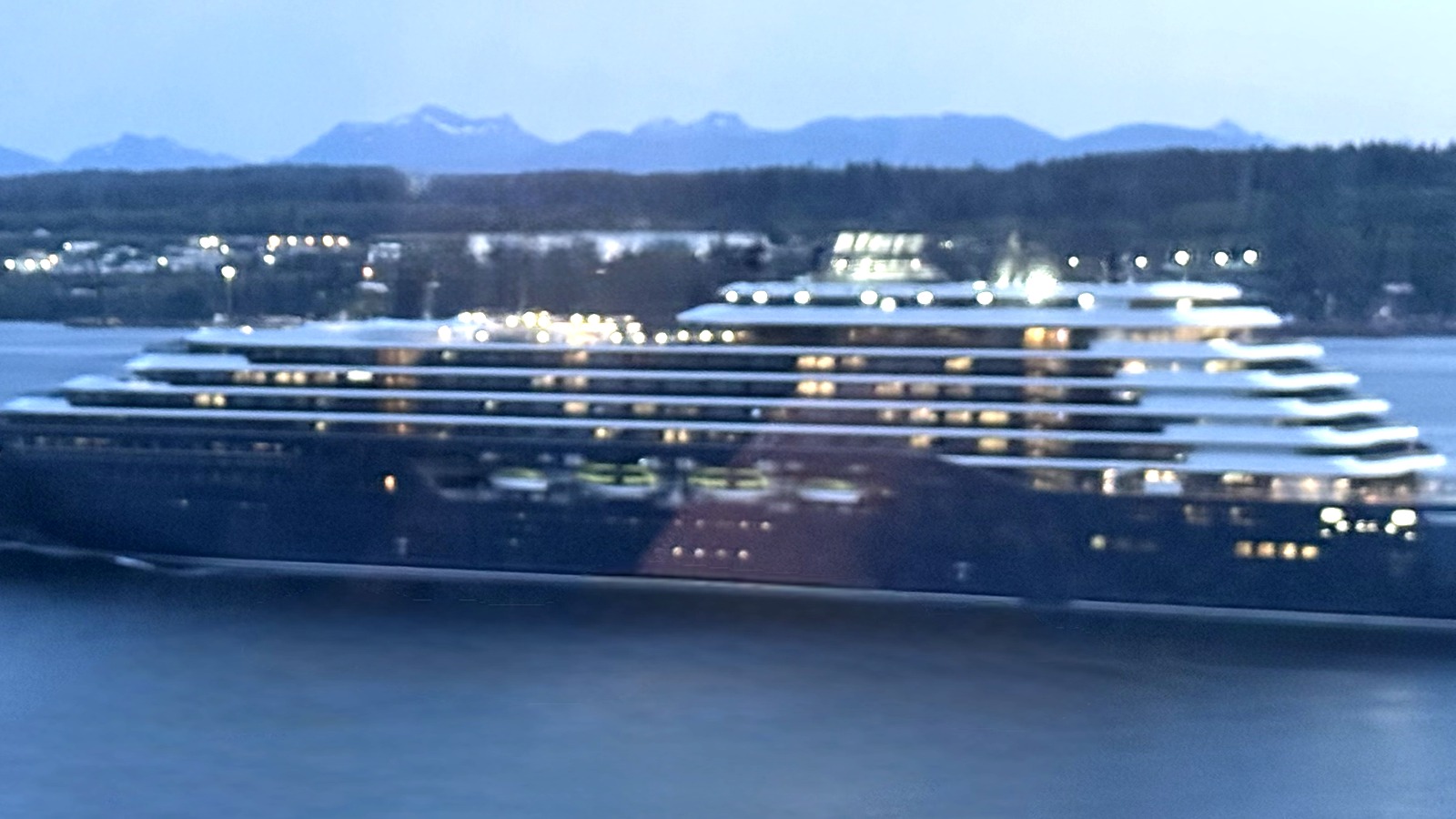
The Featured Image Shows the Exact Yacht in 2026
The featured photograph shows Luminara sailing in the Bellingham to Ketchikan waterway on July 19, 2026. It is a recent exact-vessel identity image, captured less than three months before the Yokohama event.
It does not depict the October 9 port call or conditions in Yokohama. The wide final crop keeps the yacht’s full profile and distinctive superstructure readable on desktop and mobile.
Start correctly: Use Shinko Pier and the check-in time in the booking documents.
Finish correctly: Arrange the October 19 transfer from the named Tokyo terminal.
Protect port days: Recheck all-aboard times before independent excursions.
When did Luminara first call at Yokohama?
Yokohama records the maiden call on October 9, 2026.
Which pier did Luminara use?
The city’s cruise schedule lists Shinko Pier for the October 9 visit.
Where does the voyage end?
The 10-night itinerary ends in Tokyo on October 19, 2026.
Does the featured image show Yokohama?
No. It shows Luminara in July 2026 and is used as a recent exact-yacht identity image.
Image Credits
- Lead Photo
Chimster123 · CC BY-SA 4.0 · cropped, adjusted