Monday morning is a checkpoint, not a green light for a dip. Los Angeles County’s rain advisory tells beach users to avoid all water contact until at least 8 a.m. PDT on October 26, 2026, and officials can extend it if more rain falls.
That leaves Sunday swimming off the itinerary and makes an early Monday beach stop a look, not a splash. You do not necessarily need to scrap your Los Angeles day: our Los Angeles activity guide can help you replace the water portion with a museum or neighborhood stop rather than turning the day into a cross-city scramble.
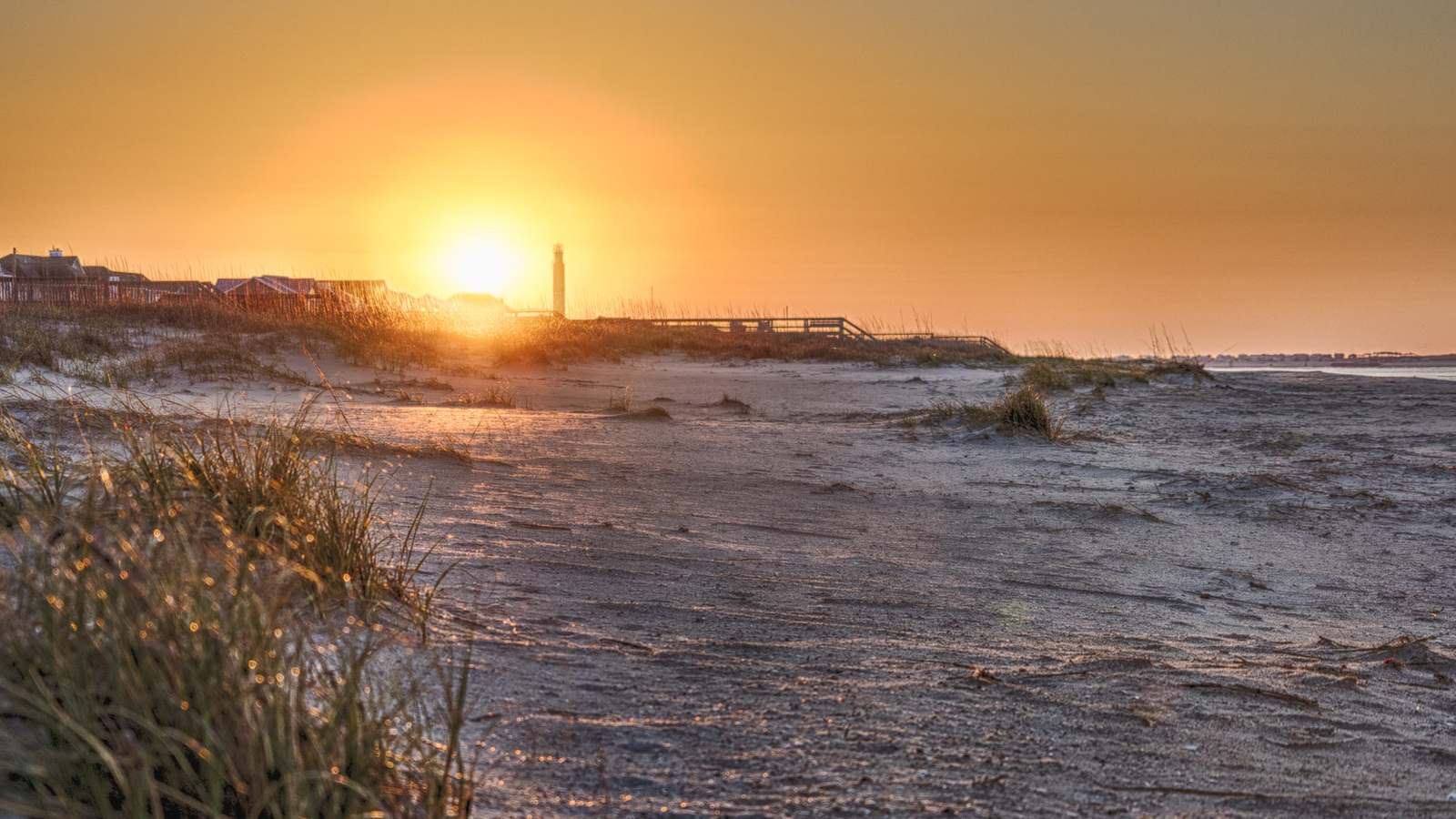
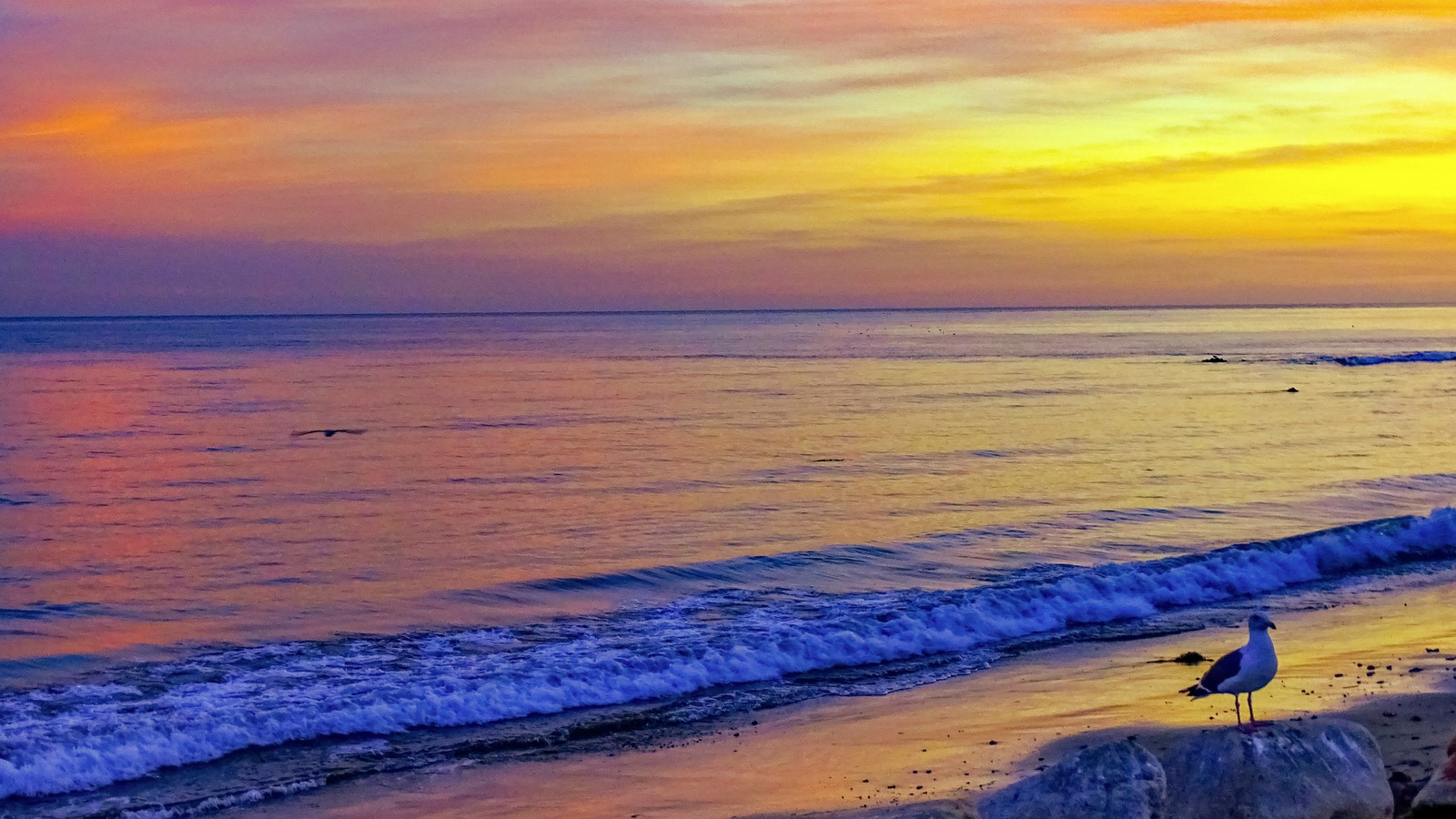
The photograph shows Paradise Cove in Malibu on December 2, 2023. It is historical Los Angeles County coastal scenery, not a view of this week’s rainfall or current water quality.
- Where: The rain advisory covers all Los Angeles County beaches.
- Minimum window: Through 8 a.m. PDT Monday, October 26; an extension remains possible.
- What to avoid: Ocean and bay water contact, including runoff flowing or pooling on sand.
- Next check: The county’s live beach page, posted warnings and 1-800-525-5662.
Monday Is a Checkpoint, Not a Clearance
The county’s October 23 extension moved the minimum end of the rain advisory to Monday morning. Its wording matters: at least 8 a.m., not a promise that swimming becomes advisable as the clock changes.
The current county beach-water page still lists that extension. It also retains the earlier October 21 announcement, which had pointed to Saturday, October 24, at 3 p.m.; if that older time is in your saved plans, it has been superseded by the extension.
Quadratín California’s October 23 report by José Luengo also identifies Monday’s minimum end and the possibility of further extension. This is a rainfall and runoff warning, not a new claim that the county has measured unsafe water at every individual beach.
For a Monday outing, check the latest official status before leaving rather than simply setting an alarm for 8 a.m. If officials extend the advisory, move the water activity again; a hotel checkout, tour reservation or last vacation morning does not change the health instruction.
The Warning Covers More Than a Swim
The instruction is to avoid all water contact. That includes the ocean and bay, with particular caution around discharging storm drains, creeks and rivers, and the runoff that flows onto or ponds on beach sand.
A shallow paddle or a walk through a runoff channel is therefore not a clever workaround. If the plan involves putting feet in the water, it still involves contact; keep children out of pooled runoff rather than treating it as a separate, safer place to play.
The county explains that rain can carry bacteria, chemicals, debris and trash from streets and mountain areas into recreational waters. Its advisory is about what runoff can bring to the shore, so a pretty ocean view or a break in the clouds does not answer the water-quality question.
Officials say rain advisories remain in effect for 72 hours after rainfall ends, and further rain can extend the window. Use the county’s current instruction rather than calculating a personal three-day countdown from the last shower you happened to notice.
| Your plan | Better next move |
|---|---|
| Swim on Sunday | Replace the water activity. |
| Visit before 8 a.m. Monday | Keep out of the water. |
| Swim later on Monday | Check for clearance or an extension first. |
| Walk near beach runoff | Avoid flowing or pooled water. |
Keep the Day, Change the Water Plan
A county-wide water-contact advisory is not an announcement that every beach entrance, promenade, parking lot or business is closed. The distinction gives visitors some room to reshape a day, but it does not establish that any particular access point or walking route is open.
If a coastal visit still appeals, first check the destination’s local instructions and keep the plan out of the water and away from runoff. A shore view and a meal can be a different outing from the swim you originally booked time for.
For a family whose main goal was water play, a sightseeing stop may not be an equal substitute. Decide that before loading the car: choose a genuinely different activity the group wants, and check its actual opening or reservation requirements rather than arriving with no replacement plan.
Changing beaches within the same county does not remove a county-wide advisory. Nor does this report establish that the next county’s water is unaffected; any alternative swimming destination needs its own current official check, not an assumption based on a line on the map.
Where to Look Before Getting Back In
The county beach page carries the current rain-advisory message and an interactive map of water-quality sampling locations. Those are related tools, not identical signals: the broad rain advisory and a location-specific warning or closure should both be considered when checking a beach.
The department says the map is updated as conditions change and that posted signs and its telephone hotline also notify the public about water-quality problems. You can call 1-800-525-5662 for recorded beach-condition information rather than relying on an old screenshot of a map marker.
Once at the shore, read the actual signs before approaching the water. The useful question for Monday is not whether the calendar has reached October 26, but whether the current advisory and instructions for your chosen location support the activity you intend to do.
Sunday: Replace swimming and other water-contact plans.
Monday: Treat 8 a.m. as the earliest listed boundary, not guaranteed clearance.
At the beach: Keep runoff and posted local warnings in the decision.
Can you swim at Los Angeles County beaches on October 26?
The advisory runs until at least 8 a.m. PDT that Monday and may be extended. Check current county guidance before returning to the water.
Are all Los Angeles County beaches physically closed?
The rain advisory directs people to avoid water contact; it does not announce a blanket closure of every beach entrance or facility. Check local access instructions.
Does the warning include runoff on the sand?
Yes. The county specifically includes runoff that flows onto or ponds on beach sand, especially near storm drains, creeks and rivers.
Where can you check the latest beach-water status?
Use the Los Angeles County Public Health beach page and current posted warnings, or call the recorded beach-conditions hotline at 1-800-525-5662.
Image Credits
- Lead Photo
Malibu sunset · Amy V. Miller · CC BY-SA 2.0 · cropped, adjusted