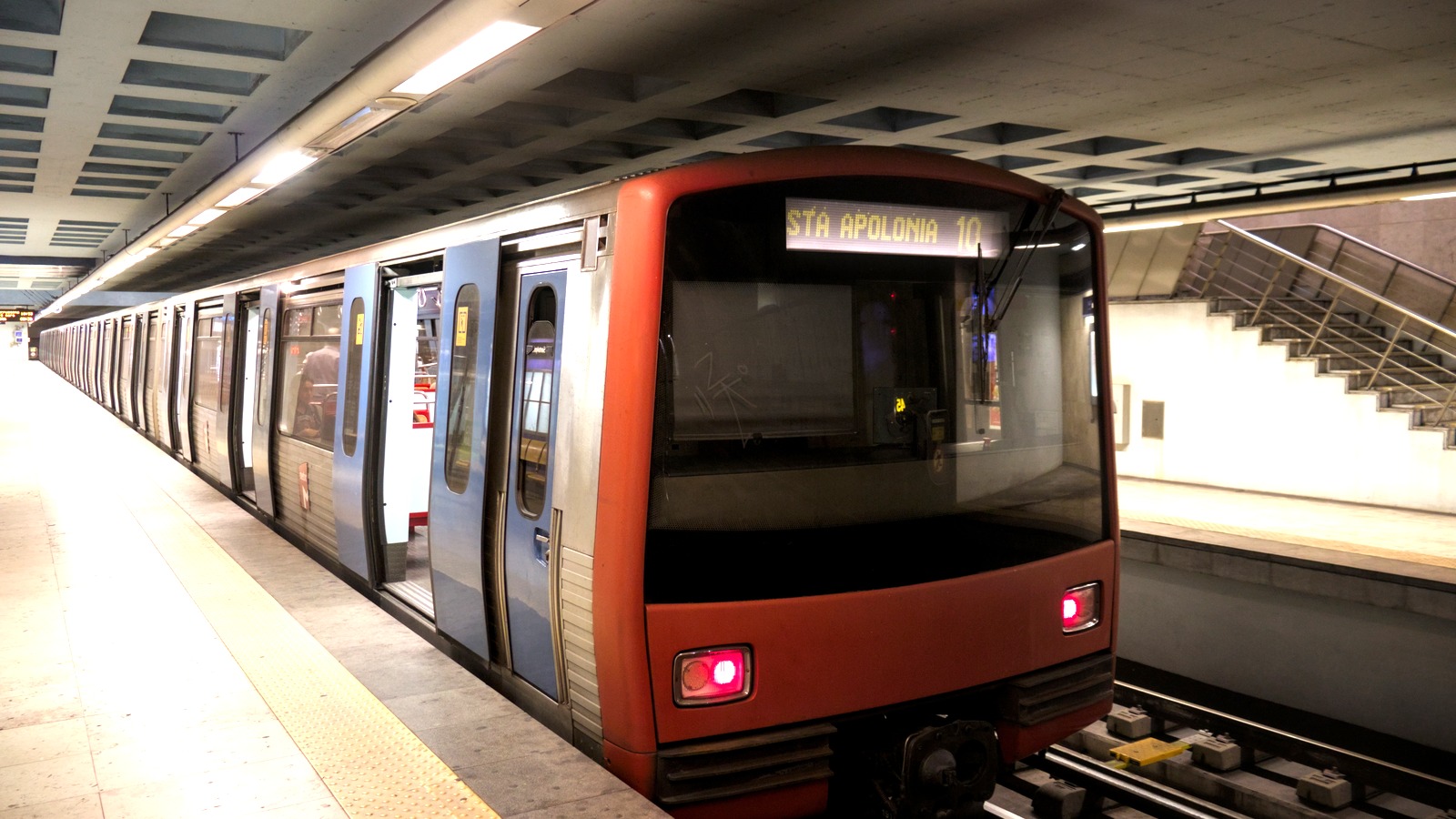
Lisbon Metro is expected to stop running and close its stations on Wednesday, October 14, 2026, because of a 24 hour strike. The operator says service will resume at 6:30 a.m. Thursday, October 15, so the useful backup plan is one that works without a Metro train, not one that depends on catching a reduced service.
A Lisbon day does not have to disappear with the underground connection, but its geography may need a rethink. Use our Lisbon neighborhood guide to understand what is near your base, then check the actual route for anything farther away; a hotel described as convenient for the Metro has a different advantage during a station closure.
- Affected day: Wednesday, October 14, 2026.
- Operator warning: Transport suspension and station closures are expected.
- Planned return: 6:30 a.m. Thursday, October 15, Lisbon local time.
- Minimum train service: Observador reports that none was ordered.
- Immediate decision: Confirm a route that does not require entering a Metro station.
The strike clock is not the reopening clock
The operator’s October 13 notice expects both a suspension of transport and closure of stations. Its wording is a service warning rather than a report from an already completed stoppage, and it gives 6:30 a.m. October 15 as the return time.
Observador’s October 13 reporting puts the strike itself between 5 a.m. Wednesday and 5 a.m. Thursday. That does not make 5 a.m. Thursday a train departure: the operator’s stated passenger service restart is 90 minutes later, at 6:30 a.m.
For an early Thursday appointment, that distinction matters more than the phrase “24 hour strike.” Keep the journey planned without Metro if it falls before the announced reopening, and check the operator’s current notice before relying on the first morning service.
Minimum safety staffing does not mean passenger trains
Observador reports that six union organizations called the stoppage and that an arbitration decision did not impose minimum train circulation. It separately describes staffing required for safety and equipment preservation; those functions should not be mistaken for a limited passenger timetable.
The newspaper describes a continuing dispute over staffing, recruitment, training and work schedules, while management says an earlier agreement is being implemented and disputes the need for the strike. Those are the parties’ positions, not a reason for travelers to assume the closure will quietly turn into normal service.
The practical consequence is simple: a plan built around “surely some trains will run” is not supported by the current notice. Treat another mode as a separate journey to verify, with its own boarding place, departure time and route.
Build the Wednesday around one workable travel area
The easiest question to answer first is not which substitute vehicle to take, but which commitments really require a cross city journey. Mark the fixed appointment or timed admission, then compare it with your accommodation and the rest of the day’s stops before choosing a replacement route.
Central walking may suit some visitors, but a nearby destination on a map is not automatically an easy walk for someone managing hills, luggage or reduced mobility. Lisbon’s neighborhood choices involve those tradeoffs even on an ordinary day; the strike makes it worth checking them before setting off rather than at a closed entrance.
If a bus, tram, taxi or other surface journey suits your trip, verify that option directly rather than treating this Metro notice as a guarantee of its availability. The announcement does not provide a replacement bus timetable, an extra service promise or a fixed fare for another operator.
Check the pickup and the return journey together
A substitute route is only useful if it starts where you can actually board. Before leaving your hotel, establish the stop or pickup address and the destination, especially if a saved itinerary still begins inside a Metro station. Ask your accommodation or chosen provider to confirm arrangements that are specific to your journey.
Then check the way back, not just the outward leg. An evening return on Wednesday remains within the affected day, while an early Thursday return may still precede 6:30 a.m.; these are different calendar situations, but neither supports relying on the normal underground route.
The operator’s notice is the place to look for a changed service warning. If it changes, use the new operating information for your trip rather than a screenshot of this advance plan. No particular wait time, compensation entitlement or guaranteed connection is established by the notice reviewed.
| Your plan | What to change |
|---|---|
| Metro journey on Wednesday, October 14 | Arrange a separately confirmed alternative; station closures are expected. |
| Travel at 5 a.m. Thursday, October 15 | Do not equate the strike’s end with reopening. Passenger service is announced for 6:30 a.m. |
| Several sightseeing areas in one day | Keep fixed bookings first, then consider grouping flexible stops near your base. |
| Surface transport or walking instead | Check boarding details, route suitability and the return leg rather than assuming a direct substitute. |
The missing shortcut is the Metro itself. Confirm Wednesday’s travel without it, and keep Thursday’s 6:30 a.m. planned reopening separate from the 5 a.m. end of the strike; those 90 minutes can decide whether an early trip works.
Will Lisbon Metro run during the October 14 strike?
The operator expects a suspension of transport and station closures on October 14. Observador reports no minimum train circulation was ordered.
When is Lisbon Metro scheduled to reopen?
The operator announces service will resume at 6:30 a.m. Thursday, October 15, Lisbon local time. Check its current notice before traveling.
Does the notice promise replacement buses?
No replacement bus timetable appears in the operator notice reviewed. Confirm any surface transport alternative separately, including its stop and return route.
Image Credits
- Lead Photo
Patrycja Rosa (ptrcnull) · CC BY 4.0 · cropped, adjusted