Lima’s emergency headline needs a second look before you rewrite the trip. Peru has extended the state of emergency in Metropolitan Lima and Callao for 60 calendar days from October 28, 2026, under a decree published October 25. Existing security measures continue, including rules for mass public events. The new decree does not announce a curfew or name a road or transit closure.
The distinction is extension versus shutdown. Infobae’s report by Jordan Arce describes police retaining control of internal order with military support. For visitors, the immediate job is checking a particular event or journey, not assuming that every booking has been canceled or that every street will operate without security checks.
If you are arranging a Lima sightseeing itinerary, keep the district and venue decisions separate. A city guide helps group the Historic Center, Miraflores or Barranco; it is not clearance for a particular event, access restriction or security operation.
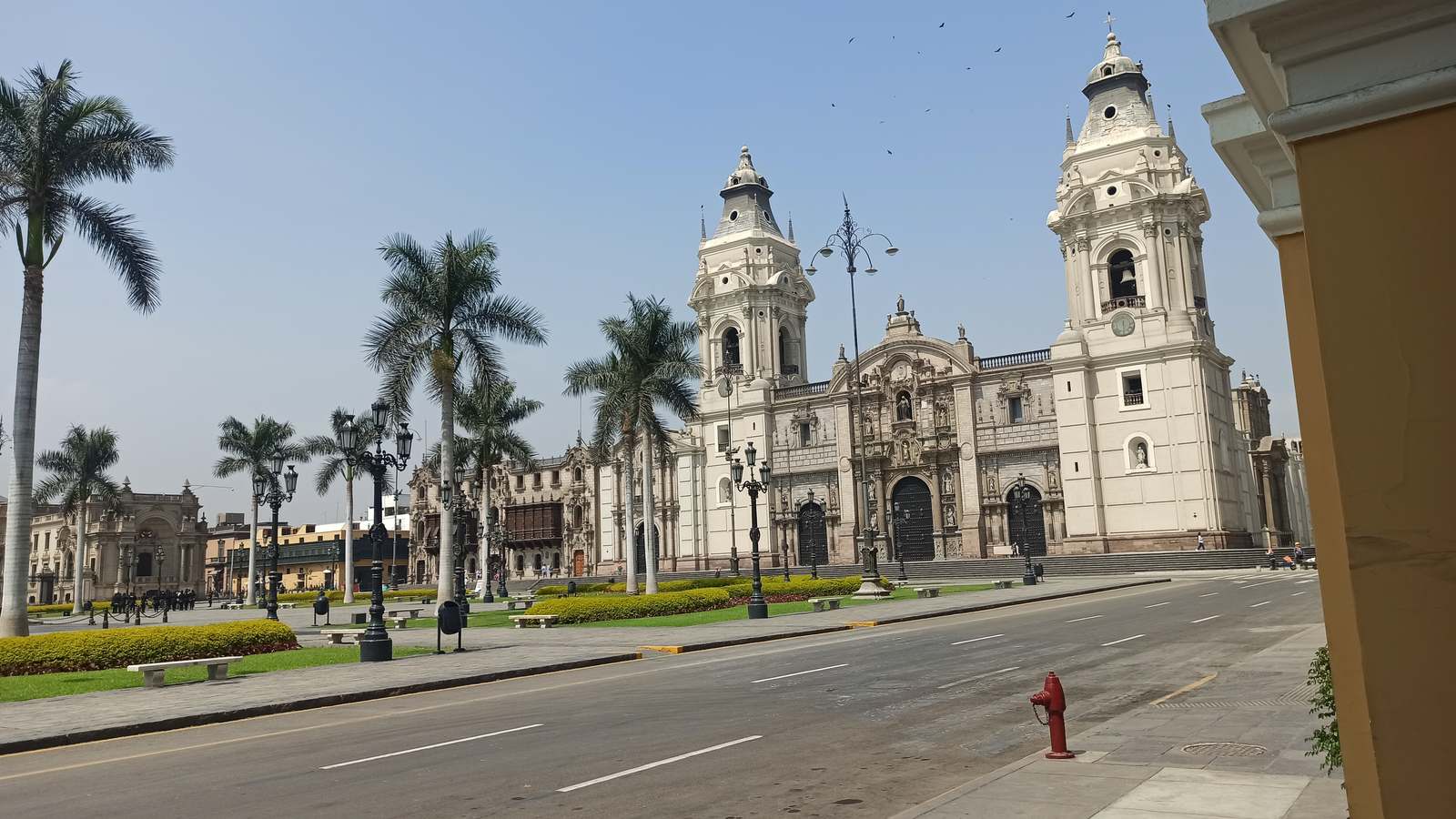
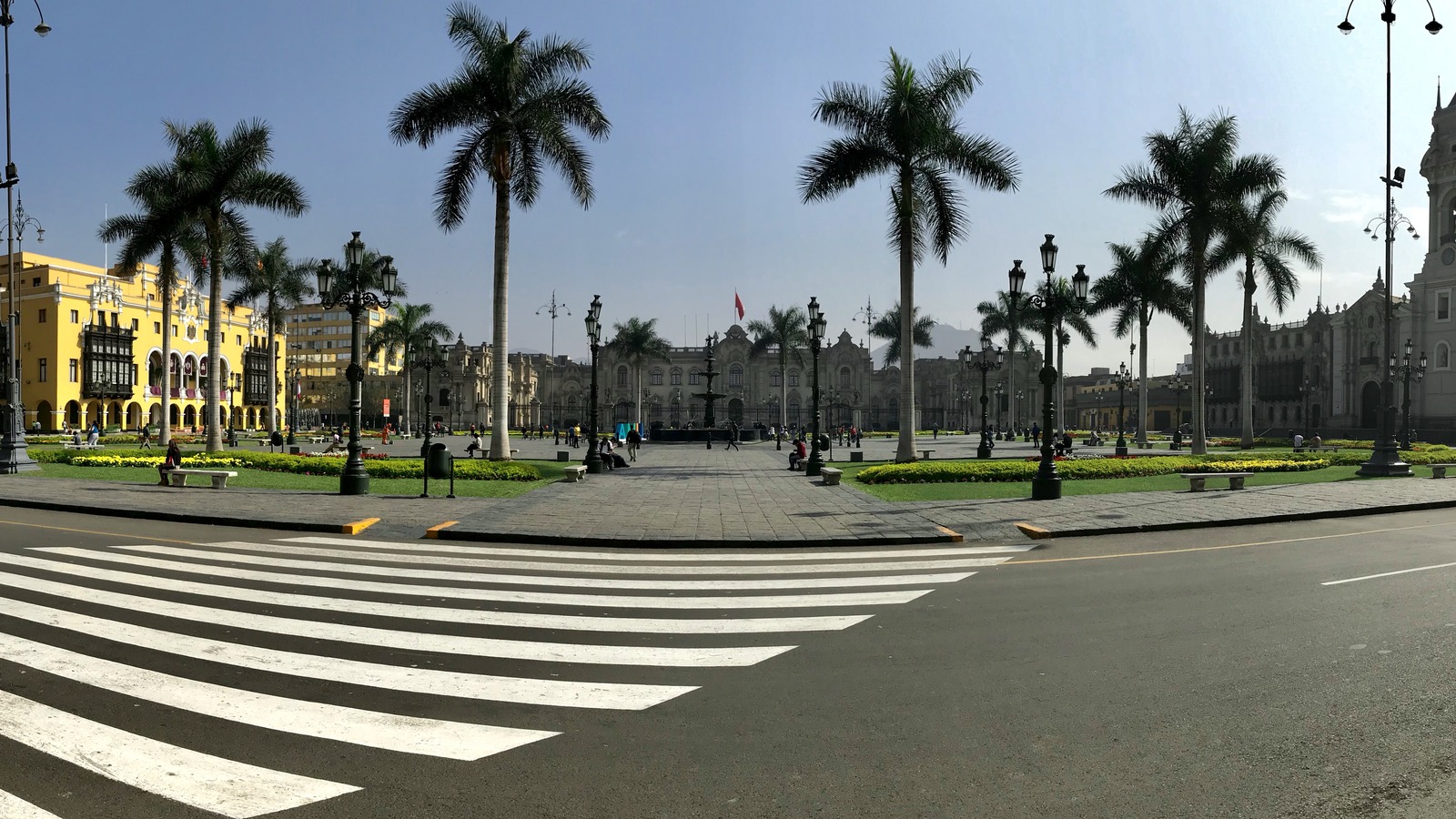
Archival November 2019 photograph of Plaza Mayor in Lima. It does not show October 2026 security operations, event permissions or current access conditions.
- Effective: A 60-day extension begins October 28, 2026.
- Where: Metropolitan Lima and the Constitutional Province of Callao.
- Events: Mass public activities continue to require permission from the competent authorities.
- Movement: Emergency powers and existing targeted security operations continue; the decree is not a list of current closures.
The New Date Extends Existing Measures
Supreme Decree 142-2026-PCM was signed October 23 and published October 25. Its first article extends the emergency regime established by Decree 123-2026-PCM. October 28 is the start of the renewed 60-day period, not the first day Lima has been under these measures.
The stated reason is persistent criminal activity and violence, including homicide, contract killings and extortion. That is the government’s explanation for continuing the regime, not evidence that a particular visitor district has just suffered a new incident. The decree does not provide a tourist-area risk ranking or a street-by-street security map.
Police determine intervention zones using intelligence, indicators, statistics and crime maps. The text also adds a dedicated joint police and armed-forces organized-crime command. That organizational change is not an announced new timetable for travelers or a promise of where security teams will be on a given afternoon.
A Concert Ticket Is Not the Permission Check
Article 2.2 continues the requirement to seek permission for religious, cultural, sporting and other activities that are both mass and public. Activities without a mass character may take place without prior permission under that clause. This is a continuation of the earlier decree’s rule, not a newly announced October ban on all gatherings.
For a ticketed public event, ask the organizer whether the event has the required authorization and whether its date, venue and admission arrangements remain unchanged. A ticket confirms a purchase; it does not independently establish the event’s regulatory status. Keep the organizer’s current notice with the booking details.
Do not turn that check into a blanket museum, restaurant or tour cancellation. The decree does not identify a list of canceled visitor activities, and it does not say that every ordinary outing requires an individual visitor permit. If a particular activity’s classification is unclear, the organizer or competent authority is the place to resolve it.
Identity Checks Are Part of the Continuing Regime
The extension expressly preserves several provisions of the original August decree. Its operational measures include identity checks on public roads and public and private transport, as well as targeted patrols and temporary command posts in designated areas. These are continuing measures, not newly observed checkpoints reported from the street.
The original provisions identify transport stops, Metro stations, markets and shopping centers among locations where designated patrols may operate. That does not establish that every station or market has a checkpoint, nor does it establish a universal extra-minute allowance for a journey. Check the actual route and operator information close to departure.
For a booked transfer, confirm the pickup point and timing with the provider, and ask about current access instructions for the destination. If identification requirements are unclear for your circumstances, seek current official guidance rather than assuming a photograph or copy will meet every requirement. This report is not individual immigration or legal advice.
No Curfew Announcement Is Not an All-Clear
The new decree applies emergency authority concerning movement, assembly, the home, and personal liberty and security in the named jurisdictions. It does not announce a curfew or a named road or transit closure. That narrow finding is not a guarantee that no separate local order or operational restriction can affect a trip.
Use the dated decree for the regime’s scope and your venue, transport provider and current official notices for a particular outing. Neither a dramatic headline nor an old photograph can tell you that a road is closed today. Equally, the absence of a closure list in this decree is not proof of unrestricted access everywhere.
| Your Situation | Next Check |
|---|---|
| Ticket for a mass public event | Ask the organizer about authorization and current admission arrangements. |
| Booked local transfer | Confirm pickup, timing and current access instructions. |
| Ordinary sightseeing plan | Check the actual venue, not a presumed citywide shutdown. |
| Unclear identity requirements | Consult current official guidance for your circumstances. |
Before October 28: Recheck public-event bookings that fall in the renewed period.
Before each outing: Use current venue and transport notices. The extension describes legal and operational measures, not a live closure map.
When does the Lima emergency extension start?
October 28, 2026, for 60 calendar days under Decree 142-2026-PCM, published October 25. It extends an existing regime.
Does the new decree announce a curfew?
No curfew is announced in Decree 142. That is not a guarantee against separate local orders or access restrictions; check current official notices.
Are all public events canceled?
No blanket cancellation list is announced. Mass public activities require permission; confirm a particular event’s authorization and status with its organizer.
Can identity checks affect local transport?
The carried operational provisions include identity checks on public roads and public and private transport. They do not identify a checkpoint on every route or a universal delay estimate.