The air traffic controller said stop ten times. The fire truck kept moving.
That sequence, captured on radio recordings from LaGuardia Airport late Sunday night, is now the center of a federal investigation into how two pilots were killed on a runway in Queens while 72 passengers sat behind them.
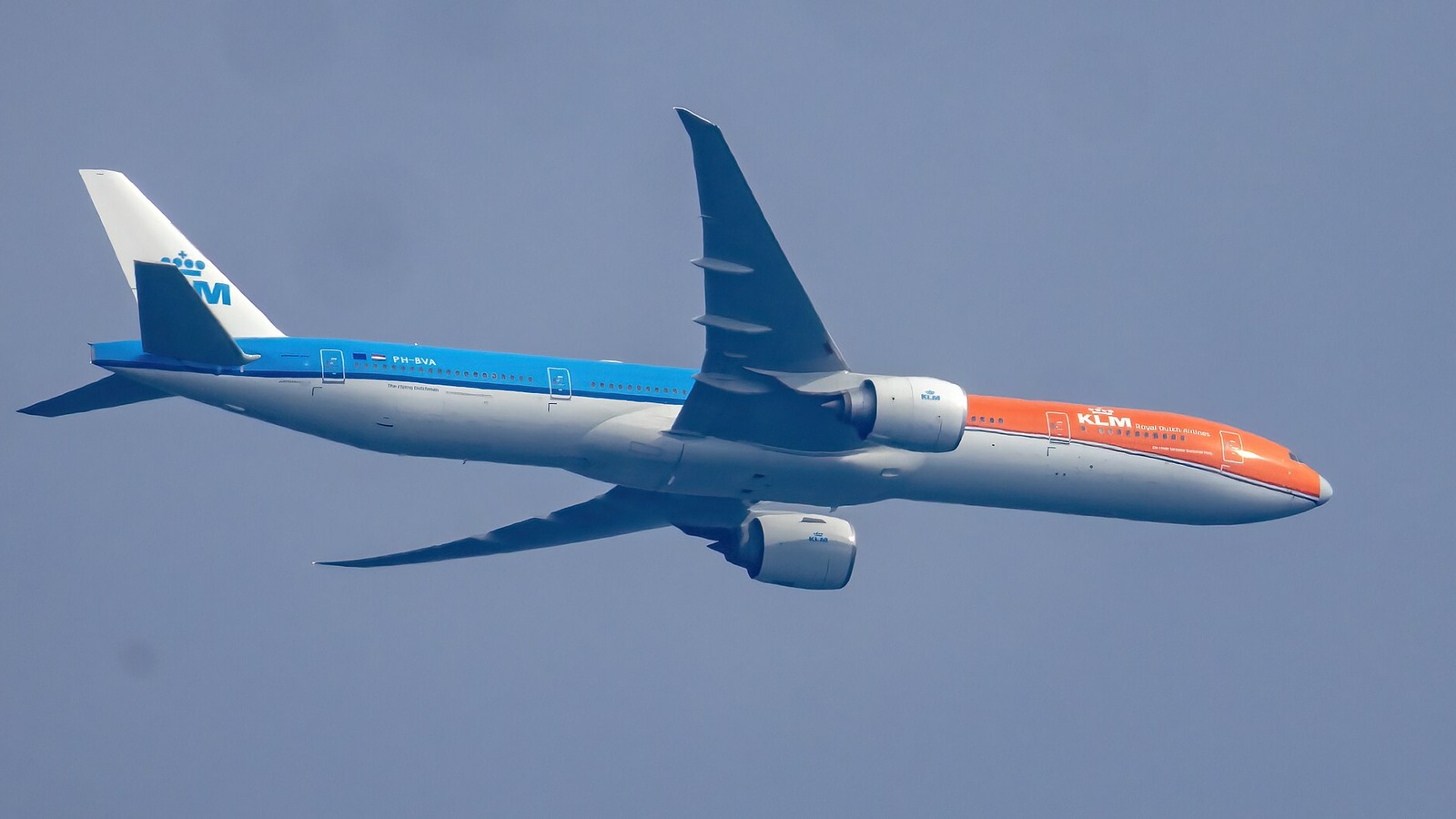
Air Canada Express Flight 8646, a Bombardier CRJ-900 operated by Jazz Aviation, had just touched down on Runway 4 after a one-hour flight from Montreal. It was 11:38 p.m. The plane was decelerating when it struck a Port Authority Aircraft Rescue and Firefighting vehicle crossing the same runway. The impact destroyed the nose of the aircraft, killed the pilot and co-pilot, and sent 39 passengers and two firefighters to area hospitals.
The fire truck, according to the Port Authority of New York and New Jersey, had been cleared to cross Runway 4 at taxiway Delta. It was responding to a separate emergency: a United Airlines flight that had aborted takeoff after crew members reported a strange odor in the cockpit. That clearance was granted by the same controller handling arrivals on the runway.
Seconds later, the controller reversed course. The recordings capture his voice shifting from routine to desperate. But the truck was already in the path of the incoming jet, and the CRJ-900 was already on the ground, rolling at speed.
One Controller, Two Emergencies, One Runway
The operational setup that night was not unusual. FAA rules allow tower positions to be combined during periods of lower traffic, and late-evening shifts at LaGuardia routinely consolidate responsibilities. A single controller can manage both runway operations and ground vehicle movements under those conditions.
But the context surrounding this particular shift was anything but routine. According to Newsweek’s analysis of the incident, the controller was simultaneously coordinating a standard arrival sequence and an active ground emergency when the fire truck was cleared onto the runway. That combination compressed the available margin for error into something close to zero.
Investigators from the National Transportation Safety Board arrived at the scene early Monday morning. Chair Jennifer Homendy is serving as the on-scene spokesperson. The NTSB will examine controller workload, the timing and sequencing of radio transmissions, weather conditions (light rain and fog were reported in the area), and whether LaGuardia’s ground traffic management systems flagged any conflict before it was too late.
Two controllers have reportedly been placed on administrative leave. The FAA is sending a separate team to support the investigation.
An Airport Built for a Different Era
LaGuardia opened in 1939. Families used to visit on weekends just to watch planes take off from its skyway observation deck. It was named after Fiorello LaGuardia, the mayor who championed its construction, and within a year of opening it was the busiest airport in the world.
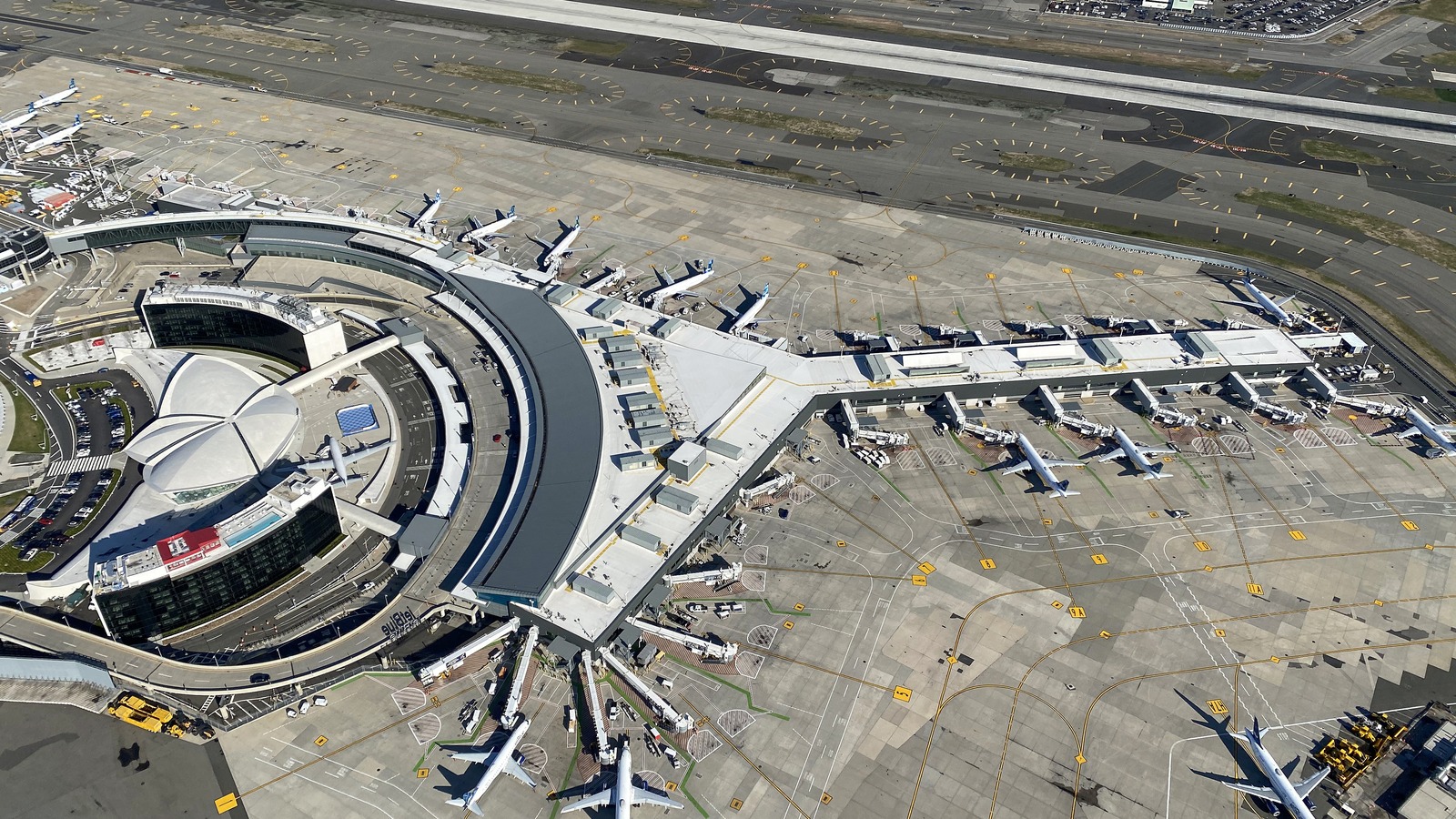
The decades were not kind. By the 2000s, the terminal was cramped, the delays were chronic, and Joe Biden famously compared the experience to visiting a developing country. An $8 billion rebuild, completed in phases through 2022, replaced the aging terminals with modern concourses, pedestrian skybridges, and two miles of new taxiways.
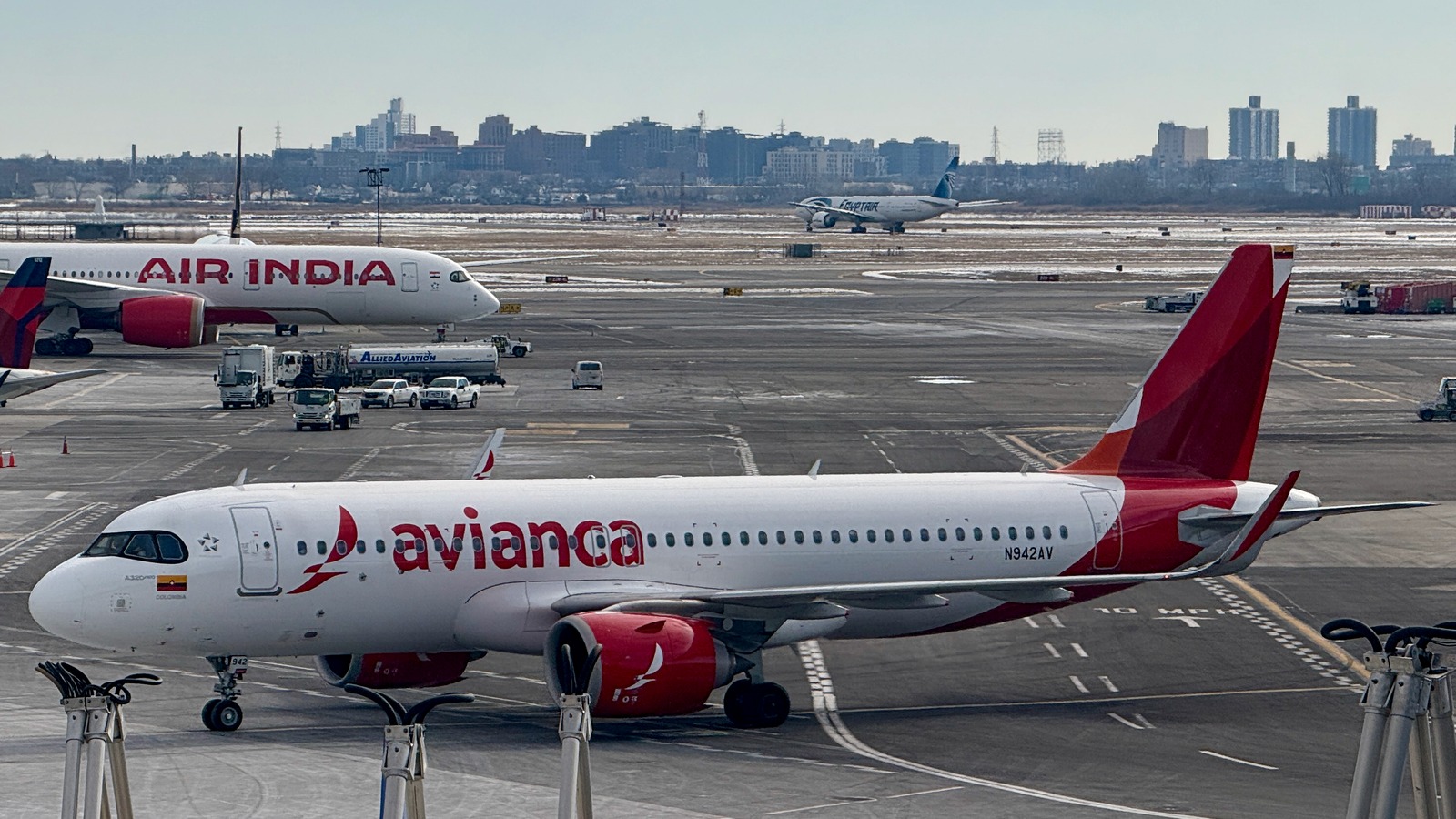
The terminals are new. The runways are not. LaGuardia sits on 650 acres wedged between the Grand Central Parkway and the East River, with no room to expand the airfield itself. Its two runways are short by major airport standards. Its taxiway geometry is tight. And its physical constraints mean that vehicles and aircraft share space in ways that larger airports can spread out.
Those constraints are a known factor in aviation safety planning. A CBC News report on the collision noted that the FAA logged 97 runway incursions nationally in January 2026 alone. The rate is improving compared to last year, but incursions remain a persistent category of risk, especially at airports where geometry forces close encounters between ground traffic and active runways.
The Pattern Behind the Collision
What happened at LaGuardia is rare but not without precedent. In November 2022, a LATAM Peru Airbus A320 struck a fire truck during its takeoff roll at Jorge Chavez International Airport in Lima. Three firefighters were killed. That investigation found a catastrophic breakdown in communication between air traffic control and emergency responders conducting a drill. The fire crew believed their drill clearance included permission to cross the active runway. It did not.
Two weeks before the LaGuardia collision, a United Airlines Boeing 737 struck a de-icing vehicle at Denver International Airport, injuring the vehicle operator. That incident is also under investigation.
The common thread is not mechanical failure. It is the moment when two authorized activities, each following its own protocol, occupy the same physical space at the same time. NPR’s reporting on the LaGuardia crash described the controller’s distress after the collision, noting he continued to direct traffic while clearly shaken. The system asks people to be perfect in conditions that make perfection difficult.
The NTSB typically produces a preliminary report within weeks, with a final report targeted for 12 to 24 months. For context, the board published its final report on the January 2025 midair collision near Reagan National Airport, which killed 67 people, just last month.
What Travelers Need to Know Right Now
LaGuardia is closed until at least 2 p.m. Monday, and the FAA has flagged a high probability that the closure will be extended. About 540 flights had already been cancelled by Monday morning. Arriving flights are being diverted to JFK and Newark, both of which are absorbing overflow traffic and experiencing their own delays.
This is hitting travelers at the worst possible moment. The airport closure lands in the middle of the DHS government shutdown, which has left TSA officers working without pay for over a month. More than 300 screeners have quit since the funding lapse began on February 14. Call-out rates at some airports have exceeded 50 percent. Passengers at LaGuardia were already reporting three-hour security waits before the collision shut the airport entirely.
Travelers rerouted to JFK and Newark should expect packed terminals and longer waits at those airports as well. Anyone with flights through LaGuardia this week should check directly with their airline and build significant buffer time into any connection. ICE agents are expected to deploy to several major airports on Monday to assist with crowd management, though they are not trained for security screening roles.
The collision itself is now in the hands of the NTSB. The questions it raises about controller workload, emergency vehicle coordination, and the physical limits of constrained airports will take months to answer. But for the travelers who were on that plane, and for the families of the two pilots who did not survive, the answers needed to come sooner than the system could deliver them.