Seven Tokyo and Tohoku area railways said on October 13, 2026 that they will replace magnetic paper tickets with QR code tickets starting in spring 2027, according to a joint notice hosted by Tobu Railway. The group is JR East, Keisei, Keikyu, Tobu, Tokyo Monorail, Hokuso Railway and Sendai Airport Transit.
The change matters to visitors who buy single-trip paper tickets at vending machines instead of tapping a Suica or PASMO card. The tickets stay available, but they will be larger, they will carry a QR code instead of a magnetic strip, and they work differently at the gate. Pay by IC card or phone and nothing changes.
- Start: spring 2027 for the seven announcing railways, with later operators named once decided.
- Coverage: all lines and stations of the seven, though gate equipment varies by station.
- Ticket size: most QR tickets are 57.5 by 85 millimeters, up from the current 30 by 57.5 millimeters.
- Gate use: hold the code over the reader to enter and to exit, then drop the ticket in the collection box.
Seven Railways Set Spring 2027 Start
The companies say the switch supports sustainable service, while they keep expanding ticketless options built around Suica, PASMO, Mobile Suica and Mobile PASMO. Which other railways join from fiscal 2027 onward will be announced by each company once decided.
The group also said it is coordinating with other operators that share through-service lines, so a trip that crosses from one railway onto another should not be left without a ticket plan. Details on how that coordination will work, and any change to other ticket products, are still to come.
How a QR Ticket Works at the Gate
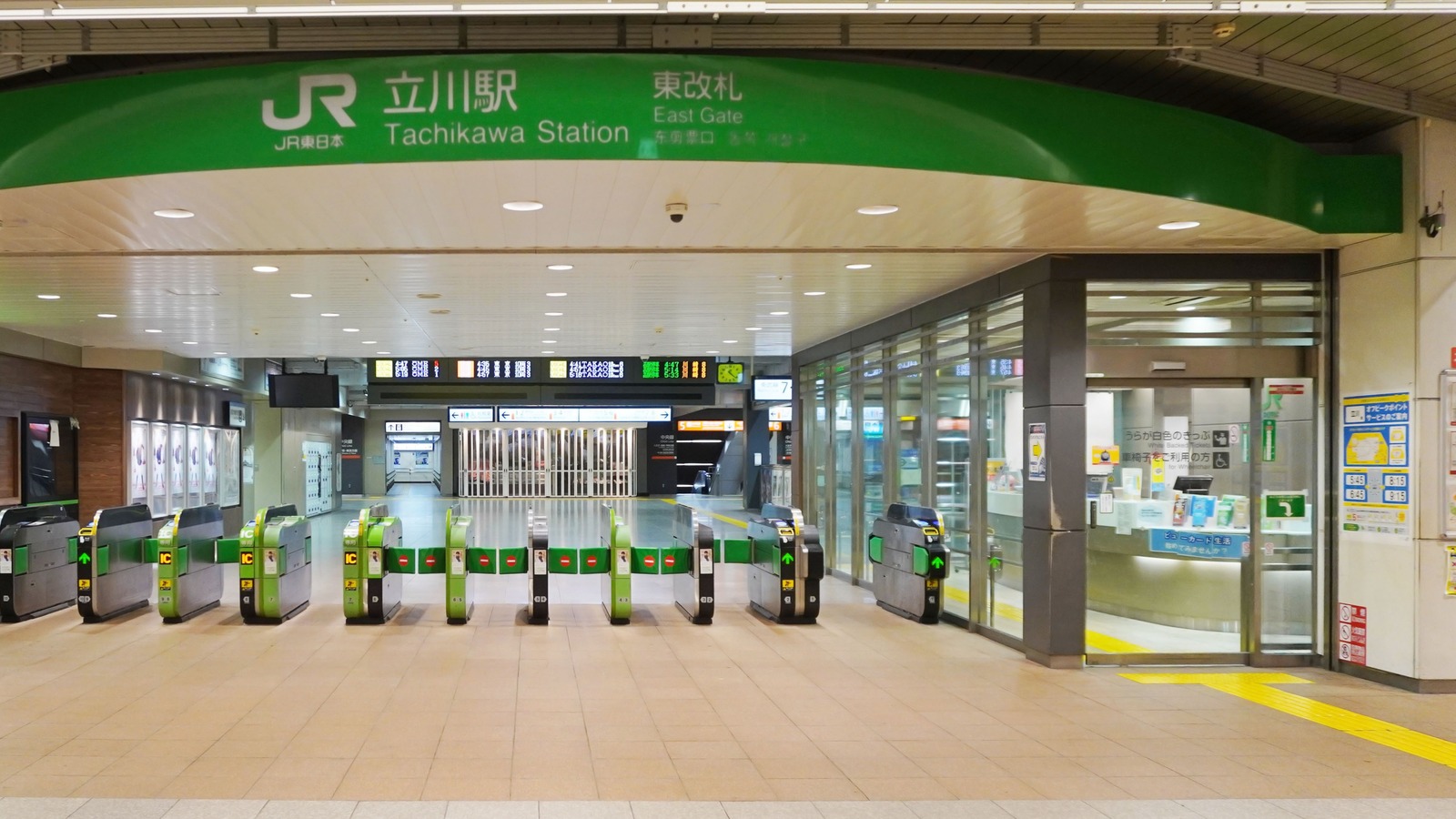
Buying stays the same, since tickets still come from vending machines. At entry, the passenger holds the QR portion over the gate reader instead of feeding the ticket into a slot. At exit, the ticket is scanned again and then dropped into a collection box on the gate.
Not every station will have gates that read QR codes. At stations without them, passengers will need to use the staffed ticket window, and the railways say details will follow. SoraNews24 reported that in practice travelers may need to show the ticket to a station employee at the gate.
JR East Long-Distance Tickets Are Not Included
For JR East, the QR format replaces the short-distance ticket, issued on orange paper. A JR East spokesperson told the Japanese rail site Tetsudo.com that long-distance tickets, issued on light blue paper for trips such as Tokyo to Osaka, are outside this change.
SoraNews24 added that the seven companies together cover rail access to both Haneda and Narita airports, so airport transfers are where many visitors will notice the new ticket first. JR East estimates its current ticket stock produces about 160 metric tons of waste a year, and the new format also removes the magnetic backing that needs special treatment for disposal.
Jams and Recycling Drive the Change
Tetsudo.com reported that gates built for magnetic tickets carry a risk of ticket jams, and that recycling used tickets requires separating and disposing of the magnetic material. Replacing the strip with a printed code is meant to remove both problems.
SoraNews24 noted a longer-term saving as well: one code format lets railways line up paper tickets with their smartphone ticketing and removes moving parts from gate machines. The notice points back to a May 29, 2024 announcement by eight railways that first set out the move away from magnetic tickets.
| If you… | What to do |
|---|---|
| Travel with a Suica, PASMO or phone wallet | Nothing changes for how you tap through the gate. |
| Travel before spring 2027 | The switch begins in spring 2027, so it does not affect a trip taken earlier. |
| Buy paper tickets after the switch | Expect a larger QR ticket, and hold it over the reader at entry and exit. |
| Arrive at a station without a QR gate | Use the staffed window and wait for each railway to publish its instructions. |
Spring 2027 is the first gate. The seven railways begin QR ticket service, and each should publish its own start details before then.
Fiscal 2027 onward is the second gate. Operators that start later will be named by each company once decided, so check the railway you use.
Souvenir tickets disappear with the switch. SoraNews24 noted that rail fans who want a magnetic ticket as a keepsake may want to keep one before the change.
Which railways are switching to QR tickets in 2027?
JR East, Keisei, Keikyu, Tobu, Tokyo Monorail, Hokuso Railway and Sendai Airport Transit, according to their joint notice of October 13, 2026.
Do I need a new Suica or PASMO card?
No. The notice describes the QR ticket as a replacement for magnetic paper tickets, and IC cards and mobile wallets remain a separate way to ride.
Will my ticket still go into a gate slot?
Not at entry. You hold the QR code over the reader, and at exit you scan it and then drop it into the collection box on the gate.
Does this cover long-distance JR East tickets?
No, according to a JR East spokesperson quoted by Tetsudo.com. The QR ticket replaces the short-distance ticket, not the long-distance tickets issued on light blue paper.
Image Credits
- Lead Photo
Mister0124 · CC BY-SA 4.0 · cropped