The United States told its citizens on October 23, 2026 not to travel to Iran for any reason and urged Americans already inside the country to leave immediately where it is safe to do so. The US State Department advisory keeps Iran at Level 4 Do Not Travel, a rating unchanged since 2025, but sharpens the language around exit and detention risk as reported in October 2026 multi-government coverage.
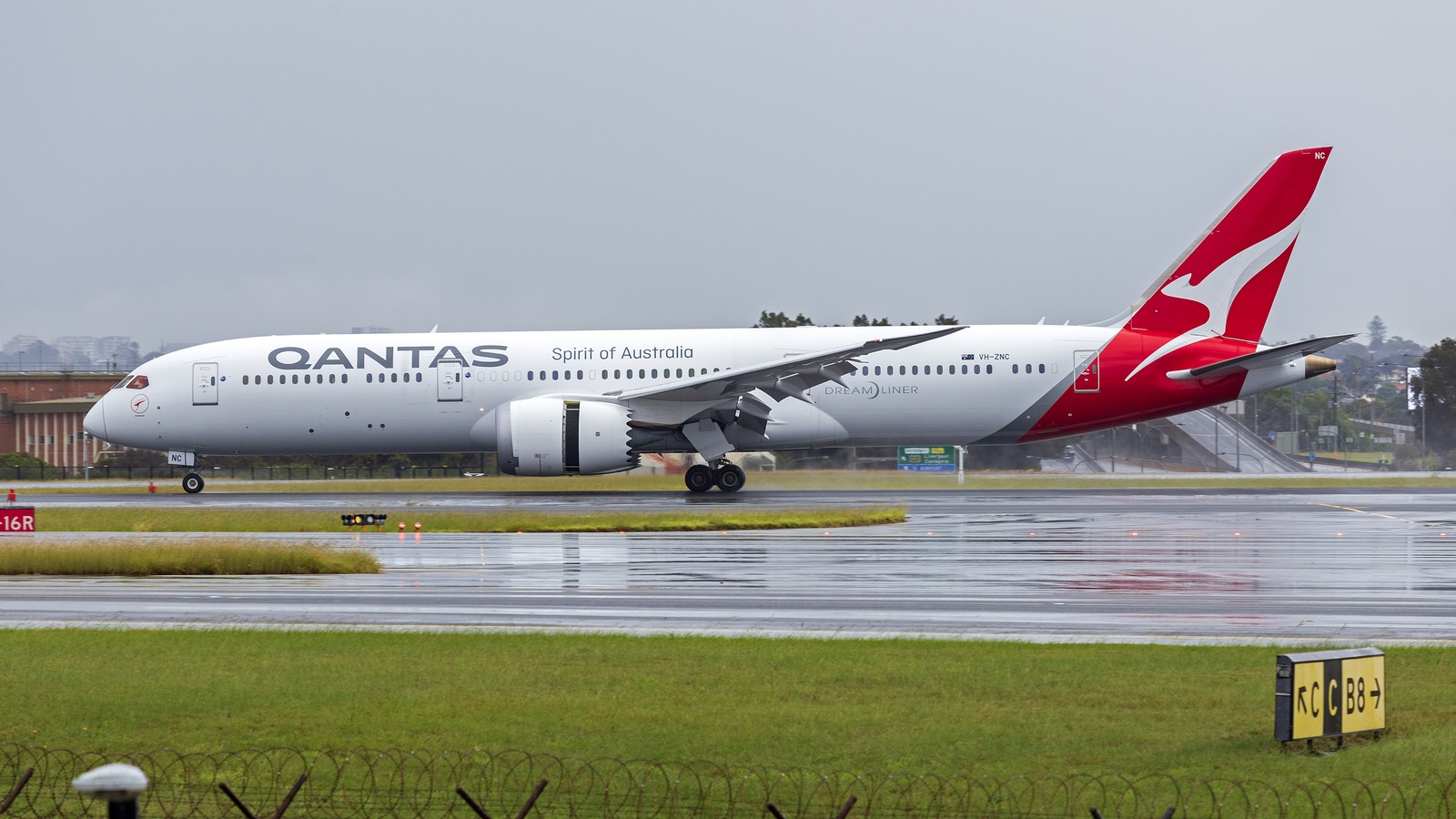
If Iran is anywhere in your plans, cancel or postpone the trip now and do not count on last minute flights, because some airlines have already suspended service and only limited commercial and overland routes remain. Deep Arrival reported that UAE carriers cancelled Iranian airline flights indefinitely, which shows how fast air access to Iran can close when pressure builds.
- What changed: The US updated its Iran travel advisory on October 23, 2026, holding Level 4 Do Not Travel and adding leave immediately wording for Americans inside the country.
- Who is affected: US citizens considering Iran travel, Americans now in Iran, and dual nationals who face exit bans, plus British, Canadian and Australian travelers under aligned warnings.
- Core risks cited: Terrorism, civil unrest, kidnapping, arbitrary arrest, torture and wrongful detention, with consular help routed through Switzerland and severely constrained.
- Flight reality: Some airlines have suspended Iran service, remaining schedules can change at short notice, and a live October 29 advisory tracker still lists Iran among 21 Level 4 countries.
- Traveler action: Do not book Iran travel now, and anyone inside the country should weigh safe departure options promptly while routes remain open.
October 23 Update Keeps Iran at Level 4
The October 23 revision does not create a new rating tier, since Iran has sat at Level 4 since 2025, but it rewrites the narrative around personal risk in unusually direct terms. Public State Department information now states that US citizens should not travel to Iran for any reason, a formulation that closes interpretive gaps for family visits, academic trips and business travel alike.
The advisory history matters for returning readers who recall earlier versions of the same warning. Earlier text stressed detention and security risk in general terms, while the October 2026 wording links those risks to armed attacks connected to Iran and its regional partners. That shift follows intelligence reporting about threats to US and allied interests across the wider Middle East this month.
Separate public coverage notes that Washington has reduced staffing at several embassies elsewhere in the region after threat assessments tied to Iran. For trip planners, the read is that officials see a wider regional security problem, not an isolated paperwork refresh.
Why Detention Risk Drives the Warning
Wrongful detention sits at the center of the October update, and the language targets ordinary traveler behavior that many visitors underestimate. Government travel advice notes that past detentions have followed photography of public buildings, organized tours, academic contacts and social media activity. Under local law, such conduct can be treated as political activism or espionage with severe consequences.
Dual nationals carry the heaviest exposure because Iranian authorities do not recognize dual nationality in practice. A traveler holding both Iranian and another citizenship may be treated solely as an Iranian citizen in detention and court matters, which limits how far a foreign government can intervene. Exit bans add a second trap, since a visitor who enters freely may later be barred from leaving.
The advisory also flags lengthy interrogations on national security grounds and restrictions on consular access. There is no US embassy in Iran, so emergency help runs through Swiss channels in Tehran and can slow sharply in a crisis. Anyone weighing travel for a wedding, funeral or family reunion should treat these passages as the decisive planning facts.
Flights and Airspace Face Severe Disruption
Air access is the most visible change for prospective visitors this month, with multiple governments describing suspended airline service and volatile surrounding airspace. Canadian advice records that some airlines have halted flights to and from Iran while only a limited set of commercial and overland routes keeps operating. Schedules that still exist can shift with little notice when security conditions move.
The October 25 detailed breakdown of the advisory describes missile, drone and reprisal attack risks affecting Iranian territory and nearby flight corridors. European airspace guidance has likewise urged caution around Iranian airspace at various points this year. Travelers should therefore plan for reroutes and cancellations even on itineraries that merely overfly the region.
Ground connectivity offers no reliable fallback, since nationwide internet shutdowns in January and March 2026 cut communications for extended periods. A visitor caught by a sudden deterioration could struggle to reach family, airlines or consular contacts in real time. Build a communications backup plan before any essential travel, and keep paper copies of bookings, contacts and identification.
What Dual Nationals and Families Should Do
Dual nationals and travelers with Iranian family ties should pause every nonessential trip until advisory levels fall and flight options stabilize. The October guidance introduces no new legal ban on travel, yet it states plainly that current conditions magnify long standing risks around arrest, detention and exit control. A family event that felt manageable last year faces a different risk calculation today.
Anyone already in Iran should review departure options now, checking flight and border crossing status daily and keeping luggage ready. Canadian guidance encourages travelers to leave where it is safe, while Australian guidance asks citizens to prioritize safety, monitor events and consider departure routes. Do not wait for a formal evacuation that may never come, since British advice warns that in person help or evacuation may prove impossible during serious unrest.
Review travel insurance wording before deciding anything, since many policies treat Level 4 as an exclusion trigger for medical and evacuation cover. Save the full advisory text, register with your home government traveler program, and share your itinerary with a contact outside the country.
Canada, Britain and Australia Match the US Position
The United States is not acting alone, since Britain, Canada, Australia, Germany and the Netherlands now use equivalent do not travel wording for all of Iran. The British Foreign Office advice updated on October 25, 2026 continues to advise against all travel and warns that government capacity to help nationals inside Iran is highly limited. That alignment turns the US update into a shared Western assessment rather than a single capital view.
Canada lists Iran as avoid all travel with an update recorded on October 13, 2026, citing volatile regional security, possible further strikes and very restricted consular access. Australia applies its highest do not travel rating, confirmed as current on October 26, 2026 and last substantively updated on September 2, 2026, describing an extremely volatile security environment with recent strikes inside Iran. Convergence across five advisory systems gives leisure travelers a clear signal to choose another destination.
Official safety sections also recall a major suicide bombing in Kerman in January 2024 that killed more than 80 people. Governments cite that history to explain why the current threat mix sits at the top of the scale, so keep Iran off the itinerary until official ratings genuinely fall.
| If you… | What to do |
|---|---|
| Hold a future Iran booking for late 2026 | Cancel or postpone now, since the October 23 Level 4 advisory voids many insurance policies and flights can suspend without notice. |
| Are an American now visiting Iran | Review safe commercial or overland departure options immediately and keep documents packed, because in person consular help may be unavailable. |
| Are a dual national planning a family visit | Delay the trip, since Iranian practice may treat you solely as an Iranian citizen and impose an exit ban during detention. |
| Only transit near Iranian airspace | Recheck your airline routing this week, because regional carriers adjust Middle East paths quickly when threat levels shift. |
October 23 advisory date is the first gate. Treat any Iran booking after that date as unprotected, and confirm refund or credit terms before the next payment milestone.
Airline schedule checks are the second gate. Verify that your carrier still serves Iranian airports or nearby hubs, and keep a backup routing that avoids the affected airspace.
Registration and insurance review is the third gate. Enroll in your government traveler program and confirm in writing whether medical and evacuation cover applies under Level 4 conditions.
Is it safe for Americans to travel to Iran right now?
No. The US updated its advisory on October 23, 2026 to Level 4 Do Not Travel, stating that citizens should not go for any reason and those inside should leave where safe.
Can dual US Iranian citizens still visit family in Iran?
They face heightened risk because Iran generally does not recognize dual nationality and may treat such visitors solely as Iranian citizens, including exit bans and limited consular access.
Are flights to Iran still operating in late October 2026?
Only limited options remain, since some airlines have suspended Iran service and schedules can change quickly, so verify flight and border status daily before any essential movement.
What should Americans inside Iran do under the new advisory?
They should assess safe departure choices promptly, monitor security news, keep travel documents ready, and contact protecting power channels early since direct US consular help is unavailable.
Image Credits
- Lead Photo
Amir Pashaei · CC BY-SA 4.0 · cropped