India launched a National Digital Tourism Stack on September 27, 2026, with the goal of making thousands of homestays, guides, attractions and local experiences easier to find across participating digital platforms. The Ministry of Tourism announced the system at Bharat Mandapam in New Delhi and said it is being developed with the Open Network for Digital Commerce, or ONDC.
The launch is a roadmap rather than an instant booking switch. Travelers planning India trips should keep using established booking and official attraction channels now, then watch for a pilot beginning in January 2027 and wider scaling from July 2027. Deep Arrival does not yet have a natural evergreen guide for this specific national booking infrastructure.
- Launch: India introduced the National Digital Tourism Stack on September 27, 2026.
- Pilot: The first phase intended for travelers is planned from January through June 2027.
- Expansion: National scaling is planned from July 2027 through the end of 2028.
- Target: The project aims to make 23,000 tourism experiences and homestays discoverable and bookable by the end of 2028.
The 2027 Pilot Comes Before Wider Booking Access
The Ministry of Tourism announcement describes the stack as shared digital infrastructure intended to make tourism offerings more discoverable, accessible and trustworthy. It is a collaboration involving the ministry, ONDC, the International Centre for DPI Innovation and Advancement, states, union territories and travel businesses.
That structure matters because the stack is not a single new consumer travel agency. The plan is to let smaller providers list services through interoperable systems so participating apps can find and present them. The official vision covers discovery, booking and payment while reducing paperwork, but travelers should not assume every homestay, guide or attraction has joined at launch.
Independent reporting by Skift places the pilot in January 2027 and the broader rollout in July 2027. Those dates create useful checkpoints, not guarantees that a particular supplier will appear on a particular app. Travelers should still confirm the provider, cancellation terms, taxes, location and payment recipient before completing a reservation.
What the 23,000 Listing Target Includes
The project targets 23,000 tourism experiences and homestays by the end of 2028. That number includes 14,000 experiences and 9,000 homestays, according to the launch material reported by Indian news outlets. More than 1,000 tourism experiences were already transacting on the ONDC Network, including 170 Archaeological Survey of India monuments and 29 museums.
The practical promise is broader distribution for inventory that can be difficult to locate or verify online. A small homestay or local guide could make one structured listing available to multiple participating services instead of maintaining separate listings everywhere. For a traveler, the benefit would be a larger, more comparable selection beyond major hotel brands and well-known attractions.
The government also describes an artificial intelligence front end and a long-term vision of one ticket and one pass. Those phrases do not mean one nationwide pass is available today. They describe the intended direction of the infrastructure, including credentials, standards, reviews and complaint handling that could help digital assistants interpret and book participating products later.
What Travelers Should Verify Before Booking
Travelers considering an unfamiliar provider should look for a complete business identity, exact location, included services, refund rules and a payment confirmation that names the merchant. A listing appearing through an ONDC-connected service should not replace normal checks on access, safety, transport and whether an experience is operating on the selected date.
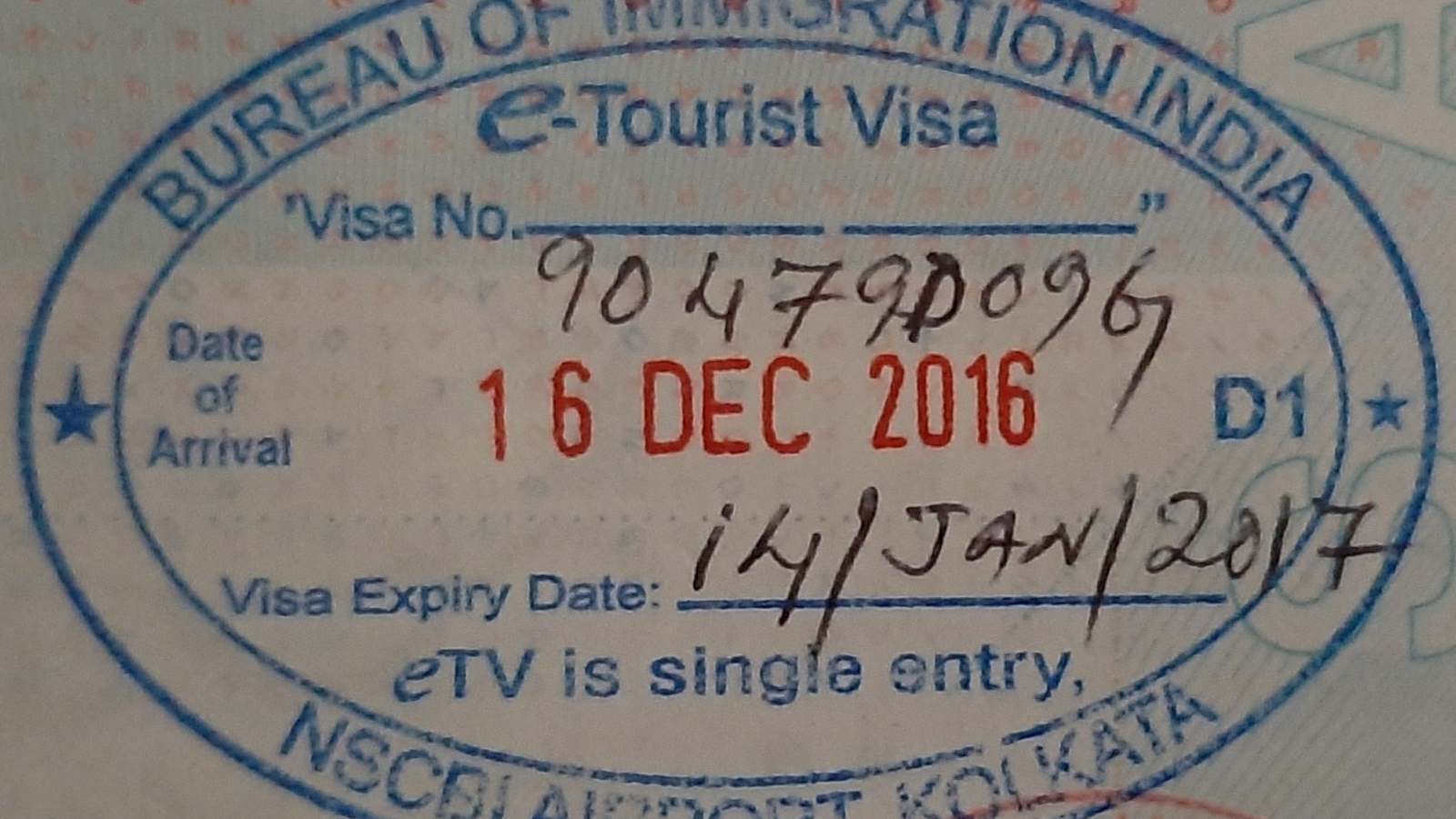
It is also important to separate distribution from the rest of an India trip. The stack may improve how a traveler discovers a local experience, but it does not replace visa requirements, rail or air reservations, local permits, destination access rules or travel insurance. Those remain separate decisions and can change on different schedules.
During the January 2027 pilot, the most useful test will be whether travelers can identify participating apps, see accurate availability and obtain consistent support when a booking changes. From July 2027, travelers can watch whether coverage expands beyond the pilot and whether the same provider details appear reliably across multiple connected services.
Now through December 2026 is the preparation period. Use existing official and established booking channels, and do not treat the launch announcement as proof that a specific provider is already bookable through the stack.
January through June 2027 is the planned pilot. Check which consumer apps are participating, compare the displayed terms and retain the provider and payment records for any booking.
July 2027 begins the planned scaling phase. Recheck availability for smaller homestays and experiences, while continuing to verify visas, transport and local access separately.
The Launch Does Not Solve Every India Trip Friction
The stack addresses fragmented discovery and distribution. It cannot by itself improve flight connectivity, shorten visa processing, resolve safety concerns or guarantee service quality. Skift noted those limits in its analysis, and they are important when deciding how much weight to give a newly visible listing. More inventory is useful only when descriptions, credentials, availability and support remain dependable.
For travelers, the clearest takeaway is timing. The National Digital Tourism Stack has been launched, but its meaningful consumer test starts with the 2027 pilot. Anyone booking before then should use current channels. Anyone traveling later can treat participating platforms as an additional discovery and booking option, not a substitute for verifying each part of the trip.
Image Credits
- Lead Photo
DesiBoy101 · CC BY 4.0 · cropped, adjusted