India’s government will be able to step in on airline ticket prices during an “extraordinary situation” from Jan. 1, 2027, under new aviation rules notified on Oct. 31, 2026, Gulf News reports. Airlines must also show passengers a full breakdown of what they pay.
The rules, called the Bharatiya Vayuyan Niyam, 2026, do not set a permanent cap on fares, according to Gulf News and Free Press Journal. Our Air India guide covers India’s flag carrier and its fares.
- Rules: Bharatiya Vayuyan Niyam, 2026.
- Notified: Oct. 31, 2026.
- Fare powers: From Jan. 1, 2027, in extraordinary situations.
- No permanent cap: Airlines still set fares.
- New: Full fare breakdown at booking and on tickets.
Government Powers in an Extraordinary Situation
Under Rule 192, the central government can give airlines written directions on fares if it believes an extraordinary situation has arisen and intervention is in the public interest, Free Press Journal reports. Any such directions must be proportionate and last only for a specified period.
The rules give no examples of an extraordinary situation, so how often the government will use the power, and on which routes, is not yet clear.
The rules do not define what counts as an extraordinary situation, Gulf News notes. In normal conditions, airlines keep setting prices based on costs, demand and market conditions, without prior approval for individual fares.
India deregulated airfares in 1994, and the Civil Aviation Ministry says airlines generally price by demand, operating costs and how far ahead passengers book, using different fare bands, Free Press Journal reports.
The older Aircraft Rules of 1937 let the regulator act against excessive or predatory pricing. The new Rule 192 keeps fare monitoring but does not list those practices as grounds for intervention, the outlet notes.
A Clearer Fare Breakdown
Airlines must show the total amount payable during booking and on the ticket. They must also list separately the base fare, government taxes, airline fees, cancellation charges, refund conditions and other charges, both outlets report.
The rules distinguish between taxes paid to the government and fees airlines collect for services. Airlines must publish their fares on their websites and other digital platforms and file tariff details with the Directorate General of Civil Aviation, which will monitor them.
Court Pressure Over High Fares
The rules follow concern over high airfares as crude oil and jet fuel prices stay elevated, and Supreme Court proceedings over allegedly arbitrary and excessive fares, Gulf News reports. On Oct. 16, Solicitor General Tushar Mehta told the court the rules had administrative approval and would be published within two weeks, and the court asked the government to submit the notified rules by Nov. 16.
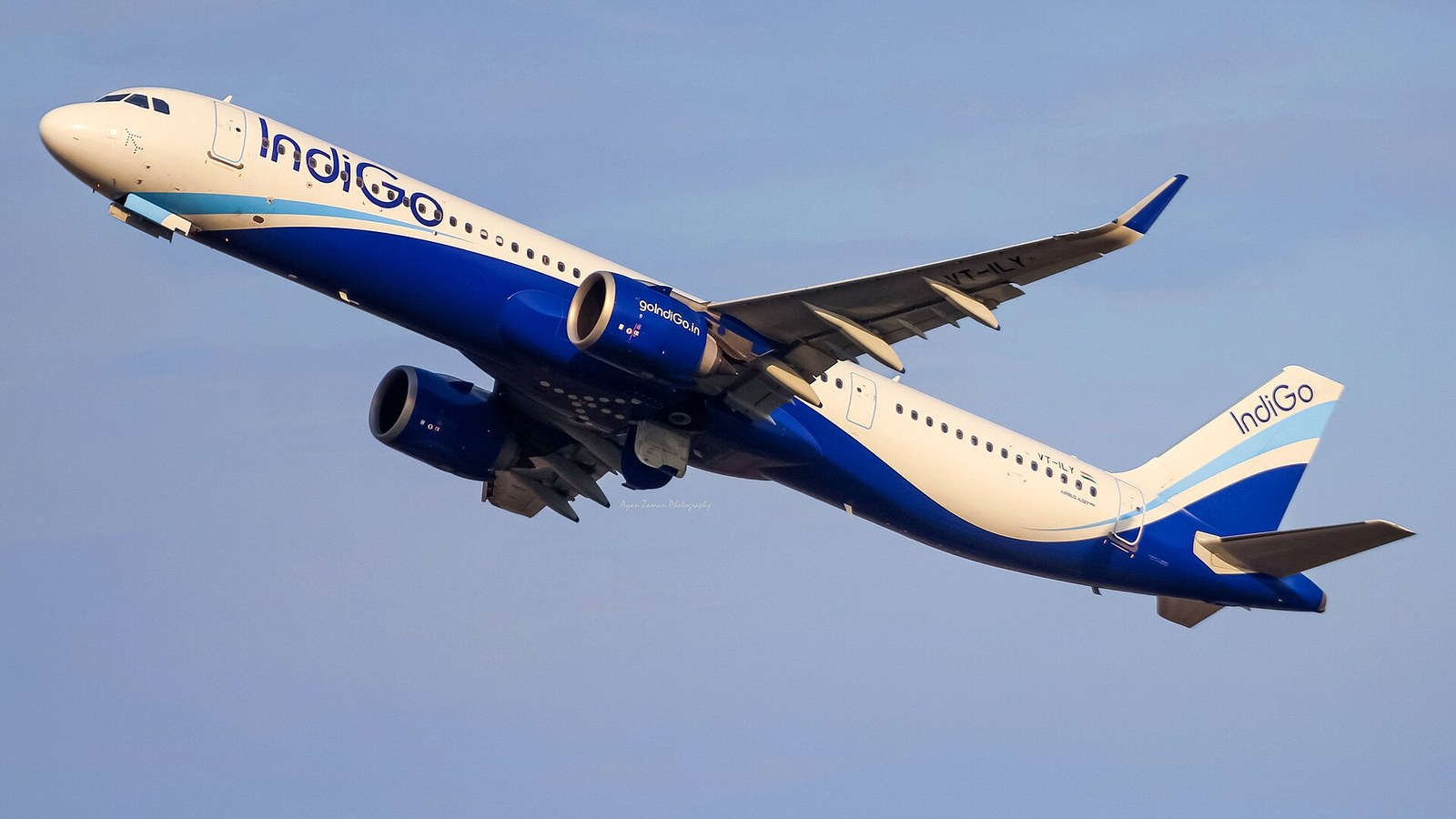
Indian airlines raised fuel charges in October. We covered IndiGo’s fuel surcharge and the Air India and Akasa increases.
Plan Your India Flights
Nothing changes for fares right away. Airlines still set prices, and the government’s new power applies only in extraordinary situations from Jan. 1, 2027, so book as you normally would.
Use the breakdown to compare fares. When the new display rules apply, check the base fare, taxes and airline fees separately, since the cheapest base fare does not always mean the lowest total.
Read the cancellation charges and refund terms before you pay. The rules require airlines to show them, so you can choose a more flexible fare if your plans might change.
Check fuel charges too. Airlines can still adjust fuel-related charges as costs change, and those appear in the breakdown alongside the base fare.
Book holiday peaks early. Fares on busy routes usually climb as departure nears, and the new rules do not stop normal demand-based pricing.
If you live outside India and fly home often, for example from the Gulf, watch for any government action during peak travel seasons, when fares on those routes tend to jump.
Keep screenshots of the fare breakdown at booking, in case the price or charges differ later.
What It Means for Travelers From the U.S.
Americans flying within India or on Indian airlines will see clearer fare breakdowns. Our IndiGo guide covers India’s largest domestic airline. U.S. citizens need a visa or e-visa to visit India.
| If you… | What to do |
|---|---|
| Book Indian flights now | No change; compare as usual. |
| Compare fares | Look at the total, not the base fare. |
| Might change plans | Check cancellation charges first. |
| Travel at peak times | Book early. |
No fare cap. Airlines still set prices.
Emergency powers. From Jan. 1, 2027.
Clearer tickets. Full breakdown required.
Is India capping airfares?
No. The rules allow temporary intervention only in extraordinary situations.
When do the fare powers start?
From Jan. 1, 2027, Gulf News reports.
What must airlines show passengers?
The total fare plus base fare, taxes, fees, cancellation charges and refund terms.
Who monitors fares?
The Directorate General of Civil Aviation.
What are the rules called?
The Bharatiya Vayuyan Niyam, 2026.
Image Credits
- Lead Photo
Ravi Dwivedi · CC BY-SA 4.0 · cropped