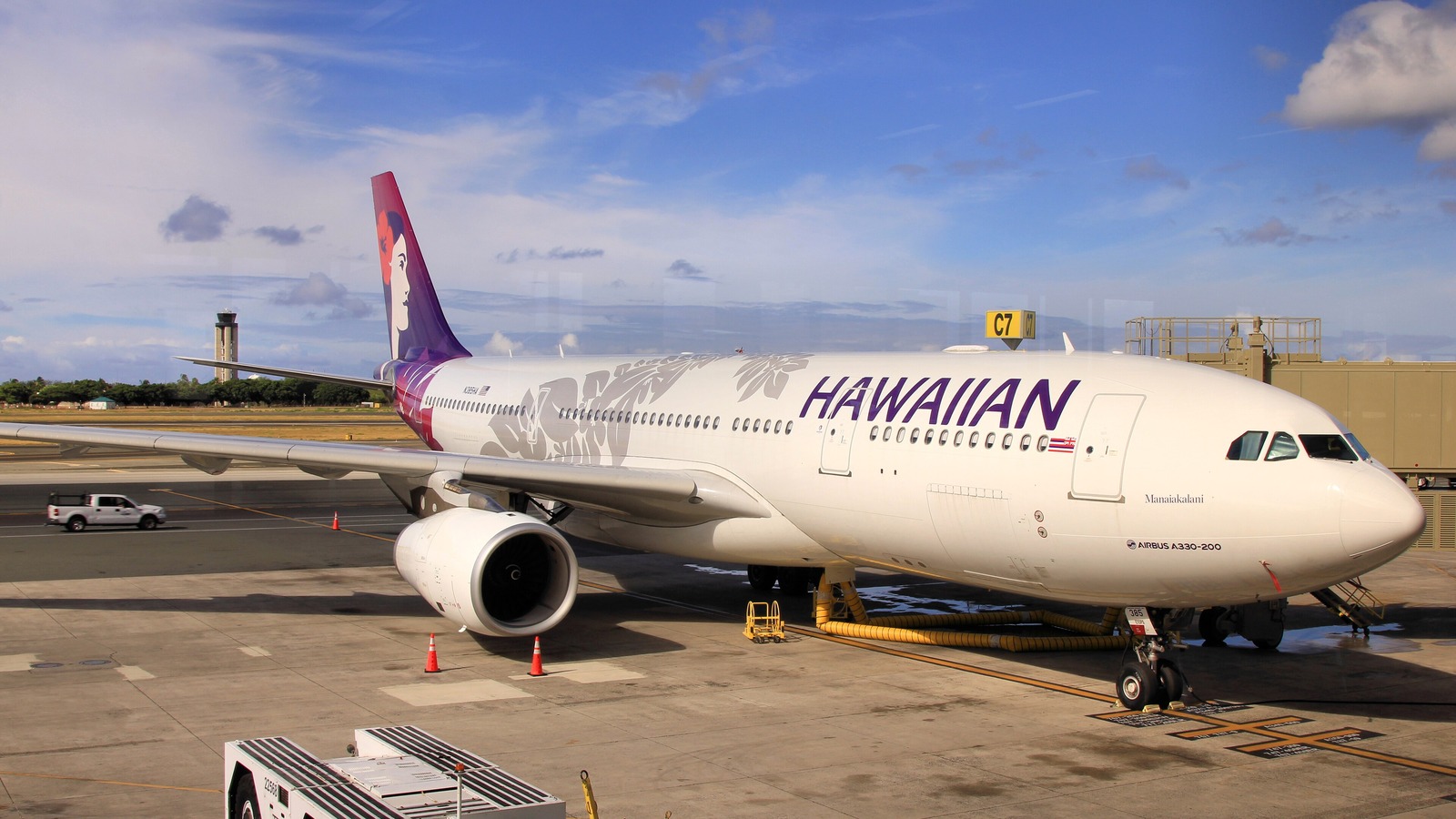
Hawaiian Airlines put 258 travelers with disabilities and their families through a full airport rehearsal in Honolulu this weekend, from check-in and security to boarding an Airbus A330 that taxied around the airfield without ever taking off. It was the airline’s largest practice flight ever and the first time a widebody jet has been used for one.
If someone in your family finds airports overwhelming, practice events like this are one of the best ways to build confidence before a real trip. Hawaiian described the event in its October 19 announcement on the Alaska Air Group news site.
- Who: 258 travelers with disabilities and their families.
- Where: Daniel K. Inouye International Airport, Honolulu.
- Plane: Airbus A330, the first widebody used for this.
- What: check-in, security, boarding and a taxi ride.
- Partners: three local autism and family groups.
Inside the 258 Person Practice Run at Honolulu Airport
Participants checked in at the ticket counter, collected boarding passes, went through the security checkpoint, found their gate and boarded the A330, the airline said. The plane then pushed back and taxied around the airport before returning to the gate, so families could experience engine noise, announcements and the feel of a moving aircraft without a long flight.
The event was run with Never Quit Dreaming, the Hawaiʻi Autism Foundation and the Autism Society of Hawaii. It was Hawaiian’s first practice flight in Honolulu since a similar program in 2016, according to the airline. Its sister carrier Alaska Airlines usually hosts three or four such events a year.
Local station Hawaii News Now also reported on the Honolulu event.
| If you… | What to do |
|---|---|
| Have a child who fears airports | Ask local autism groups about practice events. |
| Need help at the airport | Request assistance when you book. |
| Worry about security | Contact TSA Cares before you fly. |
| Want to rehearse at home | Walk through the trip with photos and videos. |
Using a widebody A330 matters for Hawaii families in particular. It is the kind of twin aisle jet Hawaiian flies between the islands and the mainland, where trips can last five hours or more, so practicing on the same type of cabin, with the same seats, screens and lavatories, gives families a realistic preview of a long flight before they commit to one.
What Families Said About the Experience
For many families, the point is simply to make the unknown feel familiar. “These practice flights are really important for our families because it exposes them to the unknown,” said Kristopher Dung, director and founder of Never Quit Dreaming.
Parents Reid and Sandra Moriyama described why the rehearsal mattered for their younger child. “Our younger one is scared of going into large buildings and can’t even stay in the cafeteria in school,” they said. Julia Wilson, a board certified behavior analyst representing the Hawaiʻi Autism Foundation, noticed how engaged the young travelers were once on board, saying “every child in that plane immediately had their eyes locked right on that safety screen.”
“We want every guest to feel welcome and confident when they travel with us,” said Shelly Parker, Hawaiian’s head of Hawaiʻi guest operations.
How to Prepare a Family Member With Disabilities for a Flight
Even without a practice flight near you, you can rehearse at home. Look at photos or videos of the airport and the plane together, talk through each step of the day in order, and pack familiar comfort items and headphones for noise.
When you book, tell the airline about any assistance you need, such as help getting to the gate or extra time to board. In the United States, the TSA Cares helpline can arrange help at security for travelers with disabilities and medical conditions if you contact it before your trip.
Many airports now offer quiet rooms or sensory spaces, and some participate in programs that let travelers discreetly signal that they may need extra help or patience. Check your departure airport’s website for these services before you go, and save a photo of the gate area or the plane on your phone so your traveler can see where they are heading.
On board, sit where your traveler will feel most comfortable. A window seat can help some children focus on something outside, while an aisle seat makes it easier to stand up or walk to the lavatory. Pack snacks, a change of clothes and anything that helps with ear pressure during takeoff and landing.
Choose flight times that suit your family’s routine, and build in extra time at the airport so nobody feels rushed. A quieter midday departure can be easier than an early morning rush or a late evening flight.
If you live near an airport that has hosted these events before, it is worth asking the airline or a local autism organization whether another one is planned. Hawaiian’s announcement did not say when its next practice flight will be held or how families can sign up.
More Accessible Travel and Airline News
Another major airport recently opened a calming space for travelers, as we reported in our story on MSP’s new sensory room, and Hawaiian’s parent company is reshaping its premium cabins, as covered in our story on new Alaska and Hawaiian suite menus.
258 travelers. Hawaiian’s largest practice flight.
A330. First widebody used for the program.
2016. Last time Hawaiian held one in Honolulu.
What is an airline practice flight for people with disabilities?
A rehearsal of check-in, security and boarding, often with a short taxi, without a real flight.
How many people joined Hawaiian’s practice flight?
258 travelers with disabilities and their families, the airline said.
Where was Hawaiian’s practice flight held?
At Daniel K. Inouye International Airport in Honolulu, aboard an Airbus A330.
How can I get airport help for a family member with a disability?
Request assistance when you book and contact TSA Cares before your trip.
Image Credits
- Lead Photo
Larry D. Moore · CC BY 4.0 · cropped