One missing elevator can turn an easy subway outing into a completely different day. Harlem’s 137 St-City College station now has step-free access to both 1 train platforms, following the completion announced October 14, 2026. The important new piece is the downtown elevator: the Bronx-bound elevator had already opened.
For travelers, the useful detail is not a ribbon-cutting photograph. It is knowing which corner gets you onto the right platform, and whether that elevator is working when you arrive. If you are building a wider trip, our New York City neighborhood guide compares accommodation bases; this station improvement is one local access change, not a reason to assume an entire itinerary is step-free.
- What changed: The downtown elevator completes step-free access to both platforms at 137 St-City College on the 1 train.
- When: The MTA announced the completed accessibility project October 14, 2026.
- Uptown entrance: The Bronx-bound elevator is at the northeast corner of West 137th Street and Broadway.
- Downtown entrance: The South Ferry-bound elevator is at the southwest corner of the same intersection.
- Before leaving: Check elevator status and train service separately; a newly accessible station does not guarantee an outage-free journey.
One New Elevator Completes the Trip Both Ways
The MTA’s October 14 announcement, listed in its official news index, marks the completion of the station’s accessibility upgrades. The project has two street-to-platform elevators, but the chronology matters: the newly opened downtown elevator follows the earlier Bronx-bound opening. This is the completion of access in both directions, not a claim that both elevators first opened on Wednesday.
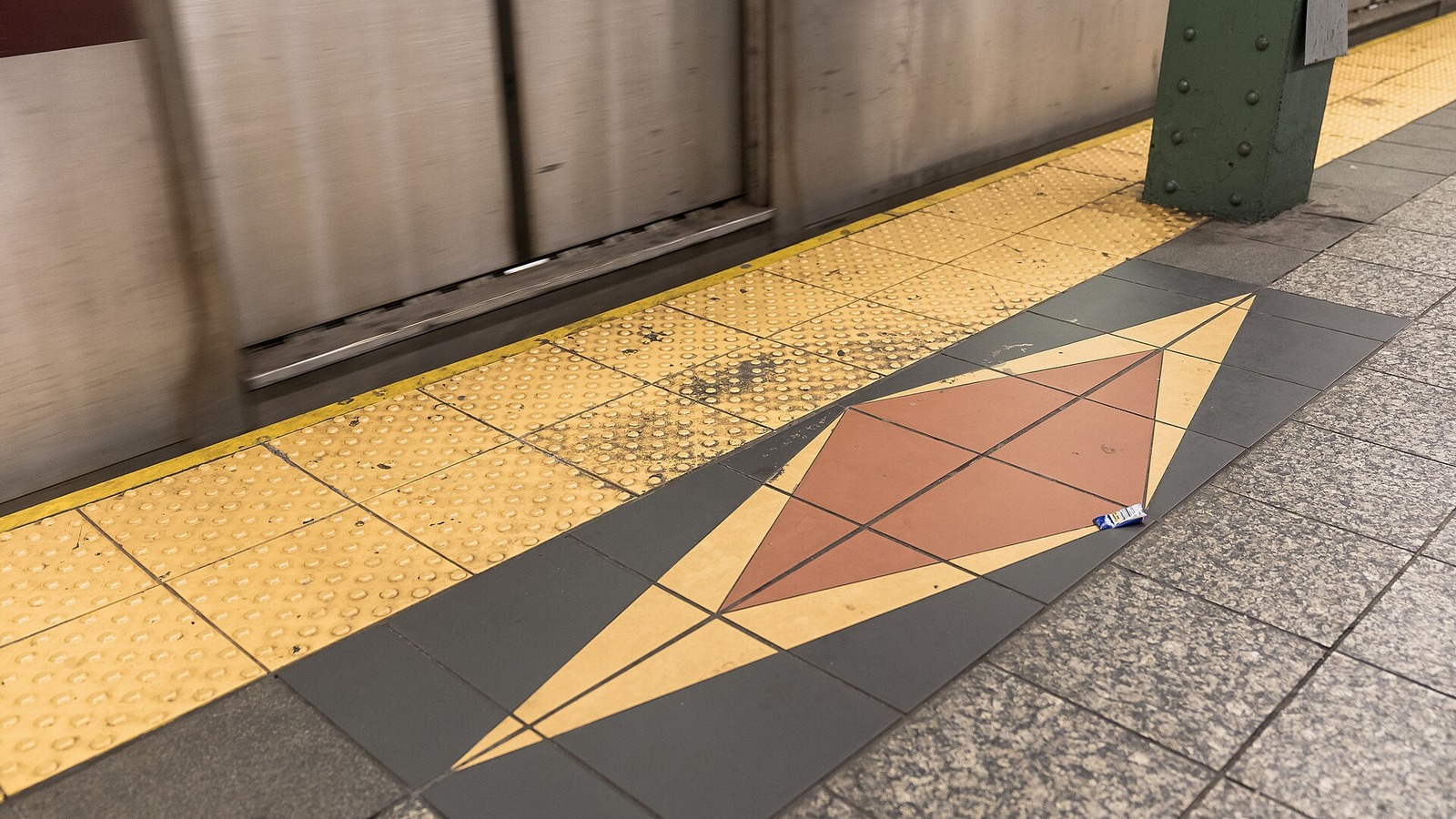
In amNewYork’s October 14 reporting, transit editor Ethan Stark-Miller described the station’s two-elevator upgrade and the significance for MTA accessibility chief Quemuel Arroyo, who had been unable to use the station himself for years. The report also described wider stairs, accessible fare gates and tactile platform-edge strips.
That is the human-scale story behind the infrastructure. A station can be geographically convenient and still be unusable for a person who cannot take stairs. Completing the return direction changes the calculation from whether a neighborhood is reachable at all to how the actual journey should work.
Pick a Corner Before You Cross Broadway
The MTA’s current accessible-station directory lists the Bronx-bound elevator on the northeast corner of Broadway and West 137th Street. For the South Ferry-bound platform, use the southwest corner. The directory also lists connections with the M4, M5 and M11 buses.
Think of the direction as part of the address. Arriving at the right intersection is not quite the same as arriving at the right entrance. Before setting off, match your planned train direction with the listed elevator corner, especially if a companion is meeting you or a driver is dropping you nearby.
Do the same check for the return trip. A meeting point that works on the outward journey might put you on the wrong side of Broadway for the train home. This article does not establish an accessible passage between the two platforms, so do not plan on changing direction inside the station without checking the MTA’s instructions.
A Harlem Stop Becomes a More Practical Option
The station serves the City College area in West Harlem. The change matters to visitors coming for a campus visit, seeing friends or making a neighborhood stop, as well as to the people who use it routinely. It can also make a difference to families managing strollers and travelers handling luggage, though their needs are not interchangeable with wheelchair access.
The temptation with accessibility news is to treat a new elevator icon as the end of the planning. It is better understood as a new option. Compare the station with your actual destination, the street-level route and your ability to handle that last part of the trip; the nearest subway label does not answer those questions by itself.
For a short visit, start with one useful journey rather than rebuilding the whole schedule around the announcement. Decide where you want to go, check the accessible boarding point at your origin and then check the arrival station. Only then decide whether this newly completed access makes the 1 train the right choice.
Accessible Does Not Mean Service-Proof
The MTA asks riders to check real-time elevator and escalator status before traveling. Its directory also warns that train and bus connections remain subject to planned and unplanned service changes. Those are two different checks: a working elevator does not establish that your train is running normally, and normal train service does not establish that your elevator is available.
Check again close to departure rather than relying on a screenshot saved days earlier. If a necessary elevator is unavailable, consult the MTA’s current directions before committing to an alternative station. An improvised detour can introduce another staircase or a transfer whose access you have not checked.
The advance is real and specific: both platforms at this station now have an accessible street-to-platform route. It does not make every station on the 1 train accessible, certify every transfer or promise that maintenance work is finished everywhere. Keep that boundary clear and the announcement becomes genuinely useful trip information.
| Your journey | What to check |
|---|---|
| Board toward the Bronx | Use the northeast-corner elevator at Broadway and West 137th Street. |
| Board toward South Ferry | Use the southwest-corner elevator at the same intersection. |
| Need a stair-free journey throughout | Check the origin, transfers, destination and current elevator status separately. |
| Meet someone after the visit | Agree on the correct corner for the return direction, not just the station name. |
A barrier removed: The completed downtown elevator makes both platform directions available through accessible routes at this West Harlem station.
A precise arrival point: Northeast for Bronx-bound trains and southwest for South Ferry-bound trains is the detail to save.
A check still required: Verify elevator availability and train service near departure. The improvement is not a network-wide accessibility guarantee.
Is 137 St-City College now accessible in both directions?
Yes. The completed project provides street-to-platform elevators for both the Bronx-bound and South Ferry-bound 1 train platforms.
Which corner has the downtown elevator?
The MTA lists the South Ferry-bound elevator at the southwest corner of West 137th Street and Broadway. The Bronx-bound elevator is on the northeast corner.
Did both elevators open on October 14?
No. The completion announced October 14 followed the downtown elevator opening; the Bronx-bound elevator had opened earlier.
Does the opening mean the entire 1 train route is step-free?
No. Check each station and transfer in your itinerary, plus current elevator status and service changes, before traveling.
Image Credits
- Lead Photo
NYCNightFanner · CC BY 4.0 · cropped