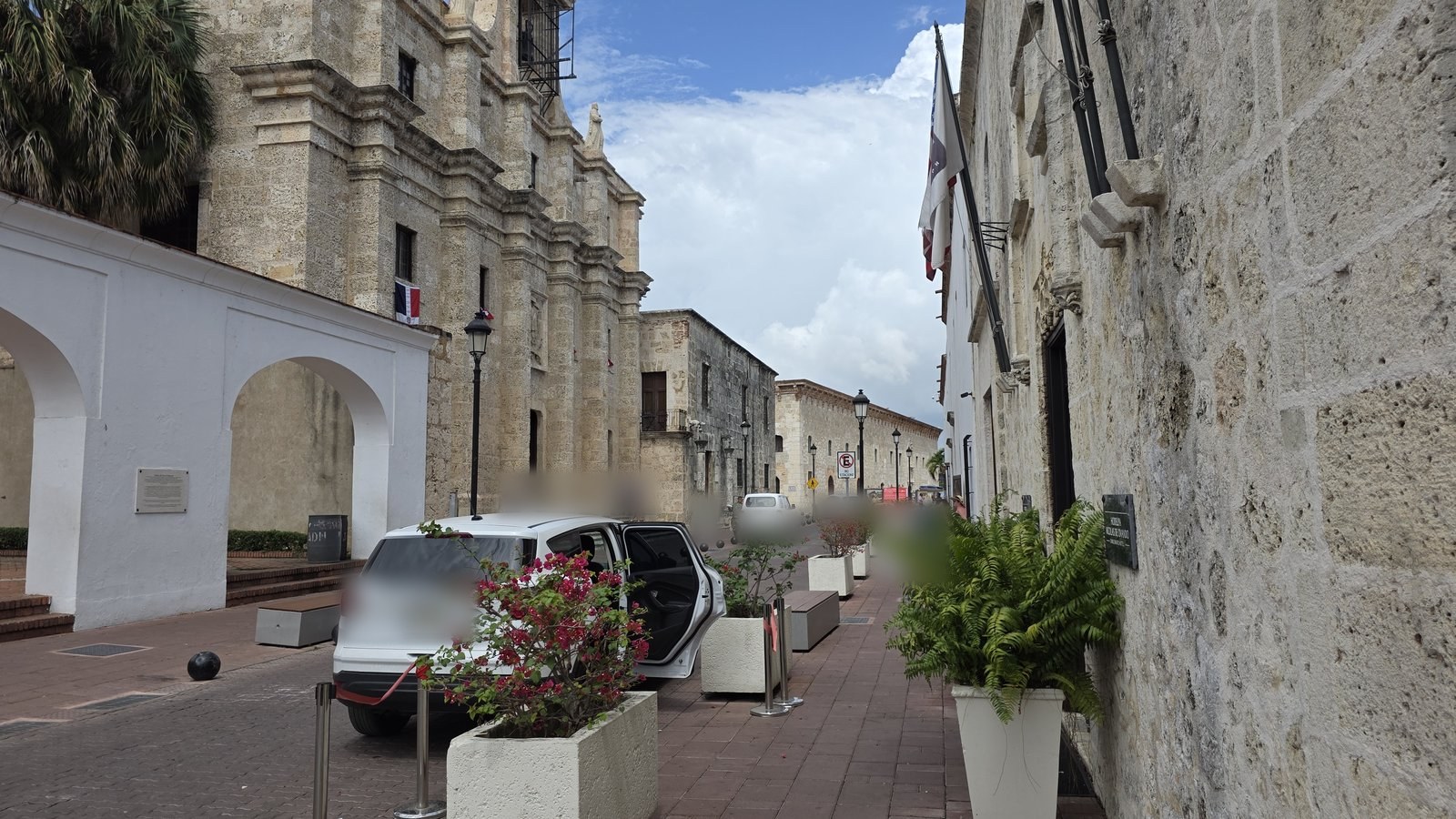
The historical photograph shows Corfu Town from the Old Fortress on August 29, 2024, before Storm Agneta.
Greece’s Storm Agneta warning puts a fresh check between you and that Tuesday excursion. The Hellenic National Meteorological Service’s November 2 bulletin upgrades the weather warning to dangerous conditions, with red alerts affecting parts of the country through November 3 and particular concern for northern Greece and several island areas.
The practical question is where your next travel leg sits inside the warning window: Corfu’s morning, northern Greece’s advancing storms and the eastern islands have different forecasts. Use our Greece route and activity guide to compare itinerary choices, then confirm the day’s transport and outdoor plans against current official advice before setting out.
- Current development: EMY upgraded its warning on November 2 as Storm Agneta moves east from southern Italy.
- Tuesday morning: Corfu, Paxos and mainly coastal Epirus face a red warning.
- Tuesday’s wider red areas: Macedonia, Thrace and parts of the northeastern Aegean, including named islands.
- Other regions: Orange warnings cover additional western and island areas on November 3.
- Transport check: A weather warning does not establish whether your particular flight, ferry or road transfer will operate.
Where the November 3 red warnings apply
The official forecast places Corfu, Paxos and mainly coastal Epirus under a red warning through Tuesday morning. Other Ionian islands have an orange warning through midday, so travelers moving between an island stay, a port and the mainland should check the relevant location and time rather than assuming the whole western coast shares one forecast.
Farther north, the weather is forecast to move from western into central and eastern Macedonia and Thrace. The red warning also names Thassos, Samothrace and the northeastern Aegean islands of Lemnos, Agios Efstratios and Mytilene, with severe conditions expected from early morning into the afternoon.
Epirus, western Central Greece and the western and southern Peloponnese remain under orange warnings through the afternoon. The Dodecanese has an orange warning from the morning into the afternoon; To Vima’s November 2 report corroborates these regional windows and the upgraded warning.
EMY’s bulletin describes heavy rain and thunderstorms, with possible localized hail and frequent lightning. The combination matters for an itinerary that spends much of the day outside: ask an excursion operator about its decision point before starting a long approach to a boat, exposed viewpoint or coastal meeting place.
Rhodes shows why the transfer deserves attention
This weather episode has already produced localized travel problems. New Greek TV’s November 2 reporting describes flooding around Archangelos, Afantou and southern Rhodes, damage to the road network and an early morning 112 alert asking residents and visitors to limit movement and follow authorities’ instructions.
For an airport transfer or hotel arrival, ask about the route that will actually be driven, especially if it crosses an affected part of the island. A confirmed flight is only one part of the journey, and a transfer company needs to tell you whether its pickup, road approach and arrival time remain workable.
The reporting does not establish that Rhodes airport is closed or that every road is blocked. Keep a carrier’s confirmed operating status separate from local access conditions, and follow a newer official restriction if one is issued for the place where you are staying or the route you intend to use.
| Your November 3 plan | What to confirm |
|---|---|
| A Corfu or Paxos crossing in the morning | Check the ferry’s specific sailing and transfer arrangements during the red warning window. |
| Northern Greece or a named northeastern Aegean island | Check the warning for your location and reconsider exposed outdoor activities as the storm moves through. |
| A Rhodes road transfer | Ask whether the pickup route is affected by Monday’s flooding and whether a safe alternative is available. |
| A flight followed by a ferry or excursion | Confirm each leg separately, including the onward operator’s latest decision and change options. |
Build the day around the fragile leg
If your plan combines a flight, a ferry and an excursion, identify the part most exposed to the current conditions before changing everything at once. A sailing that cannot be confirmed deserves attention before a restaurant reservation, while a road transfer through a flooded area may matter more than a short delay at the airport.
Contact the provider responsible for that leg and ask when its next operational decision will be made. That gives you a useful deadline for moving the rest of the itinerary, instead of paying for a replacement trip that still depends on the same weather-sensitive crossing or road approach.
Check your exact booking before treating a warning as a cancellation. Ask the airline, ferry company or excursion seller whether the service is operating, delayed or cancelled, and what change options apply to your reservation. This bulletin supplies a weather risk window rather than a list of cancelled departures.
Give an overnight change a complete transfer check. If you move a stay or postpone a crossing, confirm how you will reach the new accommodation and the following day’s departure point. A room elsewhere can help only when the road or sea connection needed to reach it remains suitable.
Is all of Greece under a red warning on November 3?
No. EMY names specific red and orange areas with different time windows. Check the location of your stay, road journey or crossing against the current regional warning.
Does Storm Agneta mean my flight is cancelled?
The weather bulletin does not establish that. Check your airline’s specific flight status and your ground transfer separately before making a replacement booking.
Are Greece’s ferries all stopped?
No nationwide ferry shutdown is established by these sources. Confirm the exact operator, route and sailing, especially where your trip overlaps a warning area.
When should I check the warning again?
Check EMY’s current bulletin before leaving and whenever your operator issues a new decision. Keep any newer local authority instruction ahead of an earlier itinerary or weather summary.
Image Credits
- Lead Photo
Kubajdaa22cz · CC BY-SA 4.0 · cropped