The Goio-Ên bridge is under a partial traffic restriction, not a notice of complete closure. Brazil’s Rio Grande do Sul road authority says the RSC-480 crossing over the Uruguay River is operating on half the roadway while specialists assess its structural condition.
That distinction matters for a drive between the Nonoai area in Rio Grande do Sul and Chapecó in Santa Catarina: the crossing has not simply disappeared from the route, but normal passage should not be assumed. The DAER notice published October 27 leaves the restriction in place pending a more detailed assessment, with no reopening time.
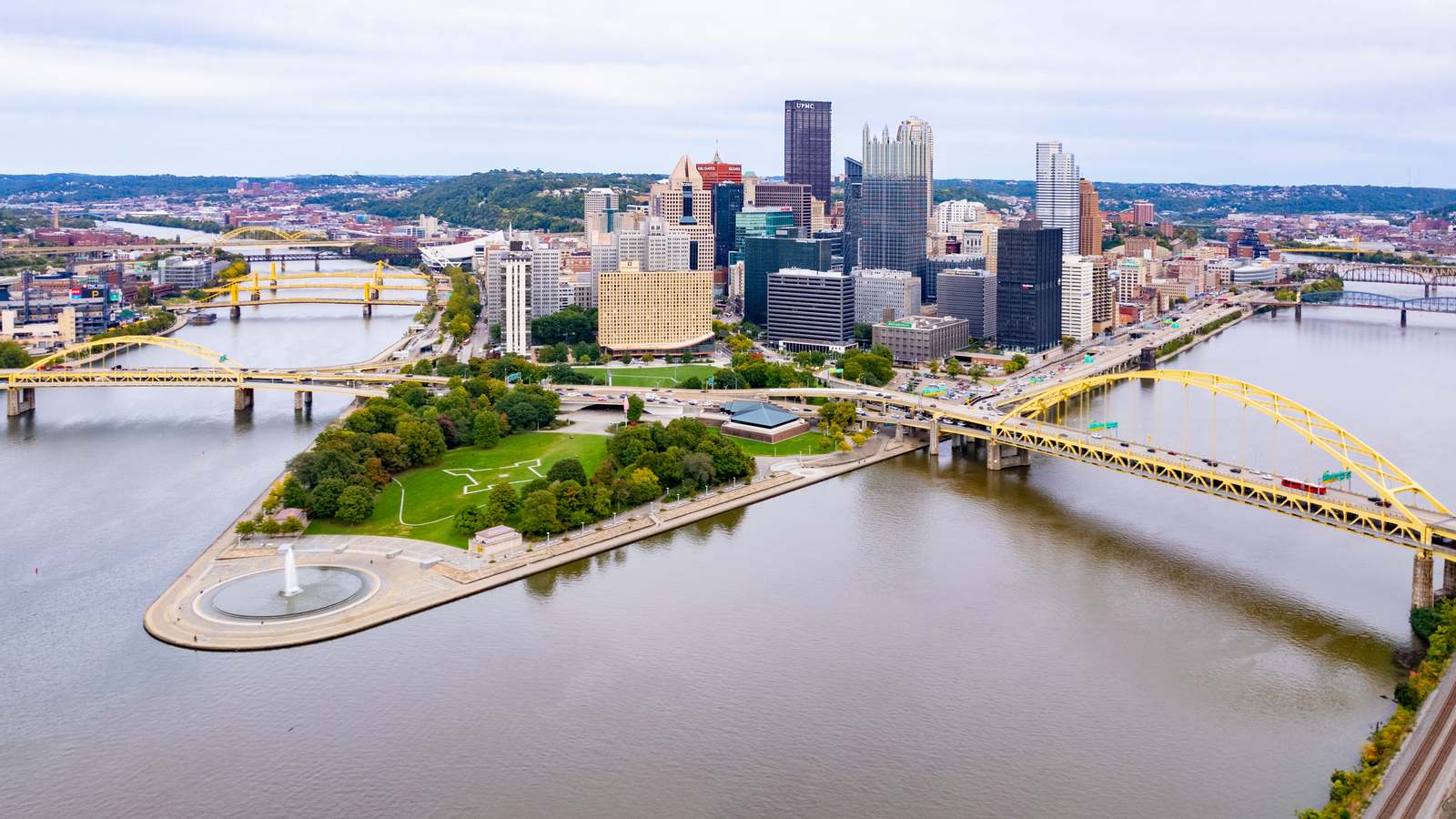
The historical photograph shows the Goio-Ên bridge over the Uruguay River on September 23, 2016. It provides location context, not evidence of current damage, the restricted lane or present traffic conditions.
- Where: The Goio-Ên bridge on RSC-480 at the Rio Grande do Sul and Santa Catarina boundary.
- Restriction: Half-roadway operation using the lane designated for the Rio Grande do Sul to Santa Catarina direction.
- Reason: A preventive measure while specialists assess structural conditions.
- Reopening: No date or time supplied in the notices checked.
- Driver’s next step: Confirm the crossing and follow the road-police operation, rather than inventing a detour.
Partly Open Does Not Mean Business as Usual
The road department identifies the bridge as being in Nonoai, in northern Rio Grande do Sul, on the state boundary. Jornal Bom Dia’s October 28 report identifies the same crossing as the Ponte do Goio-Ên and repeats the partial-restriction notice.
For a visitor building a cross-state drive around a hotel check-in, pickup or timed activity, the useful question is whether this specific crossing fits the day’s plan. A map still drawing a line across the river is not confirmation that the trip will run on its usual timing.
The notices give neither a queue estimate nor an extra journey time. Treat possible delay as something to allow for, not a number that this reporting can promise.
One Lane Is Named, but the Reverse Journey Is Not Explained
DAER’s wording specifies half-roadway operation and vehicle movement through the lane in the Rio Grande do Sul to Santa Catarina direction. It does not describe a complete alternating two-way traffic arrangement or explain how movements from Santa Catarina toward Rio Grande do Sul are being handled.
That is an important gap for a return trip. Do not turn the lane description into either a guarantee that both directions are alternating normally or an unsupported declaration that the reverse journey is completely banned.
If this bridge is essential to your itinerary, ask the responsible road authority or your transport operator about the direction you actually need. Confirm the return leg separately, especially if an outbound crossing would otherwise leave you relying on an unverified trip back later in the day.
A Structural Assessment Is Not a Confirmed Damage Diagnosis
The official explanation is that a routine technical inspection identified the need for specialist evaluation of the bridge’s structural conditions. The partial restriction is preventive and stays in place until the more detailed analysis establishes appropriate operating conditions.
Jornal Bom Dia mentions the possibility of a fissure in a pillar, explicitly describing it as unconfirmed. That is not an established engineering finding, and the official notice does not announce a collapse or a completed repair plan.
The next useful signal is a dated instruction changing the restriction or defining the operating conditions after that assessment. The passage of a day, an old photograph or an absence of visible work is not equivalent to that instruction.
Follow the Crossing Operation, Not a Guess at a Shortcut
The road-police commands from both states are to reinforce signs and guide traffic at the site. DAER specifically asks drivers to pay extra attention, obey the signs and follow the agents’ instructions.
No verified diversion is supplied in the source pair, so this article does not recommend a substitute crossing or back-road route. If you change the drive, verify the complete alternative before committing to it rather than assuming a nearby line on a navigation screen avoids the restriction.
For an arranged transfer, send the driver or operator the bridge name and ask whether its planned route uses RSC-480. For a self-drive trip, check the current authority notice before departure and preserve flexibility around the crossing instead of treating an old estimated arrival time as fixed.
| Your plan | What to check |
|---|---|
| Drive from Rio Grande do Sul toward Santa Catarina | The current partial restriction and on-site traffic instructions. |
| Return toward Rio Grande do Sul | The actual reverse-direction arrangement; the notice does not explain it. |
| Book a timed pickup or activity | Whether the operator’s route uses this crossing and what flexibility is available. |
| Choose another route | A complete verified alternative, not an assumed nearby shortcut. |
Now: Treat this as a restricted crossing, not a confirmed full closure.
Before departure: Check the current notice and your required direction of travel.
Before relying on normal access: Look for the authority’s assessment and a specific change to the restriction.
Is the Goio-Ên bridge completely closed?
The notices checked describe a partial restriction and half-roadway operation, not a complete closure. They do not fully explain how reverse-direction traffic is handled.
When will normal traffic return?
No reopening time is supplied. DAER says the restriction remains until a detailed assessment defines safe operating conditions.
Is there a confirmed detour?
The notices do not provide one. Get a current route instruction from the responsible road authority or your transport operator.
Image Credits
- Lead Photo
Misael Betlinski · CC BY-SA 4.0 · adjusted