Glacier National Park’s peak-season bicycle time bans on Going-to-the-Sun Road run through Sunday, September 27, 2026, according to the park’s current bicycling page. After that date, the midday eastbound and westbound prohibitions on the Apgar to Logan Pass climb no longer apply, unless weather or a later order closes the alpine road again.
If you are planning a fall ride, treat September 27 as the last restricted day and September 28 as the first day you can legally use those hours without the peak-season clock. Pair that with lodging and route choices on the Glacier National Park destination page, because the bike change does not remove cars, length limits, or sudden snow on Logan Pass.
- Last restricted day: September 27, 2026, per the National Park Service bicycling page.
- Eastbound: bikes prohibited Apgar to Logan Pass, 12 p.m. to 6 p.m., through September 27.
- Westbound: bikes prohibited Logan Pass to Apgar, 3 p.m. to 6 p.m., through September 27.
- After September 27: those two clocks lift; weather can still close the alpine section.
- Typical winter gate: fully open until the third Monday of October, which is October 19, 2026, unless storms hit first.
September 27 Ends the Peak Season Clock
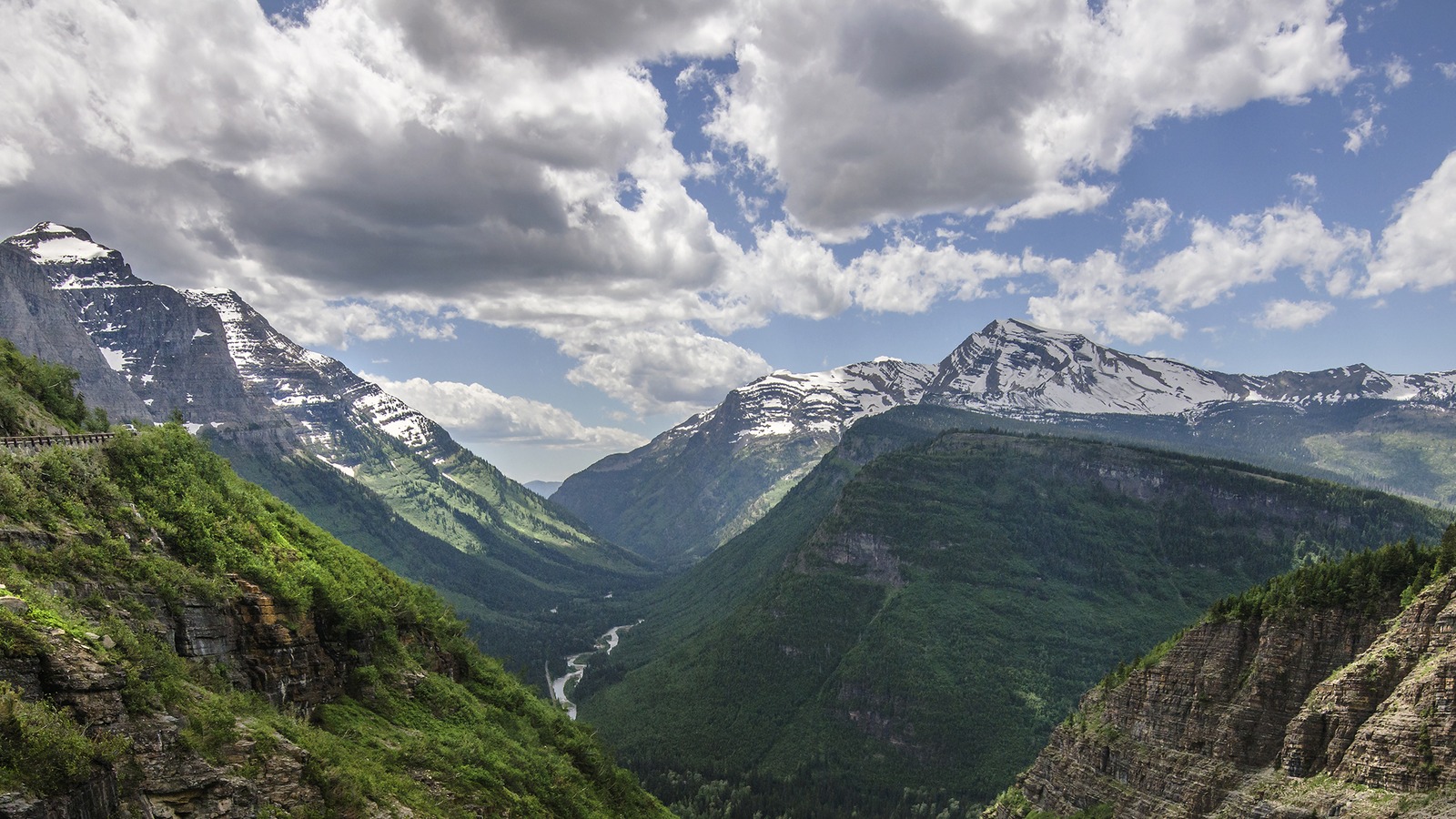
The park wrote the 2026 rule in plain hours, not as a vague “busy season” warning. From the day Going-to-the-Sun Road opened fully to motor vehicles through September 27, the Apgar to Logan Pass section is closed to bicycle use at named times because of limited sight distance, exposed ledges, and a narrow, steep, winding roadbed.
NBC Montana carried the same September 27 end date when Glacier released the June 18 opening notice, and the live bicycling page still shows that clock. Use the bicycling page, not the general Going-to-the-Sun FAQ, which still lists an older May 24 through September 8, 3 p.m. to 6 p.m. both-ways rule.
Sunday is therefore the last day a ranger can cite you under the peak-season midday ban. Monday, September 28, is the first calendar day those two time windows are gone. That is an access change for anyone who can only ride in the afternoon, including visitors staying west of the park who want a late start up to Logan Pass.
Eastbound Climb Hours From Apgar
Eastbound is the harder clock. Through September 27, bicycles are prohibited from Apgar to Logan Pass between 12 p.m. and 6 p.m. That is the west-side uphill climb, and it covers the busiest six hours of the day.
If you ride on September 27, be past Logan Pass before noon or wait until after 6 p.m. with lights. The park requires a white front light or reflector and a red rear light or reflector between sunset and sunrise and in low visibility. After September 27, the noon to 6 p.m. eastbound ban is gone, but you still share a shoulderless road. Pull off and stop when four or more cars stack behind you, and ride single file to the right.
Westbound Descent Hours From Logan Pass
Westbound is shorter on the clock and steeper on the brakes. Through September 27, bicycles are prohibited from Logan Pass to Apgar between 3 p.m. and 6 p.m. A common plan, climb early then drop west after 3 p.m., is illegal through Sunday. Descend before 3 p.m. or wait until after 6 p.m.
Do not treat the two directions as one rule. A noon start from Apgar is banned through September 27 even if you descend after dinner. A 4 p.m. drop from Logan Pass is banned even if you climbed at dawn. After September 27, the 3 p.m. to 6 p.m. westbound prohibition lifts with the eastbound clock.
Vehicle Rules That Stay After the Bike Ban
Cars do not leave the road when the bike hours change. Going-to-the-Sun Road is 50 miles end to end, about two hours without stops, with Logan Pass at 6,646 feet. The alpine speed limit is 25 mph and the lower road is 40 mph. Those numbers do not move on September 28.
Length still matters on a Banff to Glacier road trip. Vehicles and combinations longer than 21 feet, including bumpers, or wider than 8 feet, including mirrors, are prohibited between Avalanche Creek and Rising Sun. Vehicles over 10 feet in height can scrape rock west of Logan Pass toward The Loop. No vehicle reservation is required in 2026, so midday traffic stays dense. If you overnight for an early climb, compare bases on the Glacier lodging guide.
Fall Riding Window and Weather
The midday ban is a congestion rule, not a winter opening date. The park says the alpine road is typically fully open until the third Monday of October, which falls on October 19, 2026, and that storms can close it earlier. Treat the extra afternoon hours as a short fall window, not a month of guaranteed pavement.
Snow already shut Logan Pass once this month. Deep Arrival covered that September snow closure on Going-to-the-Sun Road, and the same miles can ice again. Check road status the morning you ride. Lower Going-to-the-Sun Road typically stays open year round to Lake McDonald. The September 27 change is only the Apgar to Logan Pass alpine section, not Two Medicine or a named lodge.
Fees, E-bikes, and a Shoulderless Road
A park entrance fee is charged when you enter by bicycle. Bring a pass or mobile proof of purchase. Bicycles are allowed only on paved roads, unpaved roads, and posted multi-use paths, not on hiking trails, so the Highline is not a bike exit from a full Logan Pass lot.
Electric bikes are allowed if the motor is less than 750 watts and engaged only while pedaling. The park warns that the extra weight changes how you mount and descend a shoulderless grade. Ride single file, wear a helmet and high-visibility clothing, and keep food out of unattended panniers. Afternoon access after September 27 is real. The road is still shared with cars, rockfall, and weather.
| If you… | What to do |
|---|---|
| Ride eastbound Apgar to Logan Pass on September 27 | Finish the climb before 12 p.m. or wait until after 6 p.m. with lights. |
| Descend westbound Logan Pass to Apgar on September 27 | Drop before 3 p.m. or wait until after 6 p.m. The 3 to 6 p.m. window is closed. |
| Ride on or after September 28 | The two peak-season time bans are gone. Still yield, ride single file, and check road status. |
| Drive a vehicle over 21 feet or 8 feet wide | Stay off the Avalanche Creek to Rising Sun stretch. The bike change does not alter that ban. |
| Need afternoon hours in mid-October | Treat October 19 as the typical alpine close, then verify the morning you ride. |
September 27, 2026, is the last peak-season restricted day. Eastbound 12 p.m. to 6 p.m. and westbound 3 p.m. to 6 p.m. still apply on the Apgar to Logan Pass section.
September 28 is the first day those clocks are gone. Afternoon climbs and late descents become legal under the current bicycling rule, if the road is open.
October 19, 2026, is the typical alpine close. The third Monday of October is the park’s usual full-open target, and storms can shut Logan Pass earlier.
When do Going-to-the-Sun bike limits end in 2026?
The peak-season midday bans run through September 27, 2026, on the National Park Service bicycling page. September 28 is the first day those hours no longer apply.
What hours are bikes banned eastbound to Logan Pass?
Through September 27, bicycles are prohibited from Apgar to Logan Pass between 12 p.m. and 6 p.m. That is the uphill west-to-east climb.
What hours are bikes banned westbound from Logan Pass?
Through September 27, bicycles are prohibited from Logan Pass to Apgar between 3 p.m. and 6 p.m. Plan the descent outside that window.
Can I bike Going-to-the-Sun all day after September 27?
The two named time bans end after September 27. Weather, a road closure, or a later park order can still block the alpine section. Check status the morning you ride.
Are e-bikes allowed on Going-to-the-Sun Road?
Yes, if the motor is less than 750 watts and engaged only while pedaling. The park notes the extra weight on mounts and descents.
When does Going-to-the-Sun Road usually close for winter?
The alpine road is typically fully open until the third Monday of October, which is October 19, 2026, unless winter weather closes it sooner.