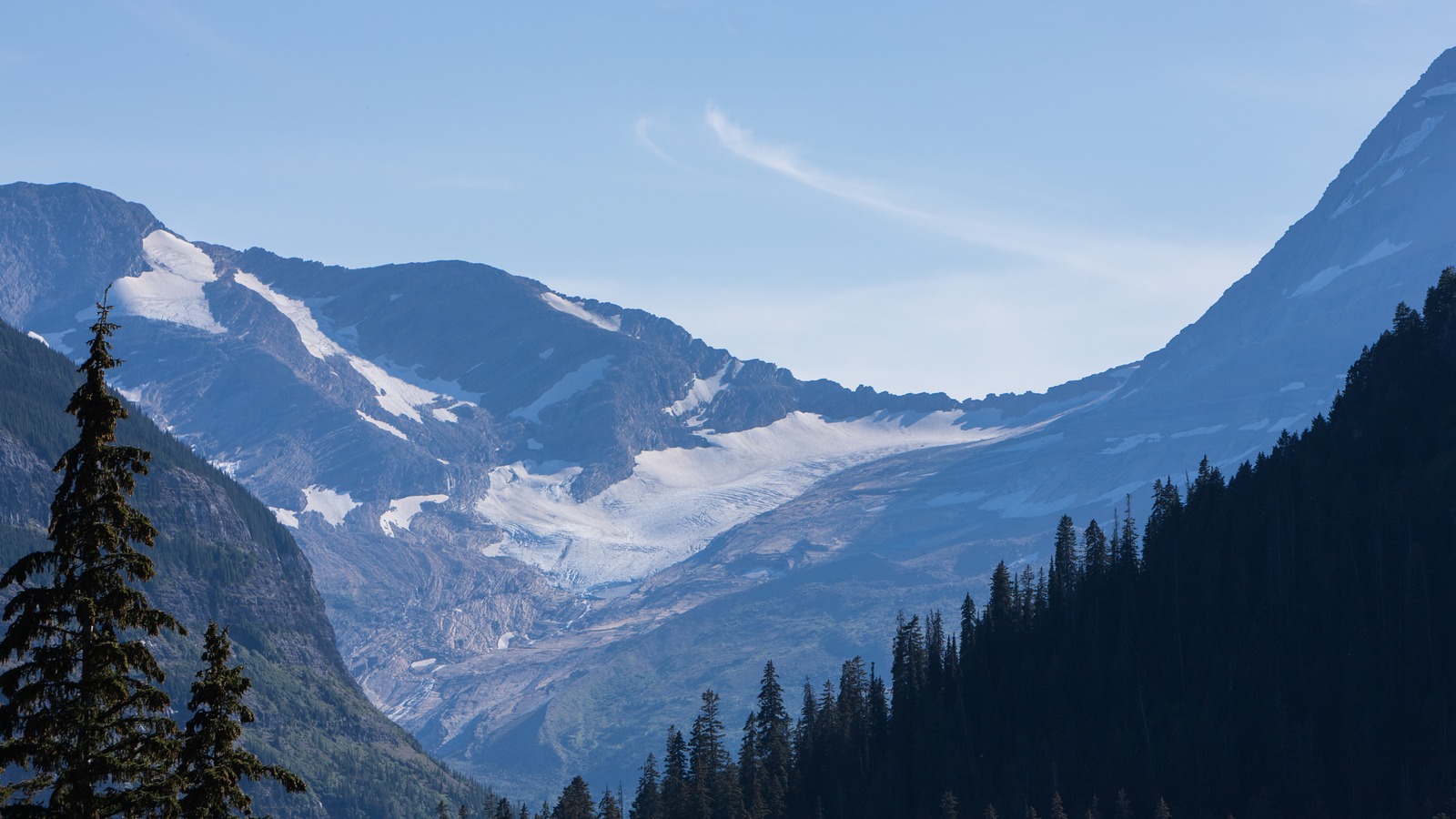
Glacier National Park reopened the alpine section of Going-to-the-Sun Road around 2 p.m. on September 9, 2026, restoring access after a storm-related closure that began September 6. The National Park Service’s September 9 announcement says rangers assessed the roadway and that day’s weather forecast before reopening the stretch between Avalanche and Jackson Glacier Overlook.
For visitors deciding whether to drive across the park, the reopening restores an important option, but it does not bring back summer services at Logan Pass. Our Glacier National Park guide separates the west and east approaches from the park’s other districts; match the road you need to its own current status, rather than treating one reopening as clearance for the entire park.
- Reopened: The alpine road reopened around 2 p.m. September 9 after the September 6 storm closure.
- Closed segment: The temporary restriction ran between Avalanche and Jackson Glacier Overlook, not across every Glacier road.
- Services: The Logan Pass shuttle season has ended, and potable water at the pass was scheduled to be shut off September 8.
- Before driving: Check current road conditions and weather, bring drinking water, and do not assume a parking space will be available.
The Storm Closure Is Over, Not Every Restriction
NPS closed the alpine section at 5 p.m. September 6 because heavy rain and potential rockfall made the corridor vulnerable to flooding and mudslides. Daily Inter Lake’s September 6 reporting independently documented that same precautionary closure and its boundaries; the specific September 9 reopening time comes from the park’s newer announcement.
That sequence matters for anyone finding an older closure notice in search results or a saved trip-planning message. A warning published during the Labor Day storm should not be presented as proof that the road remains closed now, while the reopening announcement should not be stretched into a guarantee against another weather-related restriction later in the week.
The update concerns the alpine road, not an assessment of every trail, campground or separate park district. Travelers with a hike after the drive should use the trail reports linked from Glacier’s current-conditions page, since being able to reach a trailhead by car and finding the trail suitable for a planned outing are different questions.
Shuttles Have Not Returned With the Road
In a separate September 8 operating update, NPS announced the end of the season for the Logan Pass shuttle service and the three-hour parking limit. The storm reopening does not reverse those seasonal decisions, so a visitor should not plan to drive one direction and rely on the summer shuttle for the return.
Flathead Beacon reported September 9 that the last shuttles ran Sunday and that the pilot program had finished for the season. This is especially relevant to hikers comparing a route that ends somewhere different from where they leave a vehicle; confirm a real return arrangement before choosing that itinerary.
Logan Pass parking has returned to first-come, first-served availability without the pilot’s three-hour limit, according to NPS. That removes the summer parking clock, not the physical capacity constraint: the agency lists 235 spaces, and the end of a time limit does not reserve one for the next driver arriving at the pass.
Water and Visitor Center Hours Are Changing
NPS says water at Logan Pass was to be turned off for the season September 8 and tells visitors to bring their own potable water. The same notice says bottled water is not available to buy at the visitor center, so stopping at the pass should not be the first opportunity in your plan to obtain drinking water.
The park also lists September 13 as the changeover to reduced visitor-center hours, with a shorter 9 a.m. to 4 p.m. schedule and a seasonal closure after September 27. Because the notice’s descriptions of the September 13 boundary overlap, confirm that day’s hours directly instead of depending on the later summer closing time.
These service changes are separate from the reopening decision and can affect a visit even on a clear day with an open road. Build the drive around the supplies, information and assistance you will actually have available, rather than assuming that an accessible parking lot means the staffed building and its summer facilities are operating unchanged.
Match the Drive to Your Vehicle and Base
The park’s Going-to-the-Sun Road guidance prohibits vehicles and combinations longer than 21 feet, including bumpers, or wider than 8 feet, including mirrors, between Avalanche Creek and Rising Sun. A reopened road is not an exception for an oversized RV or a car-and-trailer combination that exceeds those limits.
NPS describes the full road as roughly 50 miles, with approximately two hours needed to drive it without stops. That is a baseline driving estimate, not a promised crossing time after reopening; viewpoints, traffic, parking searches and changing conditions can all make a sightseeing day longer than a navigation application’s simple point-to-point calculation.
The same road guidance says gasoline is not available inside the park, making the approach from your overnight base part of the preparation rather than an afterthought. Check fuel before entering and bring the drinking water needed for your planned stops, especially if the reopened crossing changes a short west-side outing into a longer east-to-west drive.
For overnight visitors, our Glacier lodging-area comparison distinguishes West Glacier and Apgar from St. Mary and the east-side bases. The practical choice after this reopening is whether the crossing genuinely helps the next day’s itinerary, not whether an open road makes repeated trips across the park convenient from every hotel.
The reopening release directs visitors to check the forecast and road status, dress for changing conditions, and watch for roadway and trail hazards. It also gives a direct notification option: text GNPROADS to 333111 for park road-status updates, while continuing to follow posted restrictions and instructions encountered during the drive.
| If you… | What to do |
|---|---|
| Saved the September 6 closure notice | Use the September 9 reopening as the newer update, then check road status before departing. |
| Expected a shuttle return from a hike | Rebuild that plan around confirmed transport; the seasonal Logan Pass shuttle has ended. |
| Want to spend longer at Logan Pass | Account for first-come parking and bring potable water; neither is guaranteed by road access. |
| Drive an RV or tow a trailer | Check the combined dimensions against the 21-foot length and 8-foot width restrictions. |
September 9 changed road access. The alpine section reopened around 2 p.m.; do not carry forward the earlier storm closure as present-tense advice.
September 8 changed available services. Plan without the seasonal Logan Pass shuttle or a drinking-water refill at the pass.
September 13 and September 27 affect visitor-center plans. Verify reduced hours for the changeover date and the closure after September 27 separately from road status.
Is Going-to-the-Sun Road still closed after the September storm?
NPS says the alpine section reopened around 2 p.m. September 9, 2026, following the September 6 precautionary closure. Check current road status before driving because a later weather restriction can supersede that announcement.
Did the Logan Pass shuttle restart when the road reopened?
No. The park’s September 8 update ended the seasonal shuttle program, and the September 9 road-reopening notice does not announce a restart; hikers should not assume the summer return service is available.
Is Logan Pass parking still limited to three hours?
NPS says the pilot’s three-hour limit has ended and parking has returned to first-come, first-served availability. The change does not add parking spaces or guarantee that a space will be free when you arrive.
Can I refill or buy drinking water at Logan Pass?
NPS scheduled the seasonal water shutoff for September 8 and says bottled water is not sold at the visitor center. Bring your own potable water rather than planning on a refill or purchase there.
Does the reopening guarantee access for a later visit?
No. The September 9 announcement reflects the roadway assessment and weather information available that day, not a guarantee for the rest of the season; check the latest road status and your trail’s separate conditions before committing to a later drive.