The Federal Aviation Administration closed public comments on October 5, 2026, on a proposed rule that would replace the current checklist of items in commercial airline emergency medical kits with a performance-based standard. The Federal Register notice for docket FAA-2026-9178, published August 5, 2026, tells operators to stock kits that are “practical and sufficient” to treat nine life-threatening conditions, including anaphylaxis.
Allergy travelers now have to decide what to pack and which carrier to book, because the proposal is not a final rule and kit contents still vary by airline. Readers planning a US itinerary should start from Deep Arrival’s airline guides and treat the onboard kit as a backup, not a substitute for their own epinephrine.
- Deadline: Comments on FAA Notice 26-12 closed October 5, 2026. No final rule date is published.
- What the NPRM does: Drops Appendix A’s item list for emergency medical kits and first aid kits and uses a nine-condition performance standard.
- Anaphylaxis line: The FAA text says treatment options “could include medication such as epinephrine.”
- Current kit: Appendix A still requires two epinephrine 1:1,000 ampules or equivalent, typically drawn with a syringe.
- Oct. 5 pressure: Senator Tammy Duckworth led 20 bipartisan lawmakers, and AAFA filed comments, asking the FAA to require easy-to-use auto-injectors.
The Proposed Kit Rule Trades a Checklist for Nine Conditions
FAA proposes to eliminate the prescriptive list in Appendix A to 14 CFR part 121 and replace it with a duty to equip kits so crewmembers can detect and treat, at a minimum, nine life-threatening medical conditions. The agency says the change would increase operator flexibility while keeping kits practical. It also removes an outdated reference to kits modified on April 12, 2004, and is framed as implementing the FAA Reauthorization Act of 2024.
That 2024 law directed the agency to consider medications and equipment for children and pregnant passengers, opioid overdose reversal, anaphylaxis, and cardiac arrest, and to consider how much of the kit flight crews can use without a medical professional’s prior approval. The NPRM is a proposed rule, not an order. Airlines keep operating under today’s Appendix A until a final rule is published and takes effect.
Commenters were told to file on docket FAA-2026-9178 on or before October 5, 2026. The window is now closed. The FAA has not posted a target date for a final rule in the notice. Travelers should not treat October 5 as a day kits change on the airplane.
Anaphylaxis Treatment Is Written as “Could Include” Epinephrine
In the eighth of the nine condition write-ups, the FAA describes anaphylaxis as a sudden, acute, severe allergic reaction. Signs listed include hives; swelling of the mouth, throat, or tongue; difficulty breathing; rapid or weak pulse; dizziness; stomach pain; nausea or vomiting; or loss of consciousness. The treatment sentence is: “Treatment options could include medication such as epinephrine.”
That “could include” wording is the fight. Today’s Appendix A requires two epinephrine 1:1,000 single-dose ampules or equivalent, plus syringes and needles sized to give the required drugs. The Asthma and Allergy Foundation of America says that format still needs a qualified health care provider to draw and inject the dose. Auto-injectors are not on the current required list.
Lawmakers argue the proposal would let an airline meet the anaphylaxis box without a pre-measured device a non-clinician can fire quickly. The FAA text does not ban auto-injectors. It also does not lock them in. Until a final rule names a device, kit contents remain an airline choice on top of the ampule requirement that is still in force.
Lawmakers and AAFA Used the Last Comment Day
On October 5, 2026, U.S. Senator Tammy Duckworth, Senate Democratic Leader Chuck Schumer, and Representative Doris Matsui led a group of 20 bipartisan, bicameral lawmakers in a public comment and press statement. The Duckworth office release says the proposed rule would make epinephrine optional and would reverse the 2024 reauthorization’s direction to keep kits adequate for anaphylaxis.
The letter asks the FAA to guarantee epinephrine in every commercial aircraft emergency medical kit, in a form that can be given without waiting for a physician passenger. It cites an FAA working group recommendation for a “pre-measured auto-delivery device” on the contents list. Duckworth and Schumer also pointed to constituent in-flight allergy scares dating to 2019 and to a September letter they sent to airline CEOs.
The same day, the Asthma and Allergy Foundation of America called for modern, easy-to-use epinephrine on all flights. AAFA said more than 300 community members filed comments, and that current rules still assume a clinician is in the cabin to handle vial-and-syringe epinephrine.
Airline Kits Already Split Between Auto-Injectors and Vials
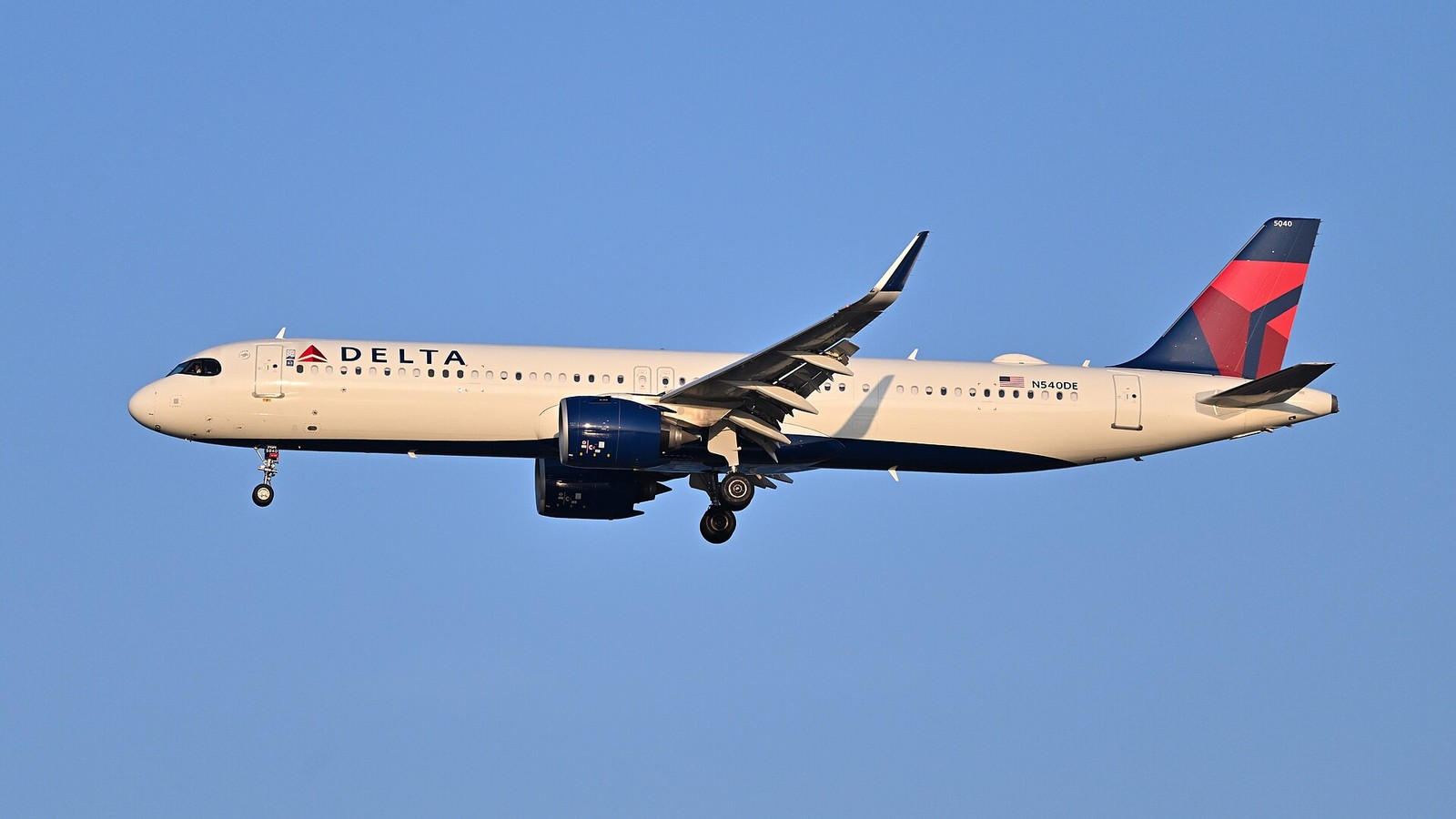
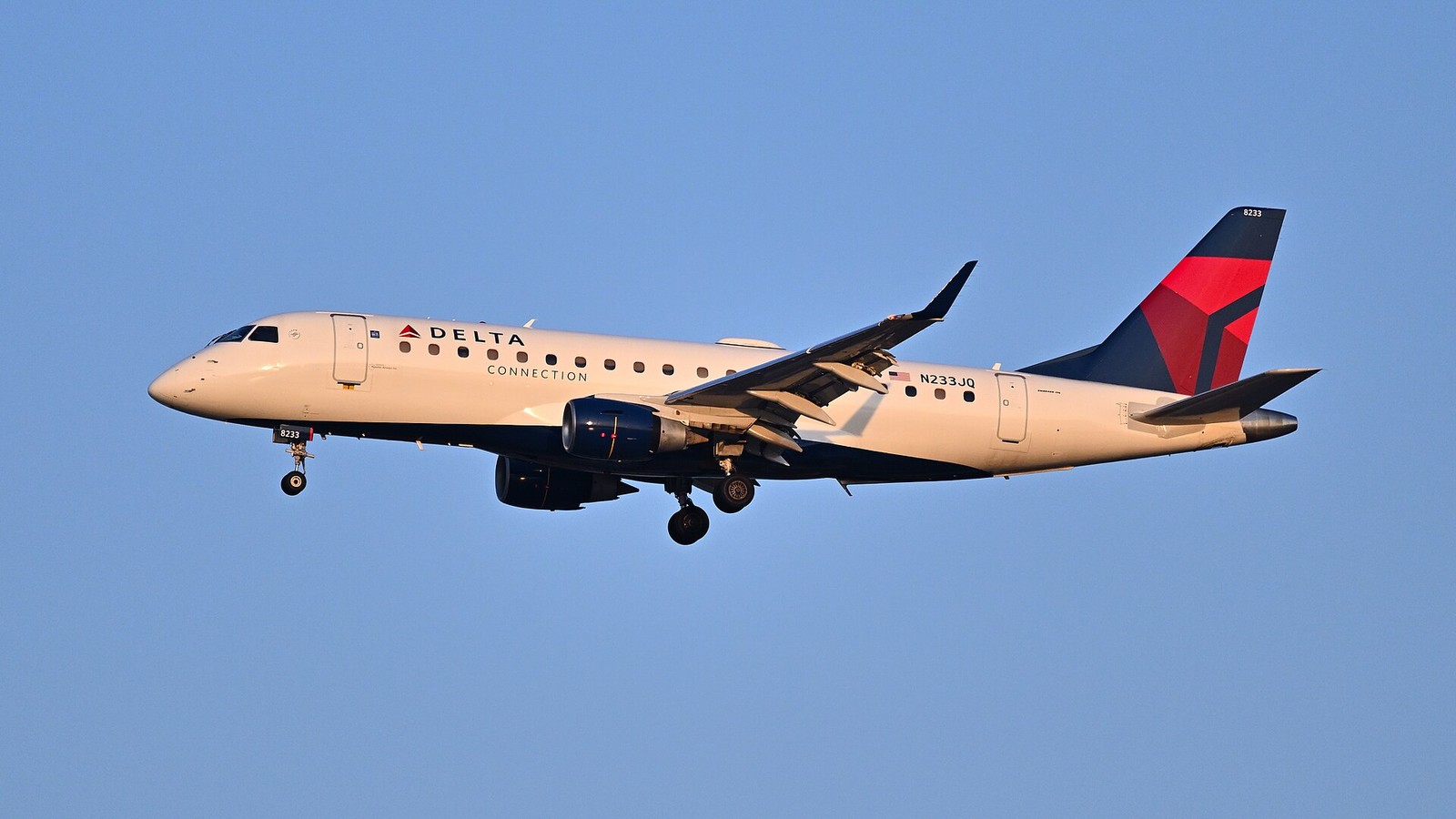
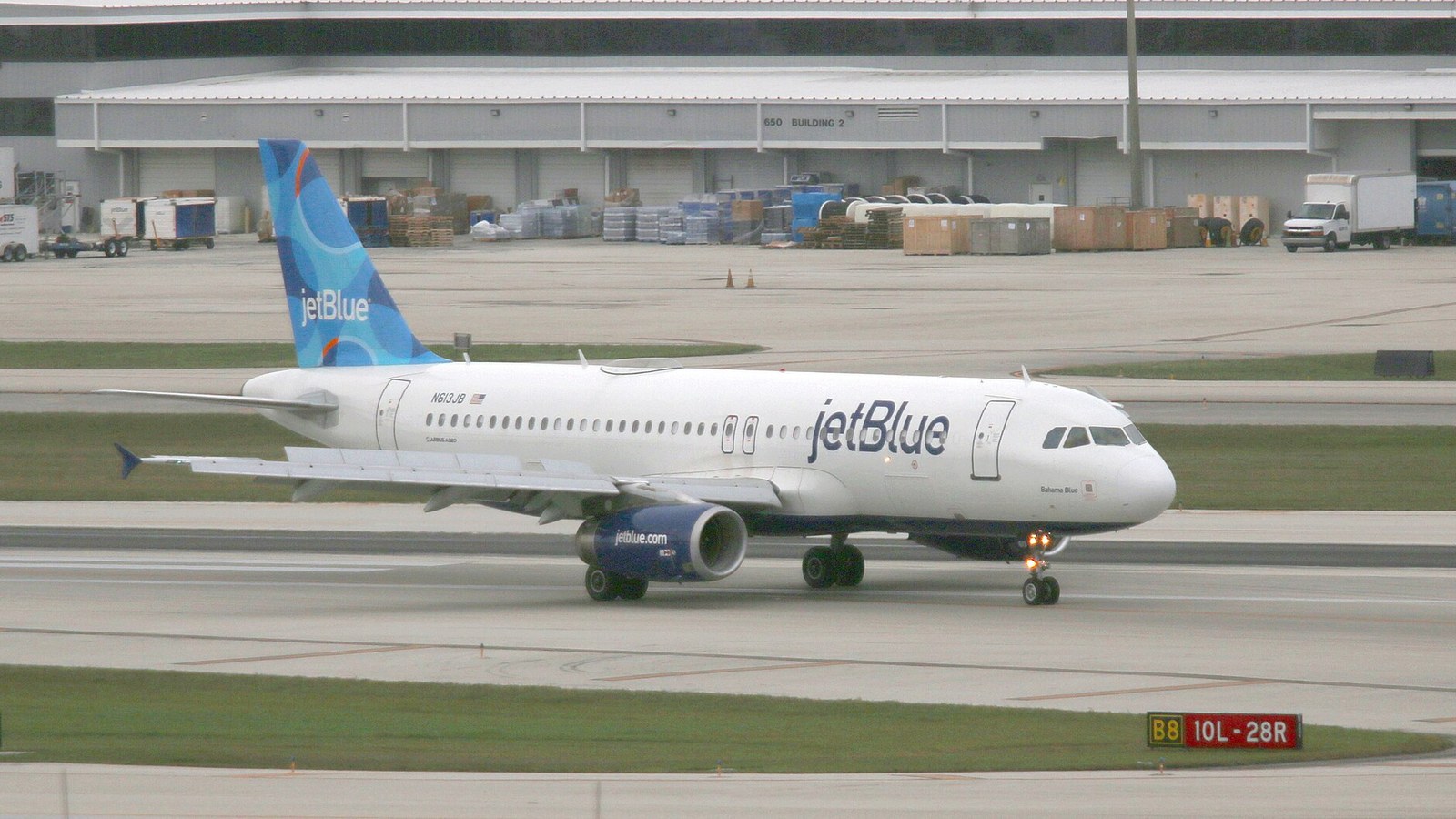
Duckworth’s October 5 statement lists carriers that already stock auto-injectors: JetBlue, Southwest, Breeze, and Frontier. American Airlines, the statement says, carries both adult and pediatric auto-injector doses. Delta is transitioning its fleet by September 2027. United and Allegiant are described as beginning that work in 2026.
Those are lawmaker characterizations of airline inventories, not FAA findings in the NPRM. They still give a traveler a booking screen. If you need an auto-injector in the kit, the four carriers already stocking them are the clearer short-term match. Delta, United, and Allegiant are in motion on a later timetable. Other US airlines are not named in the letter, so do not assume their kits match.
None of those carrier lists replaces your own prescribed epinephrine. Cabin kits are locked, counted, and used under crew procedures. A passenger who knows they are at risk should still carry their prescribed device in a place they can reach, and should tell the crew at boarding if a reaction starts.
Pack and Book as If the Final Rule Is Still Open
October 5 closed comments. It did not change what is in the overhead medical kit tonight. Appendix A’s ampule requirement remains the legal floor until the FAA issues a final rule with an effective date. The agency said in contemporaneous coverage that it will consider comments before finalizing. No implementation calendar is in the August 5 notice.
For the next trip, pack prescribed auto-injectors in your carry-on, not checked bags, and keep a second device if your clinician recommends it. Ask the airline in writing whether its emergency medical kit includes auto-injectors, adult and pediatric doses, and who is trained to use them. Use the Duckworth list as a starting map, then confirm with the carrier because inventories can change before a rule does.
If you are booking for a child, the NPRM’s pediatric discussion is still only a consideration in the preamble. It is not a promise of a pediatric auto-injector on every aircraft. Families should treat the cabin kit as last-resort backup and keep the child’s own labeled medication with the adult who can administer it.
| If you… | What to do |
|---|---|
| Need an auto-injector in the kit | Start with JetBlue, Southwest, Breeze, Frontier, or American, then confirm in writing. |
| Fly Delta, United, or Allegiant | Ask where the auto-injector rollout stands. Delta’s public target is September 2027. |
| Already carry prescribed epinephrine | Keep it in the cabin bag. The October 5 deadline did not change tonight’s kit. |
| Want to track the rule | Watch docket FAA-2026-9178 for a final rule and effective date. Comments are closed. |
October 5, 2026 closed comments. It is not a kit-change date. Pack and brief the crew the same way you would have on October 4.
Appendix A is still the floor. Two epinephrine 1:1,000 ampules or equivalent remain required until a final rule replaces that list.
Carrier choice is the near-term control. Auto-injector availability already differs by airline, and the NPRM would leave that split in place unless the final text names a device.
Did the FAA drop epinephrine from airplane medical kits on Oct. 5?
No. October 5 was the comment deadline on a proposed rule. Appendix A’s two epinephrine 1:1,000 ampules remain required until a final rule takes effect.
What would the FAA epinephrine kit rule change?
It would replace the item checklist with a duty to treat nine conditions. For anaphylaxis, the draft says treatment “could include medication such as epinephrine,” without naming auto-injectors.
Which airlines already carry epinephrine auto-injectors?
Duckworth’s October 5 letter names JetBlue, Southwest, Breeze, Frontier, and American. Delta is targeting September 2027. United and Allegiant are described as starting in 2026.
Should I still pack my own EpiPen on a US flight?
Yes. Cabin kits are a crew-controlled backup. Carry prescribed auto-injectors in your carry-on and tell the crew if a reaction starts.
Where is the FAA emergency medical kit docket?
Docket FAA-2026-9178, Federal Register document 2026-15929, 91 FR 50496, published August 5, 2026. Comments closed October 5, 2026.
Is the FAA required to put auto-injectors on every plane?
Not under the proposed text. Lawmakers and AAFA asked for that mandate. The FAA has not published a final decision.
Image Credits
- Lead Photo
4300streetcar · CC BY 4.0 · cropped